Why municipalities, country estates and green professionals choose Achterhoeks Padvast
Text Carolien KleesImage Hardeman Zand- en Grindhandel
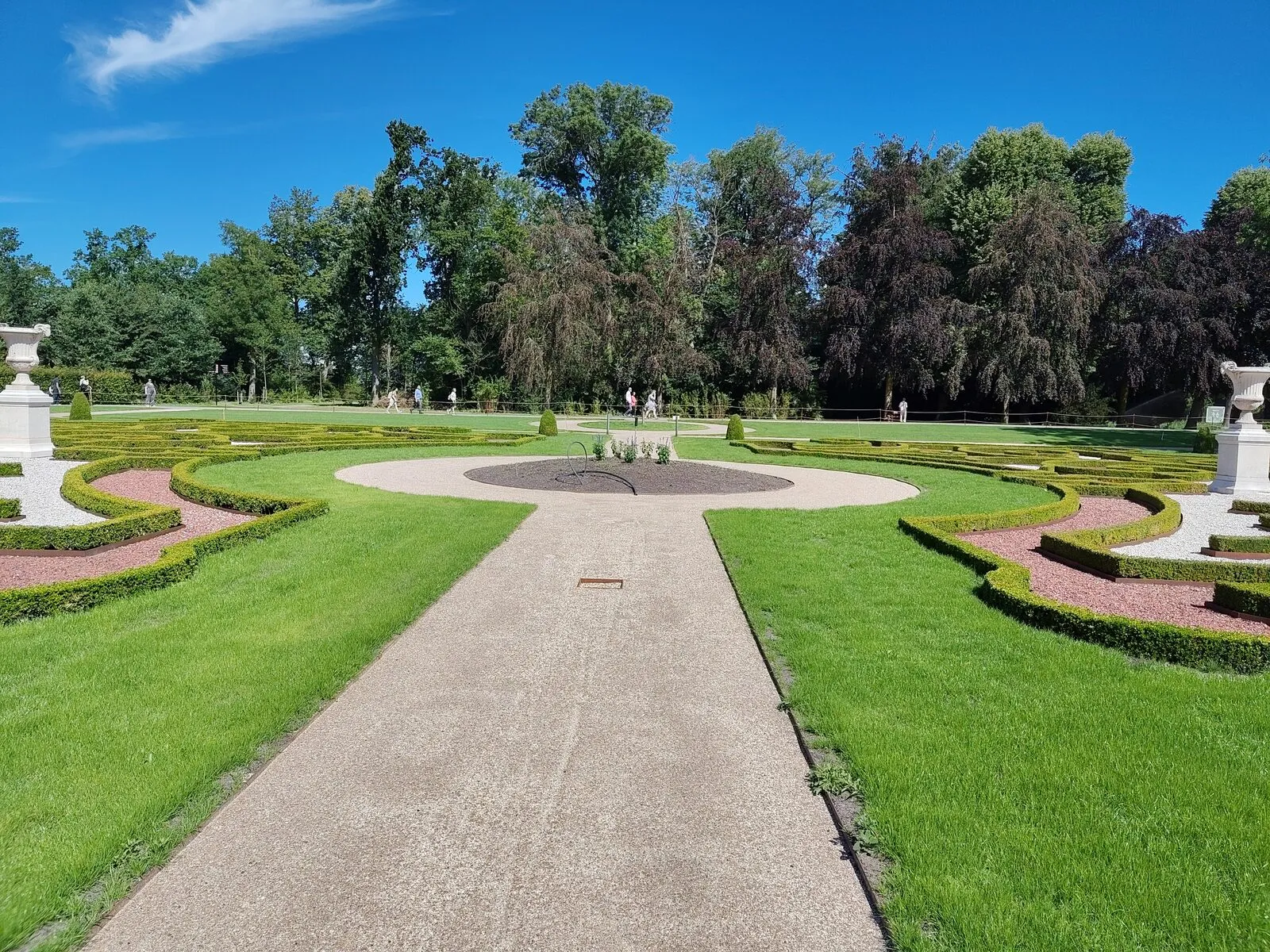
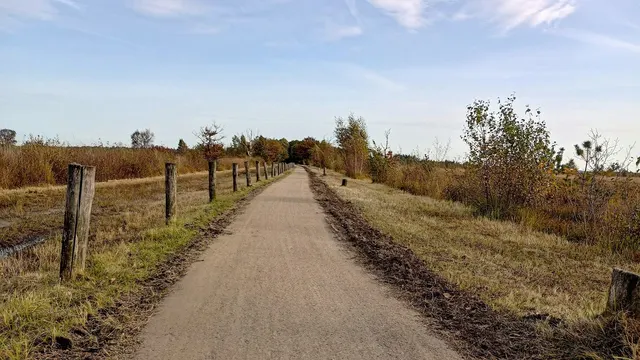
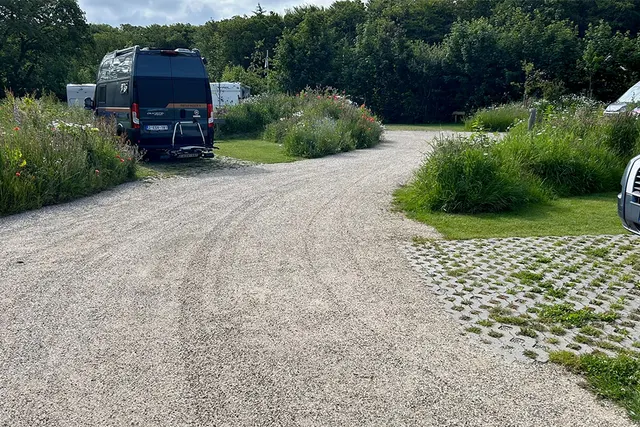
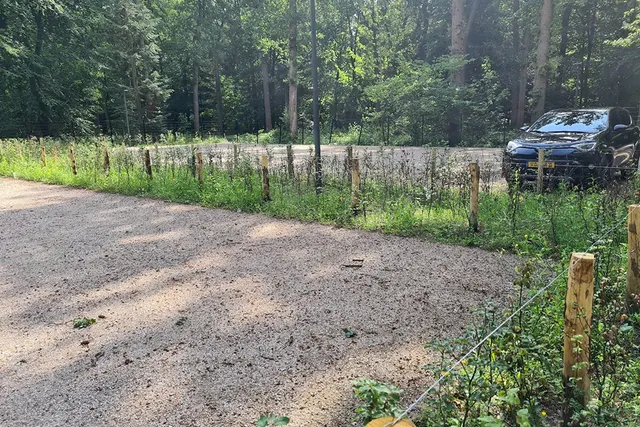
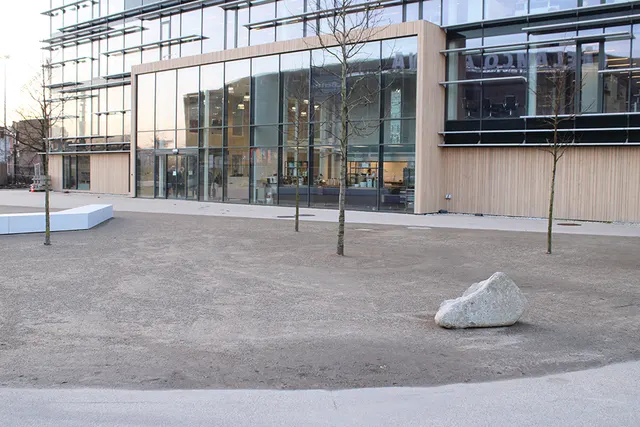
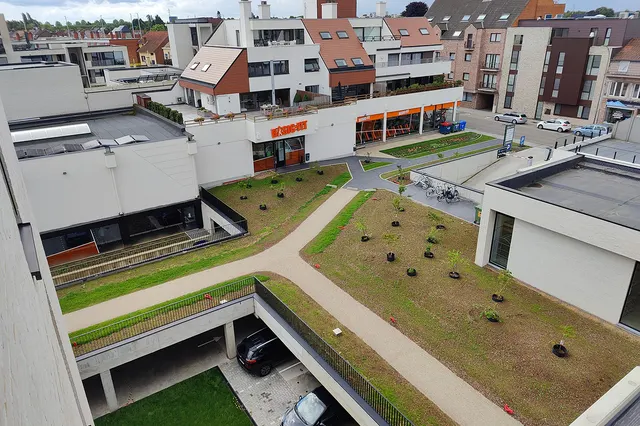
From busy cities to rural castle gardens, Achterhoeks Padvast is rapidly gaining ground. “Many municipalities include it in their specifications, and Amsterdam even does so as standard,” says Rein Hardeman, an Achterhoeks Padvast specialist at Hardeman Zand- en Grindhandel. He cites two reasons. On the one hand, there is a desire to replace existing steel slag half-bound surfacing; on the other, appreciation is growing for a natural, permeable and low-maintenance alternative. “Achterhoeks Padvast is made entirely from natural materials, contains no binder, limits weed growth and has Greenlabel A,” says Hardeman. The company recently supplied 700 tonnes for the rose garden at Kasteel de Haar.
Hardeman has seen demand rise sharply in recent years. “We’ve only got busier,” he says. The rose garden at Kasteel De Haar had Duomix, a half-bound surface incorporating steel slag. This layer was removed and replaced with a completely new construction. A trial section laid at the castle late last year had already convinced the client. “They were very pleased with it, so they wanted to use it more widely,” says Hardeman.
In his view, the light, rustic colour is a better fit for the historic surroundings. Surfaces containing steel slag can darken over time and start to look like asphalt. Achterhoeks Padvast, by contrast, retains its natural appearance. Its high reflectivity also makes the paths more visible in the dark and means they absorb less heat in sunny weather. Hardeman has previously supplied the half-bound surface for Kasteel Amerongen and Kasteel Doorwerth as well.
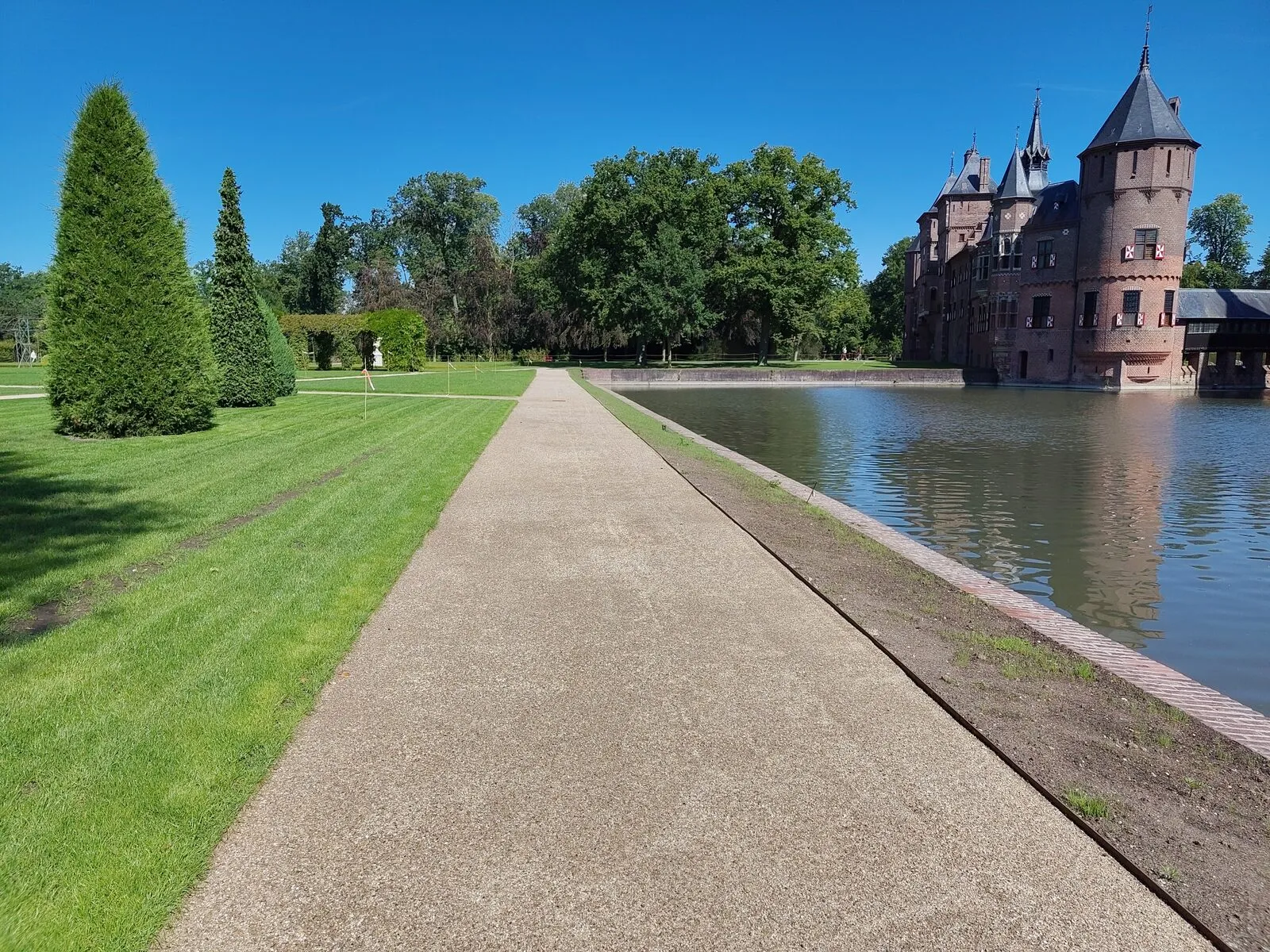
A stable construction
At the largest castle in the Netherlands, Hardeman advised on the construction and supplied the material, after which C.H. van Wensen carried out the installation. The paths were built with a 12-centimetre sub-base of Achterhoeks Padvast 0-14 and a 3-centimetre top layer of 0-6. The coarser fraction provides stability and permeability, while the fine top layer creates a smooth, comfortable walking surface.
This is important at a visitor attraction, where the paths also need to be accessible to visitors using a walking frame or wheelchair. Corten steel edging provides a neat finish. As the material drains rainwater vertically, it can gradually infiltrate through the underlying sand layer into the locally clay-rich soil. This meant the paths could be laid almost flat, as requested by the castle.
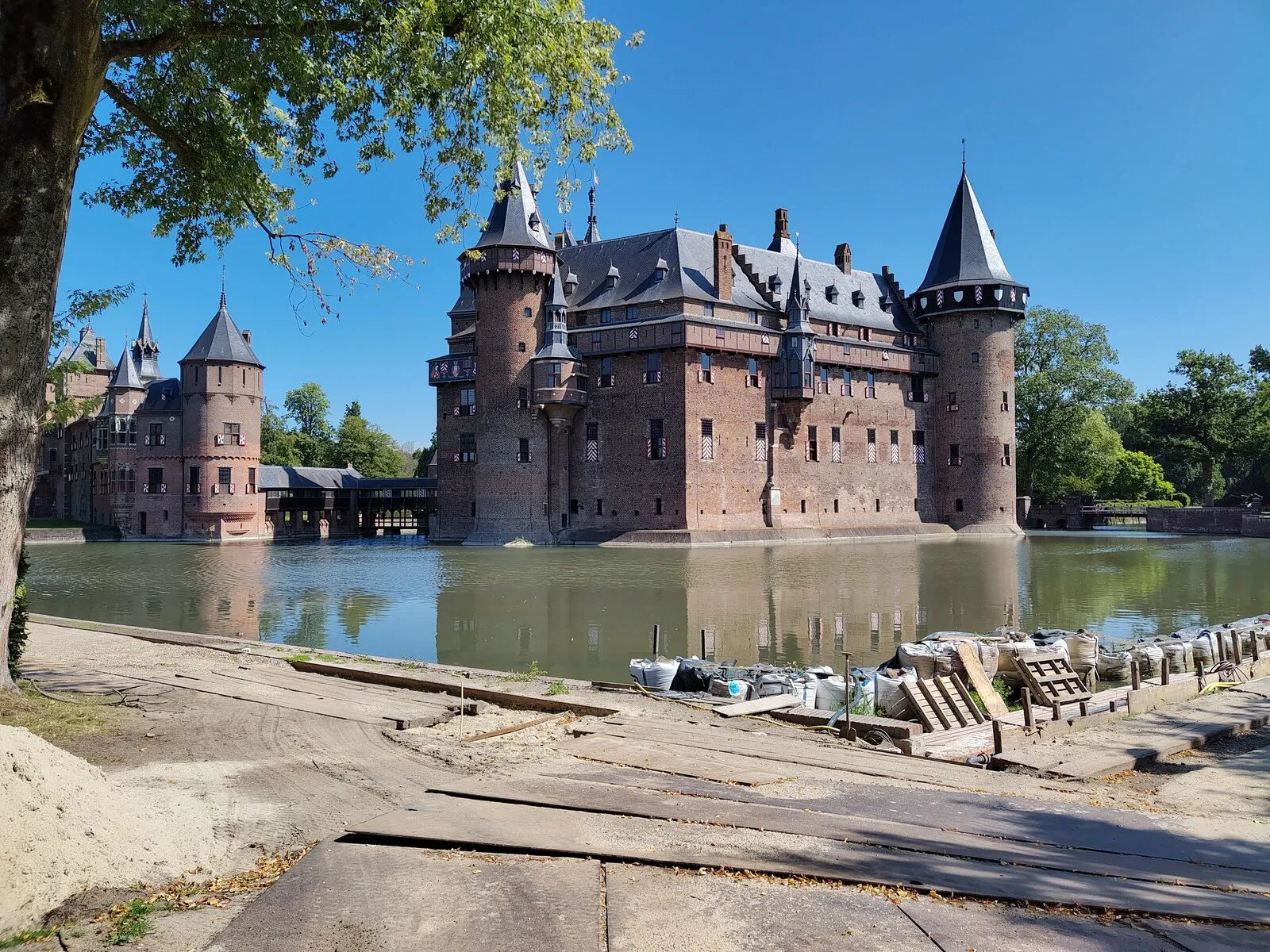
Low-maintenance and sustainable
Achterhoeks Padvast is made from crushed quartzite and gains a stable structure from its hard, angular grains. It is permeable to air and water, suffers very little wear and can be reused in renovation projects. Dust formation is also limited during dry spells.
This proved to be a particularly useful quality during installation. “The rose garden was laid in the middle of a heatwave. That does require extra attention. The material had to be wetted more during installation. If it gets too dry during rolling, the fine particles can vibrate downwards,” explains Hardeman. “Adding enough water preserves the material’s cohesion.”
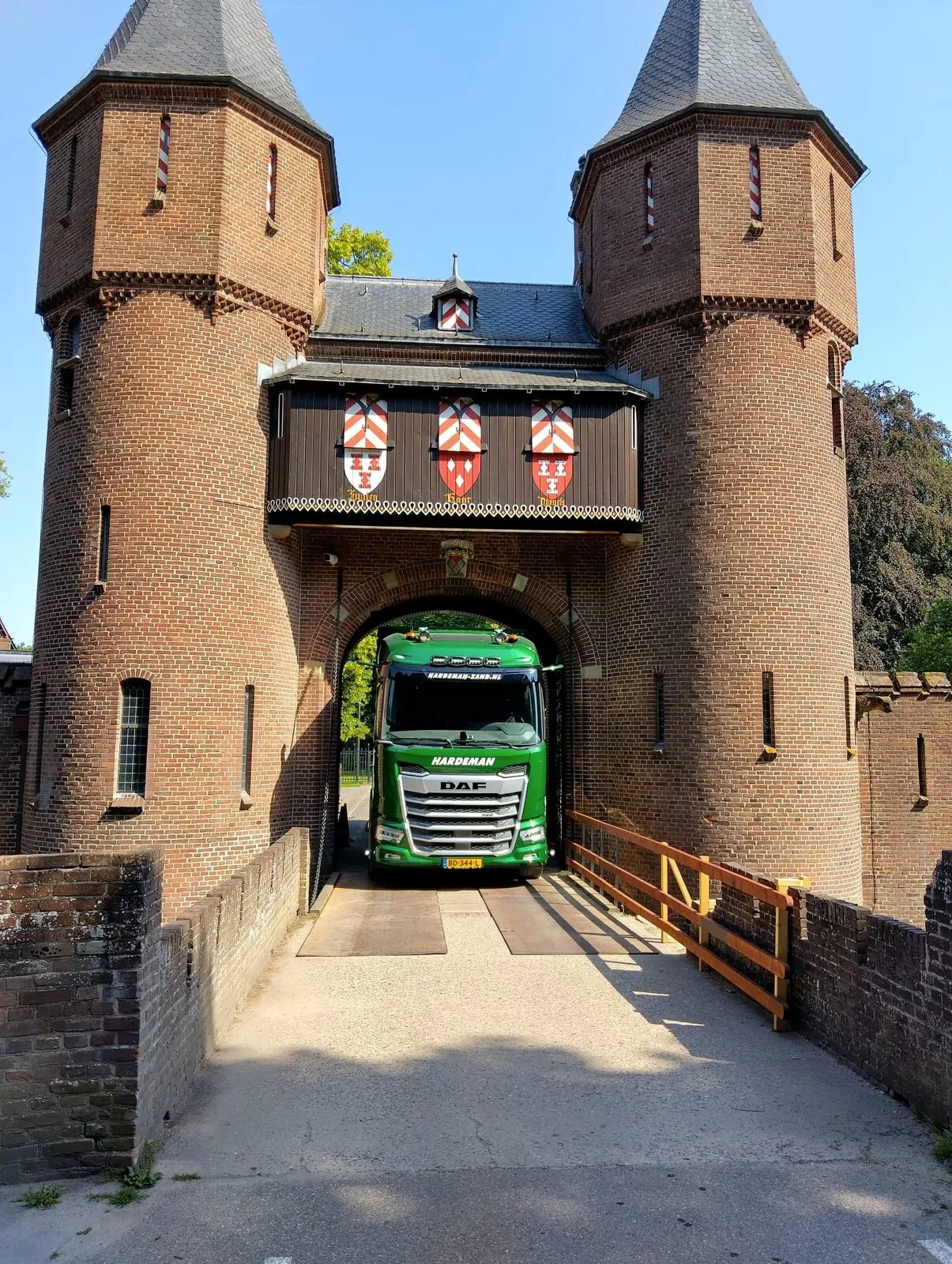
This was not the only challenge at the medieval castle. The delivery also required precision. “Our trailer had to reach the site via a narrow drawbridge. The load capacity wasn’t a problem, but clearance was very tight. It was a bit tense for a moment, but with some careful manoeuvring, it just fitted,” Hardeman laughs.
The work is continuing in phases. More areas of the site will follow in due course, after the rose garden. Kasteel de Haar shows how a functional half-bound surface can also work well in a carefully designed historic setting.
Een zakelijke vraag aan Hardeman Zand -en grindhandel BV? Get in touch
Companies in this story
Keep following this
Get an email when a new story is published. No account needed.
- SubjectPaving
- CompanyHardeman Zand -en grindhandel BV