‘Green is in Utrecht’s DNA’
Text Nolanda KlunderImage Floris Brekelmans
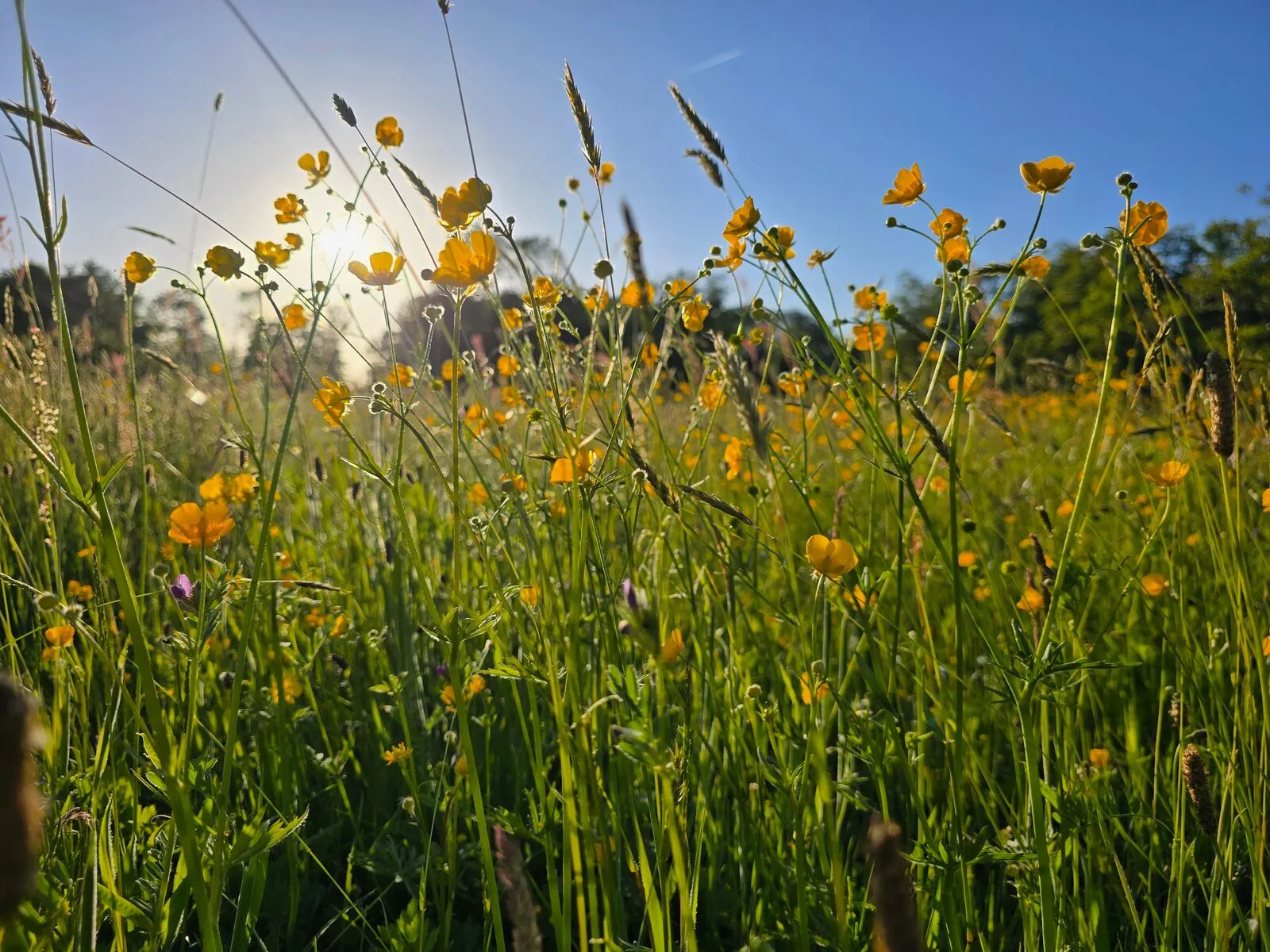
For at least 30 years, Utrecht City Council’s green policy and management have been characterised by an ecological approach. The flowering hay meadows, with their varied vegetation, are particularly striking. “Some species we find in the city are now rarely seen in the surrounding countryside.”
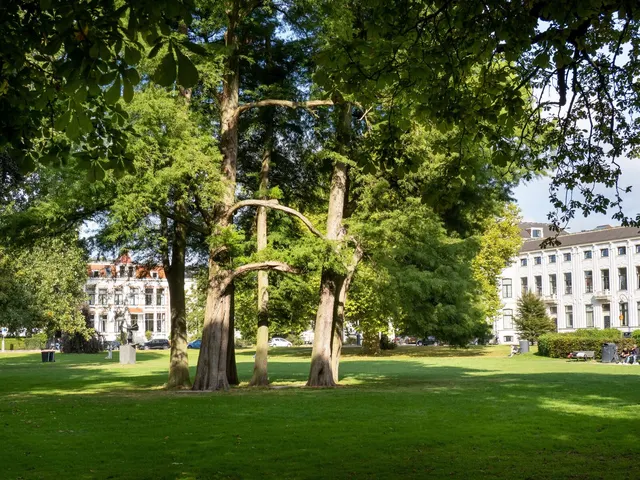
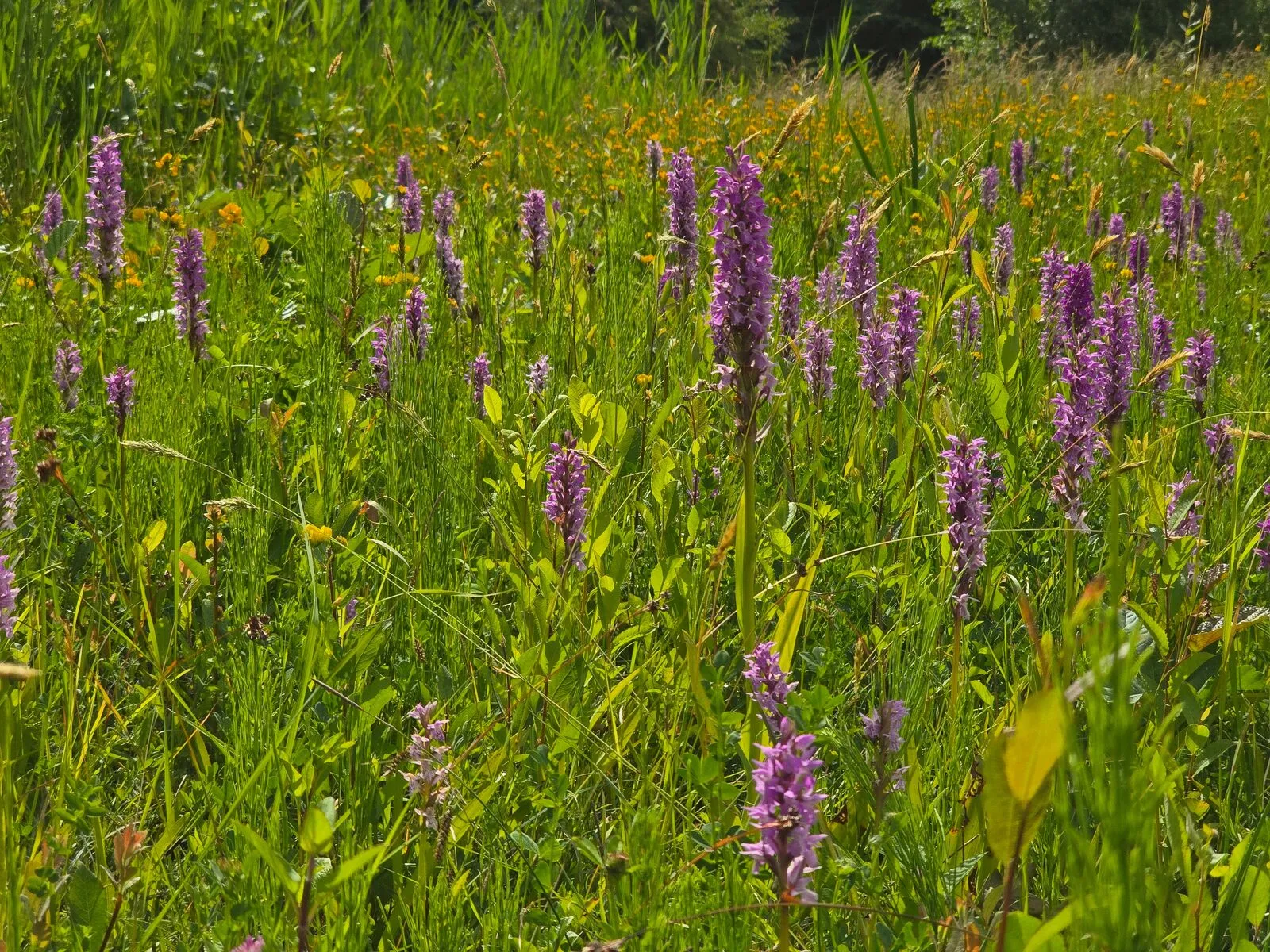
At the table are four people responsible for Utrecht City Council’s green space management: Cees Hoogendoorn (contract manager at Stadsbedrijven), Floris Brekelmans (city ecologist and policy adviser), Gerwin van Raalte (field ecologist) and Nico Geels (senior green space adviser). “Utrecht is an urban environment with a number of gems, such as our beautiful parks,” says Hoogendoorn. “Those gems have been managed ecologically for years.” “We do this because, as the people responsible for managing the city’s green spaces, we know we play a major role in preserving biodiversity,” Floris Brekelmans explains. “Compared with the countryside, excluding nature reserves, Utrecht has some fantastic hay meadows. Some species we find in Utrecht are now rarely seen in the surrounding countryside.”
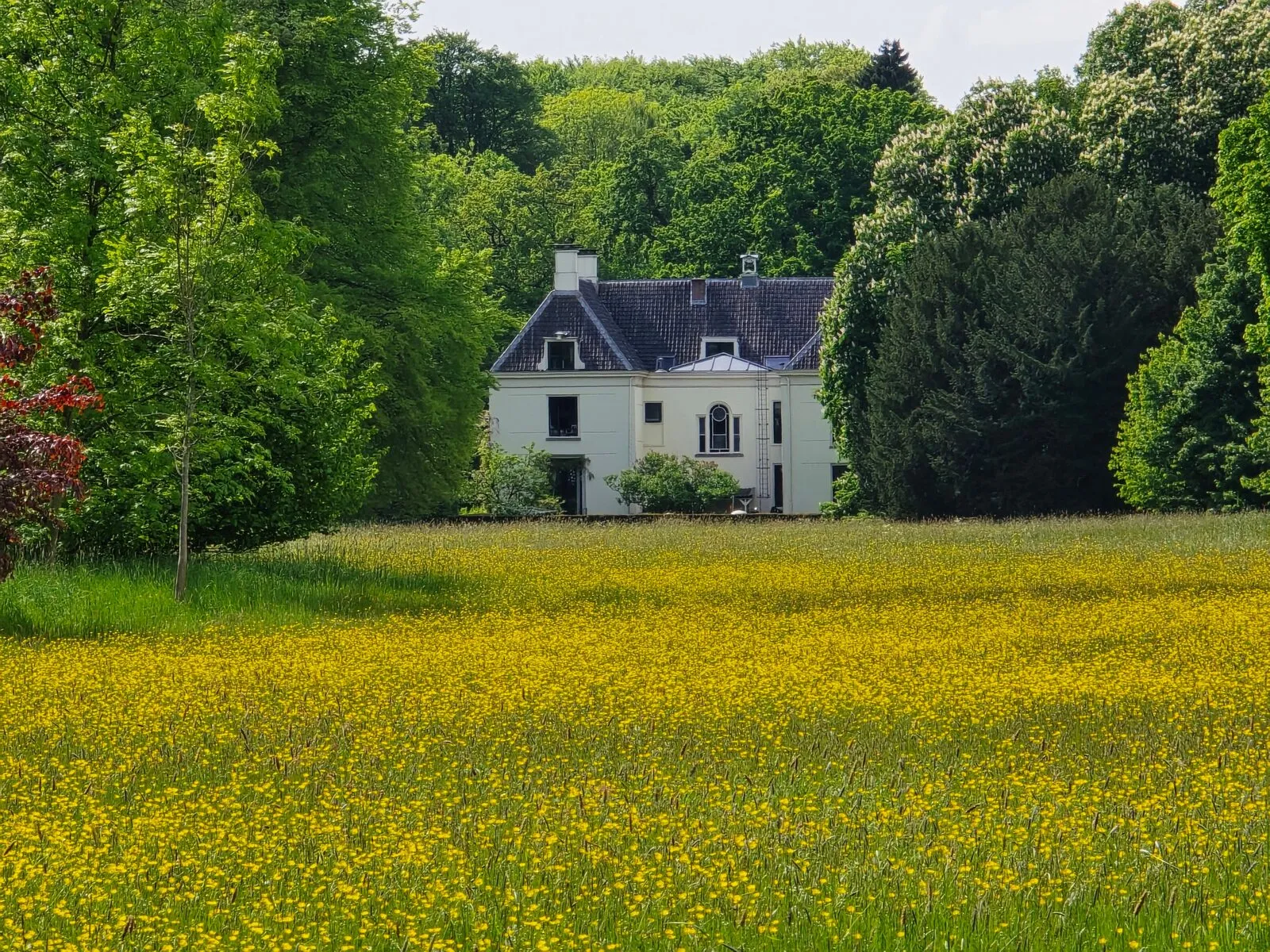
Hay meadows
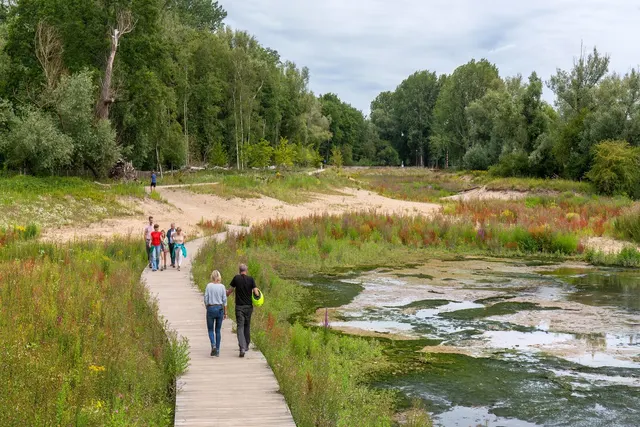
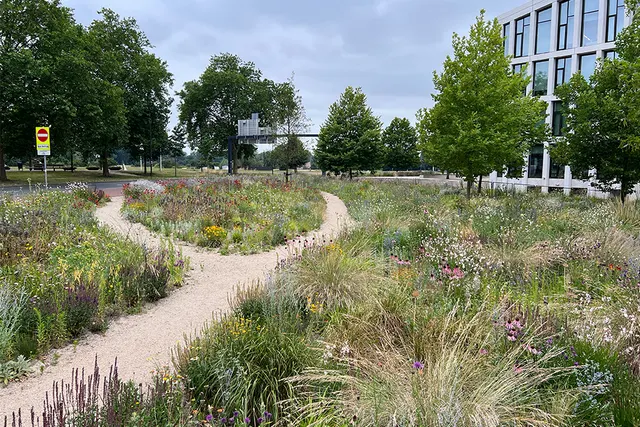
These hay meadows are a hallmark of Utrecht. “We mow hay meadows just a few times a year, allowing them to fill with flowers,” says Brekelmans. “This gives them a highly diverse plant composition, including rare species, and makes them attractive to look at. These meadows in our parks and roadside verges are therefore very important to the city, both ecologically and for recreation. A substantial proportion of our ecological work focuses on these hay meadows.”
Mowing policy
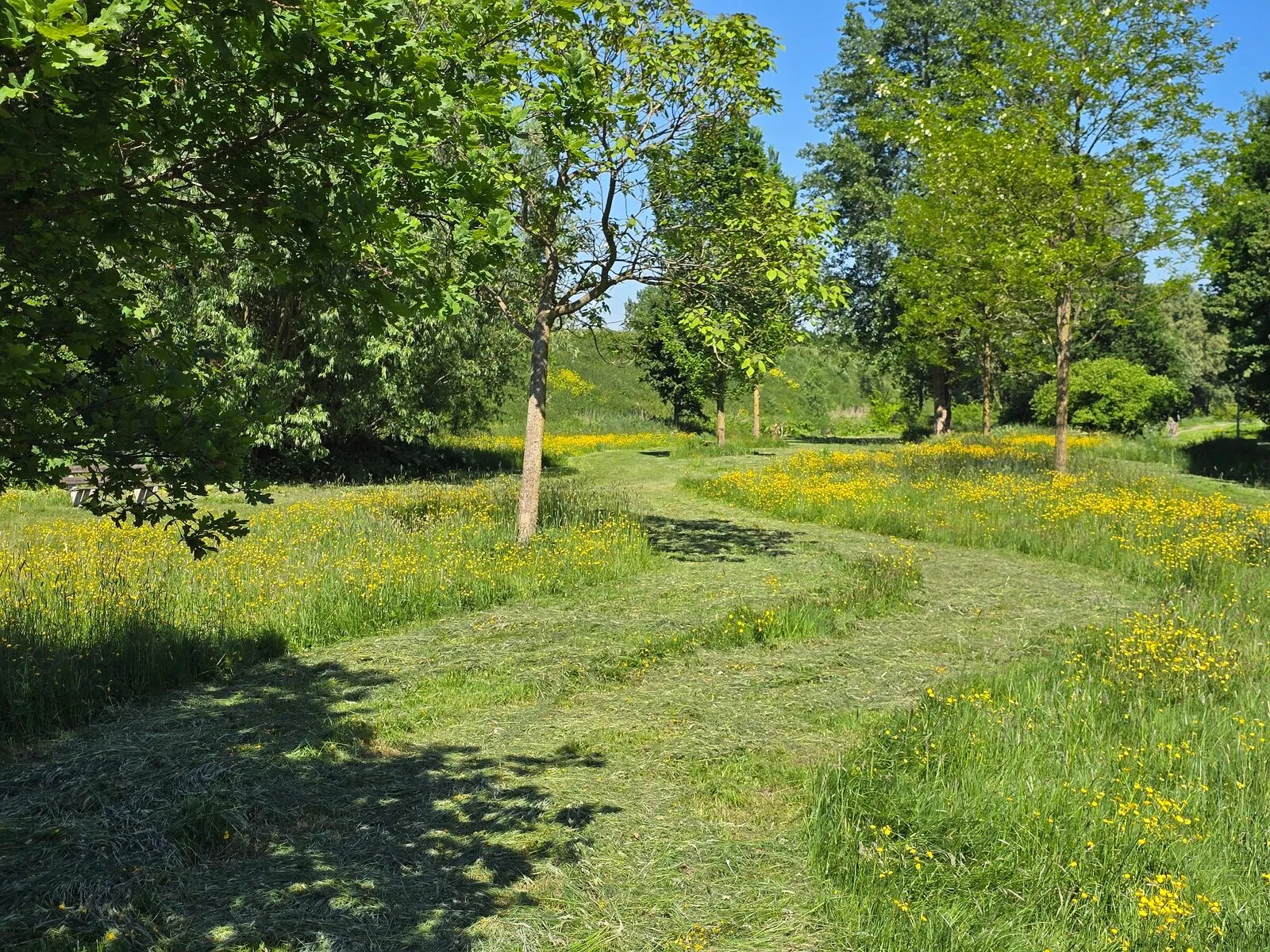
Residents appreciate the flowering verges and parks. Van Raalte says: “We get a lot of feedback about them. People tell us they think they look beautiful. Others write to say the verges should be mown again. Sometimes they complain that we’ve mown them when they were still looking so beautiful in flower. They often don’t understand why.” Brekelmans explains: “We’re on clay soil here, so the grass just keeps growing. If you mow too little, flowers and butterflies decline, while grasses, sorrel and nettles become more abundant. We need to explain that to residents. We put a lot of effort into communication, and a section of the council’s website is devoted to our mowing policy.”
Weeds are all in the mind
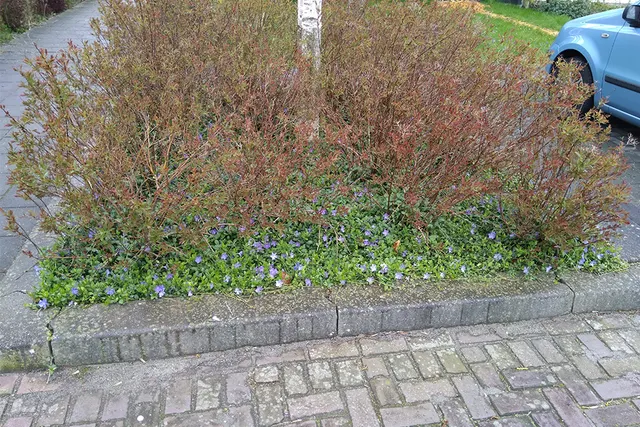
The term ‘weed’ is avoided. Brekelmans says: “We don’t use that word in this city. There’s no such thing as a weed.” Van Raalte qualifies this: “There are plants that cause problems, either because they grow through concrete, like Japanese knotweed, or because they cause injuries on contact, like giant hogweed. We tackle those vigorously using ecological methods.” Brekelmans adds: “Then there’s a large group of plants that grow everywhere, whenever and wherever they like, in places where people didn’t intend them to grow. Our view of them is shaped by our culture. Many people have an ideal image of a neatly maintained lawn with crisp borders. But that isn’t natural or good for nature. We see things differently. We want to be a green city because green supports biodiversity and wellbeing, and some of that greenery is a gift. We just need to learn to accept that gift. We ran a pilot project on less desirable vegetation growing between paving stones. It showed that residents were quite happy for more plants to be left in place, provided they were given a good explanation that helped them stop seeing plants as ‘weeds’. It’s a learning process. We need to let go of the notions of order and tidiness that have been drilled into us. Weeds are all in the mind, not between the paving stones.”
A pioneer in organic products
Utrecht has managed its green spaces ecologically for decades, says Hoogendoorn: “We’ve been doing ecological management for around 30 years. The use of chemical pesticides and flail mowing, for example, has been banned from our specifications for years. We were pioneers in this. Good green space management is also a political priority in this council. Green is in the city’s DNA.” Nico Geels adds: “We’re also leading the way in using organic bulbs and seeds, all pesticide-free and SKAL-certified, because we no longer want pesticides in our public spaces. By creating demand, we encourage the market to move towards organic products.”
Consistency
“Public green space covers more than 1,300 hectares, including 400 hectares of hay meadow,” says Hoogendoorn. “That’s a huge area. And we have consistency in both policy and implementation. Grass mowing and weed control on hard surfaces are divided between three contractors. There are no fewer, because that would place too much responsibility with one contractor, and no more, because that would increase the risk of misunderstandings. We manage this through two supervisors, while Gerwin centrally oversees the work on hay meadows, scrub and ecological elements across the entire city of Utrecht. This flat organisational structure works very well.” The contractors hold a Kleurkeur certificate, Geels says. Kleurkeur is the certification scheme developed by the Vlinderstichting for mowing in two or three sections, so that there is always some vegetation left standing for insects. “We translate that concept throughout the organisation into practical implementation, right down to the person on the tractor.” Brekelmans says: “One of the keys to success is that we aim to have ecological expertise at every level of the organisation: in policy and vision development, in the design department that turns ideas into designs, and, of course, on the operational side. We want to make sure that expertise is firmly embedded. You can see the results increasingly across the city.”
Question about this story? Ask your question
Keep following this
Get an email when a new story is published. No account needed.
- SubjectPublic green spaces