Guide species make spatial planning choices more concrete
Text Nolanda KlunderImage Jan van Harten / Gemeente Amersfoort
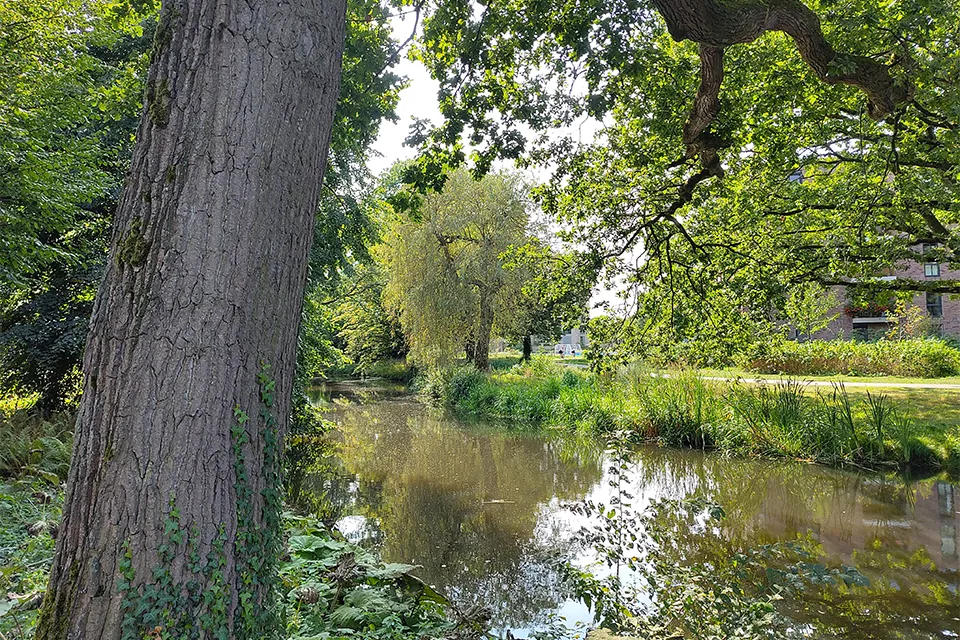
Amersfoort
How do you translate ecological goals into concrete guidelines for municipal green-space policy? The Municipality of Amersfoort is doing so with 33 guide species. Developers select a number of these and commit to designing their project entirely around them. “It’s not cherry-picking,” says city ecologist Gideon Vreeman.
“There are clear guidelines for car parks and play areas in the city, but for ecology the guidelines were much vaguer,” says Gideon Vreeman, city ecologist for Amersfoort. “The guidelines usually amounted to ‘diverse green space’. But if you want ecology to carry equal weight in spatial developments in and around the city, you need to establish a specific ecological standard. That is why we developed a list of guide species.”
Guide species
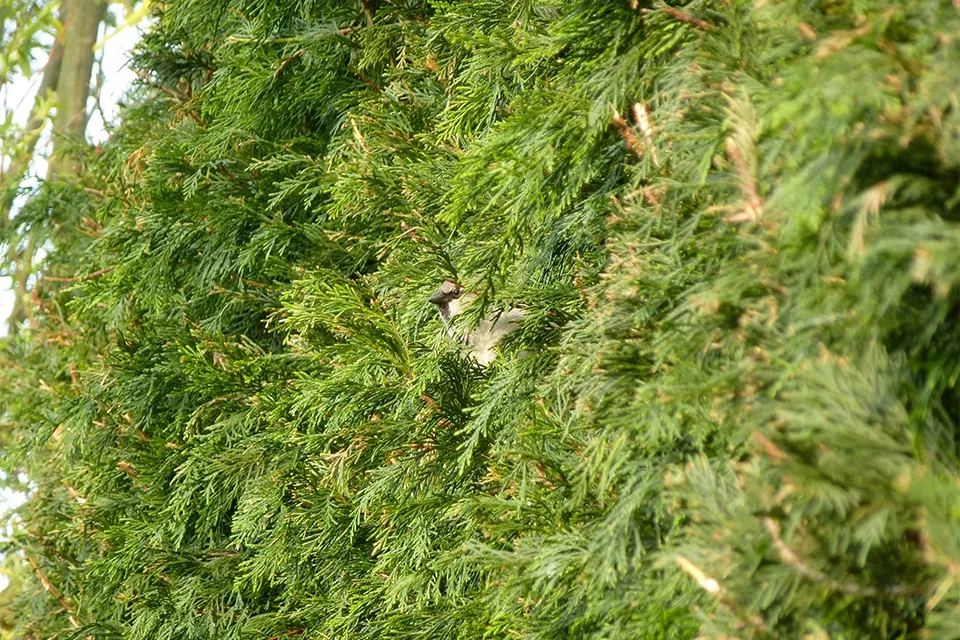
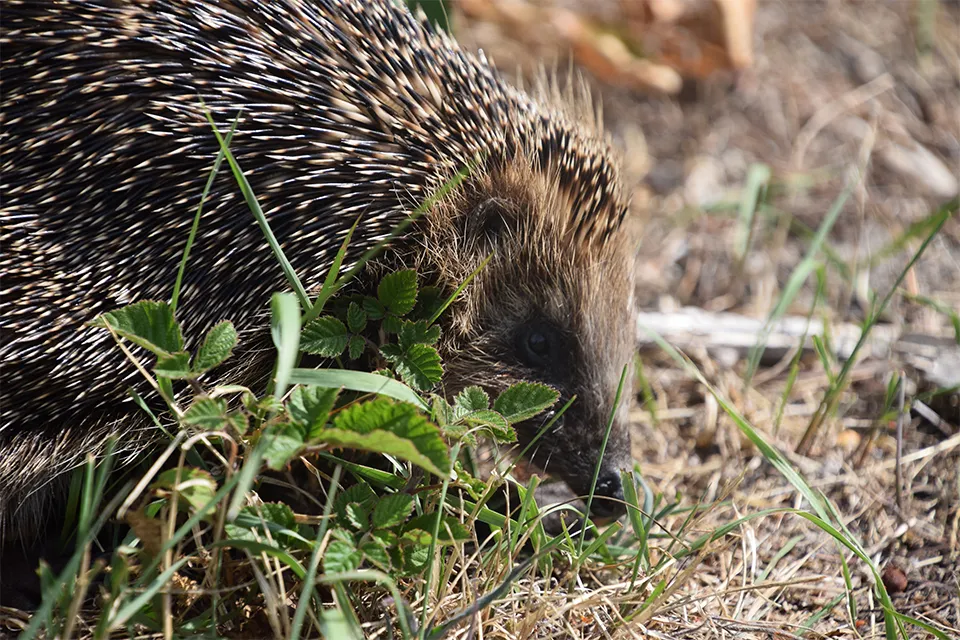
The list contains 33 species, a nod to Amersfoort’s telephone area code. They represent the quality and quantity of ecological design and management in the physical environment. “We based our approach on Basic Quality of Nature (BKN). BKN aims to ensure that common species remain common, and focuses on nature outside nature reserves, such as the city in this case.” The animals and wall plants on the list are associated with Amersfoort’s four landscapes. The city borders the Utrechtse Heuvelrug to the south, the Gelderse Vallei to the east and Eemland to the north-west. The city itself, as a kind of rocky habitat, is the fourth landscape. Vreeman says: “The guide species are divided between these landscapes and four spatial scales: countryside, neighbourhood, street and built feature. For each landscape and scale, we indicate which guide species are relevant, such as a roe deer in the countryside, a kingfisher at neighbourhood level, a hedgehog on the street and a house sparrow at a home.”
Seeing through the animal’s eyes
The municipality provides the list as one of the starting points for designing an area, including for its own projects. “When making spatial planning choices, you need to see things through the animal’s eyes,” Vreeman explains. “An animal has certain basic needs, the four Vs: food, places to live, safety and connectivity. To specify the conditions required by the guide species, we have produced information sheets setting out the four Vs for each species. We involved national experts, including the Dutch Butterfly Conservation Foundation and the Dutch Mammal Society, in producing these sheets. We have tried to make everything as quantitative as possible: exactly what does the animal need in terms of metres, distances and landscape features?”
Creating the right conditions
If you design everything for, say, an otter, will one actually turn up? “A guide species is not a target species,” Vreeman stresses. “It represents the quality you are aiming for. You want to create the conditions in which the guide species in question can thrive. In practice, many other species also benefit from those conditions. When it comes to policy, the question is which levers we can pull. What we can do is create the conditions for nature, in terms of space and quality. If the right conditions are in place, nature can take care of the rest.”
A tool for designers
The list is accompanied by guidance for developers and designers. “They can follow our step-by-step plan to determine the minimum number of species they need to select. The number depends on the size and location of their project. So they are free to decide how to put it into practice. But if you choose a species, you have to incorporate all the conditions into your plan. It’s not cherry-picking whatever suits you, the aim is to create a coherent system. If you choose the house sparrow, you need to do more than install nest boxes: you must also provide cover with shrubs and climbing plants, as well as a foraging area with places to take refuge. The greenery that provides the sparrow with safety does not have to be native, as long as it stays green in winter. This gives designers the tools to get it right.”
A green shift
“We are now working on guidance for management,” he continues. “This requires managers to think differently. We want to encourage them to think more in terms of animals than the individual units they manage, and more in terms of systems and the interactions between green spaces.” Vreeman sees this as a major change. “We are used to working in a certain way at the municipality, so changing is a challenge, not least for practical and financial reasons. But people are open to it, there is a green shift underway. When you make things this concrete with guide species, everyone knows what you are talking about and what you are working towards. It also makes the policy easier to explain to residents. That was one reason for choosing species that are familiar and easy to relate to.”
Not optional
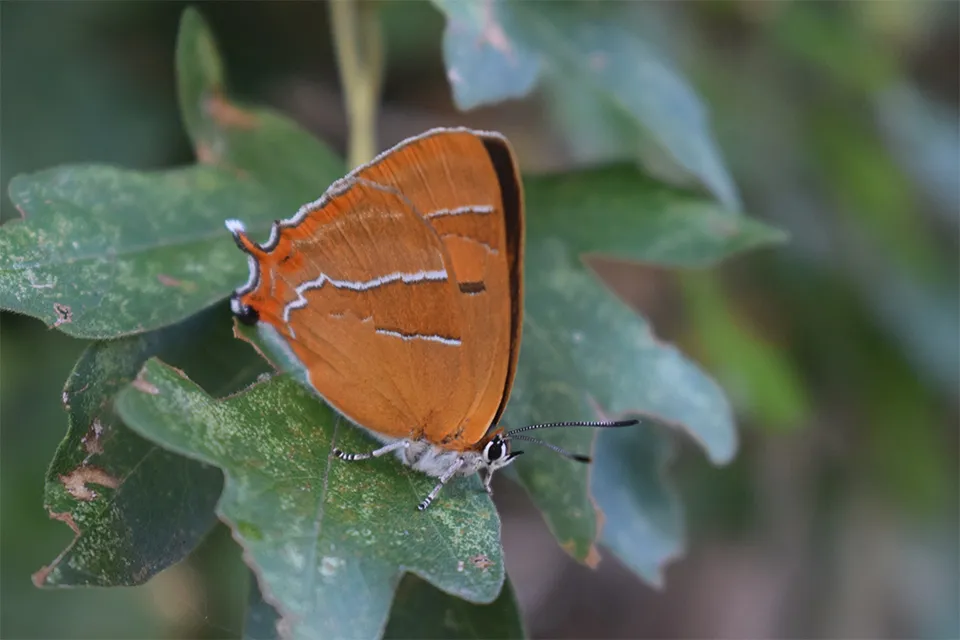
“We are in the midst of a gradual transition, towards different policies and management, and getting used to a different look. Green spaces in the city can be more natural. I always paint an ideal picture for developers: butterflies fluttering above the grass, house sparrows chirping beneath the eaves, a hedgehog snuffling around in the garden. Everyone wants that. But that desire comes with obligations. If you want to enjoy nature, you first have to create the right conditions. You cannot experience nature without creating those conditions.”
The list of 33 guide species is available at: www.hetgroenehuisamersfoort.nl/amersfoortse-gidssoorten
Question about this story? Ask your question
Keep following this
Get an email when a new story is published. No account needed.
- ThemeNature-friendly green space management
- SubjectPublic green spaces