‘Nature must not be an afterthought, but the starting point’
Text Armand LandmanImage Ministerie van LVVN/Martijn Beekman, Armand Landman, Rijkswaterstaat, Felixx Landscape/Jeroen Musch, Gemeente Breda
Interview with the Ministry of Agriculture, Fisheries, Food Security and Nature
Anyone seeking to restore biodiversity must look beyond the boundaries of protected nature reserves. It is in residential areas, business parks, along roads and in the countryside that the amount of space still available to common species such as house sparrows, bumblebees and hedgehogs is determined, and with it how healthy, climate-resilient and liveable our surroundings remain. According to Paul van der Eerden, programme manager for Basiskwaliteit Natuur at the Ministry of LVVN, nature must therefore be part of spatial plans from the very first design, rather than being added afterwards as green dressing. In this interview, he explains why green space is essential infrastructure, how we can move from ambition to delivery, and why biodiversity deserves a permanent place in design, procurement, construction and management.
Attention to biodiversity often focuses on Natura 2000 sites and protected species. Why, in your view, is it at least as important to improve the quality of our everyday surroundings? “Nature matters not only in nature reserves. It is in our everyday surroundings that we experience what nature provides for us. Trees offer shade on hot days, green space helps limit flooding, and healthy soil retains water better during dry periods. Nature gives us space to relax, meet one another and enjoy our surroundings.
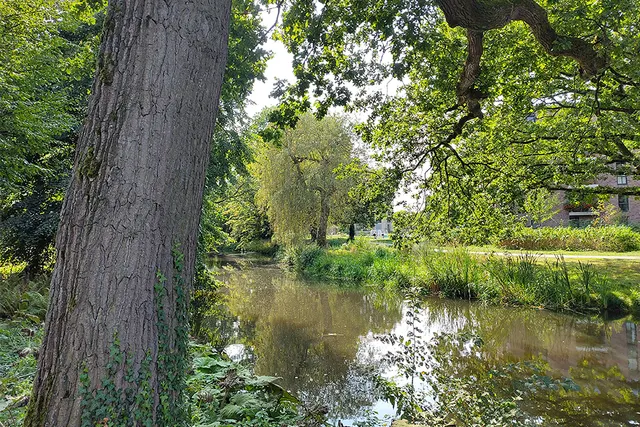
Nature also provides all kinds of practical benefits. Insects pollinate crops, birds and other animals help keep pests under control, and green surroundings contribute to our health and quality of life. But nature is under pressure. Common species such as hedgehogs, house sparrows and various butterflies are also in decline.
That is why the ministry is working with provinces, municipalities, water authorities and civil society organisations towards a nature-inclusive society through Basiskwaliteit Natuur. The aim is for nature not to be something special that exists only in protected areas, but an integral part of our residential areas, business parks and the countryside. So that a green, healthy living environment remains a matter of course throughout the Netherlands in the future too.”
The Basiskwaliteit Natuur programme focuses on strengthening populations of common species. Why might that be more important than many people think? “Because these are precisely the species that make our surroundings familiar and healthy. Many people may not realise it, but species such as the house sparrow, blackbird and bumblebee are in decline. That tells us a lot about the quality of our surroundings.
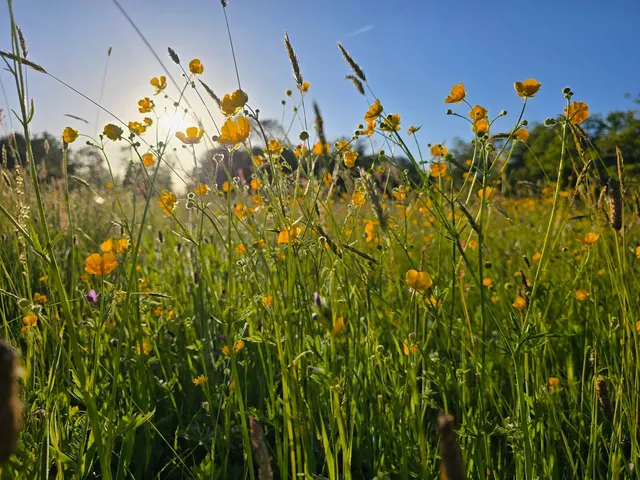
With Basiskwaliteit Natuur, we want to make nature an integral part of residential areas, agricultural landscapes and business parks once again. That means nature is not added afterwards, but included from the outset in plans and designs. In practice, this means making smart choices: ecological mowing regimes, greener neighbourhoods, climate measures that take nature into account, and considering biodiversity early in spatial planning. This creates a living environment where species such as hedgehogs, bumblebees and daisies have more room again.”
In your view, is biodiversity a nature issue or has it now become primarily a spatial planning challenge? “Both. Nature plays an important role in our health, food supply and living environment. Biodiversity must therefore not be added afterwards, but included from the outset in spatial developments. Whether it is housing, infrastructure or the redevelopment of an area, taking nature into account early in the design helps prevent problems later and makes plans better and more future-proof. This can be very practical, for example by designing green space and water in a new housing development so that they link habitats, or by taking account of where trees can grow when planning cables and pipelines.
Taking nature into account at an early stage of spatial planning also prevents major compensation requirements from arising later or delays to the granting of permits.”
Many ecologists say that nature does not stop at the boundary of a nature reserve. What does that mean in practice for cities, business parks, infrastructure and agricultural landscapes? “It means that nature deserves a place everywhere. A business park can provide space for trees and flowers. Roads can connect habitats. Residential areas can be made greener, and agricultural landscapes can contribute to biodiversity. By combining nature intelligently with other functions, we can create a living environment that is stronger, healthier and more attractive.”
Should we stop thinking in terms of separate nature reserves and focus much more on ecological networks that run throughout the Netherlands? “Protected nature reserves remain indispensable. They give vulnerable species and special habitats the space they need. But those areas alone are not enough. Nature works better when areas are connected. Animals and plants need to be able to move around in order to spread and stay healthy. Strengthening those connections creates a stronger, more resilient nature network that is better able to withstand change.
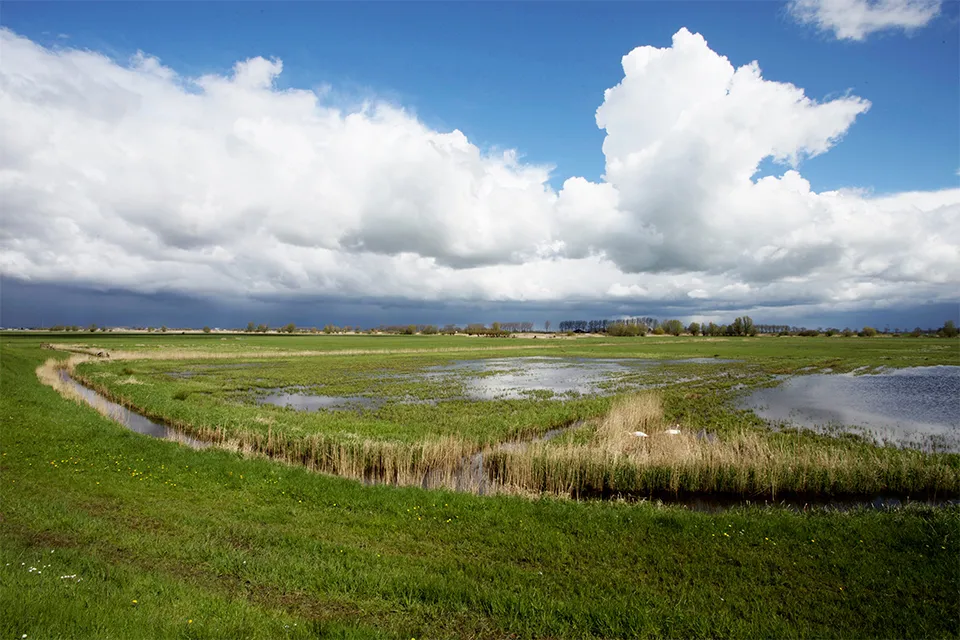
These connections are good for people too. They support crop pollination, make the landscape more attractive for recreation and help preserve landscapes characteristic of the region. Think of the small-scale coulisse landscape in the Achterhoek, or the open peat meadows with ditches and wide-open views. In this way, nature and landscape strengthen one another.”
What role do you see for municipalities and provinces? Can they make a difference, or is national coordination essential? “Both are needed. The national government sets the direction, but provinces, municipalities and water authorities are the ones who ultimately put it into practice. That is why we work closely together. Pilot projects are under way in every province, with public authorities working together to find ways of making nature a stronger part of the living environment.”
Green space is still often seen as decoration in the public realm. When will it finally be regarded as essential infrastructure for health, climate adaptation and quality of life? That shift has already begun. Many municipalities now see green space as an investment in health, climate resilience and quality of life. The main challenge lies in delivery: how do you design an area so that green space genuinely contributes to cooling, water storage and biodiversity? Programmes such as Basiskwaliteit Natuur help with that.”
How can ecosystem services, such as cooling, water storage, pollination and health, be better taken into account in social cost-benefit analyses? By looking beyond the costs of construction alone. Green space delivers a great deal of value: less heat stress, less flooding, healthier residents and better living conditions for plants and animals.
If those benefits are given greater weight, it also becomes clearer that investing in nature often pays for itself. Every investment in nature also generates a return of 8 euros, which is why investing in green space is a smart choice. It is important that we continue to emphasise this.”
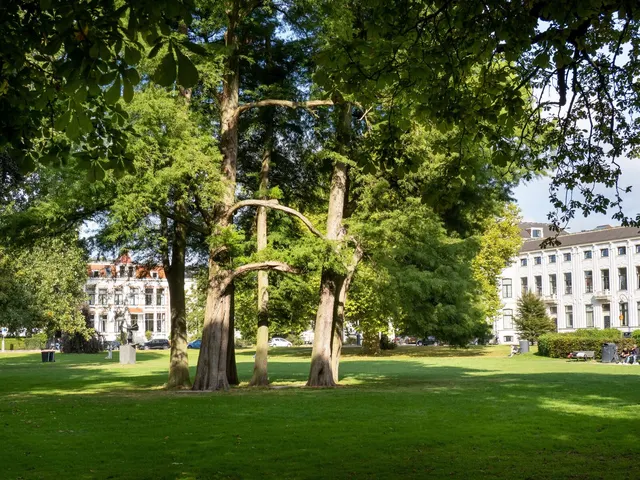
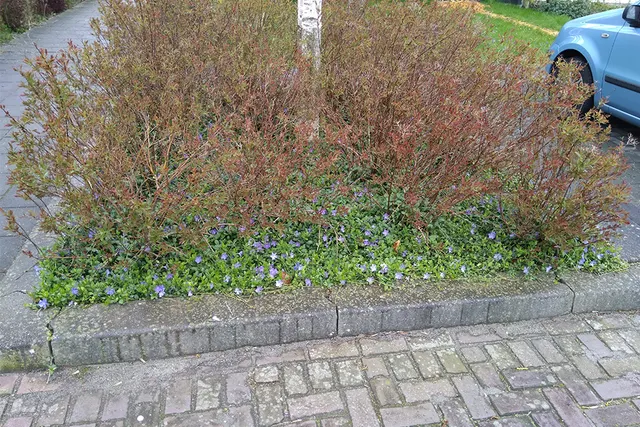
What mistakes do you currently see most often in the design, construction and management of green spaces? “We still often manage green space according to the principle of short, neat and tidy. Many lawns are mown intensively, leaves are cleared away immediately, and shrubs are often absent.
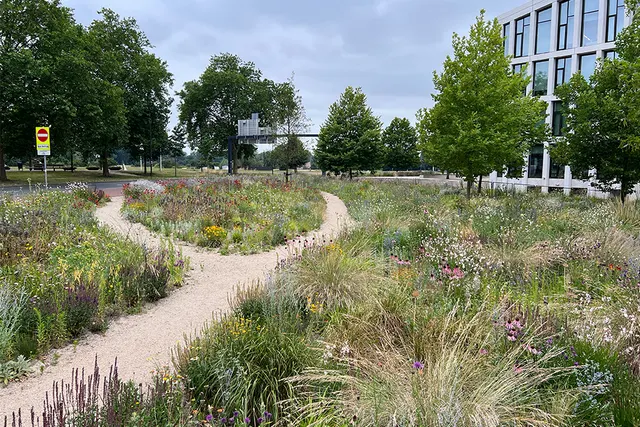
Variation is precisely what makes an area attractive to plants and animals. Good management is important too. Ecological green-space management only works if it is carried out at the right time and in the right way. That is why it is important for it to become an integral part of practice. Procurement documents and contracts for construction and maintenance must include clear agreements about the ecological quality that green spaces are expected to deliver.”
How can we ensure that biodiversity does not remain an ambition on paper, but is translated into management and maintenance in practice?
By making biodiversity a concrete part of contracts, procurement and management plans. That is why we support a procurement group in which clients and contractors work together on green-space management that demonstrably contributes to nature quality.”
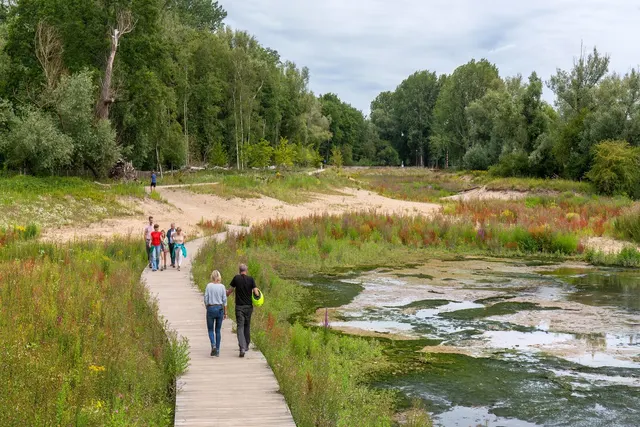
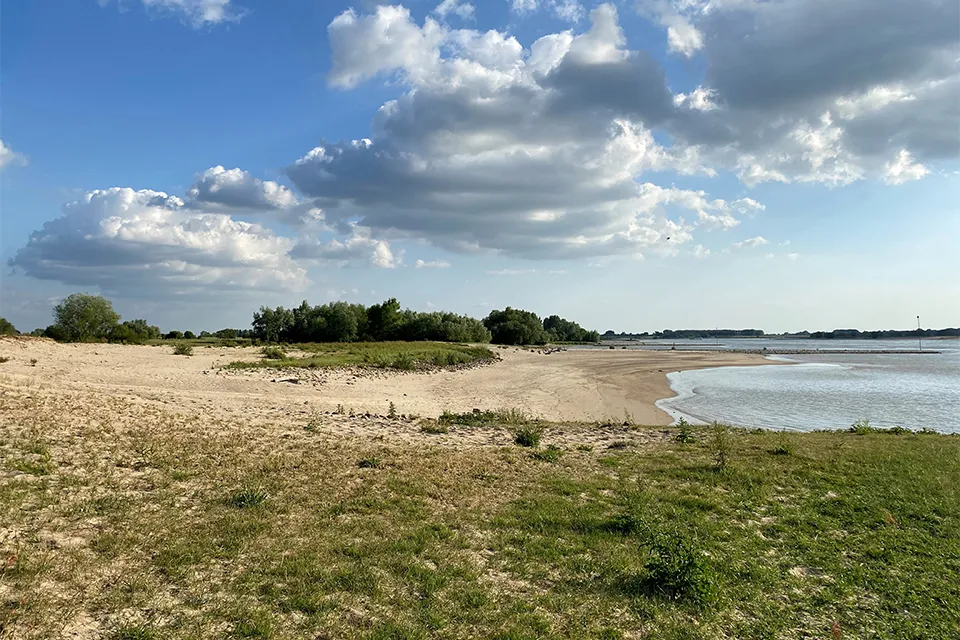
Which practical examples, in your view, show that ecology and spatial development can actually reinforce one another? “There are plenty of examples. Room for the River is perhaps the best known. By combining water safety with nature development, a stronger landscape was created, with more space for nature. We are also seeing good examples in housing, such as nature-inclusive residential areas where green space, water and biodiversity have been part of the design from the outset.
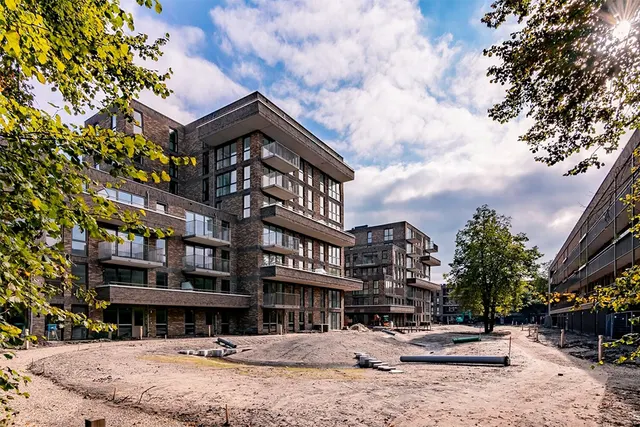
There are also specific projects such as Maanwijk in Leusden, where nature-inclusive building was the starting point, and initiatives such as Park in de Stad in Breda and Rotterdam, where green space and urban development go hand in hand. In Amersfoort, a target species approach is also being used to ensure that nature quality is systematically taken into account in spatial projects.”
The Netherlands Environmental Assessment Agency regularly points out that many policy targets are ambitious, but delivery is falling short. What needs to change fundamentally to bridge this gap?
“The key lies in delivery. Biodiversity must not be addressed only once plans are complete, but included from the outset.
Design, management and procurement also need to be better aligned with the goals we want to achieve.” Suppose you could make one decision that would make the Netherlands demonstrably more biodiverse in ten years’ time. What measure would you choose, and why? “I would choose to make nature quality a standard consideration in all spatial developments. That way, every project, from housing to infrastructure, can be used to strengthen biodiversity. Because nature is found everywhere, this is how we can make a difference on a large scale.”
Question about this story? Ask your question
Keep following this
Get an email when a new story is published. No account needed.
- ThemeNature-friendly green space management
- SubjectPublic green spaces