









New insights into the financial benefits of green spaces
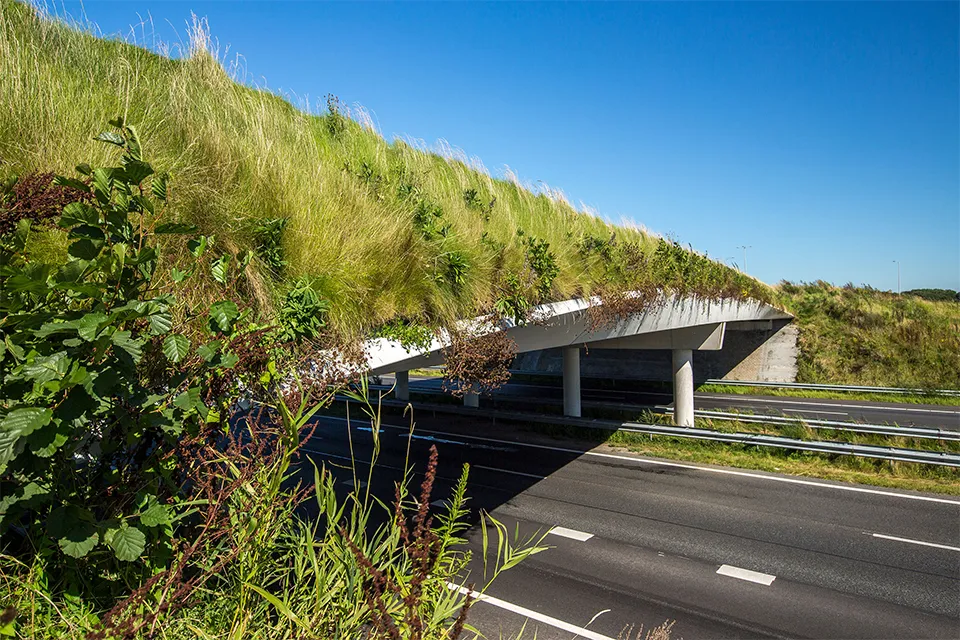
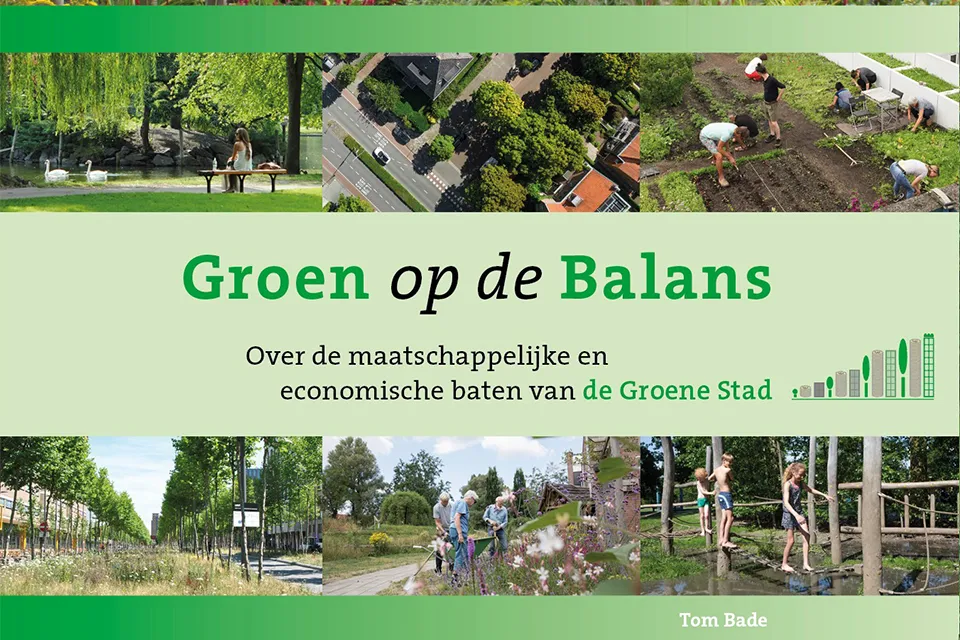
Green playgrounds in residential areas save €23 billion in future healthcare costs by preventing childhood obesity. In addition, €220 million less is needed for ADHD medication. Greening hospitals generates annual savings of €780 million because hospital stays are shorter. These are just a few of the insights in ‘Green on the balance sheet’, a new research publication on the benefits of green spaces.
This publication provides insight into the social and economic benefits of green spaces in urban areas. It was developed at the initiative of Koninklijke Vereniging van Hoveniers en Groenvoorzieners (VHG), Royal Anthos and LTO Bomen, Vaste planten en Zomerbloemen, united under De Groene Stad.
12 themes
With this publication, the initiators aim to convince politicians, policymakers, planners and project developers, designers and clients that investing in greener living environments also delivers significant economic value in euros. Researcher Tom Bade of knowledge centre Triple E substantiates this in the publication ‘Green on the Balance Sheet’, with insights and examples across no fewer than 12 themes. These include the pressing housing construction challenge: the net annual yield in euros from greening the construction programme of 900,000 homes amounts to a conservatively estimated €28 million in property tax revenue.
A valuable investment
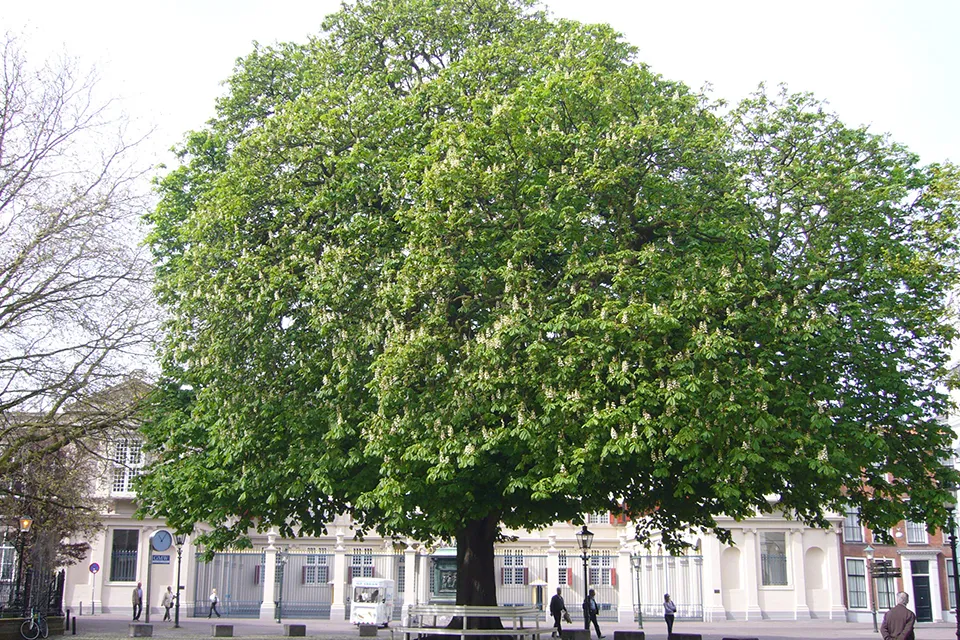
The insights in Green on the Balance Sheet can be used to produce more realistic cost-benefit analyses. Green spaces are no longer seen as a cost, but as a valuable investment that deserves a place on the economic balance sheet. The better green spaces are cared for, the more effectively they can perform their valuable functions, such as water storage, cooling and supporting biodiversity. Green spaces also often deliver multiple benefits: a tree captures CO2, provides cooling, retains water, captures particulate matter and serves as an ecological corridor for birds and insects.
Economic arguments
VHG chair John Koomen expects the publication to reach a different group of policymakers too: “Those who are primarily interested in the economic case. The time is right for that now, too. We know that greening is important for a healthy and pleasant living environment, but we still don’t fully appreciate what it delivers in concrete terms. This publication will enable us to make a strong financial case for investment in green spaces.”
Green growth
On 22 January 2026, the first copy of Green on the Balance Sheet will be presented to Sophie Hermans, Minister for Climate and Green Growth. The choice of minister is intended to emphasise that green growth also comes from greenery itself, and that it must be embedded in the Netherlands’ climate ambitions. The publication will also be actively promoted to various stakeholders and the organisations’ own members. For example, Koninklijke VHG will host a panel discussion on the publication at the Groene Sector Vakbeurs on 15 January 2026.
From 22 January 2026, the publication will be available on the websites of De Groene Stad, Koninklijke VHG, Royal Anthos and LTO Bomen, Vaste planten en Zomerbloemen. The digital edition can be requested free of charge. The print edition is available at cost price.
Question about this story? Ask your question
Keep following this
Get an email when a new story is published. No account needed.
- ThemeSpace for urban green
- SubjectGeneral







