Chippers for landscaping contractors: which type is right for your pruning work?
Text and images Eliet Europe
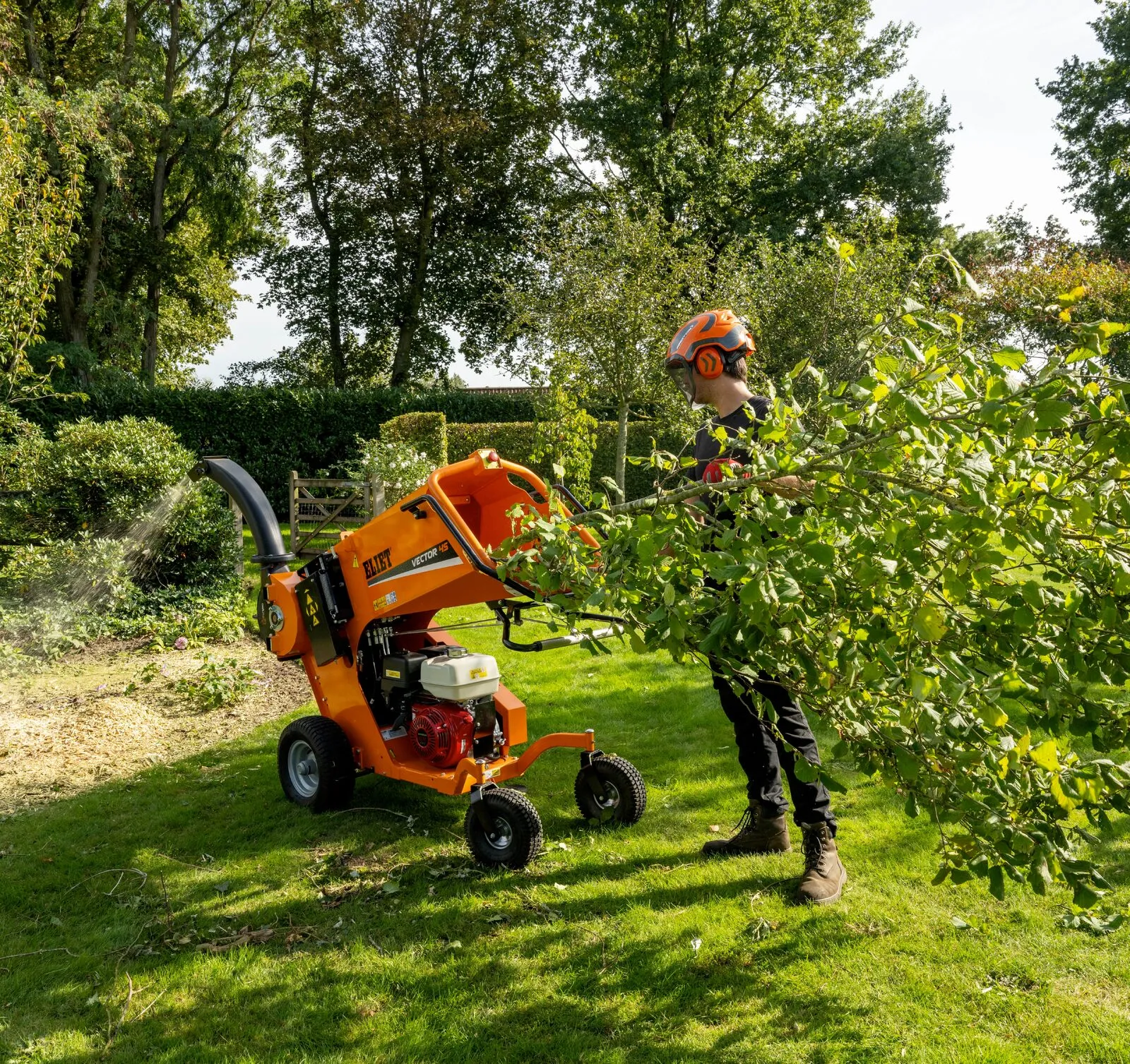
For landscaping contractors, a chipper is really a basic piece of equipment. Pruning, trimming hedges and tidying borders are all part of a landscaper’s daily routine. Pruning waste is therefore unavoidable, so it needs to be managed properly.
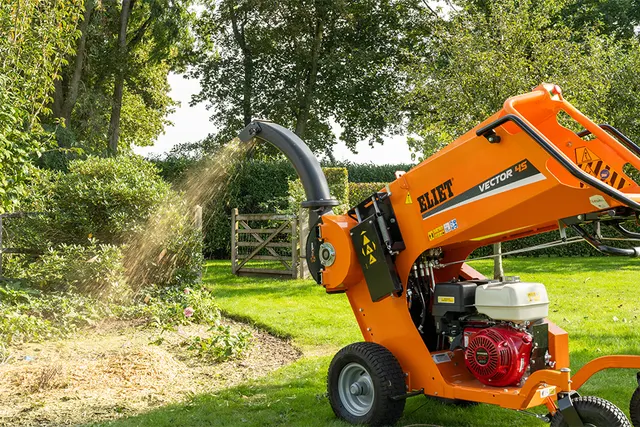
One smart way to deal with it is to chip the prunings on the spot and reuse the chips as mulch in the garden. This returns the pruning waste to where it came from, which is the ideal scenario for closed-loop gardening. If the green waste does need to be taken away, chipping can reduce its volume to a third. This cuts the number of trips by two-thirds, saving a great deal of time and fuel. It is clear, then: owning a chipper is really a no-brainer.
Not all chippers are the same
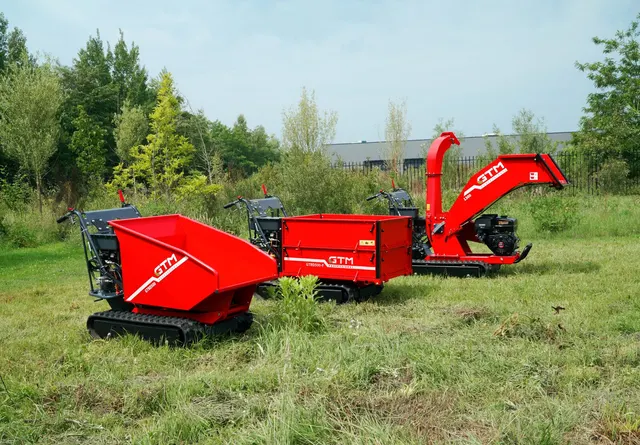
A landscaping contractor should not rush into choosing a chipper. There are several types, each with different characteristics. The type of pruning work a contractor mainly carries out determines which chipper is best suited to the job.
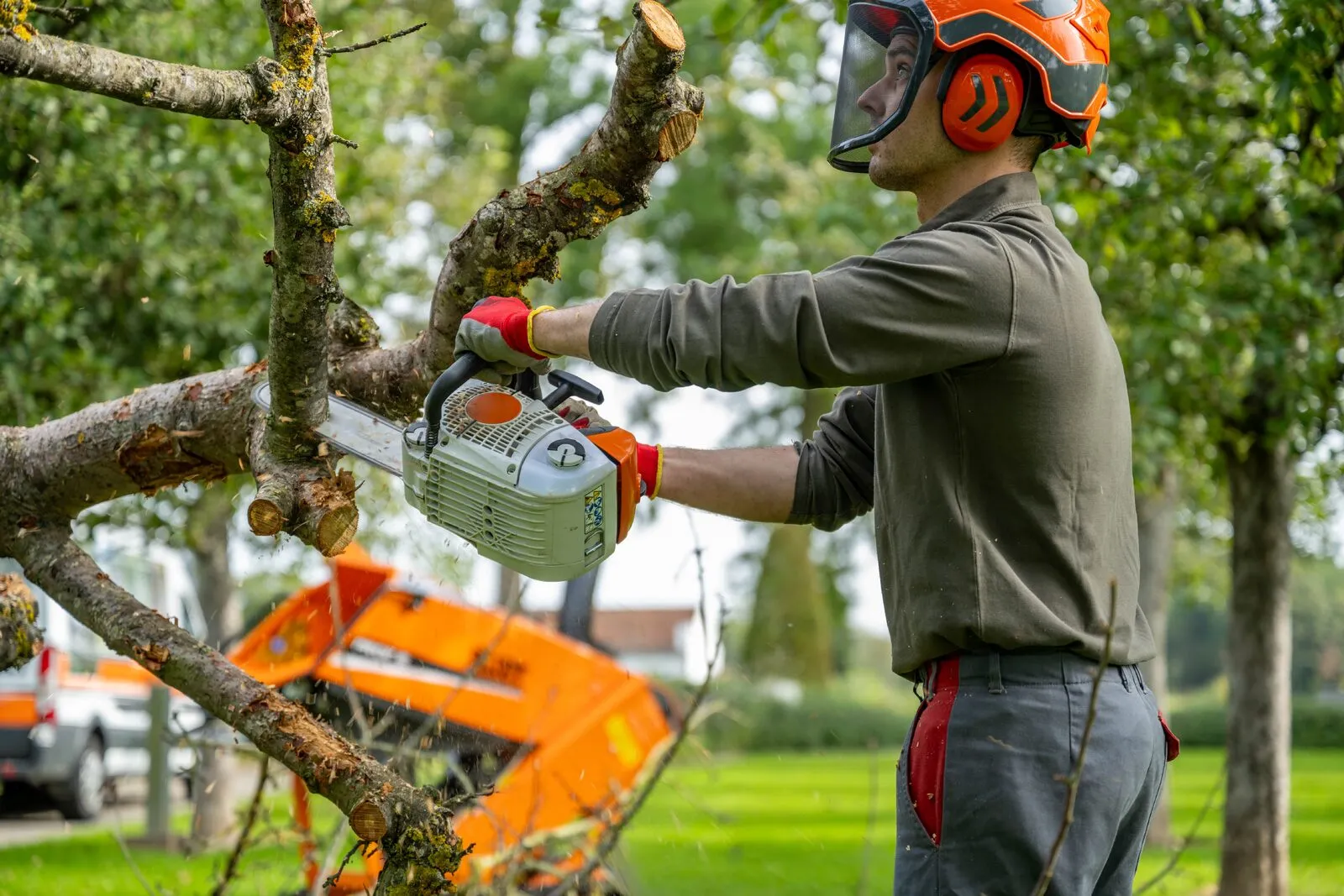
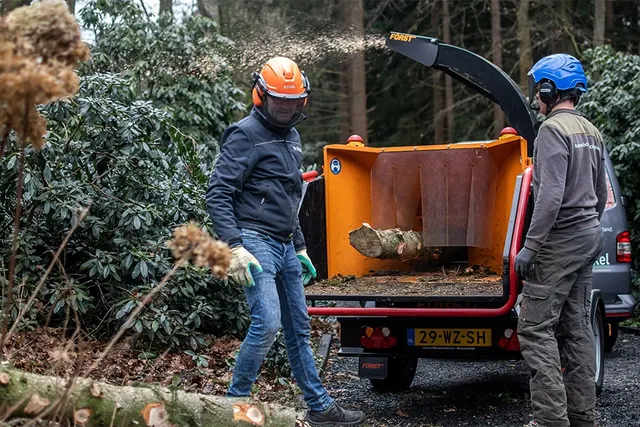
Wood chippers
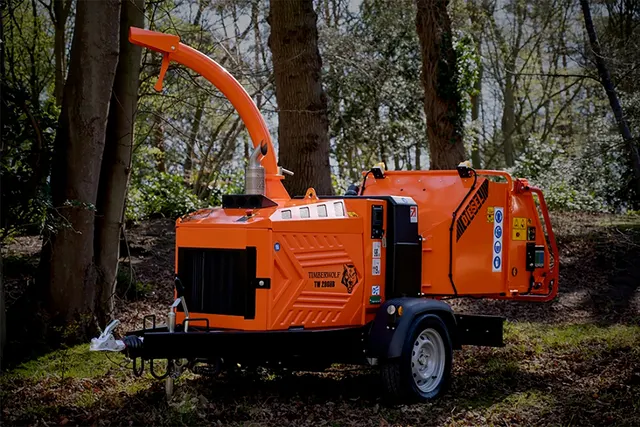
The type of chipper is determined by the technology it uses to chip material. Most machines use either a disc or a drum with planer blades. Both systems work on the principle of scissors: the rotating blade on the disc or drum cuts the pruning material against a fixed counter-blade. Each time the blade passes, it effectively slices off a thin layer of material.
This common system offers good processing capacity and is particularly suitable for chipping branches. These ‘wood chippers’ are therefore a good choice for landscaping contractors who mainly fell and prune trees. The cutting action produces uniform, cubic chips, which are useful for woodchip heating systems or as surfacing for walking and running paths, such as Finnish tracks. However, because the cut is so clean, these chips take longer to break down, making them less suitable for a fast composting cycle. Disc and drum chippers are not suitable for shapeless, leafy pruning waste from shrubs, bushes, hedge trimmings and other green waste generated by routine garden maintenance.
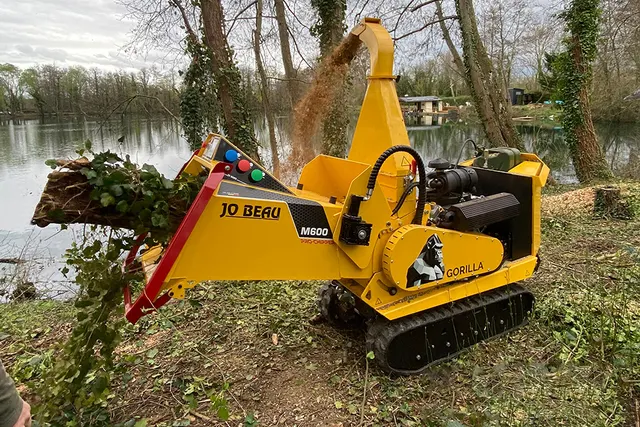
Green waste chipper
For this type of pruning waste, a flail or hammer mill is a better choice. This cutting system consists of a drum fitted with freely swinging flails or hammers. The green waste fed into it is smashed into pieces by these cutting elements with brute force. Unlike disc or drum chippers, this process involves little precision, resulting in coarse, irregular, ragged chips. Because the hammers are pivot-mounted, they can swing back if they hit a foreign object such as sand, stone or gravel, preventing damage to the cutting blades. The downside is that, because they are loosely mounted, these centrifugal systems are less efficient at cutting larger-diameter branches, which offer greater resistance. Hammer or flail chippers are therefore generally used for fine green pruning waste.
The Chopping Axe Principle™:
a third way
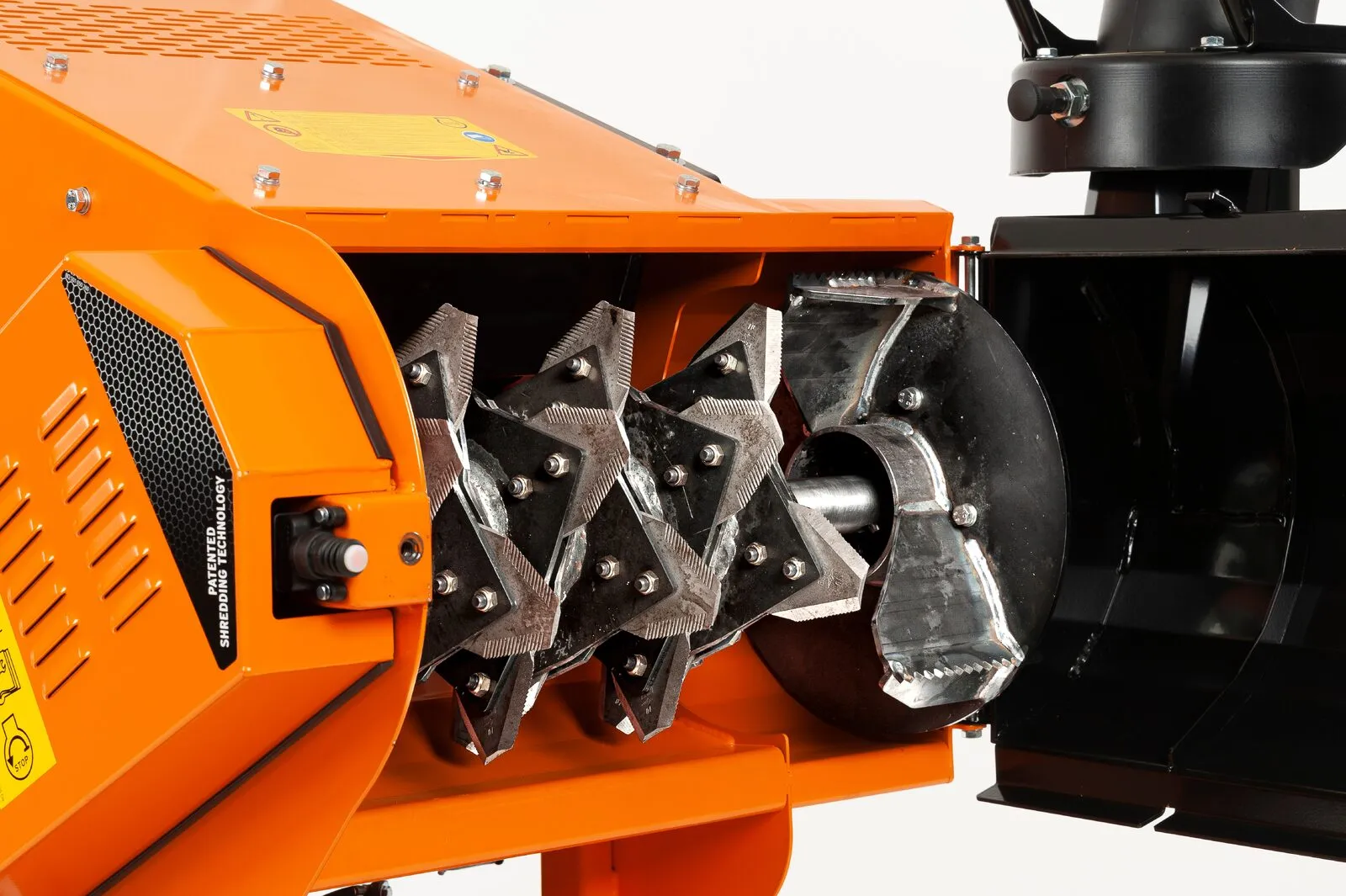
A third chipping system is the ‘Chopping Axe Principle’. This system is found exclusively on ELIET machines, made by the Belgian manufacturer that invented it and holds several patents for it. As the name suggests, the blade shaft consists of fixed blades that, like small splitting axes, chop into the pruning waste and cut the material along the grain. Through a cycle of splitting and cutting, the blades reduce the material step by step.
The Chopping Axe Principle™ combines the advantages of the other two systems. Because the wood is cut along the grain, the system is energy-efficient and can quickly and efficiently turn woody pruning waste, such as branches, into fine chips, even with low power. It also works without a counter-blade, making it less sensitive to foreign objects and allowing it to process shapeless green waste without difficulty. The many blades also finely cut leafy green waste. Since the material is cut along the grain, the chips are heavily crushed, allowing microorganisms to break them down quickly. This makes them particularly suitable for mulch or as a composting material. For this reason, landscaping contractors who mainly maintain gardens for private customers, and therefore deal with a wide variety of green waste that also changes with the seasons, often choose ELIET chippers.
Field test
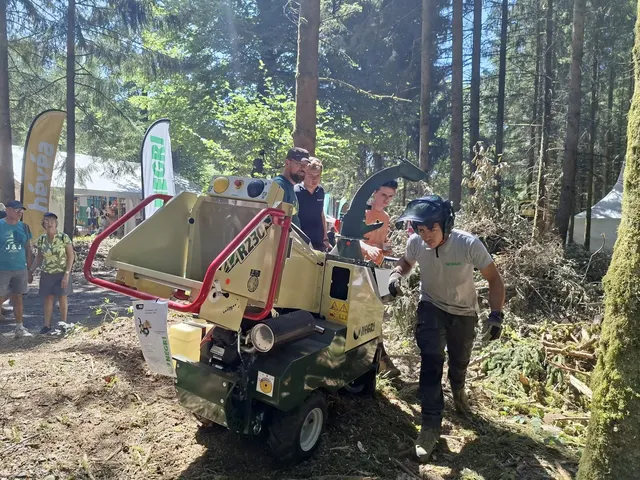
As a landscaping contractor, you know your working environment and the type of pruning waste you deal with better than anyone. You are therefore best placed to choose the right chipper. Before making a purchase, it is a good idea to request a demonstration at your own worksite, using the pruning material you most often handle in practice. After a field test like this, you can be sure the chipper is right for you and that your investment will pay off.
Question about this story? Ask your question
Keep following this
Get an email when a new story is published. No account needed.
- ThemeGardens from design to maintenance
- SubjectWood chippers