









‘Soil life is the missing piece of the puzzle’
Text Nolanda KlunderImage Antonie
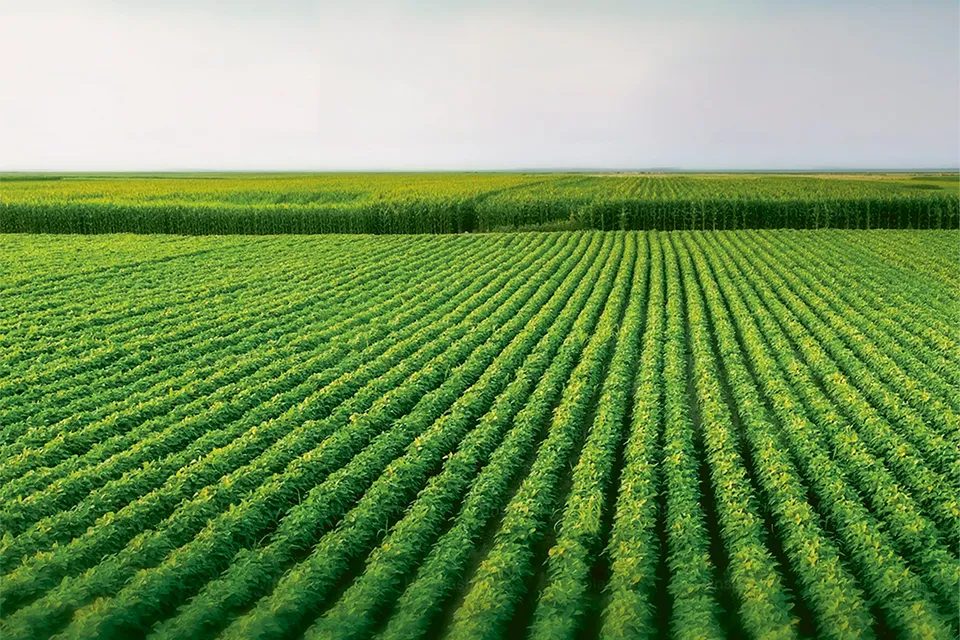
Measuring microfauna in the soil
Soil is essential for healthy growth. It is not just about the nutrients in the soil, but also about soil life. “Soil life determines what kind of host a soil is, and therefore which plants and trees can thrive there,” says Bob Klein Lankhorst of Antonie. The young company is a pioneer in measuring the biological properties of soil, helping to match soil and greenery more effectively.
“Soil is a habitat teeming with life,” says Bob Klein Lankhorst, chief soil officer at Antonie. “We use microscope technology to reveal that life: what lives there, and what does that mean for this soil?”
Microfauna
“Soil life consists of many different types of organisms,” he continues. “The smallest and by far the most numerous are bacteria. Then there are fungi and other micro-organisms. A little larger are the microfauna, some of which, such as tiny spiders and beetles, we can also see above ground. The most common of these microscopic animals are nematodes, which make up around 80% of all animals on Earth. In everyday language, they are called eelworms. These are the animals we focus on.” There are several reasons for this. “The most important is that there are so many of them and they vary greatly. If you understand the different species, you can say a great deal about the functions you can expect from that soil.”
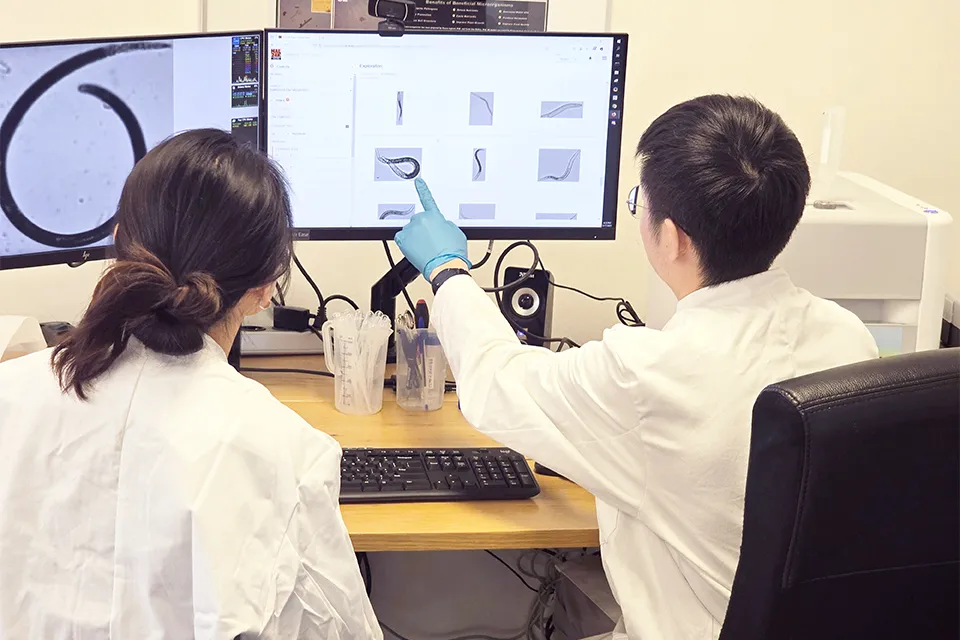
Technology for everyone
Nematodes indicate what kind of host the soil is, and therefore which plants can thrive there. Although nematodes have been known for a long time (they were observed by Antonie van Leeuwenhoek as far back as the seventeenth century, hence the company’s name), it was not previously easy to include them in soil analyses. “Until recently, assessing nematodes required a great deal of time and expertise,” says Klein Lankhorst. “We have automated the microscope and make videos of soil extracts, which we analyse using software with AI. Thanks to this technology, this knowledge is now affordable and therefore accessible to everyone.”
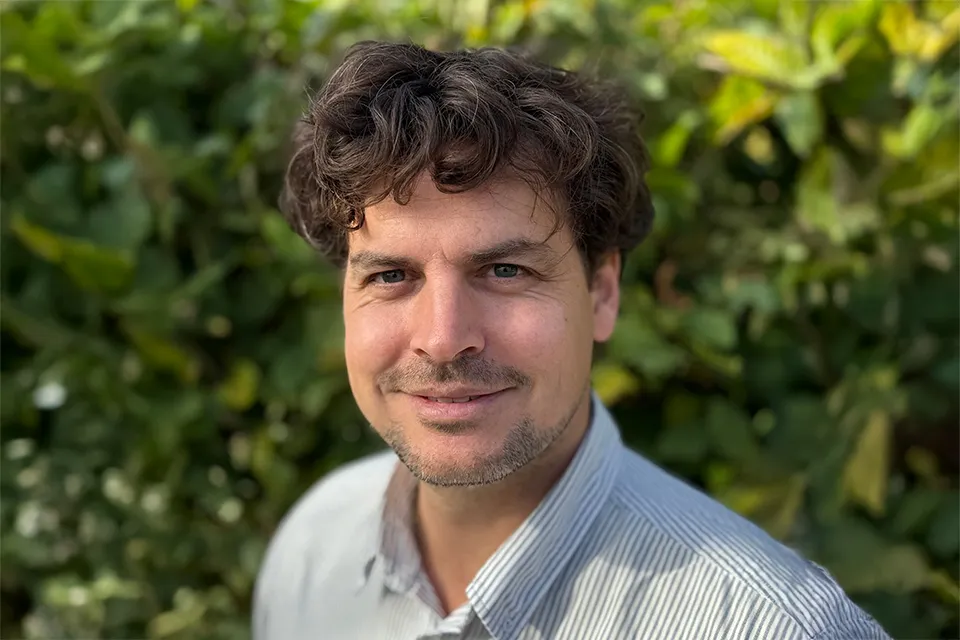
Symbiotic
“We developed this technology because we believe biological data should be used much more in soil analysis. The biological aspect is very important for plants and trees: the relationship between plants and soil life is symbiotic, and a plant only thrives in the right place.
It goes beyond the nutrients in the soil. Soil is often assessed only chemically and physically, by measuring how much phosphorus, nitrogen and other substances it contains. But the chemical composition does not tell you how the soil functions. Soil life is the missing piece of the puzzle. This matching, and the understanding that plants and the ground beneath them develop together, still receive too little attention. If the match is wrong, a tree will not thrive in that location. Our clients in landscaping and agriculture ask us to help them find a better match.” If soil is unsuitable, various interventions are possible. “You can decide to choose different plants, letting the soil determine what can grow well there. You can also improve the soil with high-quality compost. Or you can bring in suitable soil from elsewhere.”
Don’t reject soil
Reusing soil is very important, Klein Lankhorst stresses. “We need to encourage reuse more, and insight into soil life can play a major role in this. At present, soil is assessed in terms of its chemical composition. If there is chemical contamination, the soil is rejected. Of course, if soil is seriously contaminated and poses a risk to public health, it should not be used. But more often, contamination means elevated levels that are not dangerous. Clean soil is currently used to build roadside verges, but the verge then becomes contaminated by traffic anyway. Was that clean soil really necessary? This is what biology can add to the debate: an understanding that soil is more than that. Contaminated soil can teem with soil life that benefits certain plants or trees, and can therefore provide an excellent habitat. When soil is excavated somewhere, let’s take a good look at what it has to offer. This technology allows us to match soil and greenery ever more effectively.”
Buyer Group Grondstromen for circular soil use
The aim of the Buyer Group Grondstromen is to make high-quality use of soil. The group brings together the Ministry of Infrastructure and Water Management, the Ministry of the Interior and Kingdom Relations, provinces, water authorities and municipalities. “For most applications, soil cannot simply be used locally,” explains Simone Houtman, advisor on Socially Responsible Procurement at Rijkswaterstaat. “In practice, the law currently makes chemical composition the decisive factor. What Antonie does is make soil life, and therefore soil vitality, visible. This reveals the biological properties that determine whether soil can be reused. Vital soil is highly suitable for reuse.” Since soil is handled in large volumes, circular soil use can have a huge impact. “If you can reuse soil in the area, you do not have to transport it or bring in other soil from elsewhere. Keeping soil in the region also allows plants and soil to work together. Plants help restore the soil. We need to pay more attention to the biological qualities of soil.”
Question about this story? Ask your question
Keep following this
Get an email when a new story is published. No account needed.
- ThemeSoil and water in balance
- SubjectGeneral







