Spaarnestad seeks space for green: above and below ground
Text Armand LandmanImage Koen van der Lee Fotografie, Jur Engelchor Fotografie, Jurriaan Hoefsmit
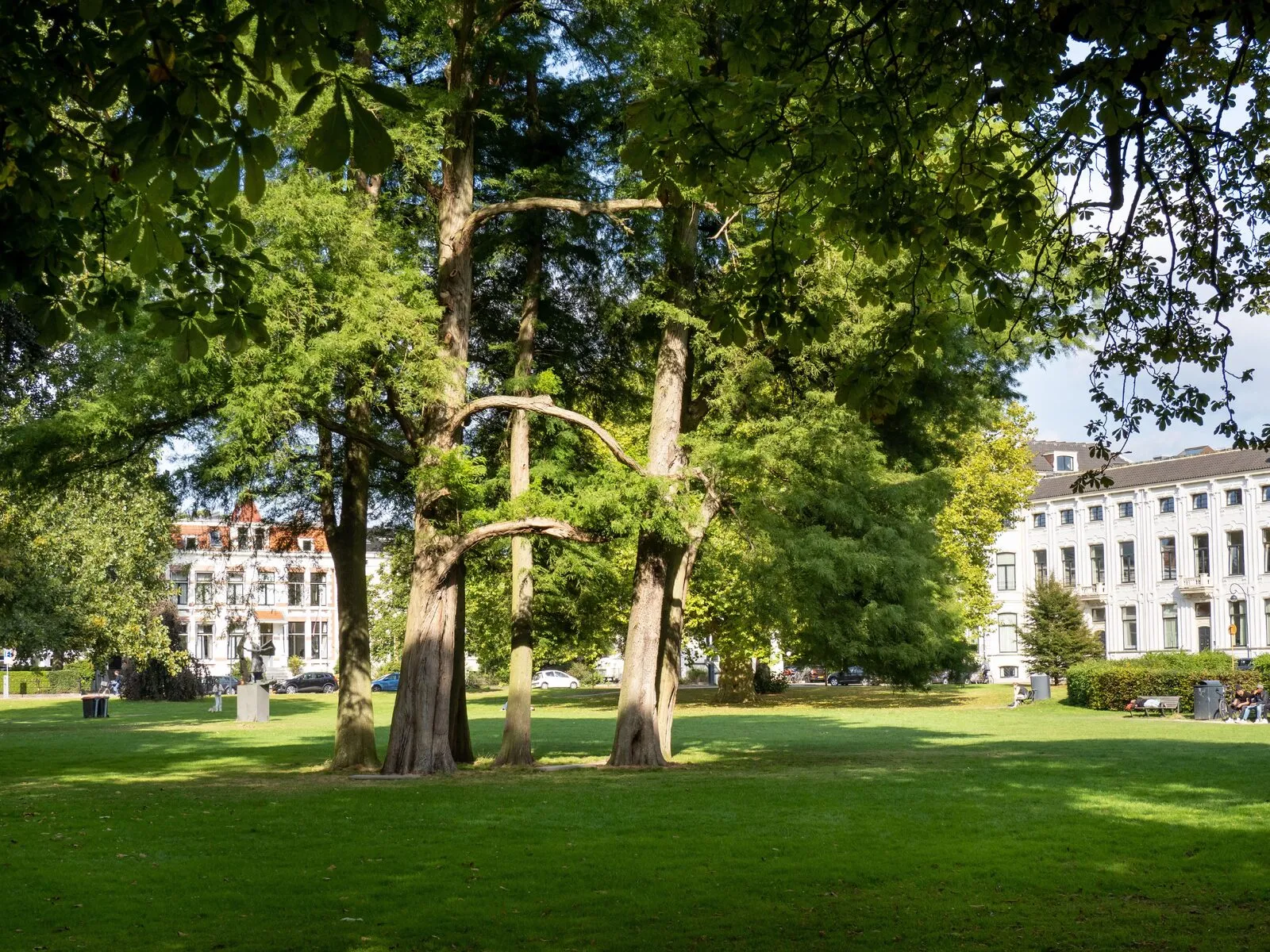
Haarlem is densely built-up, dominated by hard surfaces and almost entirely reliant on urban densification. Yet it was named the most climate-resilient municipality in the Netherlands. This is not just the result of ambitious targets, but above all of an approach that brings together data, management, residents’ initiatives and ecological quality. At the same time, competition for space is becoming fiercer. Below ground in particular, cables, pipes, sewers and district heating networks threaten to constrain the growth of trees and other planting.
Anyone who steps out of the blazing sun and under a mature tree on a hot day immediately understands the benefits of greenery. The street becomes cooler and more pleasant, rainwater can be retained more effectively, and plants and animals gain space to live. Greenery also encourages people to walk, play and meet one another.
Only some of these benefits can be expressed in monetary terms. Installation and maintenance are visible in the municipal budget; reduced heat stress, better health and stronger social cohesion much less so. Making these benefits visible is a challenge facing municipalities across the country. The sector is therefore increasingly examining the relationship between the physical environment, health and the social domain, although no single financial model has yet been developed.
A tight squeeze
In Haarlem, this search is particularly urgent. The city has barely any countryside and can build new homes mainly within its existing boundaries. Some neighbourhoods are among the most paved-over in the Netherlands. Even so, greenery is firmly embedded in the municipality’s strategy. The new executive is continuing this ambition to make the city greener.
The municipality is working to make this ambition measurable. Each year it tracks how much area has been greened, how many trees have been added, and how many swales and green roofs have been created. It also monitors areas under ecological management, water quality, bees and building-dwelling species such as sparrows, swallows and bats.
Tree and green-space potential maps help identify opportunities in the densely built city. They show, down to the level of individual trees, what is already there and where more space could be created, taking account of cables, pipes, waste containers, bus stops and buildings. The solution varies from one location to another. Some sites have room for a tree; elsewhere, green façades, a green roof or nesting facilities make more sense.
More than just numbers
When it comes to trees, it is not just a matter of how many there are. A newly planted tree cannot replace the value of a mature one. The crown of an old tree provides far more shade, cooling and habitat. That is why growing conditions are receiving increasing attention. Without sufficient soil volume, water and root space, a tree remains small and delivers few of the intended ecosystem services.
Species selection also requires a tailored approach. Haarlem aims to use more native planting: around 50 per cent in the city and 80 per cent in nature areas. Native species are the best fit for insects that occur naturally here. But a tree in a hot, paved-over street must also withstand extreme conditions and grow to a substantial size. In some cases, a non-native species may therefore be more functional.
It is at least as important that plants are grown without pesticides. Native plants carrying pesticide residues do little to support insect populations. However, the supply of certified pesticide-free planting material, especially trees, is still limited. By making this requirement consistently, Haarlem and other municipalities are trying to get the market moving.
Greenery brings people together
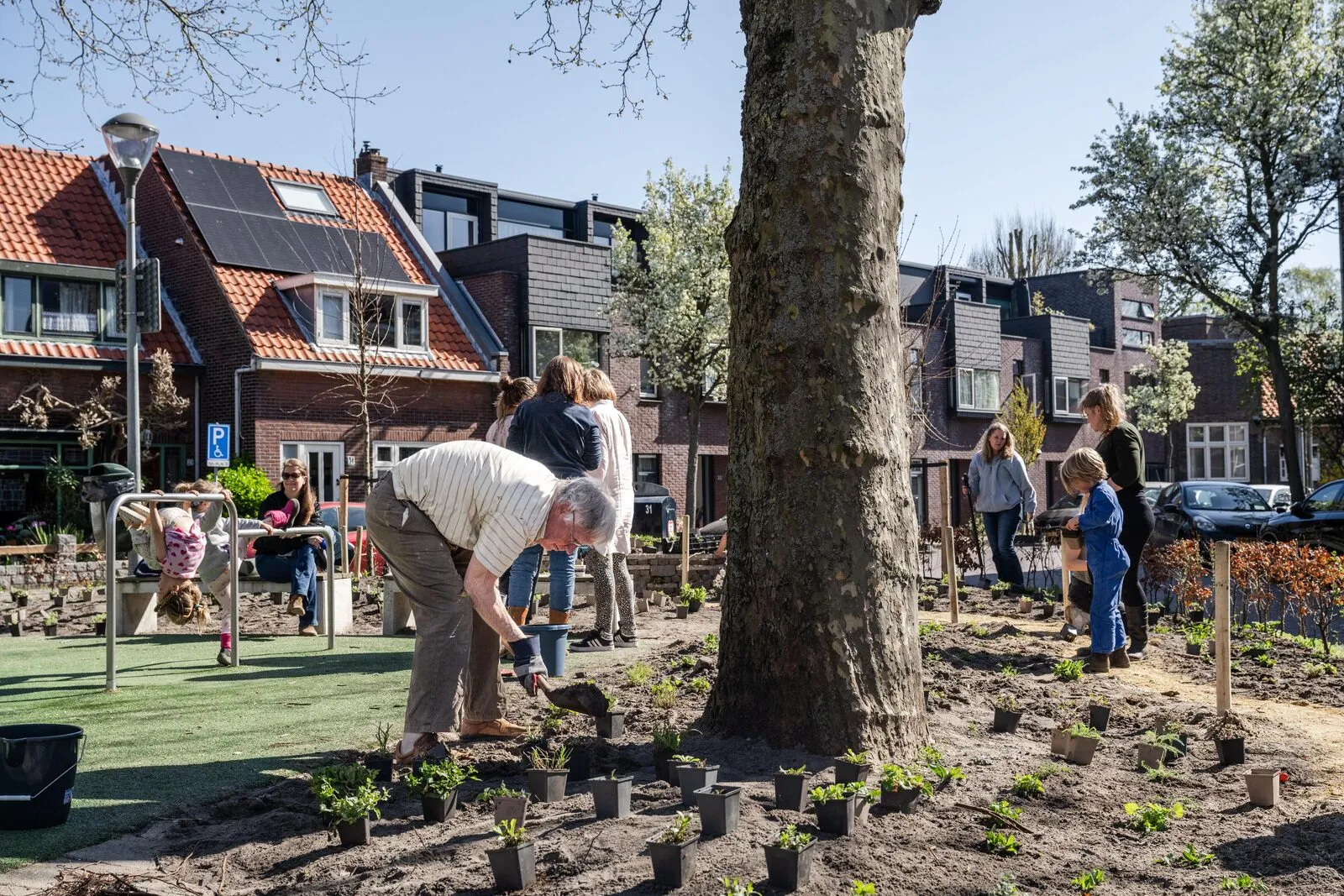
At Pretoriaplein in Haarlem-Noord, hard surfacing gave way to greenery and play space. Residents who had lived opposite one another for years but barely knew each other got to know each other through the joint design and management of the space.
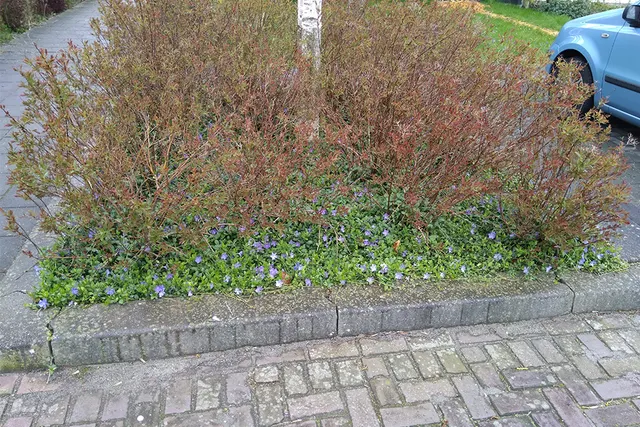
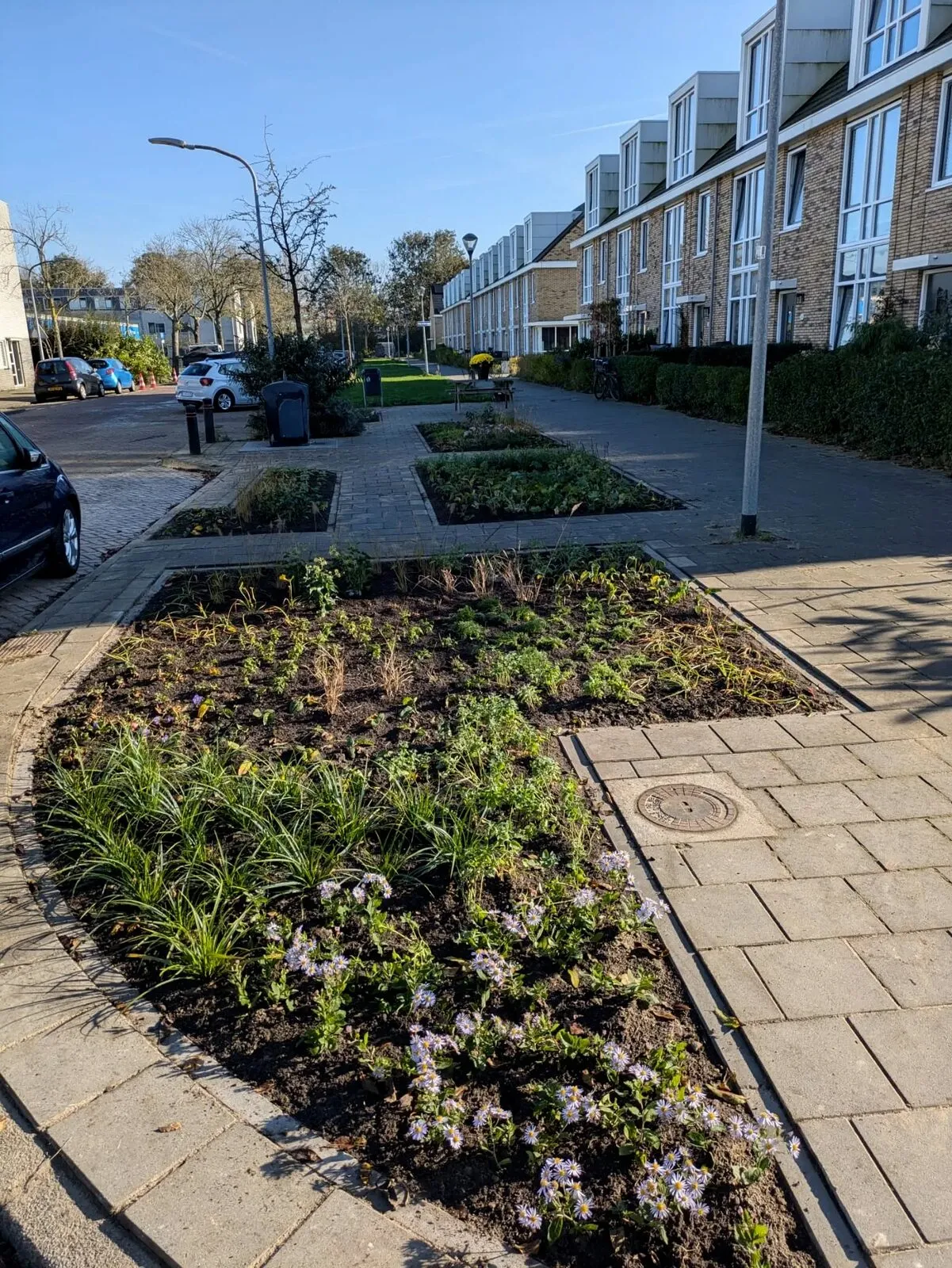
Each year, Haarlem supports three larger green pilot neighbourhoods, with €50,000 per project. Residents can also create front-of-house gardens, plant around street trees and transform areas of hard surfacing through neighbourhood initiatives. The routine practice of hoeing tree pits bare has been abandoned. As a result, public spaces can look more ecological, while remaining accessible and safe for traffic.
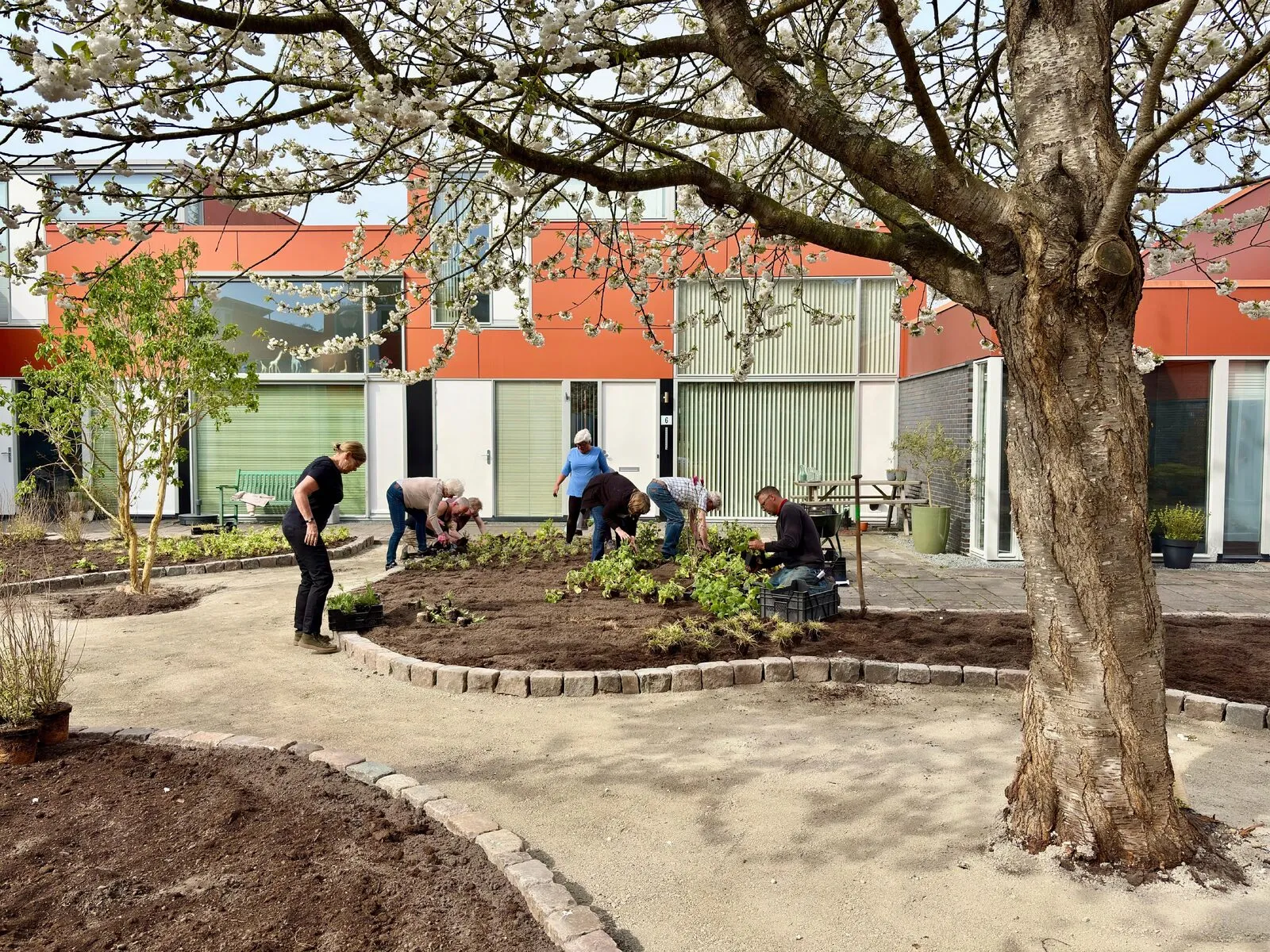
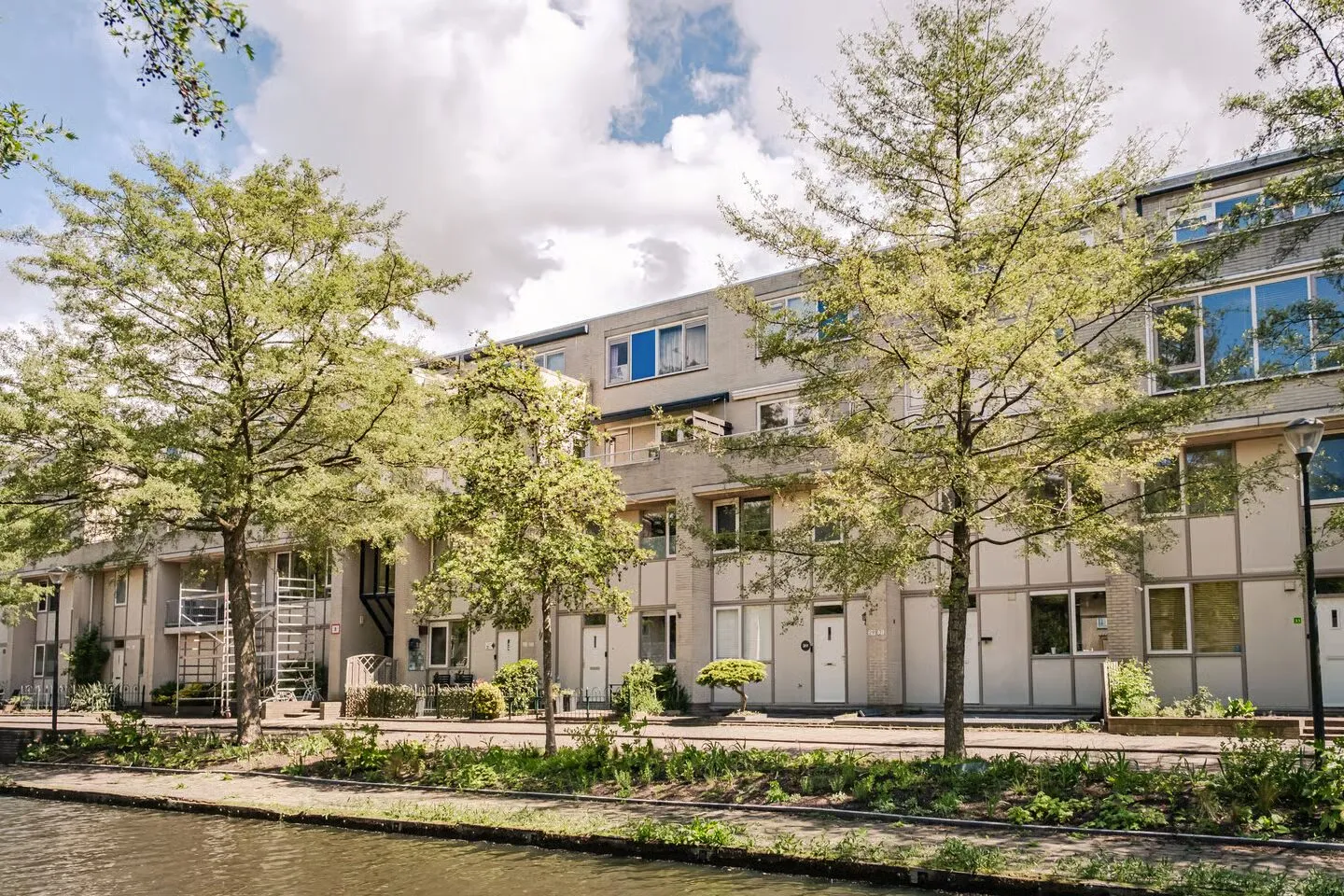
Private land is also crucial. Front and back gardens, courtyards, roofs and yards together cover a much larger area than the municipality can green itself. Every paving slab removed helps store water, provide cooling and create a network of stepping stones for insects. Housing associations also have a role to play. The Dudoktuin in Parkwijk shows how a green courtyard at social housing can boost biodiversity, the quality of the space and opportunities for people to meet.
Competition below ground
The biggest challenge ahead is likely to lie below ground level. Sewers need replacing, electricity grids need reinforcing, and cities are gaining new cables, heat pipes and transformer kiosks. The cumulative effect is to limit space for tree roots and green infrastructure.
This is not a problem unique to Haarlem. Almost all municipalities are dealing with underground space where competing public interests are crowding one another out. Haarlem is trying to combine works: when a street is opened up for sewer works, the municipality considers whether other infrastructure can be included and cables better consolidated. However, different parties work to their own schedules, rules and timescales. This makes coordinating works easier said than done.
Greenery must therefore be included early in projects. Timely surveys can help preserve trees or prepare them for transplanting. Waiting to green an area until every future route has been finalised is not a solution; these processes can take years. The challenge is to organise underground space so that trees can also grow old there.
In twenty years, Haarlem should be less paved, cooler and more biodiverse, with mature trees that have developed broad crowns. Their value does not show up fully on the balance sheet, but it is felt every day: in health, liveability, social interaction and a city better equipped to withstand heat and rain.
This article was produced with contributions from green strategist Marie-Thérèse Tetteroo-Mathijsen and tree adviser Jessica Ruijs of the municipality of Haarlem.
Question about this story? Ask your question
Keep following this
Get an email when a new story is published. No account needed.
- SubjectPublic green spaces