‘A city is not a natural environment’
Text Nolanda KlunderImage Arjan van der Veen
Lelystad
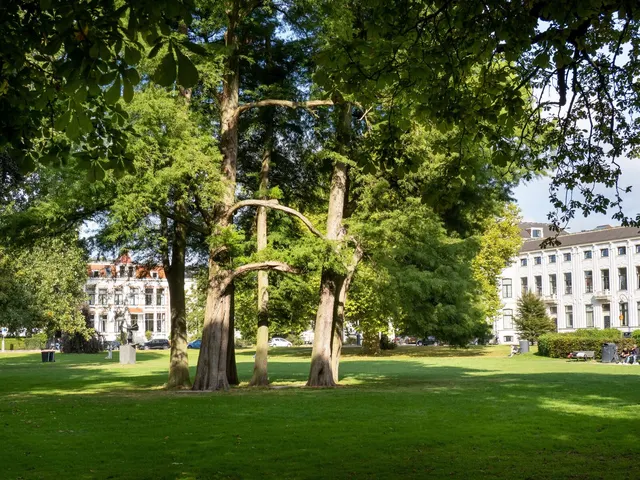
Ecologically designed and managed green spaces bring nature into the city, but a city is not a natural environment, explains city ecologist Arjan van der Veen. “A city differs from its surroundings in its soil, climate and water management. That is why it needs different plants.”
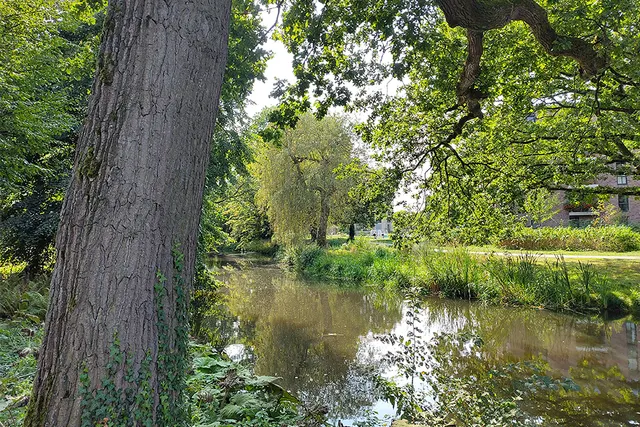
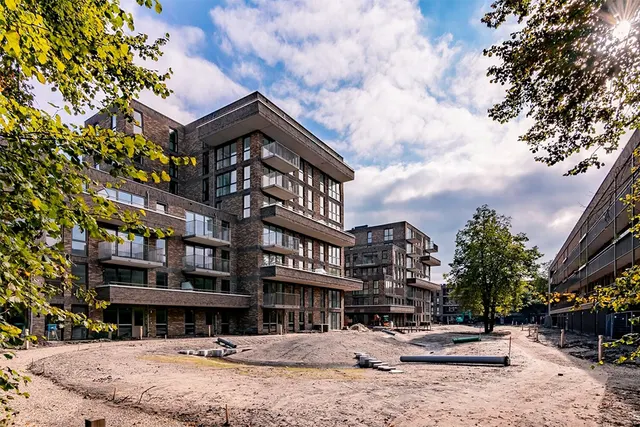
For Arjan van der Veen, city ecologist at the municipality of Lelystad, a city is ‘an artificial rock in the lowlands’. “Cities resemble steep rocky terrain, with towering stone formations and valleys of greenery and water in between,” he explains. “Because there are no naturally occurring rocky areas in our delta, this is an entirely artificial landscape. The understanding that a city is not a natural environment shapes the vision of which plants belong there.”
Cities are different
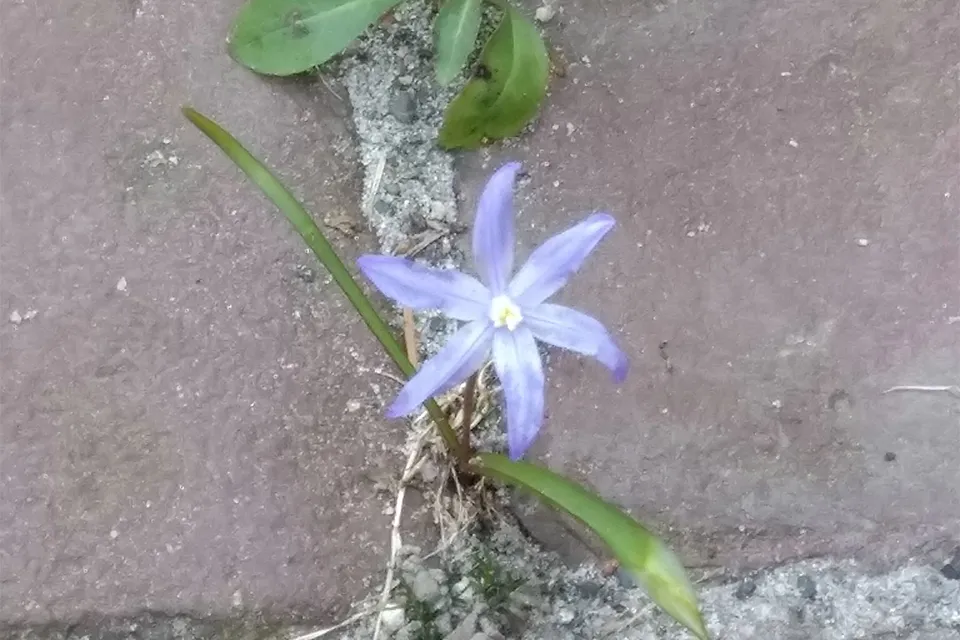
“Soil, climate, water management: all of these are different in a city from the surrounding area,” he continues. “Take the soil: it is much more calcareous in cities because rain washes lime from the concrete and mortar of buildings into the ground. This means different plants thrive there. So in a city, you can very well choose non-native species: for example, species brought in from mountainous areas elsewhere, which can cope with the urban climate.”
Non-native species
Van der Veen distinguishes between the city and its surroundings. “In a city, choosing non-native species can work very well, possibly in combination with native species. Outside the city, native planting is preferable, in keeping with what naturally belongs there. Although we should not forget that climate change is happening quickly, and even faster in the Netherlands. Species found around a thousand kilometres further south are probably better suited to the new climate.” Would choosing native species be better for insect populations? Van der Veen replies: “You cannot simply say that non-native species are of no use to insects. For example, a German study into the effects of different perennial species on wild bees showed that a Macedonian scabious, widely planted here as an ornamental, was valuable to a particular bee species. Not every species has very specific preferences.”
Ecological green-space management
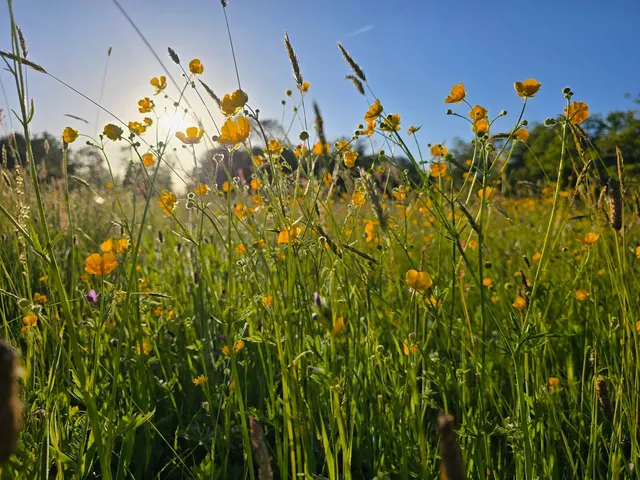
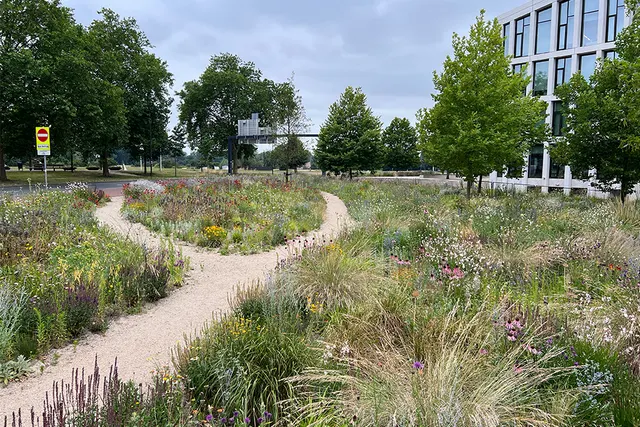
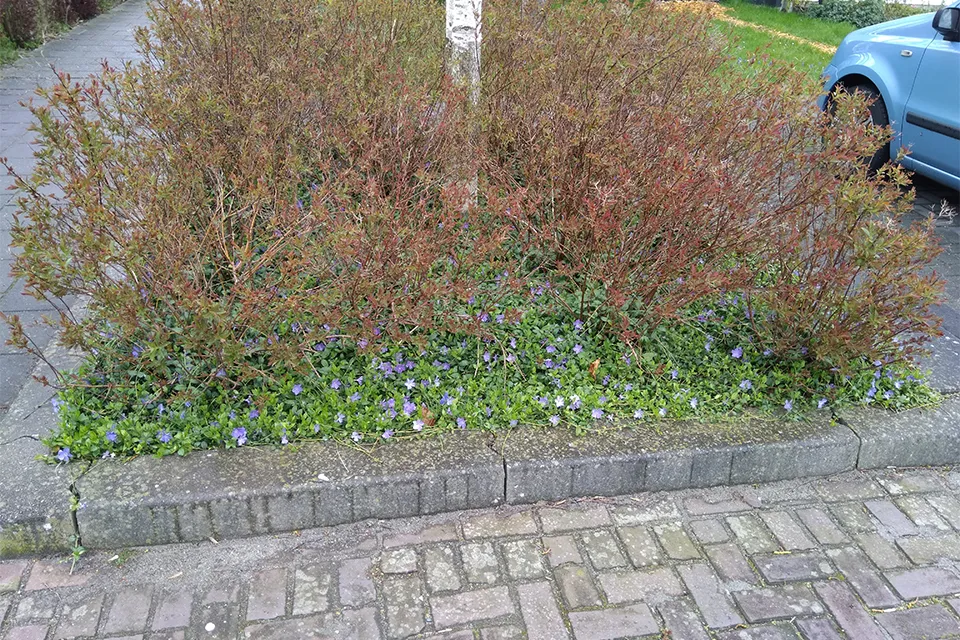
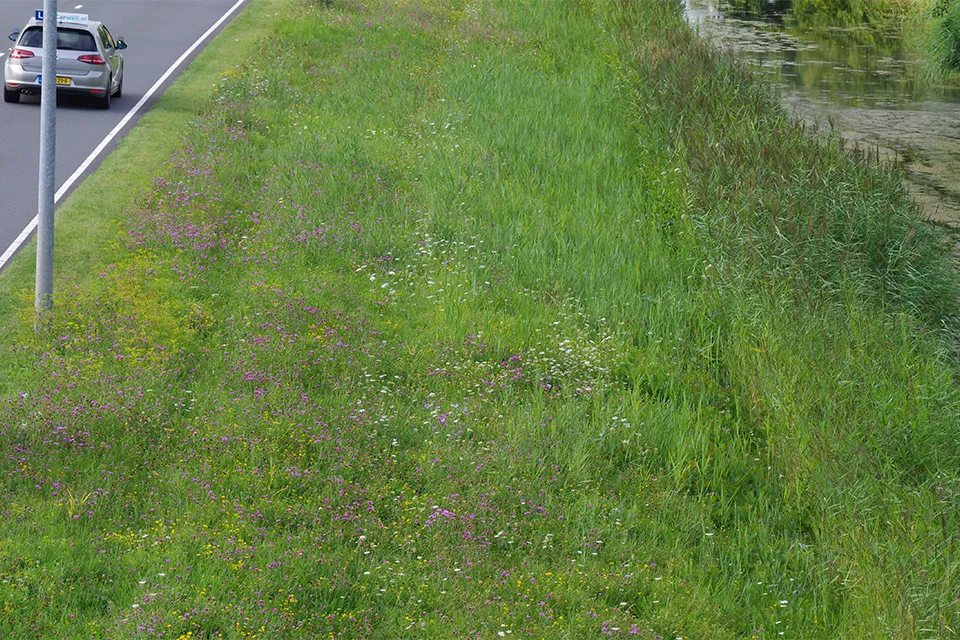
When it comes to designing urban green space ecologically, Van der Veen points to the importance of varied planting beds. “Create vegetation by combining species in a single bed, for example by planting lesser periwinkle beneath shrubs. A dense, layered bed is attractive to look at, less prone to disease and pests, and much less labour-intensive to maintain because there is no need to hoe. It also benefits more species. Various mammals, such as hedgehogs and polecats, also find planting beds attractive. Polecats, in turn, keep mouse and rat populations in check.” It often takes green-space professionals and residents time to get used to the different appearance of green spaces and the different maintenance they require. “We no longer mow road verges and footpath edges short. But we still mow the first metre alongside the road, which leads to far fewer complaints from residents. Keeping this strip short is useful anyway, because growth that is too tall right up to the edge makes the road look narrower and creates a risk of ticks for people walking past.”
Migration routes included in the Environmental Vision
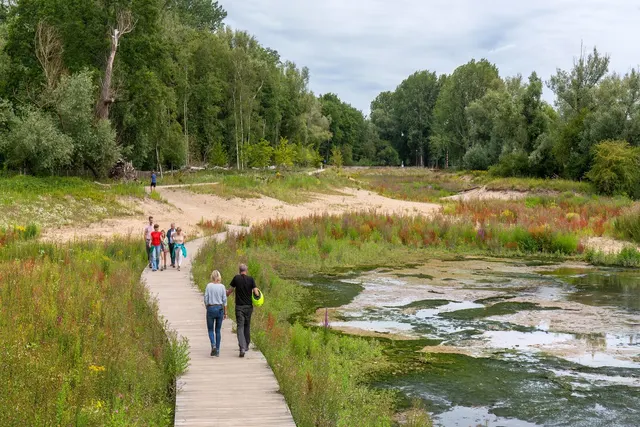
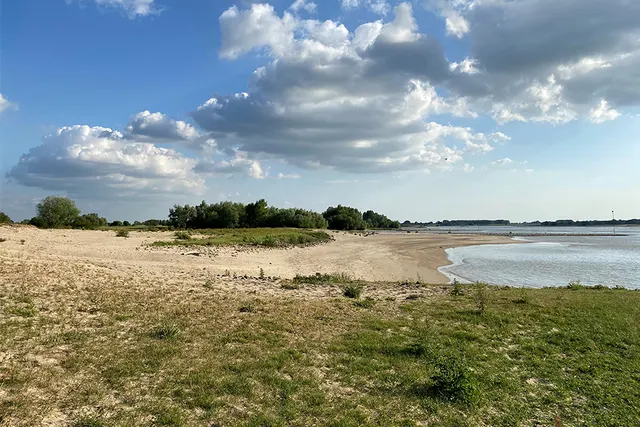
An ecological approach to urban green space also calls for something else: an understanding that the city is part of a bigger whole. “Bats and birds follow established migration routes. Nathusius’ pipistrelles, for example, use the Enkhuizen-Lelystad dyke to cross the IJsselmeer. Small songbirds use the IJsselmeer dike to navigate on their route from Scandinavia southwards and back. This needs to be taken into account when placing wind turbines and planning major construction projects. There were plans for a building with large windows facing the dike. If it had been built, something would have had to be done to prevent birds from crashing into the windows and dying during seasonal migration. Fortunately, the entire project was cancelled. I had these migration routes included in the Environmental Vision. We may therefore be the first municipality in the Netherlands to include them in its Environmental Vision.
Once you start thinking about this, you can go further: you can strengthen the routes with scrub.” In short, says Van der Veen: “The city is not a natural environment, but it does play a role in the surrounding nature. Be aware of what it borders and what it is part of.”
Question about this story? Ask your question
Keep following this
Get an email when a new story is published. No account needed.
- SubjectPublic green spaces