Hazardous vapours and batteries each require their own safety measures
Text Carolien KleesImage Asecos
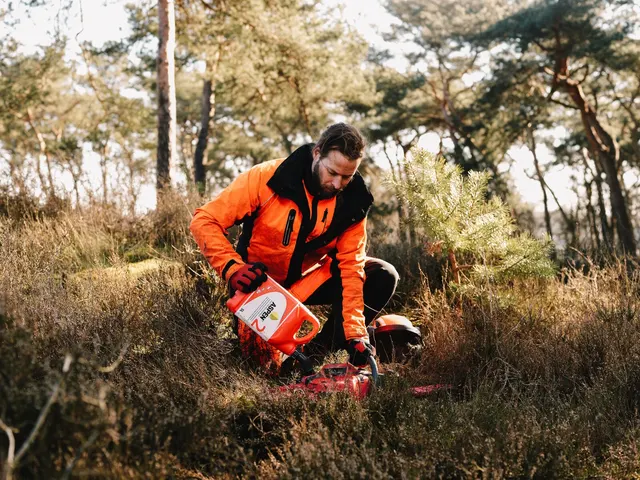
Petrol, cleaning products, plant protection products and batteries: a green-sector business often has a range of potential hazards in close proximity. A safety cabinet offers protection, but only if its layout and ventilation are suited to what is stored inside. Opened containers and batteries being charged outside working hours require particular attention. Henk Niewenhuis, director of Asecos, explains how ventilation, detection and alarms help keep risks under control.
Risks posed by hazardous substances and lithium-ion batteries must be included in the RI&E. PGS 15 and PGS 37-2 provide frameworks for packaged hazardous substances and lithium-containing energy carriers, respectively. Asecos is the market leader in safe storage solutions for hazardous substances. With safety cabinets, ventilation solutions and air purifiers, the company helps create a safe working environment.
Whether a storage cabinet needs mechanical extraction depends on the substances present and how they are stored. "When assessing the risk, three concentration ranges can be distinguished: below the lower explosive limit, between the explosive limits and above the upper explosive limit. Below the lower limit, the mixture is too lean; above the upper limit, it is too rich. Only between those limits can an ignition source cause an explosion. That is the most dangerous situation."
If only unopened containers are stored, the likelihood of vapour formation is negligible. The situation changes as soon as containers have been opened. Residue on the outside, a leaking cap or damage can be enough to create a hazardous vapour-air mixture inside the cabinet.
"You then need to assess what those vapours mean for employees and the surrounding environment," says Niewenhuis. Under certain conditions, flammable vapours can form an explosive mixture with air. Harmful vapours also pose a health risk. The measures taken must therefore reflect the RI&E and the nature of the substances being stored.
Targeted ventilation
For mechanical ventilation, Niewenhuis says, the ten air changes per hour required by the EN 14470-1 standard are an important benchmark. For aggressive and toxic substances, Asecos recommends a considerably higher air change rate. "Exposure is not always immediately noticeable. The effects on health may not become apparent for years," he warns.
The presence and quality of ventilation affect the ATEX zone classification in and around the cabinet. NPR 7910-1 provides guidance on identifying these hazardous zones.
Diagonal airflow
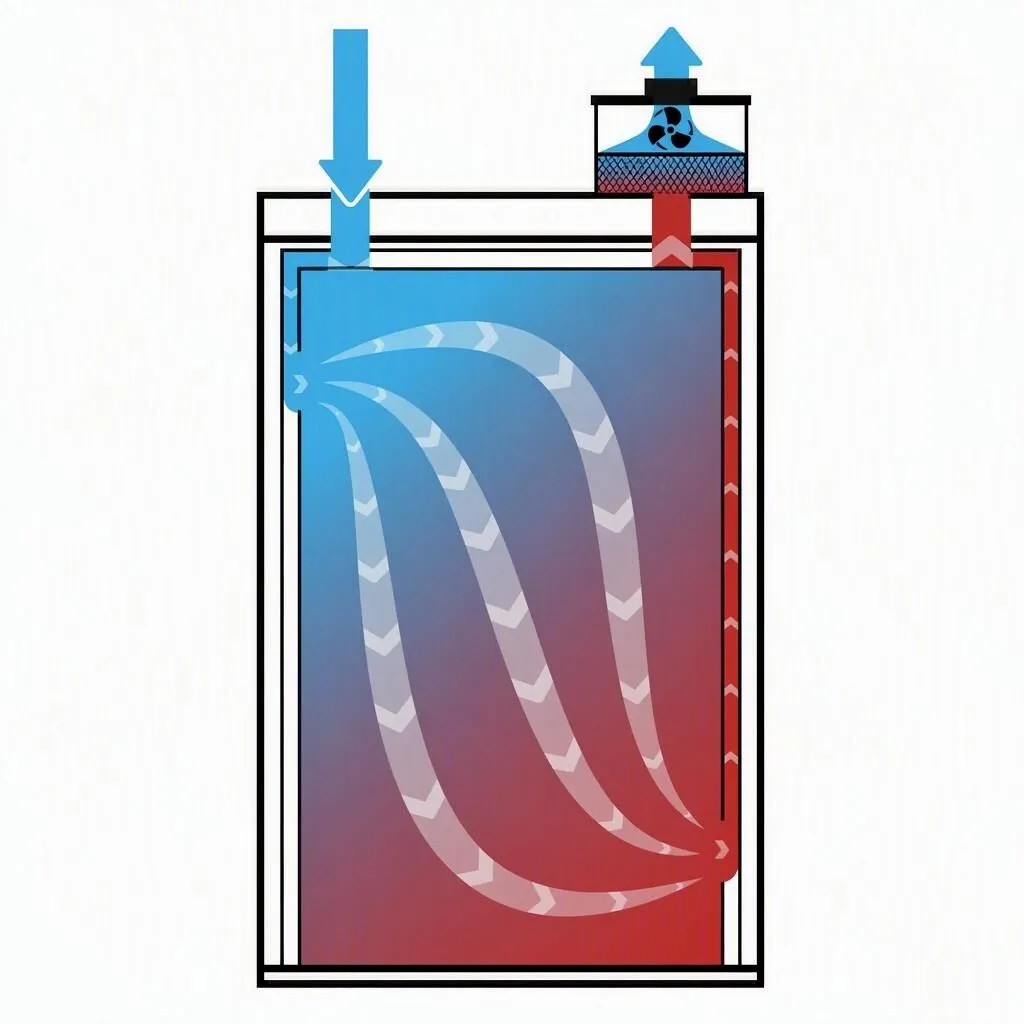
Asecos safety cabinets draw air in at the top left and extract it at the bottom right, creating a diagonal airflow. Many vapours are heavier than air and collect at the bottom of the cabinet. This is precisely where extraction takes place. Niewenhuis stresses that the ventilation grilles must be kept clear. "A box or large container placed in front of a grille can severely impede air circulation."
The extracted air is discharged outdoors or filtered through a suitable recirculation system. Removing vapours also reduces the risk of hazardous concentrations building up in the immediate vicinity when the door is opened.
Lithium-ion batteries
Lithium-ion batteries require a different approach. Batteries for leaf blowers, hedge trimmers, chainsaws and lawnmowers are often charged after working hours. Electric machines also frequently use lithium-ion technology. Normal charging generally releases few substances, but it does generate heat. If that heat builds up, the temperature inside the cabinet can continue to rise. In an unfavourable scenario, this can contribute to thermal runaway, in which a battery continues to heat itself and may eventually ignite.
Insurer's request
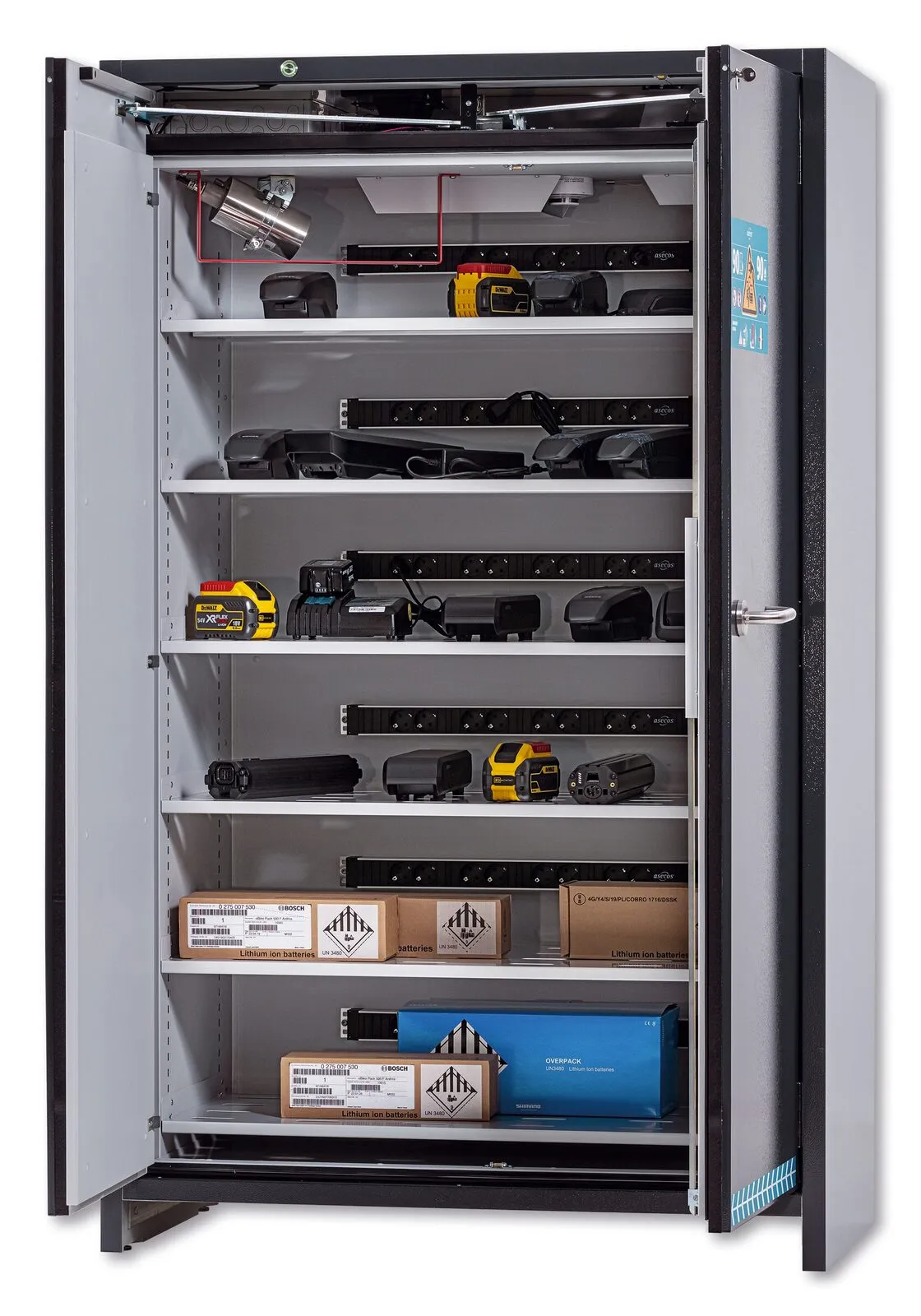
Asecos's ION-LINE cabinets combine ventilation with smoke and temperature detection. The first alert is triggered at 50 degrees and the second at 60 degrees. Depending on the configuration, the signal can be forwarded to an alarm receiving centre, building management system or contact person.
"Insurers increasingly want batteries to be charged under supervision. Forwarding an alert in this way can help avoid additional labour costs. After all, batteries are often charged in the evenings and at weekends," Niewenhuis concludes.
Een zakelijke vraag aan Asecos? Get in touch
Companies in this story

Keep following this
Get an email when a new story is published. No account needed.
- ThemeCleaner and safer working
- SubjectMachinery & equipment
- CompanyAsecos