A highly cost-effective biological control product
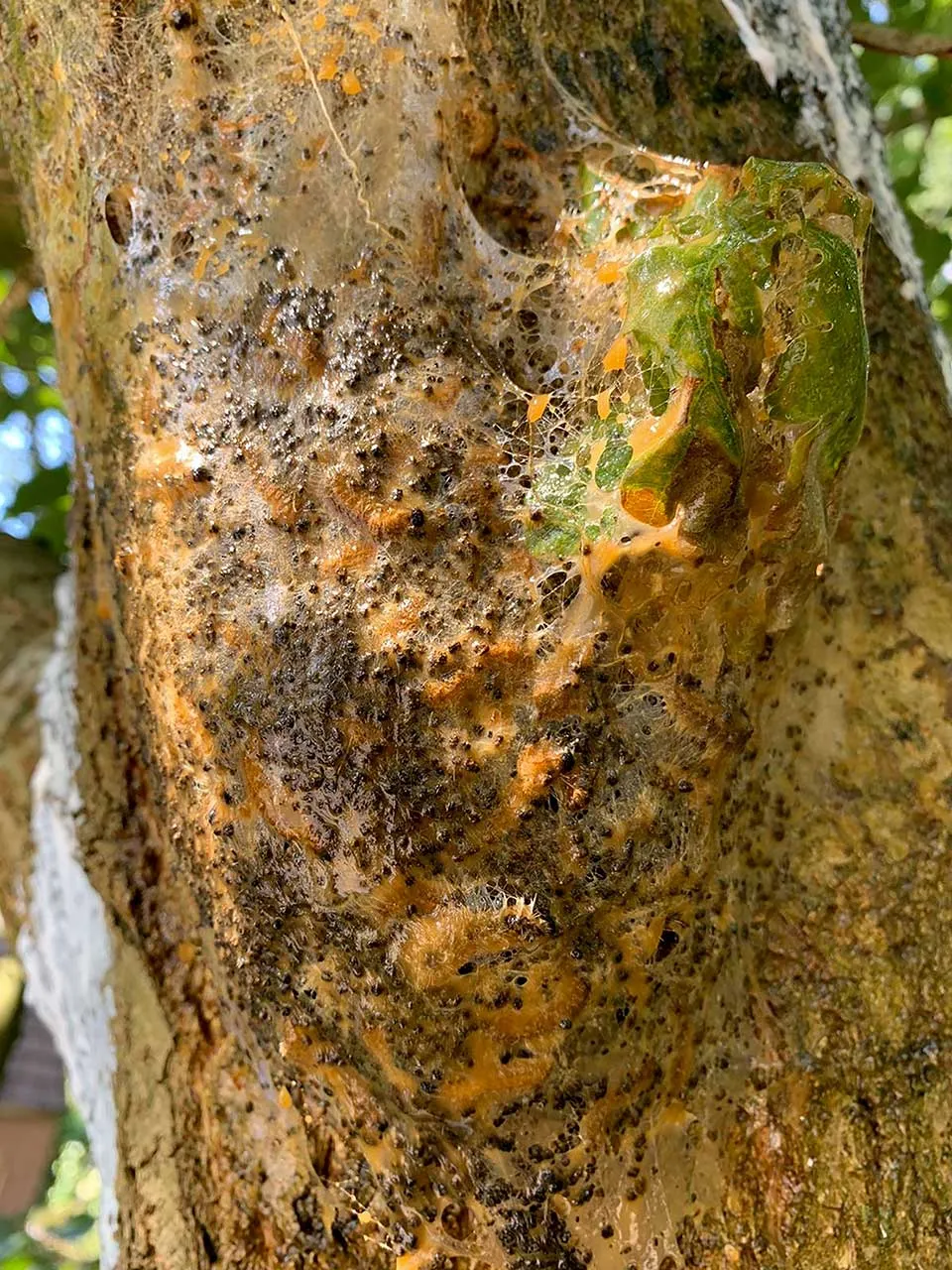
Oude IJsselstreek municipality is going all in on Catefix to control oak processionary caterpillars.
The treated nests provide a food source for insects and birds, and treatment causes no collateral or environmental damage whatsoever. According to director and co-owner Maurice van Gaalen, these are Catefix’s key benefits. “It is a 100% natural control product for nuisance caused by oak processionary caterpillars. Oude IJsselstreek municipality is convinced and is going all in on Catefix to control these nuisance-causing caterpillars.”
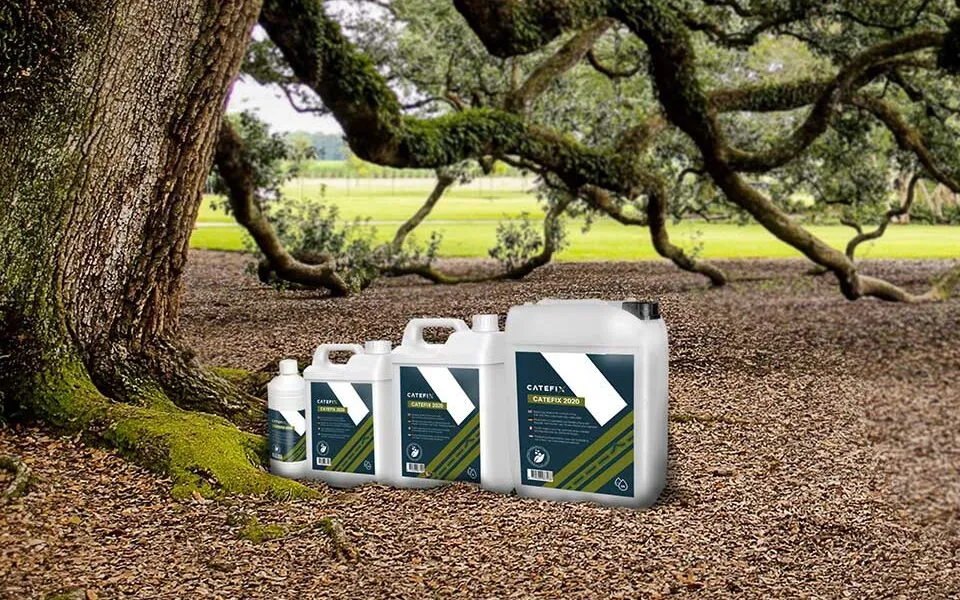
Catefix works in a simple way. Van Gaalen: “It is made from renewable raw materials and has been specially developed to eliminate the nuisance. Our starting point is that the nest does not need to be removed after treatment: a fast, sustainable and efficient solution. Catefix is made exclusively from natural, plant-based and renewable raw materials. It is non-toxic and contains no solvents, plasticisers or heavy metals. Once applied, it penetrates the entire nest, forming a hard fixing layer that does not stick. The nest is completely sealed, so the urticating hairs no longer cause any nuisance.”
Various holiday parks, campsites and municipalities are already reporting positive experiences. Tree manager Kristian Ebbers of Oude IJsselstreek municipality: “We were looking for a biological alternative for controlling oak processionary caterpillars, and Catefix stood out. We began a trial and were so pleased with the results that we continued with it this year. The main advantage is that you can treat a nest without complicated equipment; the nest stays in place and no longer causes a nuisance. No further treatment is needed.”
Van Gaalen: “Municipalities are struggling to invest; they have no money. That is another reason to use our product. With a conventional method, treating a nest can easily cost €20, whereas with Catefix they can save up to €16. So Catefix is very attractive financially too.”

The fixed nests turn out to provide a food source for birds and insects. Van Gaalen: “Researcher Lars Rodrigues of Poel Bosbouw wanted the University of Osnabrück to establish what happened to the nests, caterpillars and urticating hairs after treatment. But it turned out they had all been eaten by birds and insects. Apparently, they served as a feeding site.” Ebbers: “I looked carefully at the composition beforehand to make sure it would not harm the environment, and trees in particular. I inspected the underlying bark tissue and it looked very healthy. I’m convinced!”
Catefix is relatively new. Van Gaalen: “The best-known options are control using nematodes, vacuuming, or biological control using tits or natural enemies, combined with sowing flower mixes. With Catefix, we fix the nest when the caterpillars are clustered together, immediately eliminating the nuisance caused by the urticating hairs.”
Ebbers: “We also carry out remedial treatment ourselves, with a contractor vacuuming up the nests for us. The great advantage of Catefix is that we can now also deal with daily reports ourselves. We drive to the location, assess the situation and, if the nest is within reach, treat it straight away. Our only limitation was that we couldn’t reach high enough. So we bought a unit mounted on the back of our vehicle: a tank, a pump, a 50-metre hose and a lance that lets us treat nests up to seven metres high.” Van Gaalen: “The problem is solved: it’s biological, safe for people and the environment, and very cost-effective too. We will continue to develop the product in collaboration with Oude-IJsselstreek municipality.”
Question about this story? Ask your question
Keep following this
Get an email when a new story is published. No account needed.
- ThemeNature-friendly green space management
- SubjectMachinery & equipment