Focus on the environment, ergonomics, efficiency and financial viability
Text Ramona KezerImage Briggs & Stratton Netherlands
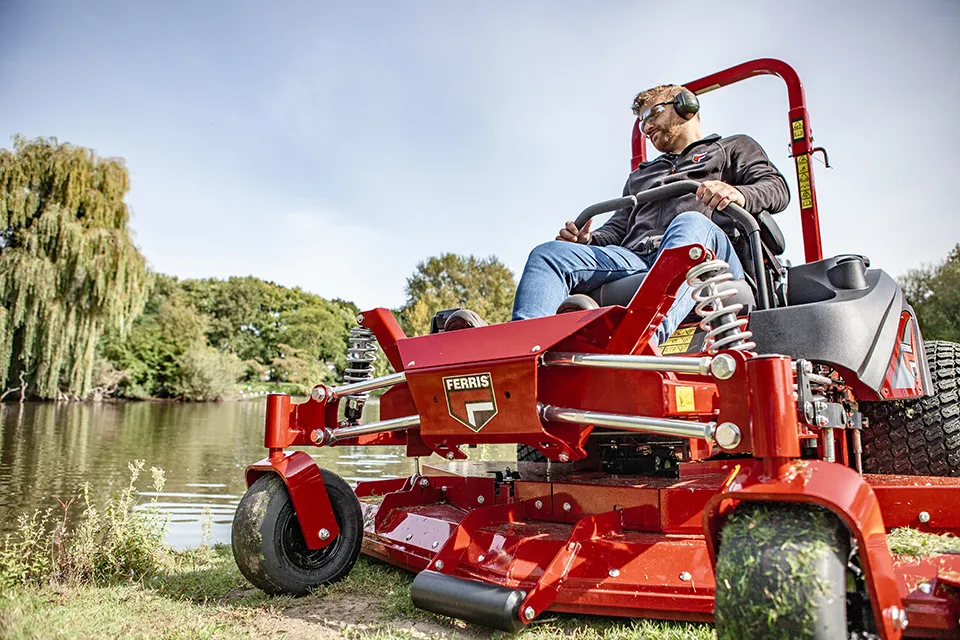
‘The market is increasingly shaped by legislation and regulations,’ says Gerd-Jan Driessen, sales manager for the Ferris brand in Europe at Briggs & Stratton Nederland. ‘The question is whether green-space professionals can meet all these requirements and still achieve a sufficient margin.’
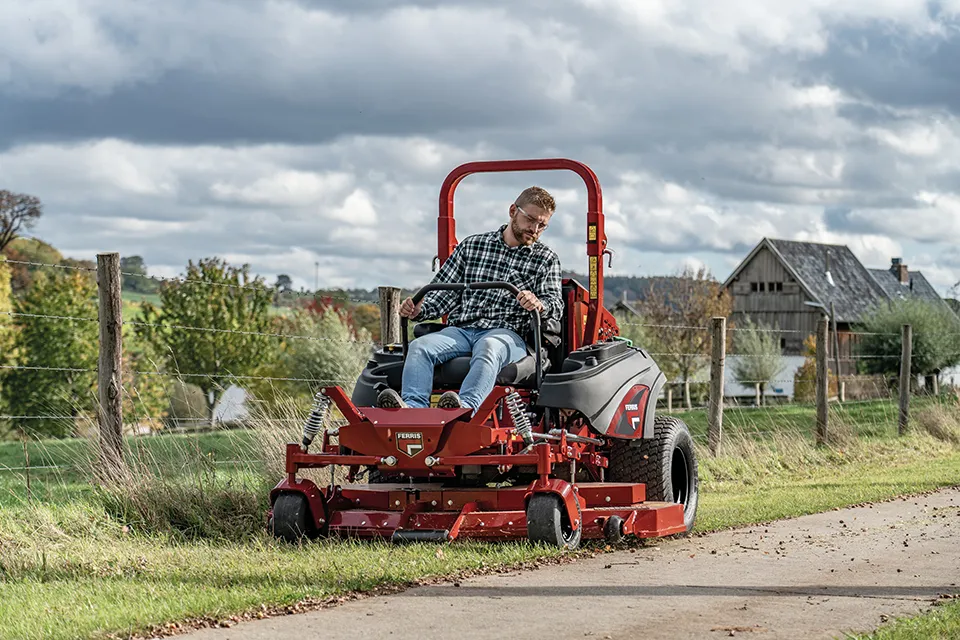
Ferris offers a range of twelve zero-turn mowers for light to heavy professional use. Driessen represents the brand in 19 countries and seeks to build long-term relationships based on mutual trust. He has seen the market change in recent years. “The market used to be driven by the end user; in recent years, it has been driven by legislation and regulations. Requirements for machine emissions, ergonomics and working conditions are becoming increasingly stringent. These are also areas of focus for Ferris, not only to meet future legislation, but because we consider them important.”
Production determines the final cost
Procurement policy in the Netherlands is based on European regulations. Driessen notes that the number of requirements and specifications keeps growing, while meeting them is not always physically or financially viable. “For example, ask the average contractor or fleet owner exactly what a machine costs per hour or per employee. They rarely give a satisfactory answer, because there are so many variables, including depreciation, maintenance intervals, energy consumption and labour costs. The most important factor is how much work can be completed in a given time, because that determines the final cost. And with a lawn mower, there are other variables too, such as mowing speed and cutting width.”
Driessen therefore senses that companies are still unsure about the direction to take when replacing machinery. The government is steering towards electrification, but battery technology is advancing rapidly. As a result, it is still unclear what an electric model will be worth in five years’ time. Driessen says: “There are different ways of achieving the same goal. Who says electrification is the answer to reaching zero emissions? An electric version costs at least twice as much to buy, and who is going to pay for that? In most cases, it is the person operating it, the contractor. We are increasingly seeing companies opt out of tenders because margins are already too tight. Of course, we will also add an electric version to our range, because the market is asking for one. But we are also exploring other options.”
If the sole aim is to reduce CO2 emissions, HVO100 diesel could also be a solution, Driessen believes. This alternative diesel, made from used cooking oil, is said to cut CO2 emissions by 90%. “It is a sustainable alternative. Commercial vehicles in Finland and Lapland have been using it for years. One advantage is that the fuel is consistently high in quality, even in extreme cold. Existing engines do not need to be modified and suffer less wear. The only drawback is that it costs a little more per litre than conventional diesel.”
The sales manager therefore does not understand why Europe is steering solely towards electrification, particularly given the current problems with the electricity grid. “We do not deny that harmful emissions must ultimately be reduced to zero, but those who have to pay for it need more options. At the end of the day, what matters is what you have earned. If there is too much uncertainty, people are forced to stop. And if there is no profit, there is no investment either.”
Ease of use and ergonomics
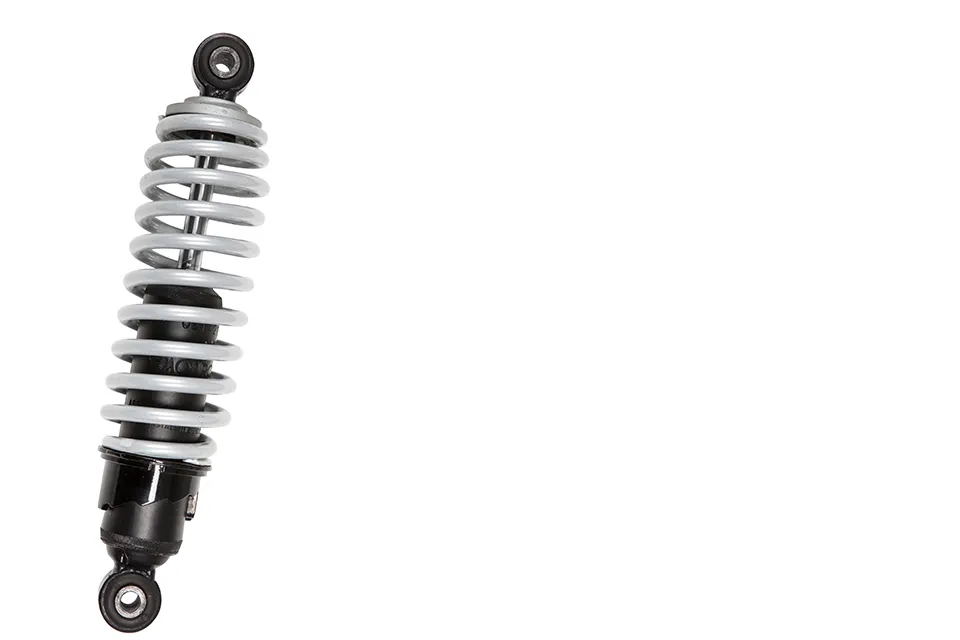
Ergonomics is another important consideration for the garden and park sector. Ferris has combined 64 patents in its Suspension system. It reduces the strain on the operator and is designed to keep the mower stable over uneven ground. This delivers an even cut, even over bumps and dips. All Ferris mowers are zero-turn models, but the range includes several types: ride-on, walk-behind and stand-on models, as well as a remote-controlled mower. Driessen says: “Ease of use and ergonomics come first across all our models. This reduces both the physical and mental strain on the user. When you get tired, you lose focus and start making mistakes. Making mistakes with a machine this large can lead to damage. And being able to work comfortably for longer boosts productivity.”
Ferris zero-turn mowers are in the higher price bracket, but Driessen says they pay for themselves through efficiency. “On average, any additional cost is recouped after 300 to 500 working hours. A professional user puts in around 800 hours per season. And climate change is making the season longer too.”
Safety
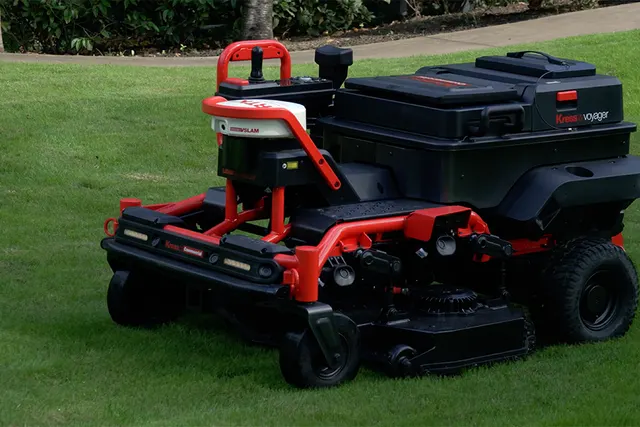
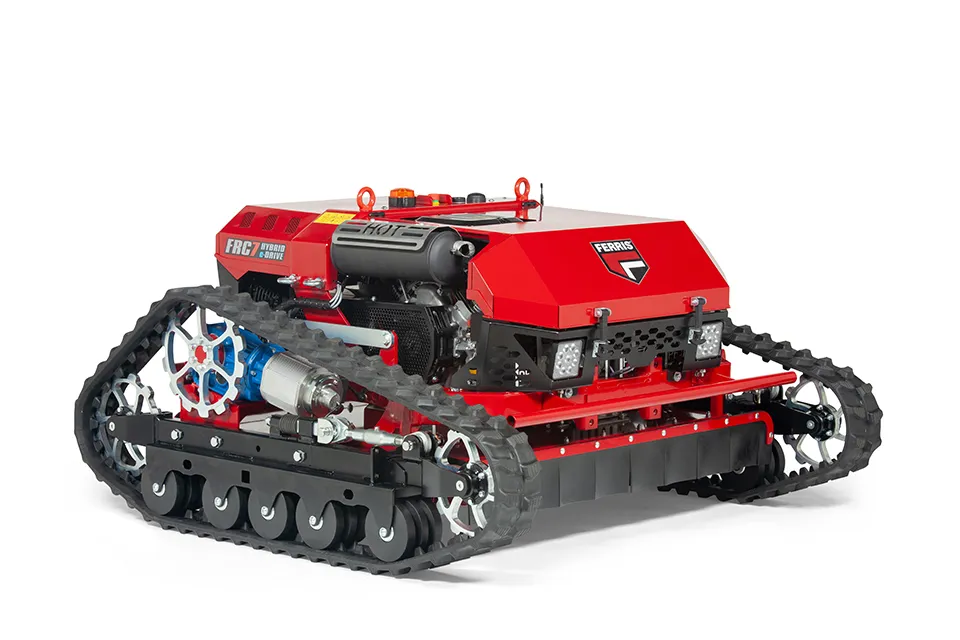
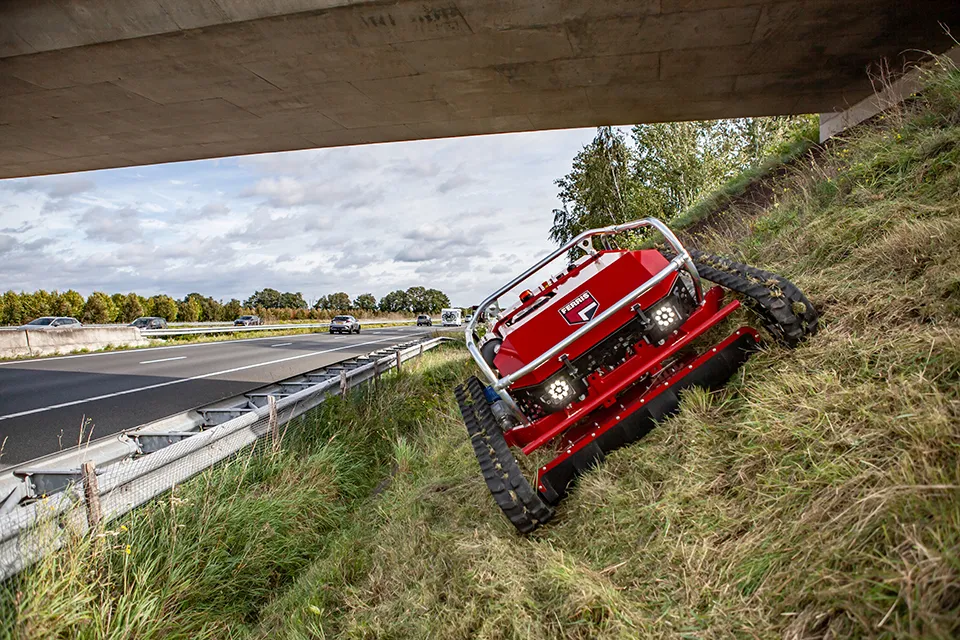
Ferris’s latest addition is the remote-controlled FRC7 mower. It is ideally suited to public green-space management, for example mowing along wadis, embankments and dykes. “Under European safety regulations, conventional mowers may be used on slopes of up to 15 degrees, while specialist mowers can handle slopes of up to 30 degrees. Most embankments in the Netherlands are already around 35 degrees, which has often meant using a tractor with a mowing arm. A remote-controlled mower is an alternative. Our FRC7 can mow both forwards and backwards. This avoids damage caused by turning and prevents surface erosion. That is particularly desirable on, for example, dykes.”
Safety is paramount. The operator stands at a safe distance from the mower, making it well suited to hazardous locations such as around ponds, steep drops or motorway slip roads. The mowers are also ideal for areas with long grass, for example places that are mown less frequently to allow nature to reclaim the area and improve biodiversity. The hybrid machine has both a combustion engine and a generator: it travels to the work site on electric power and mows with assistance from the engine. Driessen says: “This system has many advantages. The electric motors provide constant drive, so the mower responds without (hydraulic) delays and the risk of losing a track is low. The blades are also driven electrically, meaning there is no need for an expensive PTO clutch that is prone to wear in long grass.”
Question about this story? Ask your question
Keep following this
Get an email when a new story is published. No account needed.
- SubjectMachinery & equipment