Practice and prevention with the right tools
Text and images STIHL
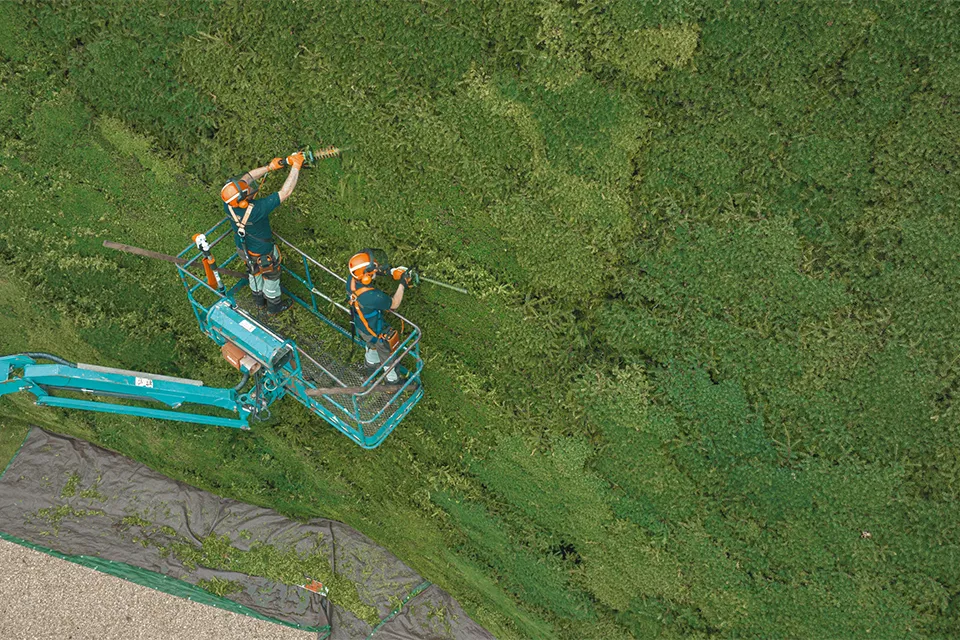
A healthy hedge is much more than a green screen. It is a living ecosystem, a buffer against wind and noise, and an aesthetic feature that brings a sense of calm to any garden. But, like any living structure, a hedge is vulnerable to disease. Fortunately, there is a way to turn that vulnerability into strength: with knowledge, dedication and the right tools, such as those from STIHL.
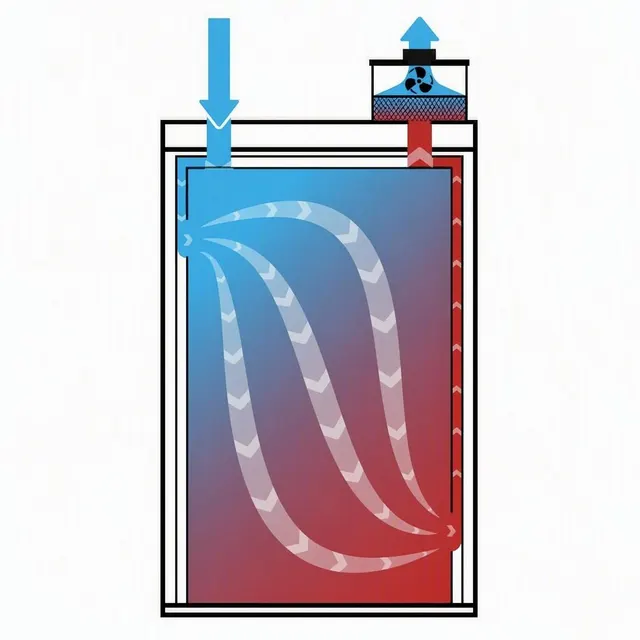
Common problems such as powdery mildew, leaf spot and root rot are often caused by a combination of factors: poor ventilation, too much moisture or incorrect pruning. Understanding these causes and tackling them directly can help prevent a great deal of trouble.
What should you look out for?
• Regular pruning with sharp, well-maintained machines,
• Watering correctly, preferably at the roots,
• Applying enough fertiliser, but not too much,
• Choosing the right plant for the right place.
Precision and power in nature’s service
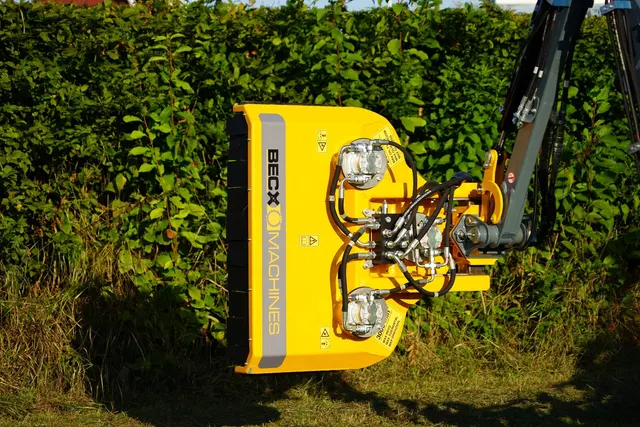
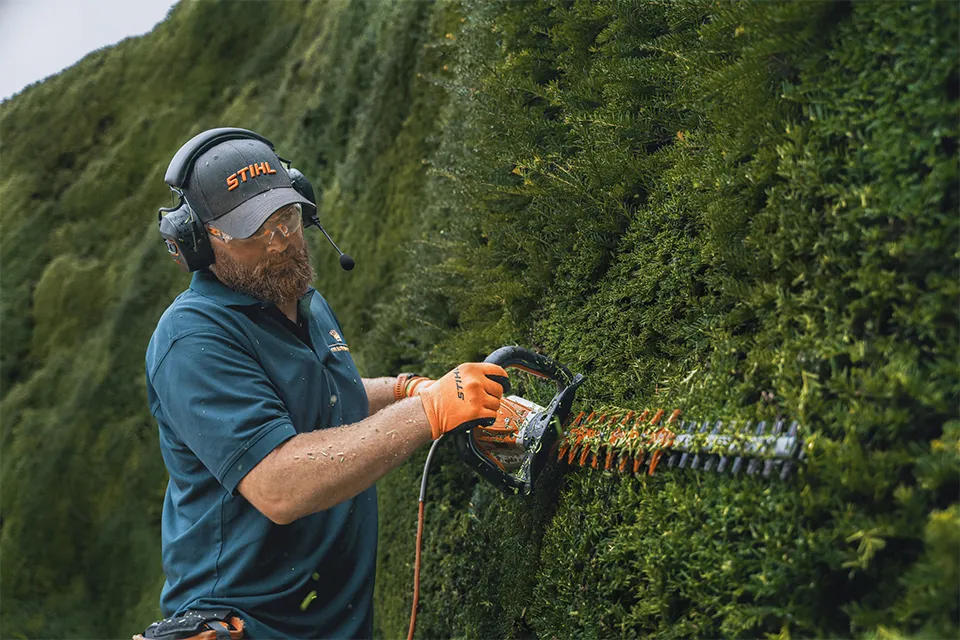
A well-pruned hedge is more open, stronger and less susceptible to fungal diseases. With STIHL cordless hedge trimmers, you can work quietly, powerfully and with great precision. Their ergonomic design means you can work comfortably, even during longer pruning sessions. For taller or hard-to-reach hedges, telescopic models combine safety with reach.
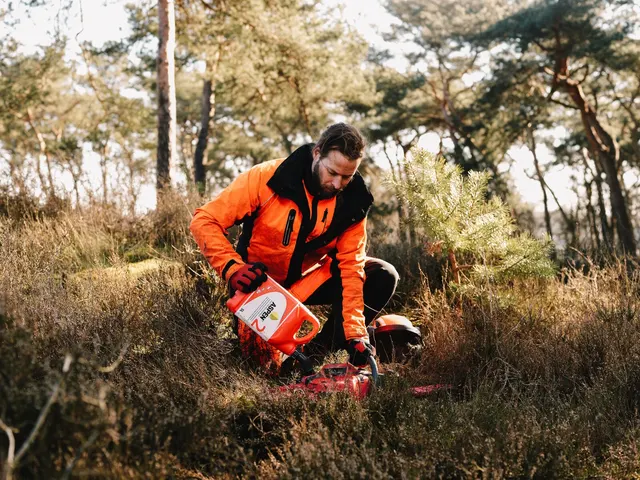
STIHL also offers maintenance products to keep your machines in top condition, which is essential for preventing the spread of disease via tools.

The biggest threats?
1. Unhygienic tools: Pruning blades that are not properly cleaned can spread harmful organisms such as bacteria and fungi, including Phytophthora, which causes root rot. The risk increases when tools are used at multiple locations without being cleaned in between.
2. Climate stress and pests: Climate change is exposing hedges to extreme weather conditions more often. Prolonged drought and higher temperatures weaken plants, making them more susceptible to infection. A clear increase in fungal diseases has been observed at Bathurst Estate, partly due to changing environmental conditions.
3. Physical damage: Careless pruning or broken branches can cause wounds that provide entry points for pathogens. This is why correct pruning with sharp, properly adjusted tools is essential.
4. International plant trade: Importing plants carries the risk of introducing new pests and diseases. This calls for vigilance and quarantine procedures when planting new stock.
Bathurst: where prevention pays off
A large-scale hedge project was carried out in a public park in Bathurst, England, where cherry laurel and privet were planted as a natural screen. The famous 14-metre-high, 120-metre-long hedge is the world’s tallest yew hedge in the Guinness Record Book.
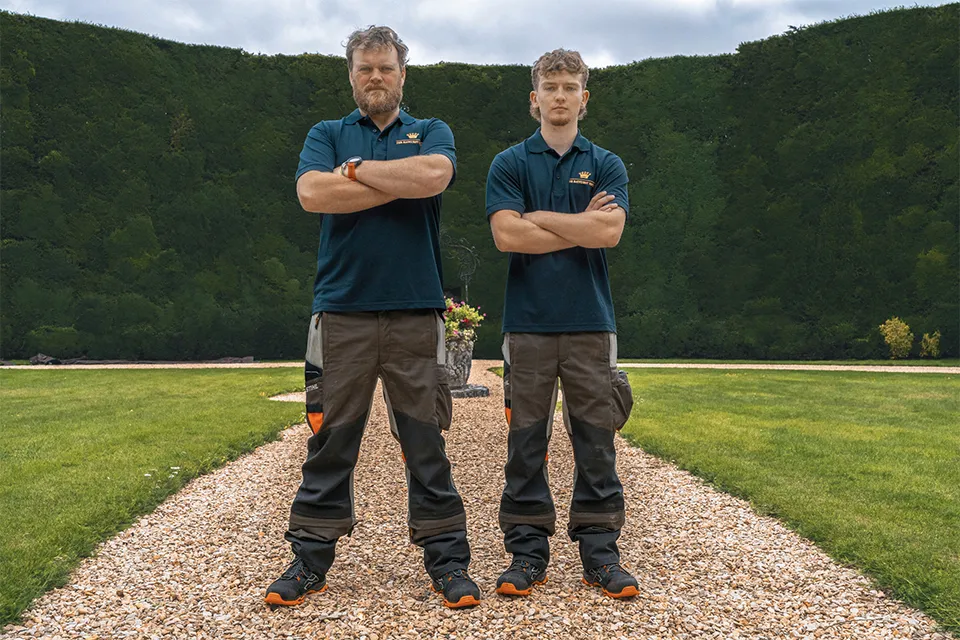
The historic yew hedge, planted in 1720, is pruned every year in the first half of August. This intensive maintenance takes around ten days and requires an experienced hand. During pruning, forester Iain Garett and head forester Oliver Murray keep a close eye on the hedge. They check for signs of damage, such as fungal infections or physical damage, which could undermine the vitality of this centuries-old plant. For a hedge more than 300 years old, regular maintenance is crucial to preserving both its distinctive appearance and its health.
Part of the hedge was affected by chlorosis, a yellowing of the needles caused by a local nutrient deficiency. Regular inspections and prompt corrective measures helped prevent further damage. This highlights the importance of proactive management and swift intervention.
Modern technology can support this traditional craft. The first step is shaping the hedge with powerful STIHL cordless hedge trimmers, which deliver a precise, even finish. A mobile elevating work platform is used to prune the higher sections, allowing the work to be carried out safely without damaging the hedge structure. The STIHL HLA 135, a 2.49-metre cordless hedge trimmer with a cutter bar that adjusts through 145 degrees, makes it possible to work on the top of the hedge comfortably and efficiently. After pruning, the branches are carefully cleared away using STIHL cordless blowers, leaving the hedge clean and able to recover optimally.
Keep your hedge healthy
What Bathurst demonstrates applies to your garden too: prevention is the best protection. The secret to a healthy hedge lies in care and dedication. With STIHL machines in your hands, that dedication pays off: a hedge that is not only attractive, but also strong, vigorous and built to stand the test of time.
A business enquiry for Andreas STIHL NV? Get in touch
Companies in this story

Keep following this
Get an email when a new story is published. No account needed.
- SubjectMachinery & equipment
- CompanyAndreas STIHL NV