The bridge between ATVs and UTVs
Text Kris VandekerckhoveImage Polaris
Compact, simple and surprisingly complete
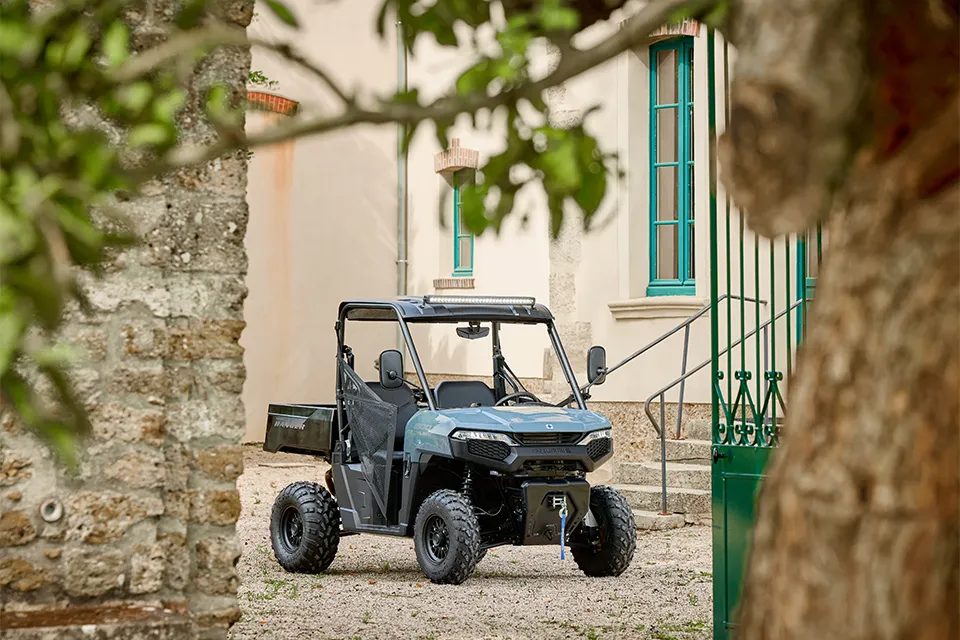
With the launch of the new Ranger 500, Polaris is making a clear play for a group that has often been overlooked until now: users who want the benefits of a UTV but do not have the budget or need for a larger, more expensive machine. At an international press event at Hectar, the agricultural innovation centre south of Paris, GREENPRO had the chance to put the newcomer through its paces.
According to Polaris, the Ranger 500 is not a stripped-back version of an existing model, but a strategic product with a clear place in the range. It is aimed primarily at owners of smaller farms, riding schools, grounds maintenance businesses and land managers looking for an affordable, compact work machine.
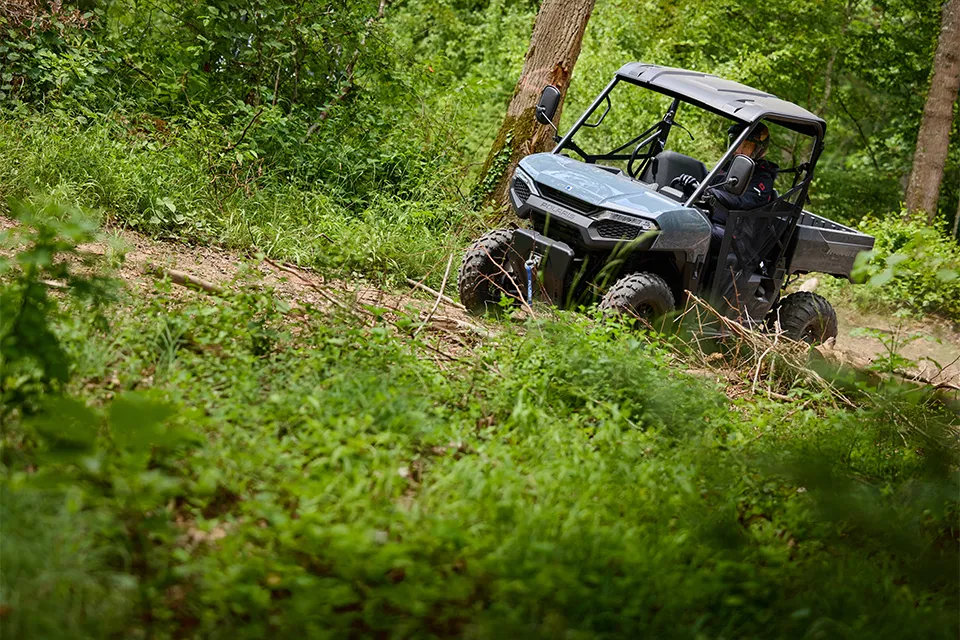
Moving from ATV to UTV
Jim Clarke, Regional Director Central Europe at Polaris, emphasises that the Ranger 500 is primarily responding to growing demand from the ATV market. “Customer research shows that many ATV users would like to switch to a side-by-side vehicle, but are put off by the higher purchase price of larger models,” Clarke explains. With a keen target price, Polaris is deliberately positioning the Ranger 500 as an entry-level model in the UTV segment.
The brand aims to bridge the gap between traditional ATVs and the more comfortable UTVs, which offer extra protection from the elements and greater load-carrying and transport capabilities.
Compact size, full working capability
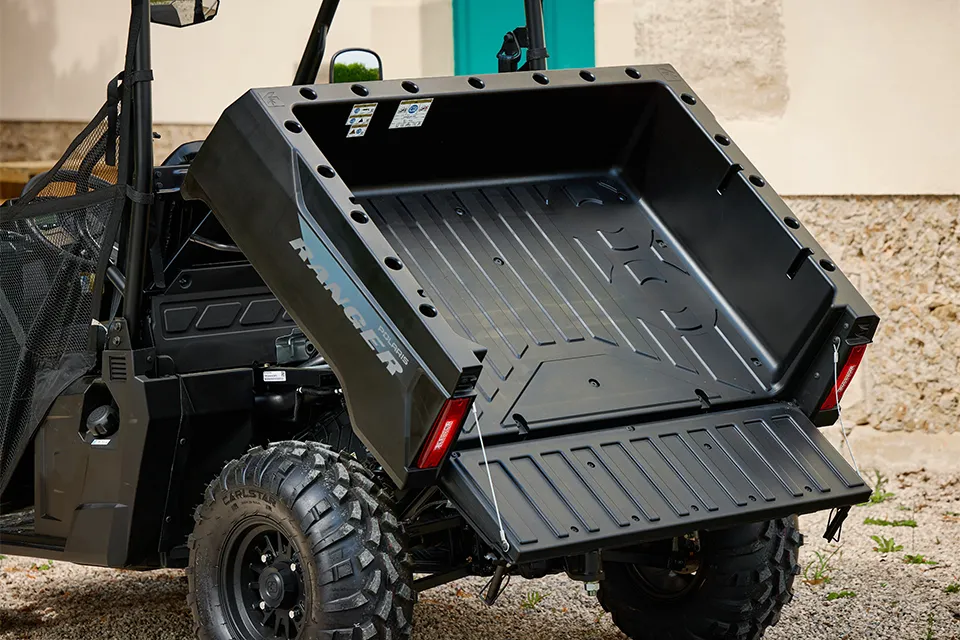
Despite its compact dimensions, at less than 1.5 metres wide, the Ranger 500 has more than enough capability for many professional users. Its cargo box can carry up to 227 kilograms of material, while a towing capacity of 680 kilograms makes it possible to move trailers, implements or material carts.
Power comes from a 567 cc ProStar single-cylinder petrol engine, tuned for low-rev torque. This should bring benefits, particularly for towing, tackling slopes and transport tasks. During the practical tests, its manoeuvrability stood out. The Ranger 500 feels right at home on narrow paths, between buildings and in tight spaces. This makes it an interesting option for businesses where larger UTVs are often simply too bulky.
Simplicity as the starting point
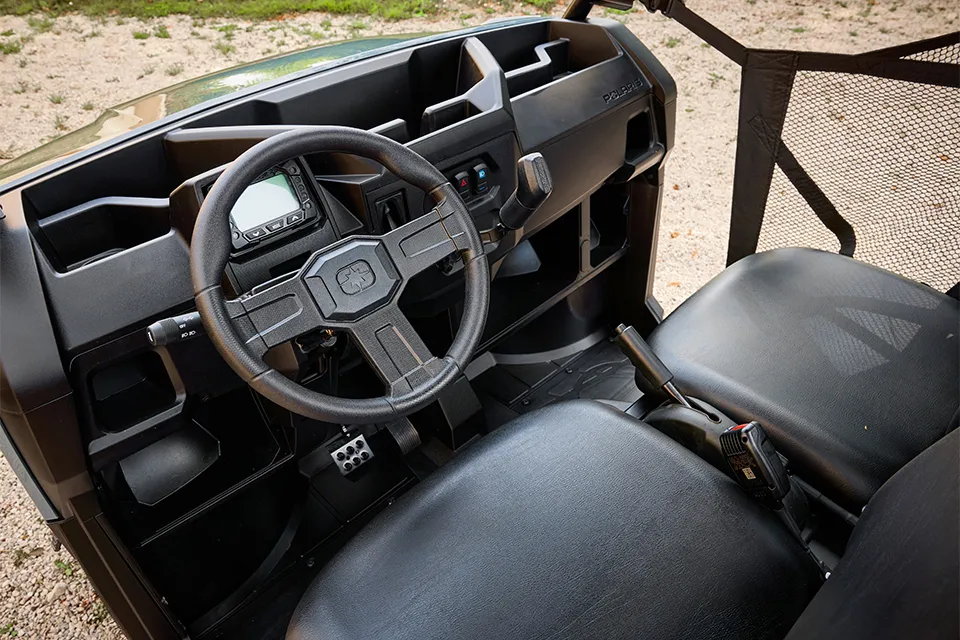
Polaris places a strong emphasis on ease of use, so many features have deliberately been simplified. One notable example is the automatically engaging four-wheel-drive system. Drivers do not need to decide for themselves when extra traction is needed: the system automatically engages the front wheels as soon as wheel slip is detected.
The vehicle also features VersaTrac Turf Mode, which helps limit damage to grass surfaces when manoeuvring on sensitive ground. Maintenance has also been simplified. The one-piece bonnet and accessible service points give users quick access to the battery, filters and fluids.
Remarkably comprehensive standard equipment
While entry-level models are often delivered with little equipment, Polaris takes a different approach. The Ranger 500 comes as standard with a roof, LED lighting and a winch with a pulling capacity of 1,134 kilograms. According to Polaris, these are precisely the accessories that customers almost always add later anyway.
The manufacturer also offers an extensive range of accessories, including front and rear screens, additional lighting, storage solutions and a snow or ground blade.
First impressions
After a day of testing on Hectar’s extensive grounds, it is clear what Polaris is aiming to achieve with the Ranger 500. This is not a machine designed to impress with raw performance or luxurious features. The focus is on accessibility, simplicity and functionality.
For users who still work with an ATV, or businesses looking for a compact second machine, the Ranger 500 is a particularly interesting newcomer. Polaris sums it up as ‘the right tool at the right price’. After a first encounter, that positioning seems well chosen.
Question about this story? Ask your question
Keep following this
Get an email when a new story is published. No account needed.
- SubjectMachinery & equipment