‘Adding an extra ecological layer to the city’
Text Armand LandmanImage municipality of Eindhoven
City of Light invests €10 million in greening the city centre
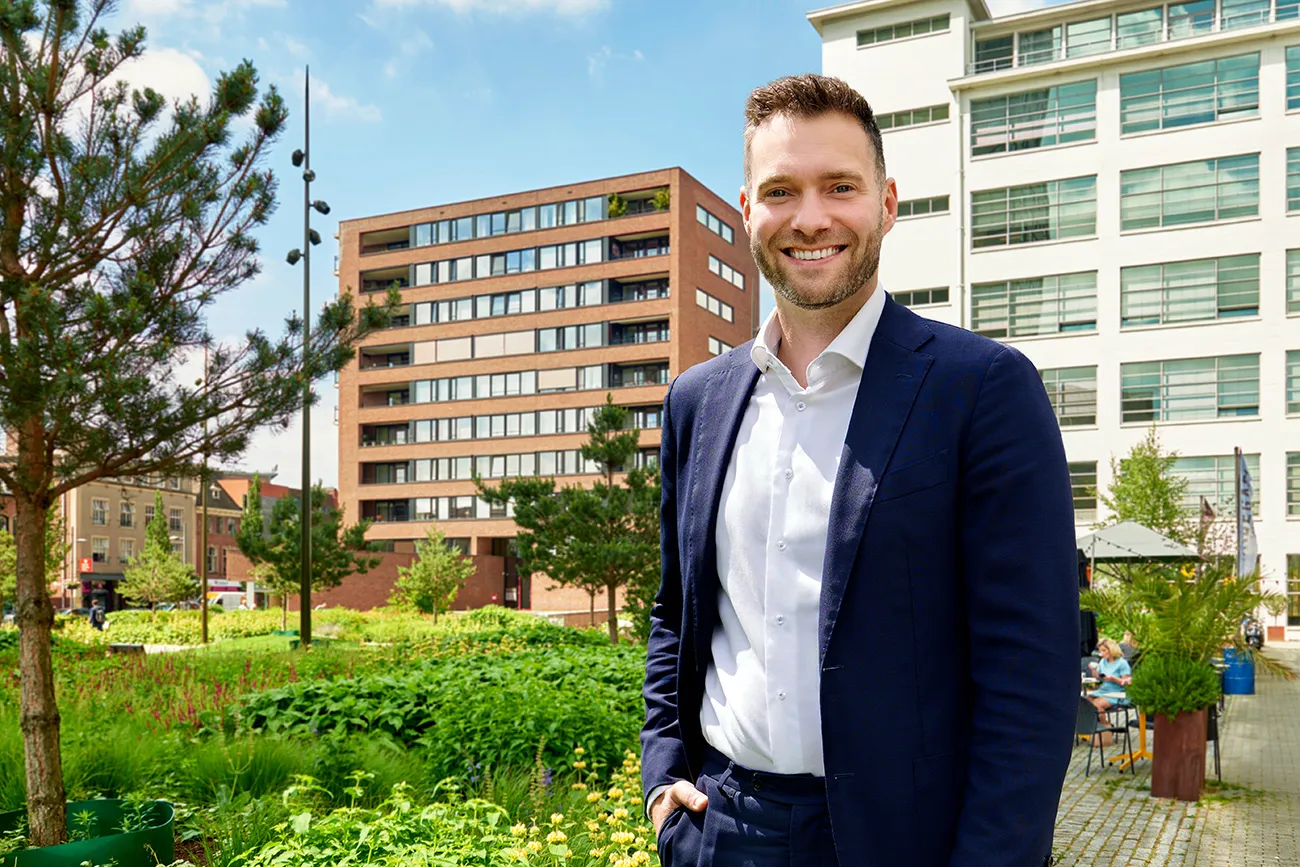
The municipality of Eindhoven is putting just over €10 million towards greening the city centre. We asked alderman Rik Thijs (GroenLinks, climate, energy, land and greening) about his plans. “If a property developer cannot meet our green-space standard within their own development, we encourage them to contribute to a nearby park.”
You plan to make the city centre much greener. What prompted this ambition?
“Eindhoven is already very green. But the city centre is heavily built up. We also face a major housing challenge in Eindhoven, while wanting to keep the city liveable and green. A few years ago, we looked at what building 21 thousand homes would mean for the transport system and our public spaces. We then agreed to adopt a green-space standard of eight square metres for every new home. That amounts to around 30 football pitches in total. To turn this ambition into reality, we have now drawn up a plan for how to actually provide those eight square metres per home. Where should at-grade parking be removed? Where should the municipality buy land?”
Eight square metres per home does not sound like much. That would mean only small gardens.
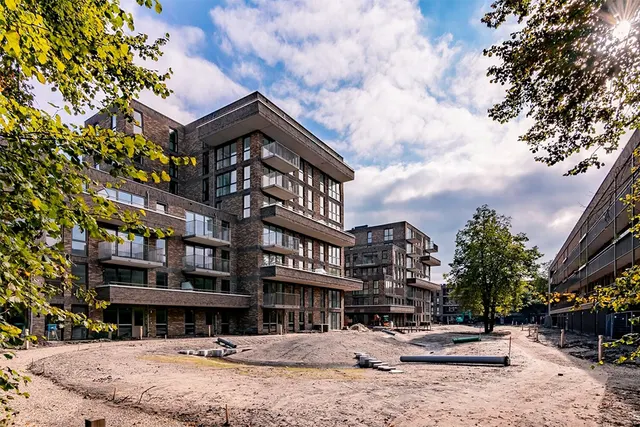
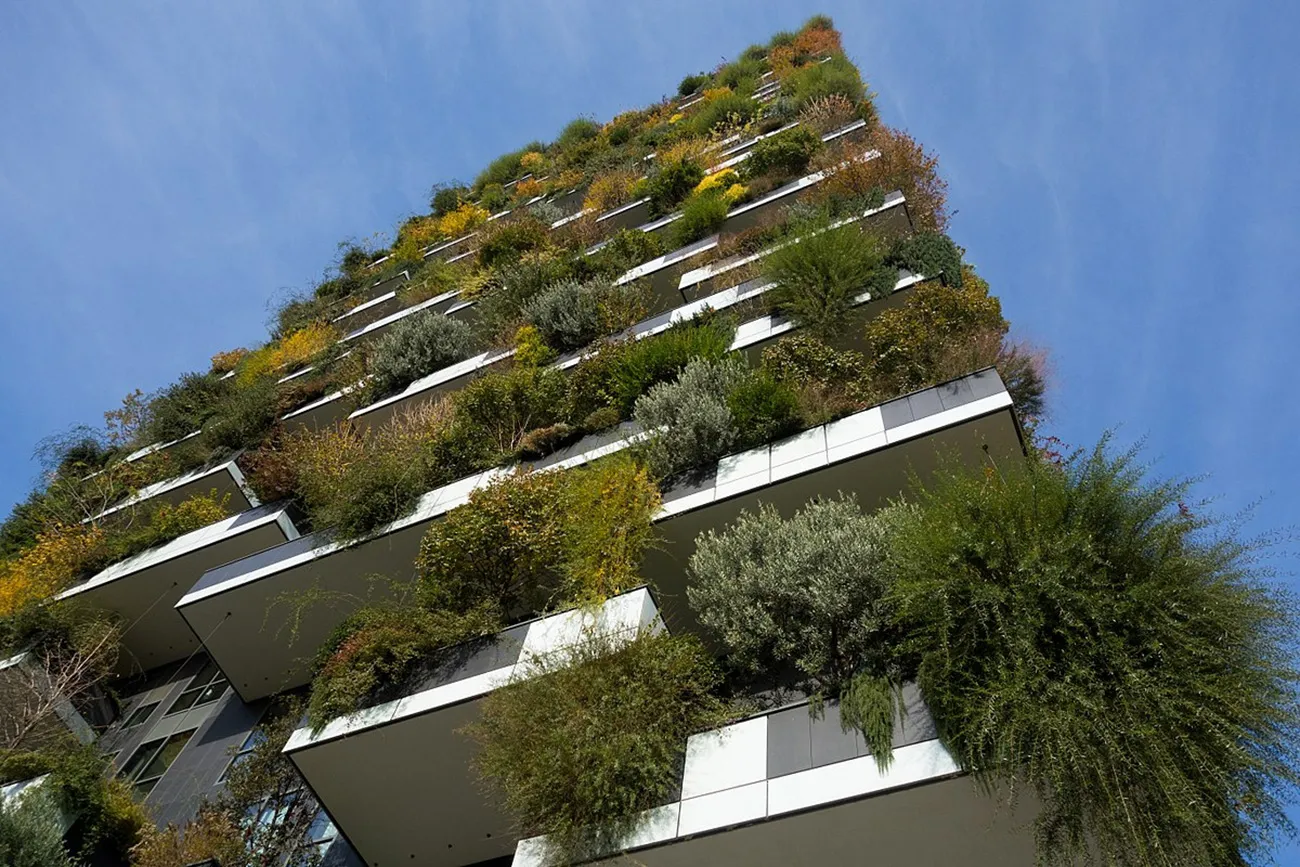
“In the city centre, of course, we will mainly be building upwards. So these are not ground-level homes. Every developer adding a home must provide eight square metres of green space per home on, attached to or around the building. This could be on the façade or on the roof. But if a developer cannot make this work within their own development, they can contribute to a nearby park.”
Are you not worried that this ambition will be the first thing to go if the economy takes a downturn?
“No. I see developers themselves increasingly wanting to make their projects greener. I know of plans where they have come up with the idea of a city forest ranger themselves. And in the Emmasingelkwadrant, we are working with a developer willing to take major steps. I am confident that we have left behind the days of building nothing but concrete blocks. What is more, as the municipal executive, we want to retain control and will no longer leave our land policy solely to the market. For major area developments, we use the Right of First Refusal Act because we know that owning the land ourselves allows us to set requirements from the outset.”
Your plans make extensive provision for green roofs. This requires extra investment, for example in building foundations. How will you persuade developers or building owners?
“I do not share your line of thinking. I am convinced that times have changed, and that developers too can see that we simply need to take steps here. Eindhoven also has the Collectief Duurzame Daken, which involves market players and gives everyone the opportunity to ask how they can make a roof more sustainable. I really do believe that not only our residents, but also developers and builders, want to be part of creating a more sustainable and greener city.”
Greening a city centre also means making choices, such as allocating less space to parking. Are local businesses on board too?
“Of course, greening can create tensions. For example, underground: is there room for everything? But also above ground: everyone is in favour of greening, but not everyone wants a tree outside their front door. We will see that, for instance, on our busiest shopping street, the Demer/Rechtestraat. There is not a single tree there at the moment, and our initial plans involve adding around 50 trees. Some business owners are sceptical. But if we do not take this step now, in ten years’ time we will have a city centre where nobody wants to go shopping in summer because it is too hot.”
Eindhoven is already the greenest of the five largest cities. That is not yet true of the city centre. Will it be once all the plans have been implemented?
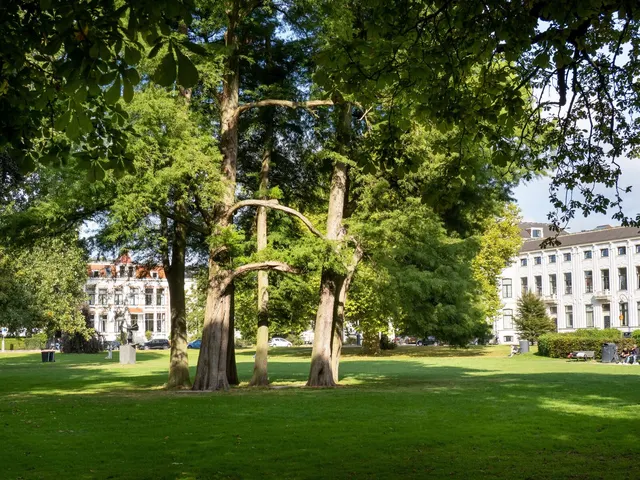
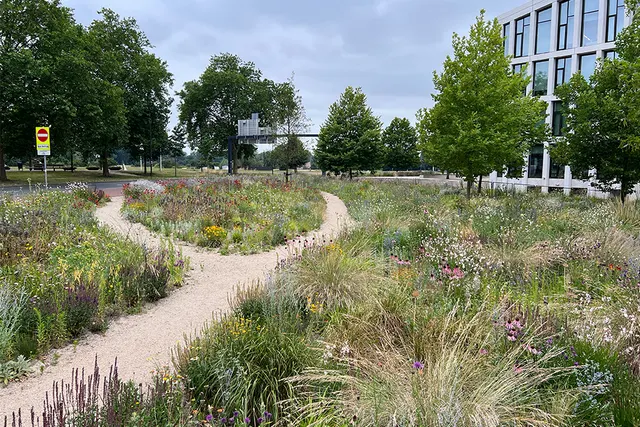
“That would be great. And a wonderful ambition. I do think that adding 50 trees will make the Demer/Rechtestraat the greenest shopping street in the Netherlands. One important reason for greening the city centre in 10 locations is to connect the green outer areas we already have, which have made us the greenest city. The trees and plants we choose for the city centre will also link up with those three green wedges. We want to add an extra ecological layer to the city, especially because biodiversity outside the city is declining so rapidly. We need to stop thinking only in the short term when it comes to greening, despite the economic challenges we face today. We are greening the city for the coming decades and for future generations, so we should not cut back on it now.”
Question about this story? Ask your question
Keep following this
Get an email when a new story is published. No account needed.
- ThemeSpace for urban green
- SubjectPublic green spaces