Playing with climate adaptation
Text and images OBB Spelmakers + Ruimtedenkers
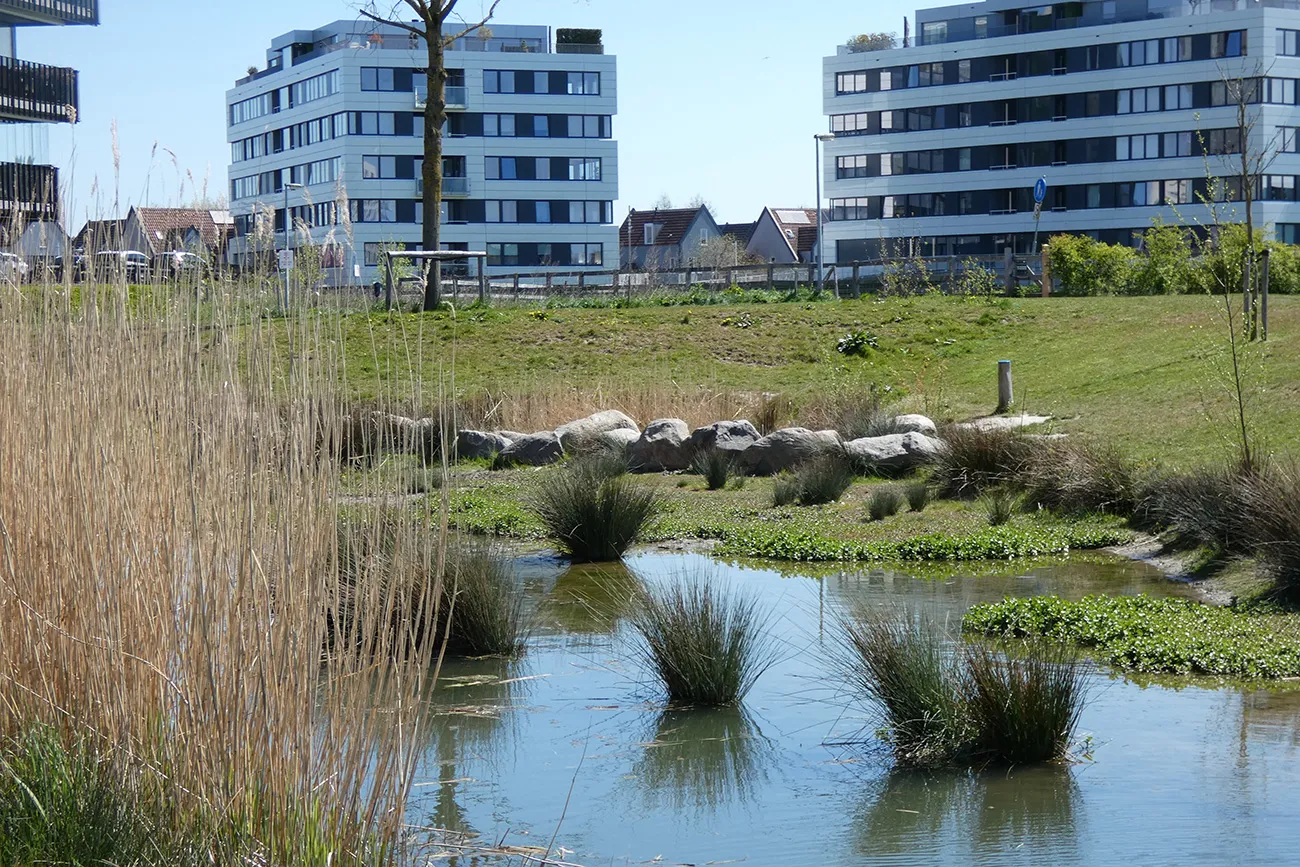
Wet and dry periods offer opportunities
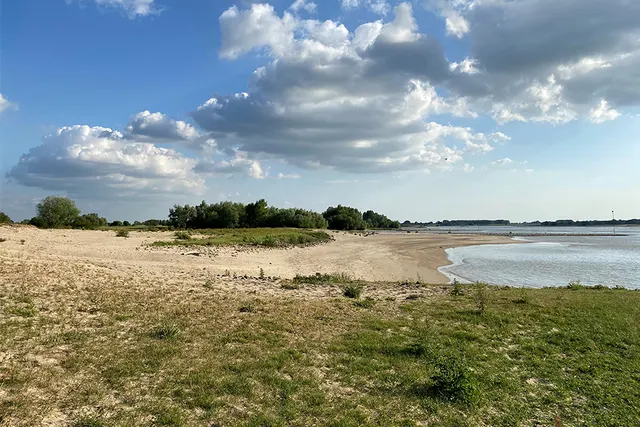
Last winter was wet, very wet. The prolonged spell of rain filled the rivers until they almost overflowed their banks, as happened here in Deventer. It was a timely reminder that the Netherlands faces a major challenge when it comes to climate adaptation. Heavy downpours and long wet periods alternate with months of drought, and warnings are already being issued that this summer could be very dry again. This calls for a new approach to water: instead of simply draining it away as quickly as possible, we should retain it wherever possible and allow it to seep into the soil. This creates wonderful opportunities in public spaces for play, exploration and social interaction, provided we, as policymakers, designers and planners, manage it intelligently.
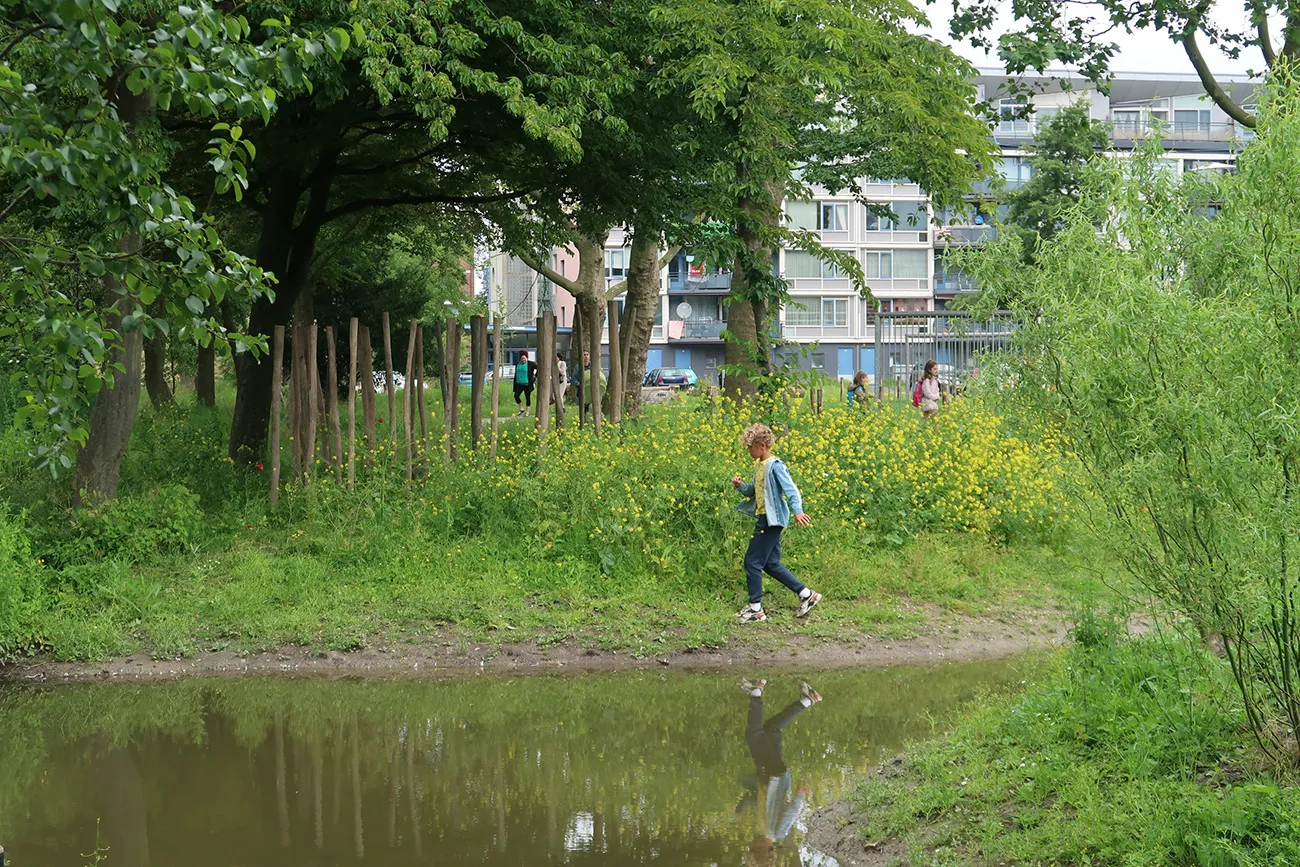
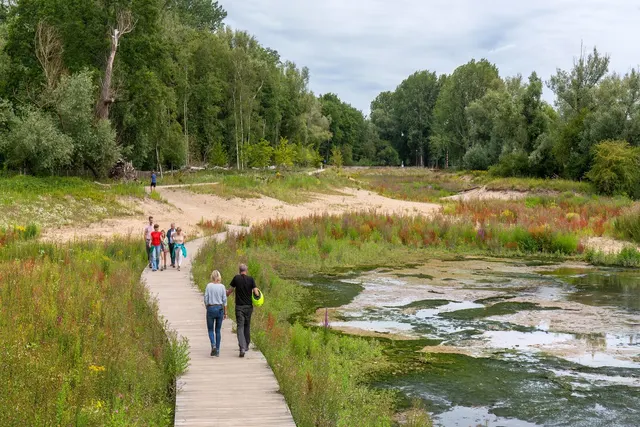
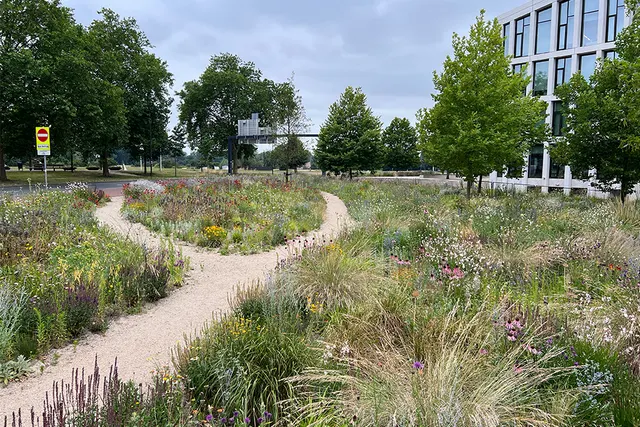
More space is once again being made for water, including in urban areas. More and more sustainable urban drainage basins, or wadis, are being created. They are a feature of almost every new housing development, and it is becoming easier to make room for them in existing urban areas too. Often, they are still just neatly mown depressions. But imagine if these green spaces, sometimes wet and usually dry, could become stimulating play areas, with plenty of scope for exploration and movement.
Playing with water is always fun and highly educational too, especially when children can see where the water comes from and how the play opportunities change with the weather. At OBB Spelmakers en Ruimtedenkers, we believe there are plenty of ways to ‘play with climate adaptation’. A balance trail becomes much more challenging for a while after it rains. The island that forms sparks the imagination. Can you keep your feet dry as you swing across the water on a rope? There are already some great examples across the country, but many opportunities remain untapped.
A safe waterside
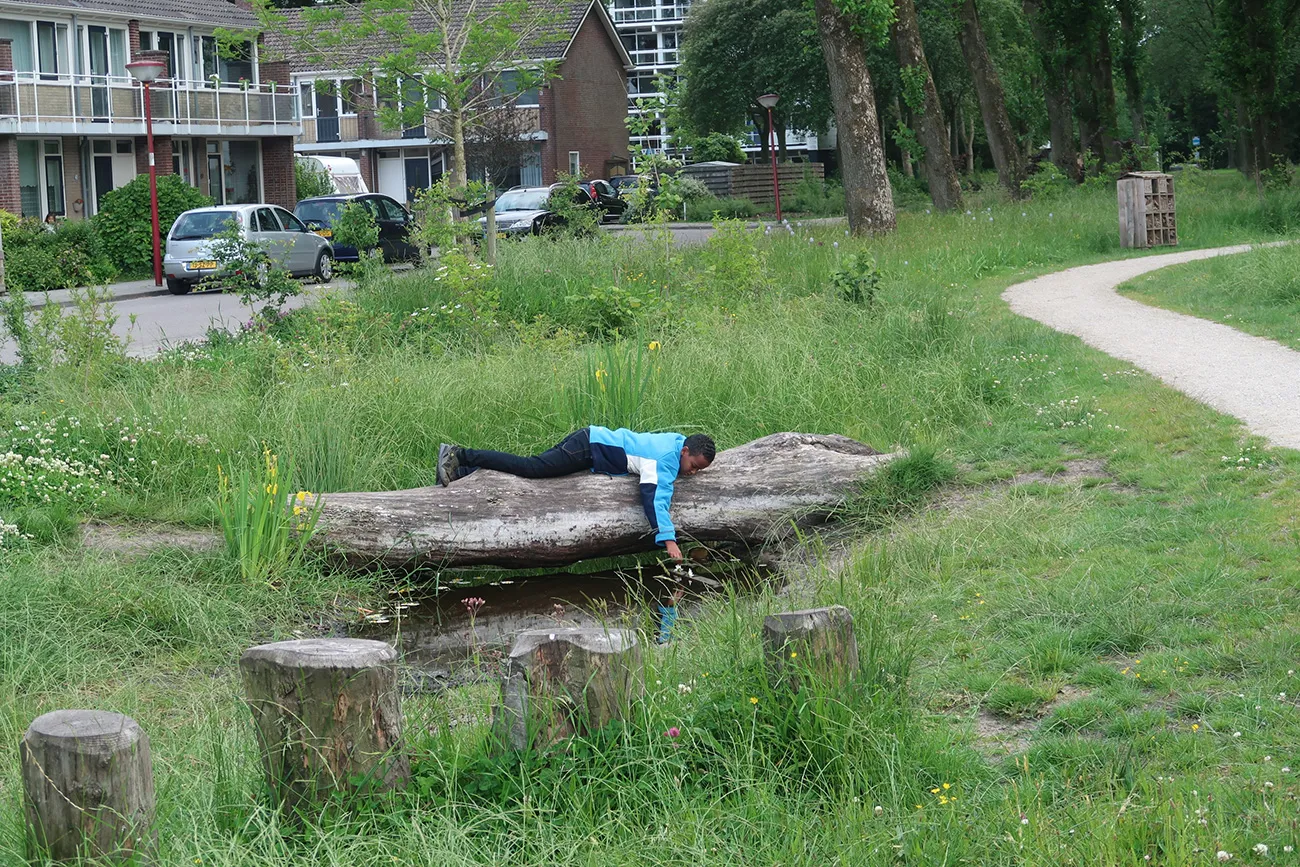
What about the safety and health risks of a wadi play area? Water quality is, of course, important. This is rainwater, which in itself is nothing to worry about. However, contamination in the soil or excessive amounts of dog faeces can pose a problem, so make sure the ground is clean. As for the safety of playing near water, it is particularly important that the area is clearly visible and that the transition from land to (temporary) water is clear and safe, according to the Centre for Injury Prevention on veiligheid.nl.
In this respect, a wadi is particularly suitable for play because, unlike most waterways and ponds, it often already meets these requirements. Give the wadi a gentle slope next to the play area, so a running child can stop safely and the water is no deeper than 50 cm in the first metre. This creates a safe waterside. Visibility is usually good in a wadi, but make sure there are clear sightlines if there is planting around it. A safe play environment with plenty of water is therefore easy to create and a valuable asset for children in the neighbourhood.
Play value
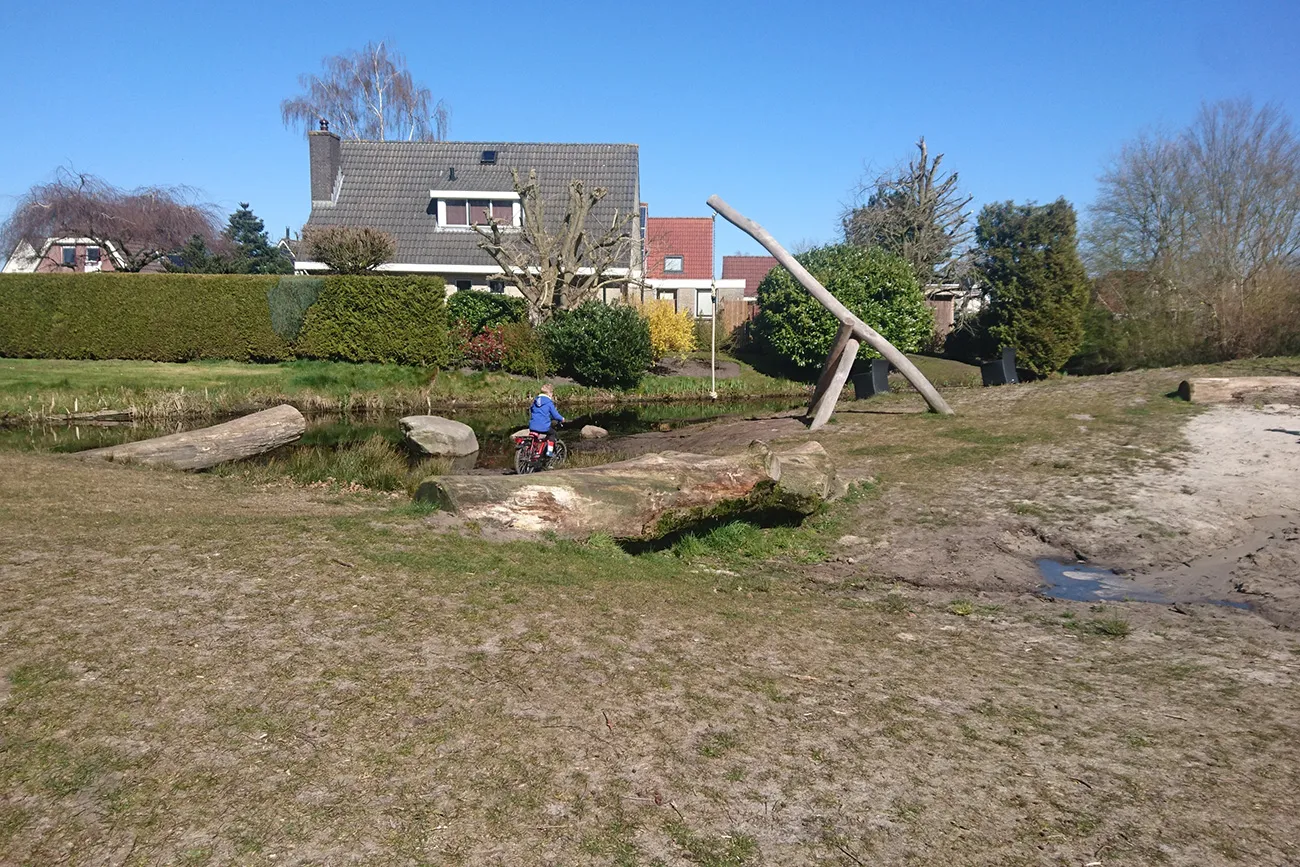
In new developments in particular, it is still too often assumed that a play area ‘can easily go in a wadi’, without properly considering what kinds of play and use it should support. A ball court in a wadi, or challenging equipment that needs impact-absorbing surfacing in an area that is often underwater. Yes, a wadi offers enormous play value, but no, not every kind of play works well in one, especially when viewed through the lens of accessibility. So when designing these areas, think carefully about different levels. Make sure part of the area stays dry at all times, and place the larger pieces of inclusive play equipment, equipment with impact-absorbing surfaces, ball courts and social facilities there. Create lower areas where children can play and which become more interesting when it is wetter, for example with water and sand play, balance trails, swing ropes and hideaway walls. Finally, set aside an area that is always wetter and offers plenty of opportunity to experience natural elements.
This will increase not only biodiversity in our climate-adaptive spaces, but also the diversity of play.
Would you like to create an enjoyable wadi play area too? OBB Spelmakers + Ruimtedenkers has extensive experience in this field and some great examples from practice, so we would be happy to work with you.
Question about this story? Ask your question
Keep following this
Get an email when a new story is published. No account needed.
- ThemeSoil and water in balance
- SubjectPublic green spaces