Plenty of work ahead thanks to ambitious national project
Text Carolien KleesImage Heembouw/AAWS/René Post/Cecile Smeets Geva Vastgoed
Greening business parks
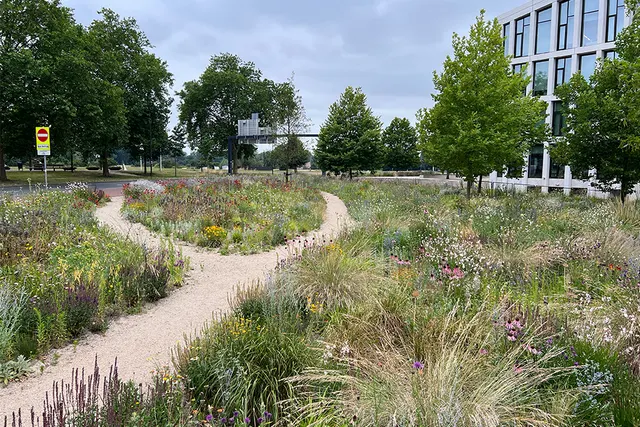
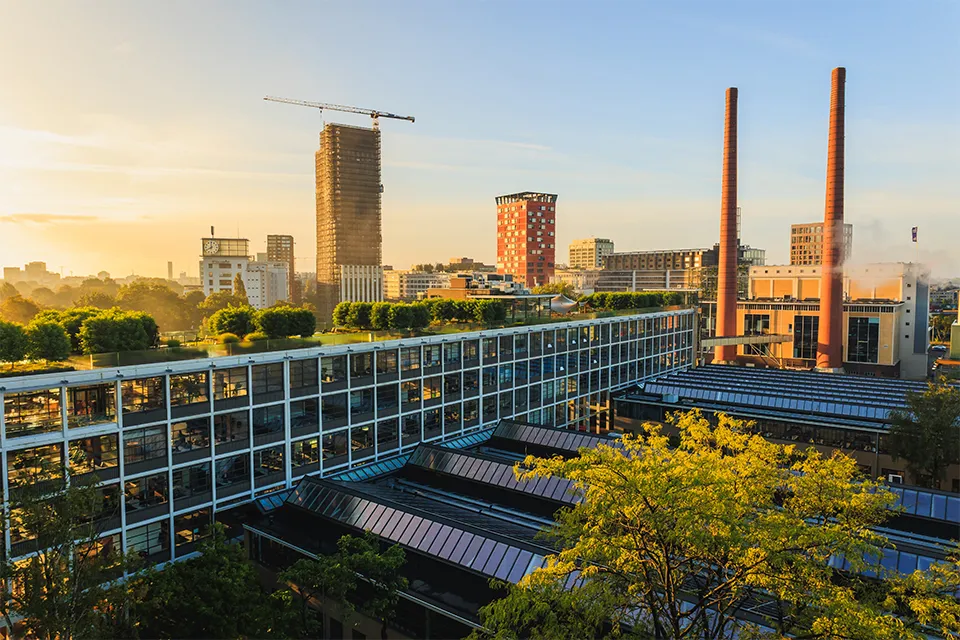
A major programme to green business parks has been launched, thanks in part to a €26 million grant from the National Growth Fund. The aim is for at least 1,000 business parks to be in transition towards a so-called ‘work landscape of the future’ by 2032. The Netherlands has around 3,800 business parks, many of them grey and covered in asphalt, together spanning an area almost as large as the Veluwe. “By transforming them into future-proof work landscapes, we can create areas with more space for people and nature. They will be better equipped to cope with flooding, drought and heat, and employees will be healthier and happier,” explains Kim van der Leest.
She is an ambassador for the knowledge and innovation programme and continues: “To achieve our goal, however, we need to remove obstacles. The initiative is also working hard to support current and future green professionals, including by developing targeted courses and training, as well as a tool to foster effective collaboration.” The Werklandschappen van de Toekomst coalition comprises more than thirty partners, including VHG, businesses, civil society organisations, government bodies, research institutes and educational institutions.
Regulations
“Greening is still often seen as a cost rather than an investment, because the costs and benefits do not always fall to the same organisation. By sharing knowledge and conducting more research, we want to gain a clearer picture of the benefits. Another obstacle is the highly complex market and regulatory landscape. We are also working to address what economists call ‘market failure’ and ‘system failure’.”
Innovation database
“We have also found that green innovations are not sufficiently well known. That is why we have created an online innovation database. It gives everyone access to information on existing innovations through practical examples. It is a useful resource for anyone looking to take action, for example at logistics sites or by setting up lunchtime walking routes. The database also includes lessons learned, useful documents and contact details. In addition, the platform offers an extensive toolbox packed with practical resources, (financial) instruments and concrete tips to help users get started straight away.”
Long-term contracts
“Gardeners are often only brought in to carry out the initial landscaping or under a short-term maintenance contract. However, when green professionals are brought in early and work under long-term arrangements, the end result is better, with less replacement and less maintenance. A long-term maintenance contract is therefore ultimately more cost-effective for clients. Clients can also put the costs of landscaping and maintaining green spaces on their balance sheet. Green professionals are not always able to substantiate this, and our trials aim to support them in doing so.”
‘Impossible’ greening
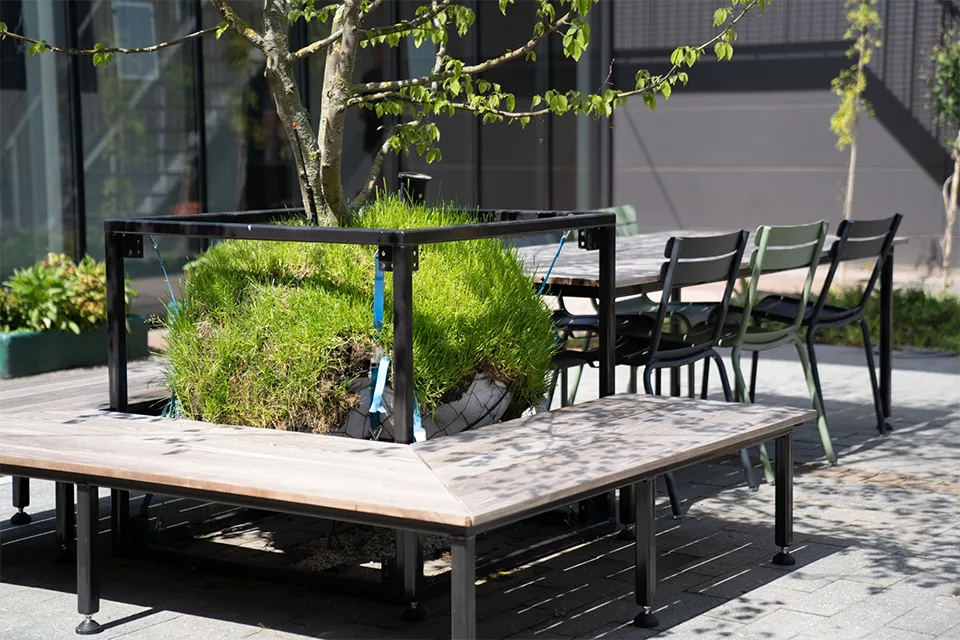
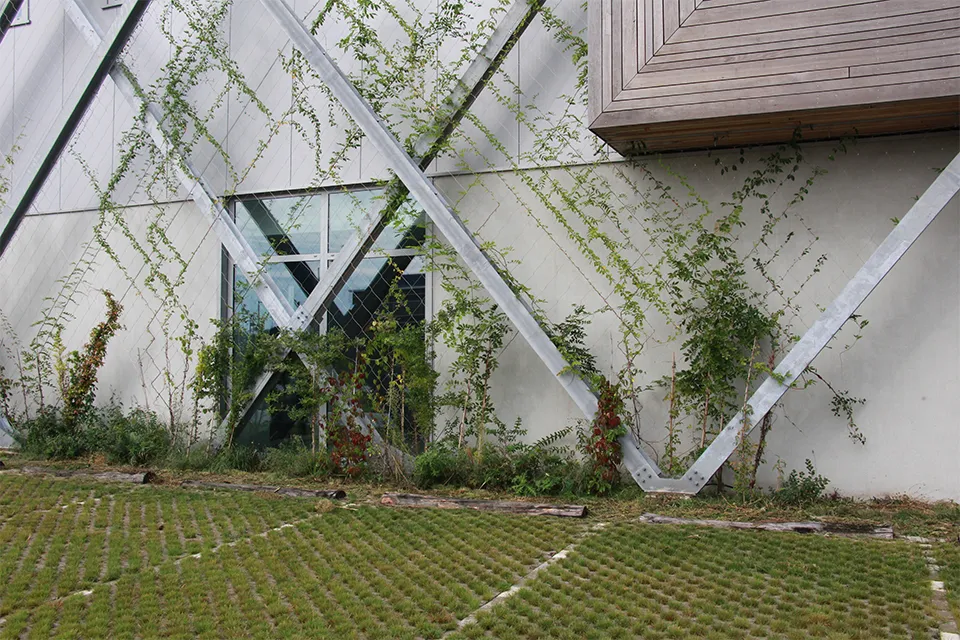
The innovation database mentioned above offers green professionals a wealth of knowledge and inspiration. For example, the innovative ‘Boomveer’ makes it possible to green locations where this would normally not be feasible. And a ‘boombunker’ lets you combine trees and water storage with underground cables and pipes.
Rooftop
Another example in the database is a rooftop site at a multi-tenant business building in Eindhoven. A huge roof terrace serves as a shared, multifunctional roof garden for all the businesses to use. By creating a ‘series of rooms’ with groups of trees, separate areas have been created for activities such as meetings, drinks, business events and even a food festival. This calls for knowledge of tree species that can thrive under limited roof load capacity and withstand wind.
Reusing rainwater
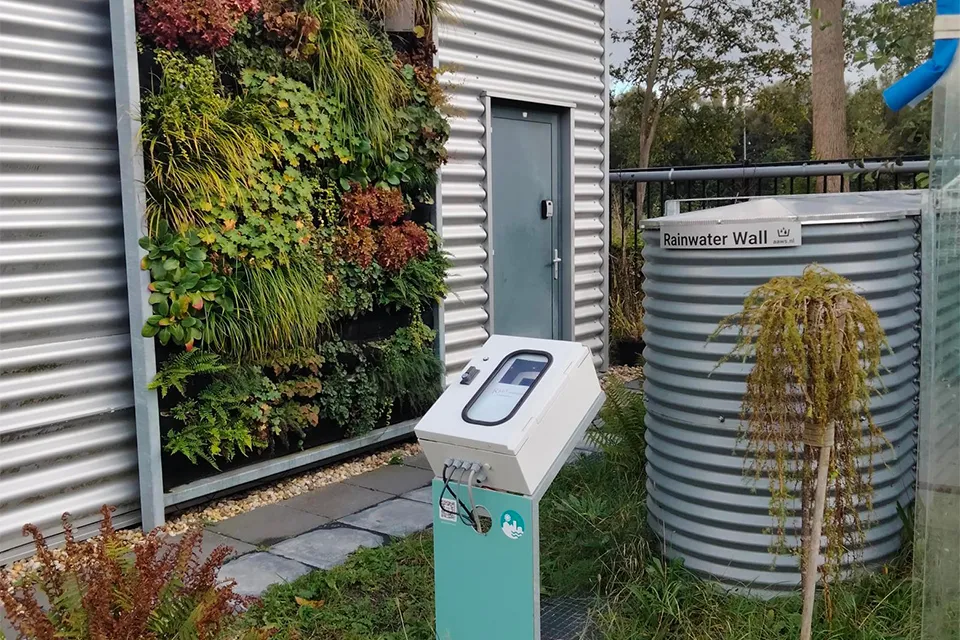
The database also features solutions that collect rainwater from nearby roofs so it can be used for washing products, irrigation and sanitary facilities. An intelligent control system using KNMI weather data reduces the risk of overflow during heavy showers. Knowledge of how to combine greenery and technology is therefore becoming increasingly important for green professionals.
Question about this story? Ask your question
Keep following this
Get an email when a new story is published. No account needed.
- SubjectPublic green spaces