‘Sustainable design calls for dual-purpose features’
Antony Marcelis works as a landscape architect and sustainability expert at Maatschap Landschappartners. For many years, sustainability has been central to his designs, with a focus on factors such as reuse, climate resilience and biodiversity. “It can be quite a puzzle at times, but it is also an important and wonderful challenge.”
Growing focus on circularity and biodiversity
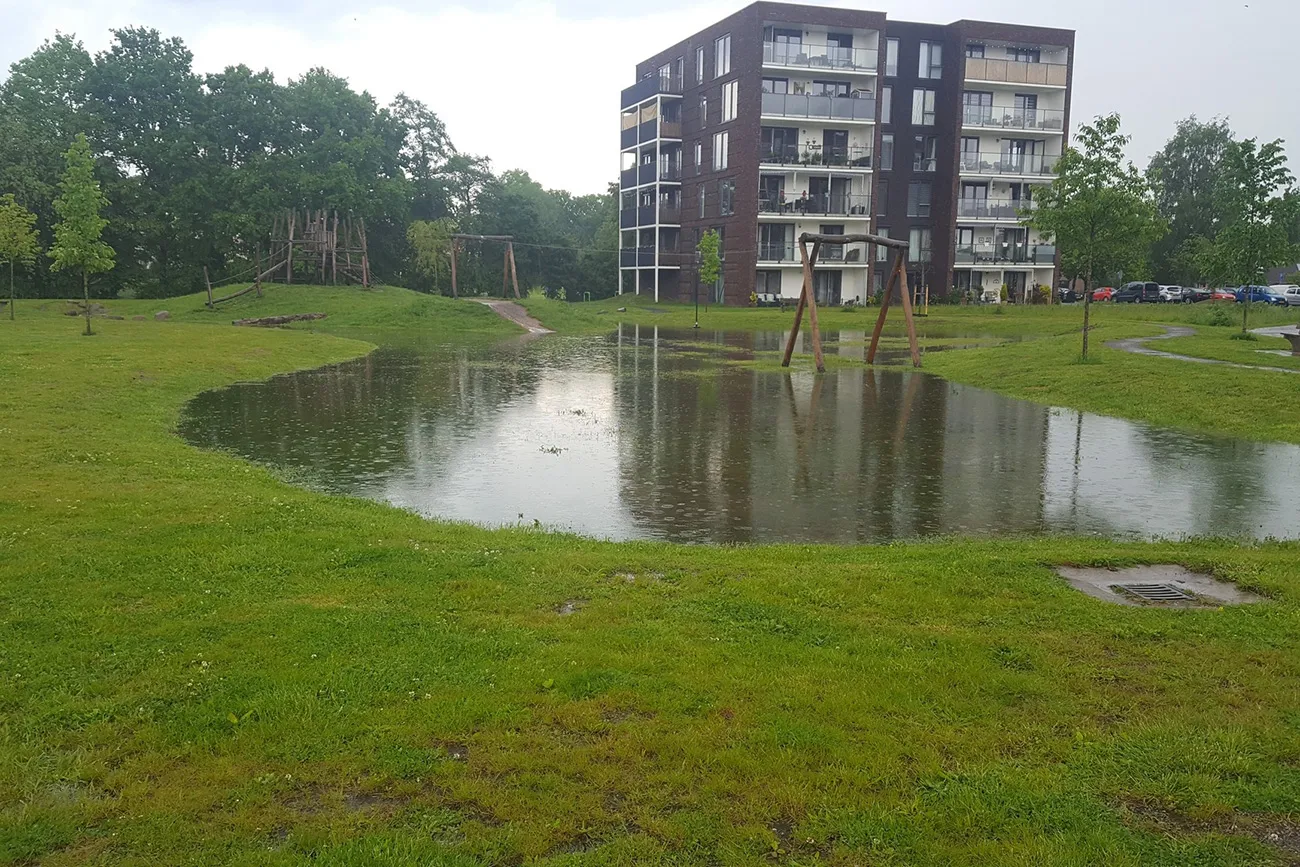
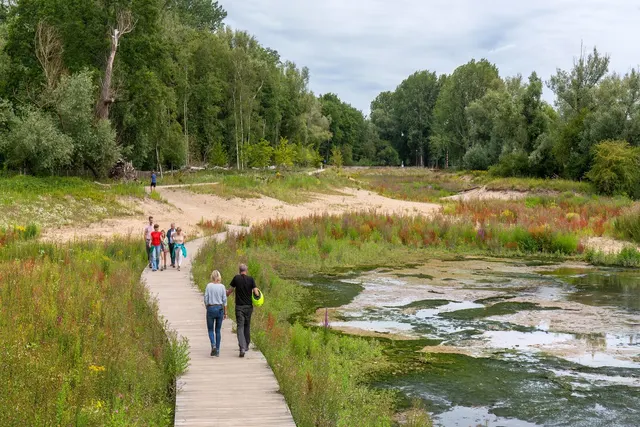
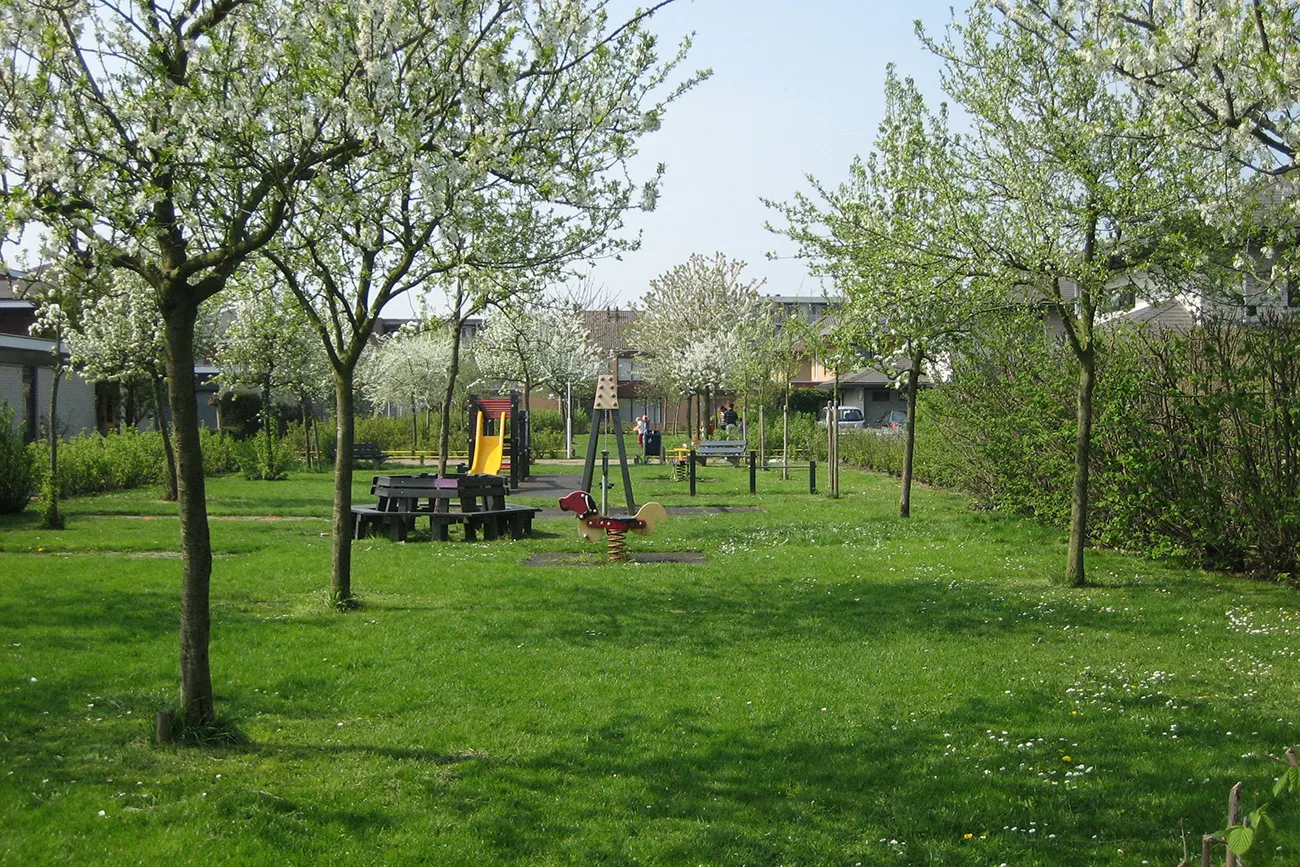
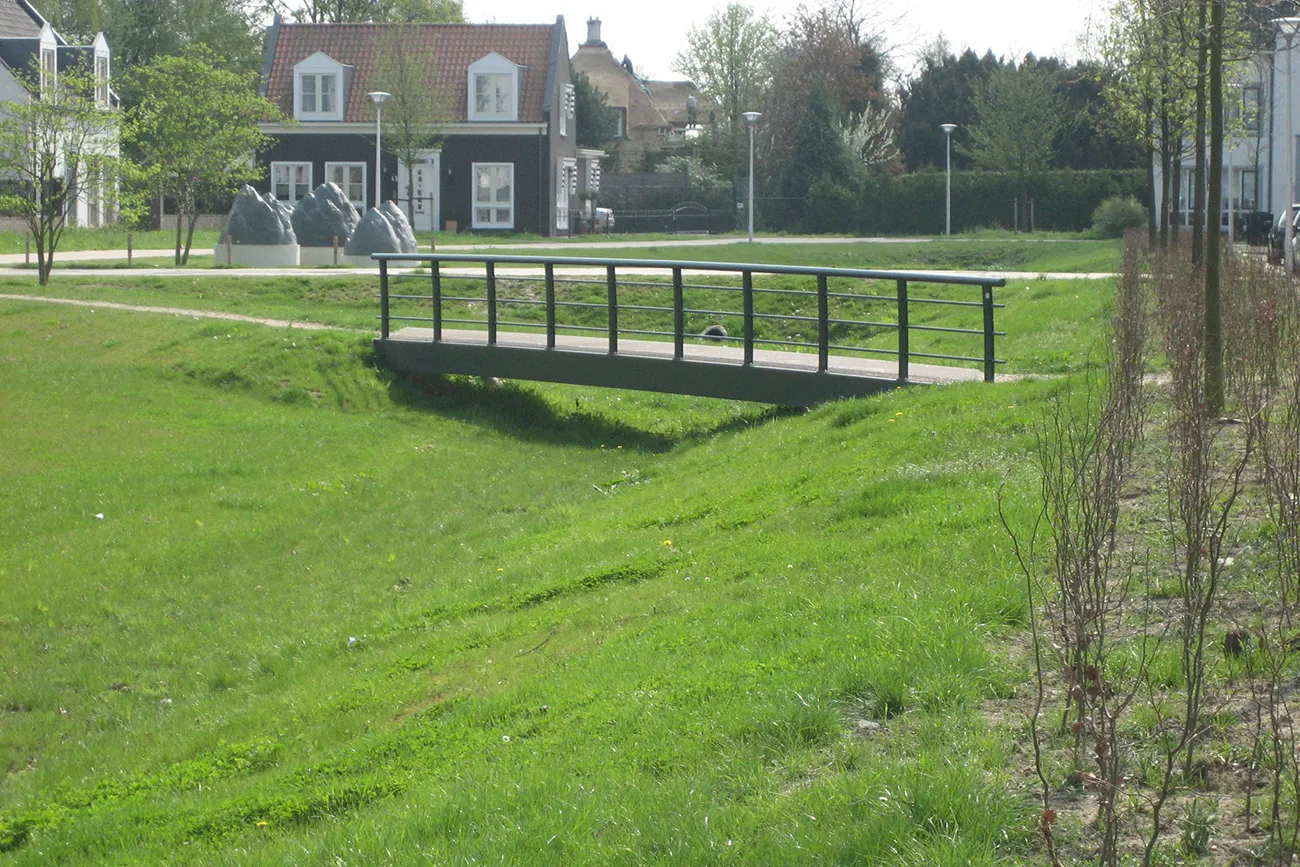
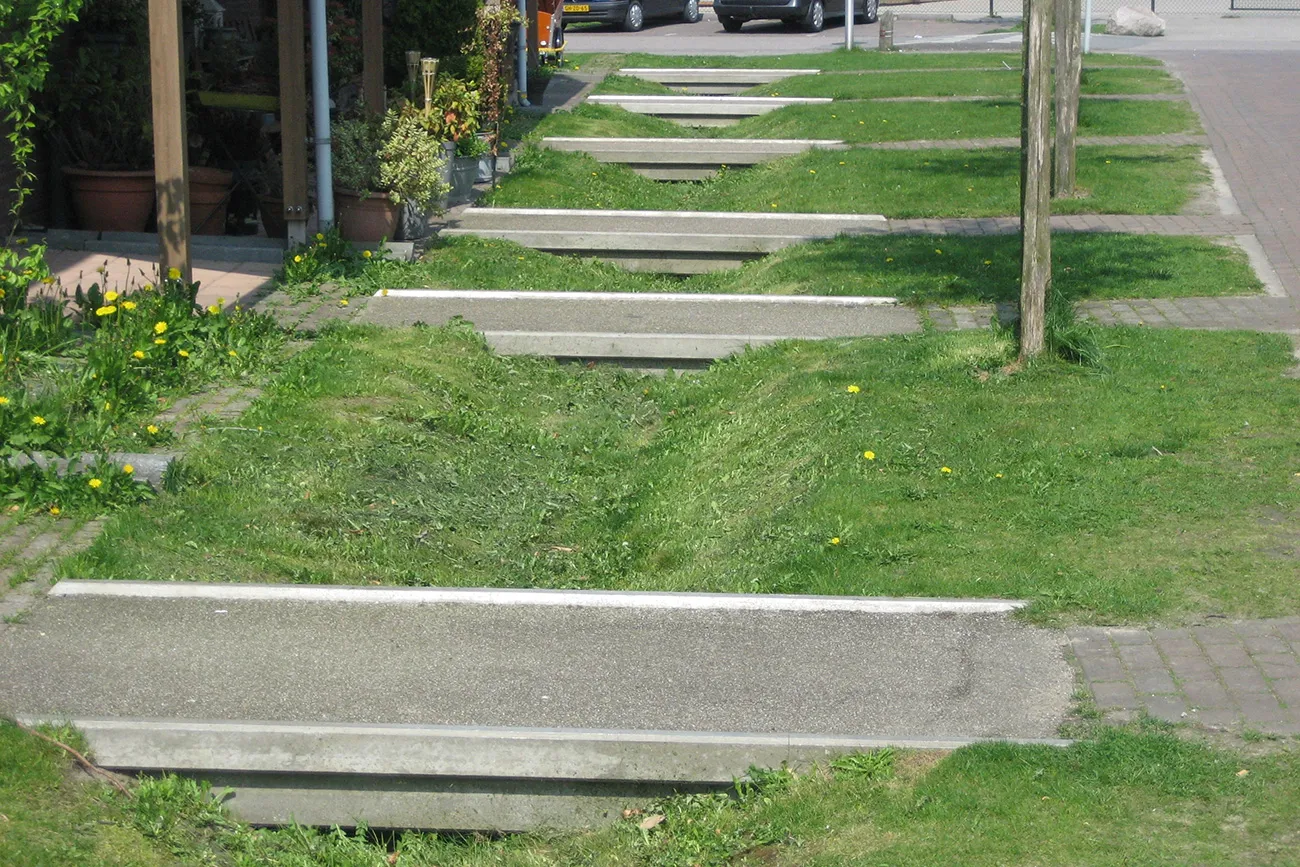
BREEAM-NL has been the certification method for a sustainably built environment since 2009. Marcelis was part of the expert team that developed the substantive framework for this assessment method at the time. He is now a BREAAM sustainability expert for buildings and areas, and can also be called on as an assessor. “Designing sustainably while also taking all the wishes and requirements into account means I often have to find the solution in dual-purpose features. For example, local authorities would like to reduce the burden on water treatment by no longer discharging rainwater into the sewer. In public spaces, wadis are a good solution, but they take up a lot of room. As a landscape architect, I therefore try to give such a space an additional function, for example as a play area or green space.”
Dual purpose
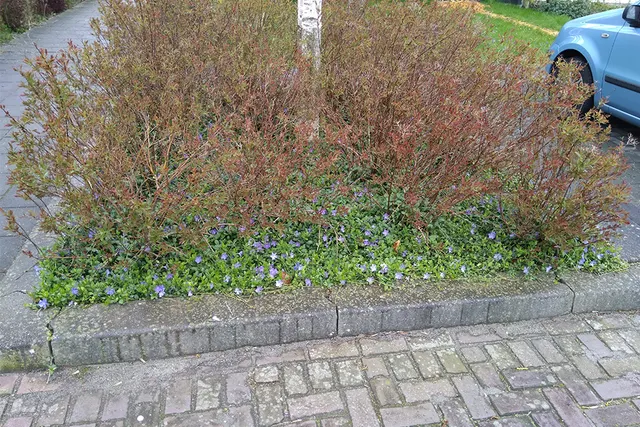
“Another good example of multifunctional use is my design for a bicycle shelter whose wall also serves as an insect hotel. It is not factory-made, but built entirely from reusable materials. I think this is a positive development: in the past, everything had to be neat and tidy, but now we are letting go of that for the benefit of nature. Think of grass areas and verges that are no longer mown neatly all year round.”
Circularity in construction and area development
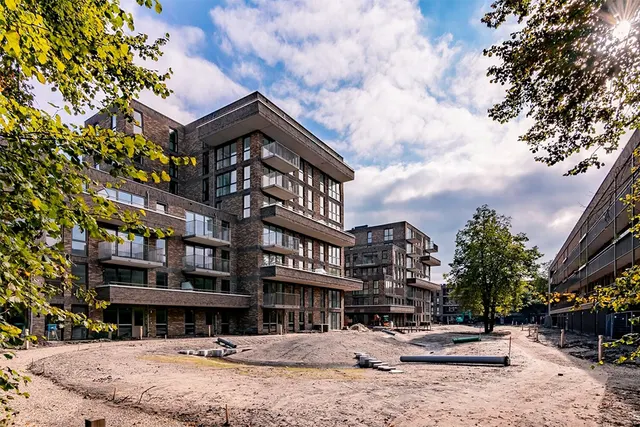
“We aim to be as circular as possible. Products and raw materials should be reusable wherever possible, while as much of the energy required as possible should come from renewable sources such as the sun and wind. One good example is our design for a residential area with 150 temporary homes. The aim is to provide urgent housing for people in need for two years, after which the land must be available for another use. We gave careful thought to reuse. The homes, street lamps, bicycle shelters and even the paving can all easily be used again at another location. The homes are built entirely in a factory, which contributes to the sustainability of the project. After all, this minimises the number of transport movements. And where waste from a building site would normally go to landfill, it can now be reused in the factory.”
Biodiversity
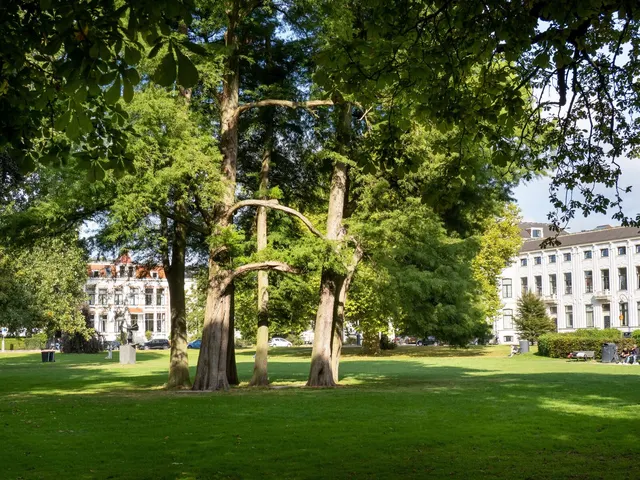
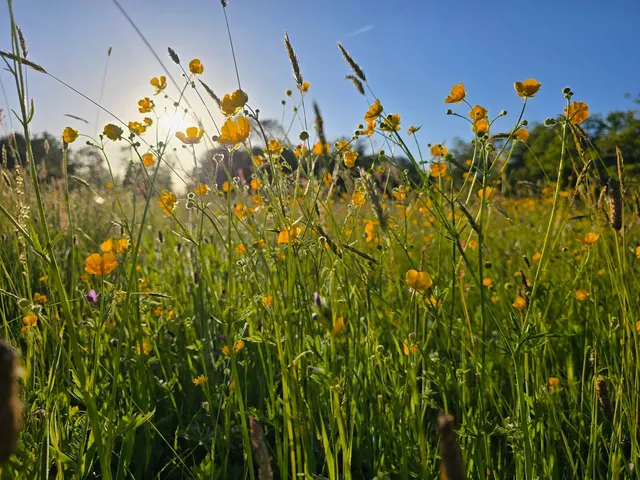
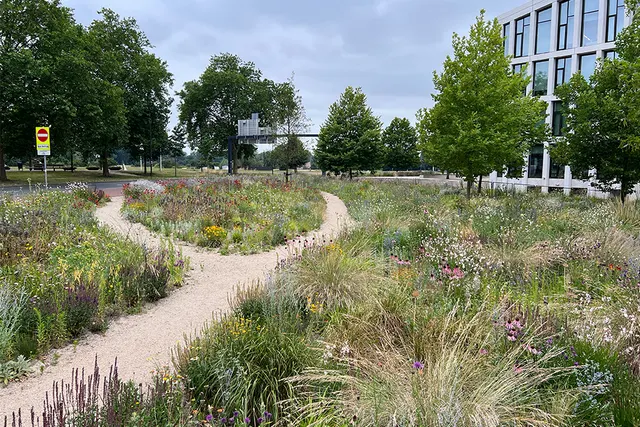
“A sustainable design should promote biodiversity. That is why we try to use as many plant species as possible that are important to insects and birds. Herb-rich grassland combined with shrubs and trees creates an ideal habitat.” Marcelis does, however, offer a note of caution: “Sometimes I think people go a little overboard when it comes to biodiversity. A beautiful avenue of maples, for example, is not always well received. People think: trees of the same species, that can’t be good. But as a sustainability expert, I take a broader view and look at the environment as a whole. If there is already enough diversity in the surrounding area, an avenue like that is no problem at all. In fact, it enhances the aesthetic quality of the area. A street with lots of different tree species simply looks very untidy.”
Social function
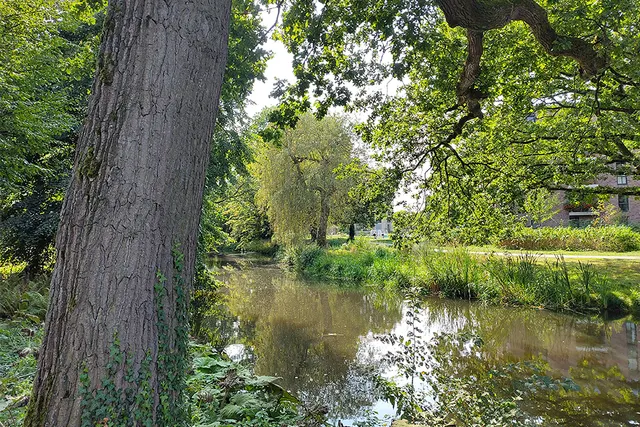
“When local residents feel connected to public spaces, a sense of involvement and responsibility follows naturally. Green spaces and places to meet foster that involvement. Residents might then plant flowers in the tree pits themselves, organise communal planters, create front gardens or put up nest boxes. In this way, green spaces also fulfil a wonderful social function.”
Question about this story? Ask your question
Keep following this
Get an email when a new story is published. No account needed.
- ThemeNature-friendly green space management
- SubjectPublic green spaces