‘Thinking about green infrastructure too late is a missed opportunity’
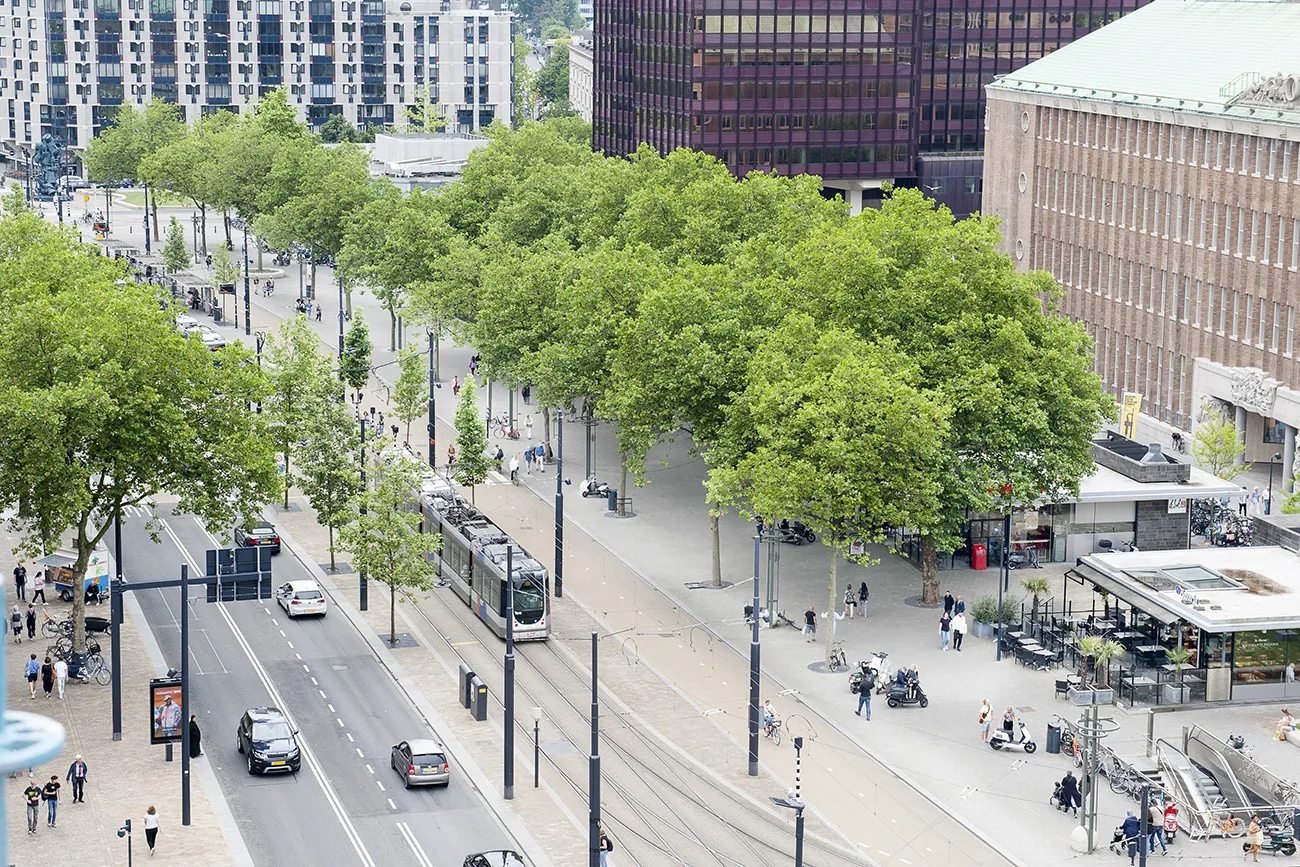
As an arborist with Greenmax and its sister company Treebuilders, Bert van Gils advises a range of professionals working with avenue, park and street trees. He argues that, when planning the living environment, we should connect the grey, green and blue elements at an early stage. “All too often, civil engineering work has already started before anyone realises that trees still need to be planted. By then, the budget has usually been allocated, or the street has to be dug up again.”
Connecting the grey, green and blue
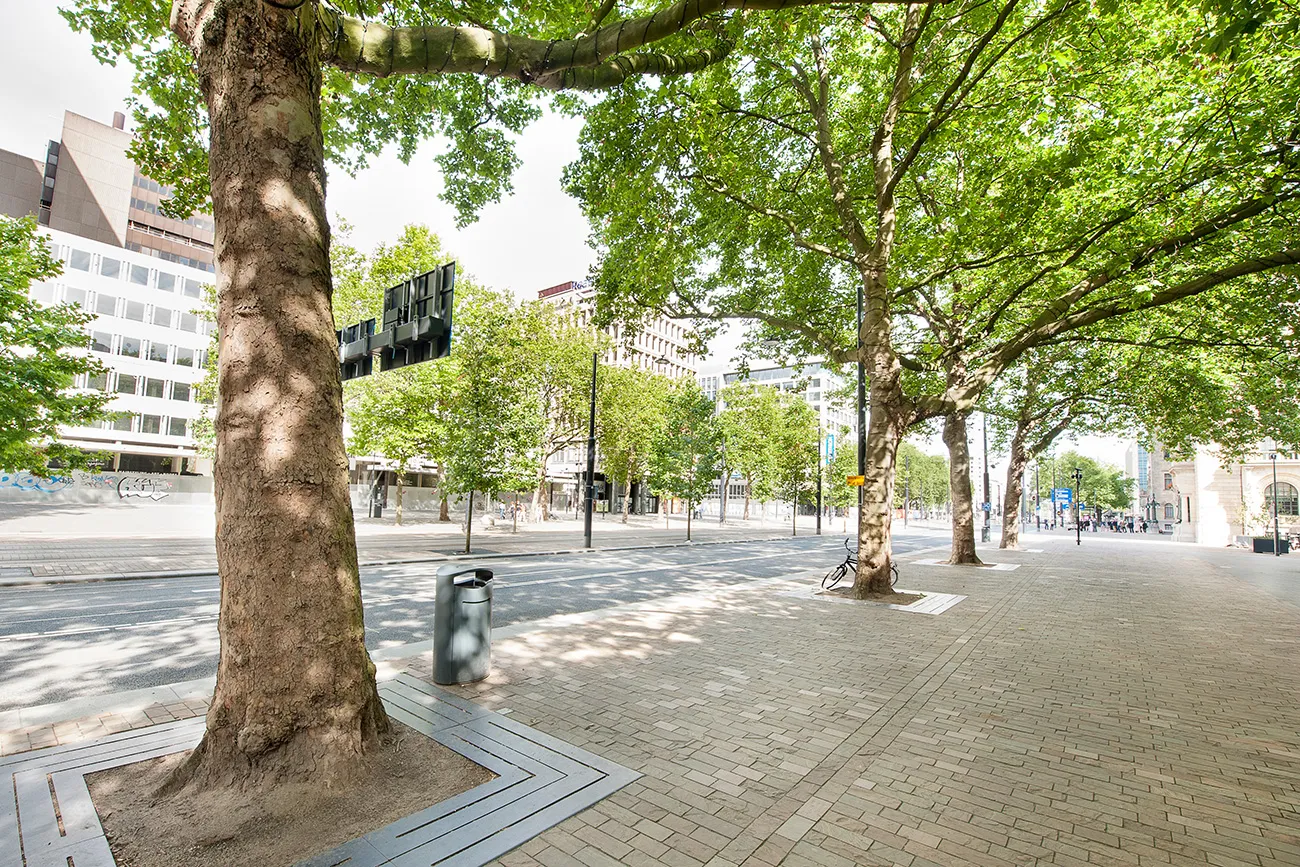
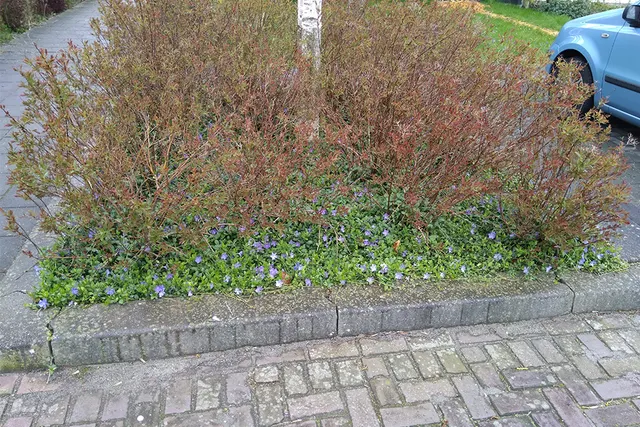
“It is a missed opportunity that leads to unnecessarily high costs and limits the choice of tree species. This is despite the huge contribution trees make to a healthy, environmentally friendly living environment. Many trees, shrubs and hedges in urban areas struggle with restrictive conditions such as drought, lack of oxygen or insufficient growing space. Climate change plays a part, but I also regularly see the wrong species being chosen or the right conditions not being created. Trees are planted too deeply or at the wrong time of year, too little attention is paid to groundworks, and so on. It is a shame, particularly as some excellent solutions are now available.”
Particulate matter magnets
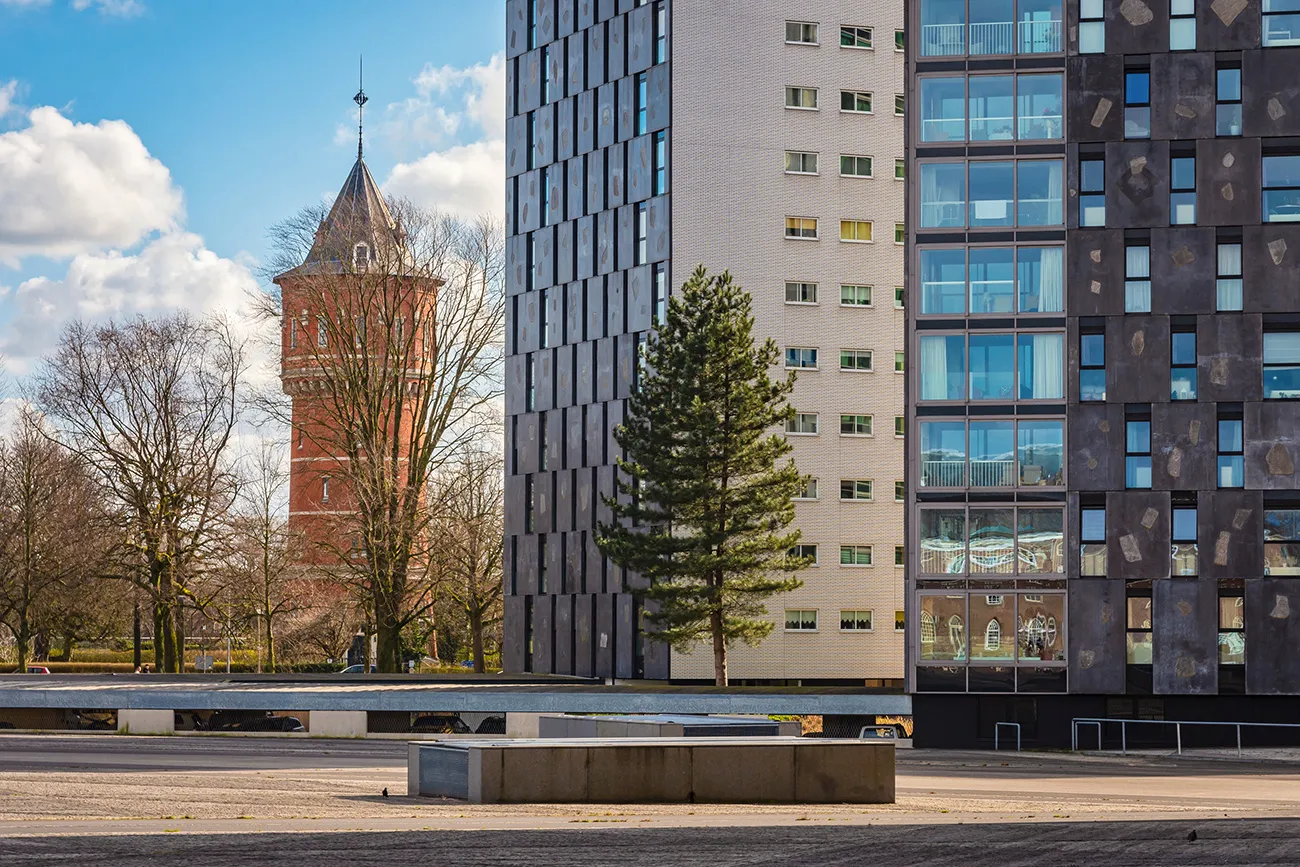
“For example, I’m seeing conifers being appreciated anew. It makes sense: our native conifers date back to the Carboniferous period and have survived millions of years of evolution. They are highly resilient to today’s climate change and more extreme weather conditions. They also retain their decorative green appearance in winter and are fantastic at capturing particulate matter. Each needle acts like a tiny magnet, filtering particulate matter from the air.”
A solution for every requirement
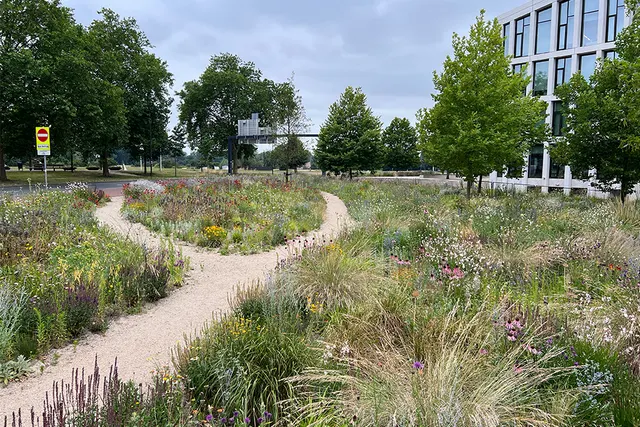
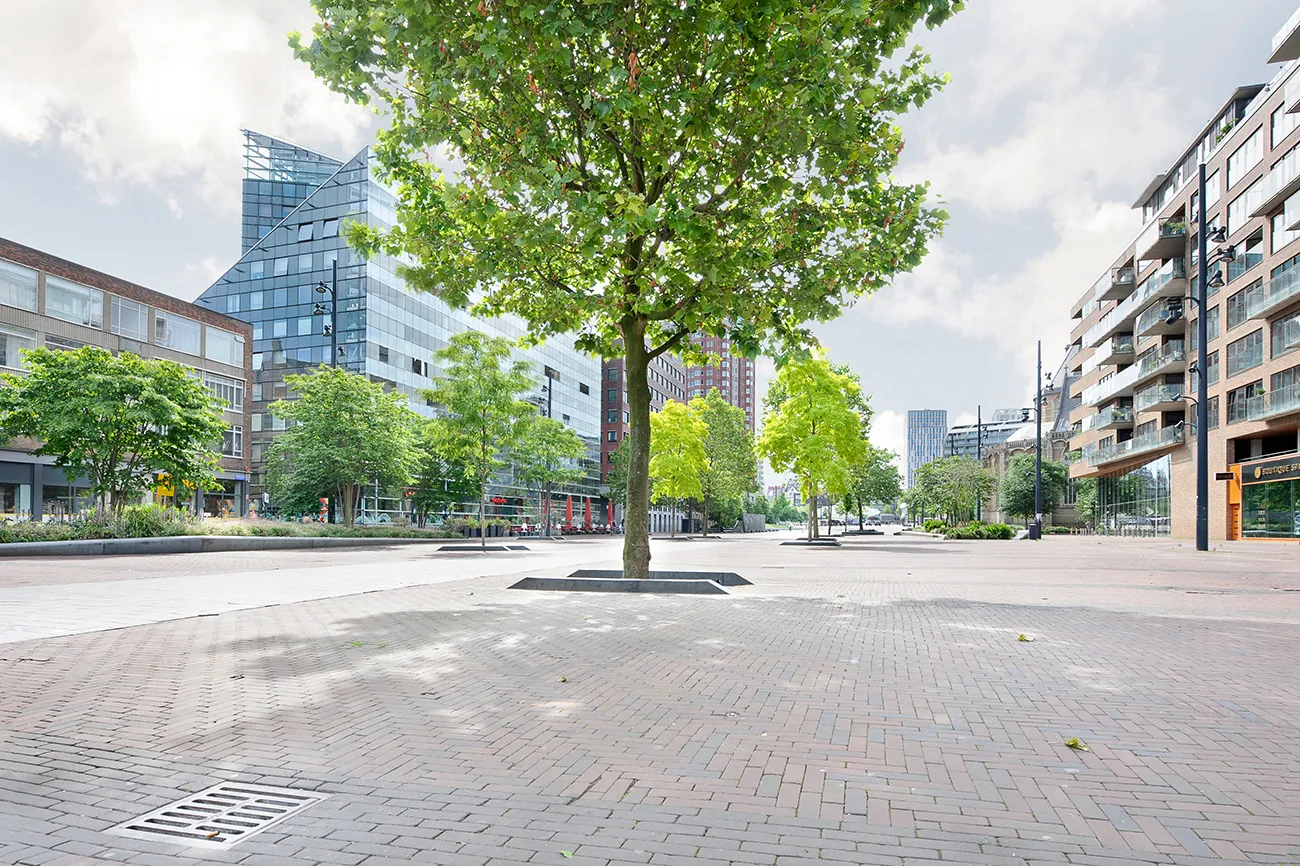
“With the right expertise, urban greenery can make a wonderful contribution to improving the living environment. For example, if a local authority wants to boost insect life by planting fruit-bearing trees, a common objection is that falling fruit will cause a nuisance. In this case, double-flowered varieties are an excellent solution. Their stamens and pistils make them very attractive to insects, but they produce no seeds or fruit.”
A missed opportunity
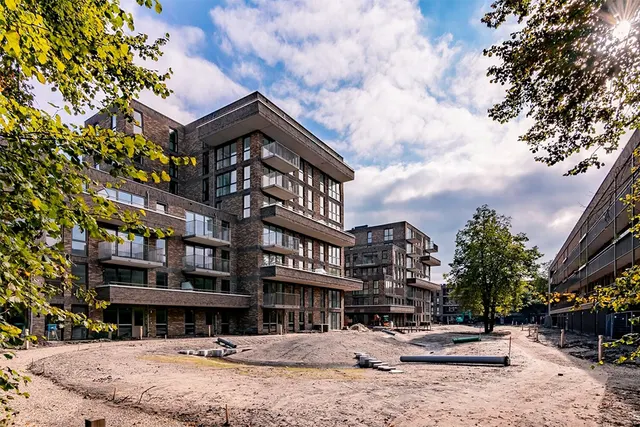
“It is therefore vital to think about green infrastructure at an early stage. Suppose a street has to be completely dug up to replace the sewer. Labour and excavation are major cost items. It is a real shame to have to repeat the work because the greenery was overlooked. The same investment and effort could have been used to install suitable underground infrastructure at the same time, creating ideal growing conditions for the trees.”
Room for improvement
“Fortunately, there is growing recognition of the enormous added value trees bring to urban living environments. Beyond their decorative value, they can make a significant contribution to a better environment. They capture particulate matter, provide a CO2 buffer, have a cooling effect and increase biodiversity. Combined with certain solutions, such as tree pits, they can also create a water storage system that captures valuable rainwater. But I certainly see room for improvement. And because of climate change, I believe it is even more important to think about green infrastructure at an early stage. Recently, I came across a number of trees at a new-build development in Amsterdam that were really struggling. Understandably so, as they are completely unsuited to the draughts caused by the high-rise buildings there. By bringing together civil engineering expertise and knowledge of green and blue infrastructure at an early stage, the same investment can deliver a significant win-win.”
Question about this story? Ask your question
Keep following this
Get an email when a new story is published. No account needed.
- SubjectPublic green spaces