‘With the right knowledge, you can make spring start as early as January’
Text Carolien KleesImage Pierre Theunissen
Knowledge of woody plants
A sound knowledge of woody plants can make a big difference to the work of landscapers and garden designers. However, training usually provides only a basic grounding. “I learnt an enormous amount from the Nederlandse Dendrologische Vereniging,” says Jules Klees, a retired garden technician. “As well as being great fun to meet up and take part in activities with people who share your passion, I gained valuable knowledge that I could apply in my work. And, of course, in my own garden too,” laughs Klees, who was responsible for the design and maintenance of Rijnhuizen estate in Nieuwegein for 34 years.
The Nederlandse Dendrologische Vereniging (NDV) is a knowledge platform for both enthusiasts and professionals. It focuses mainly on woody plants of the temperate zone, their growing conditions and the contribution they can make to a sustainable and attractive living environment.
Varieties and climate change
“Looking back, I regret not joining much sooner. The visits to botanical gardens and specialist nurseries are particularly educational. You come across varieties with, for example, great ornamental value, or ones that are better suited to the changing climate. A good example is Rhaphiolepis umbellata, which I discovered on a visit to France. It is a profusely flowering shrub that can cope reasonably well with the somewhat challenging conditions we now have in the Netherlands: dry summers combined with wet winters and occasional frost.”

Getting more enjoyment from magnolias
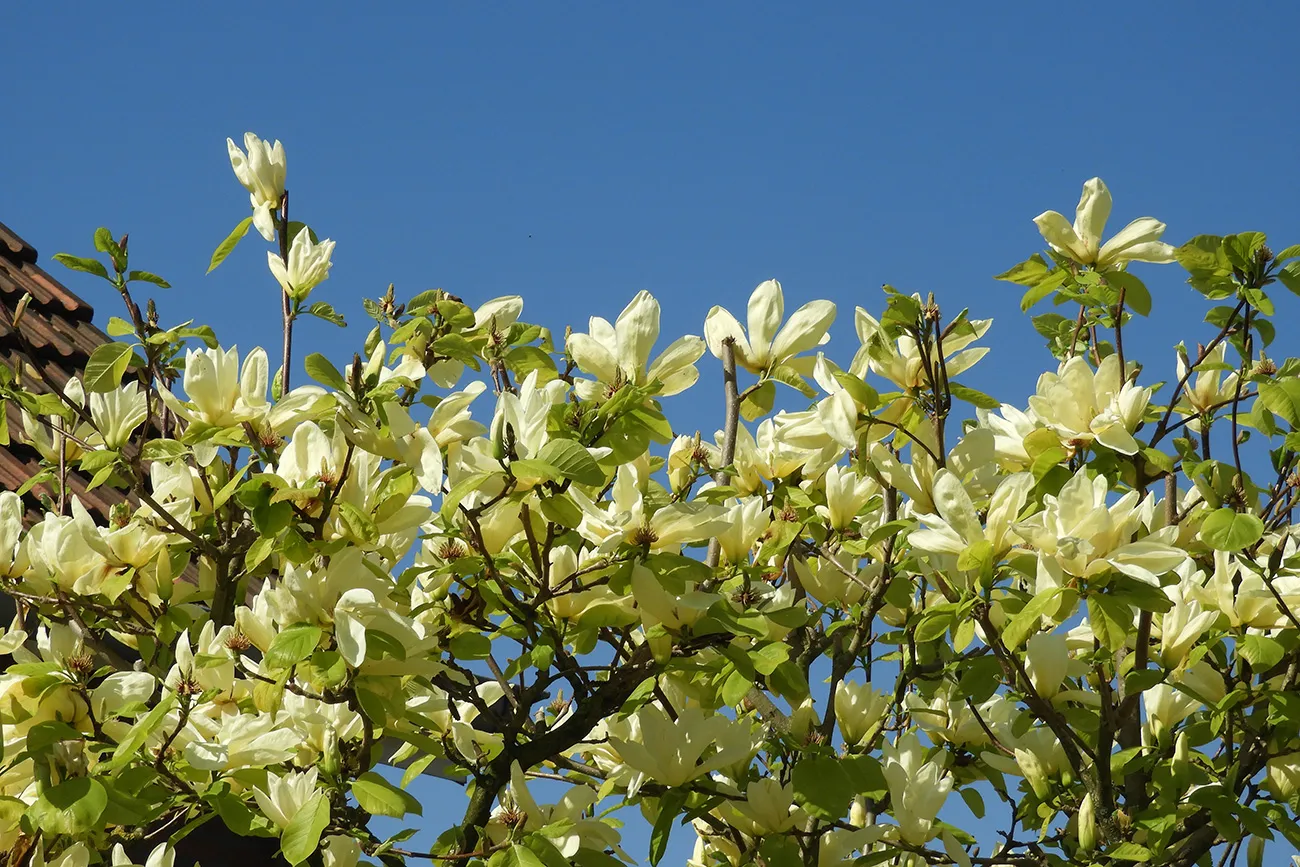
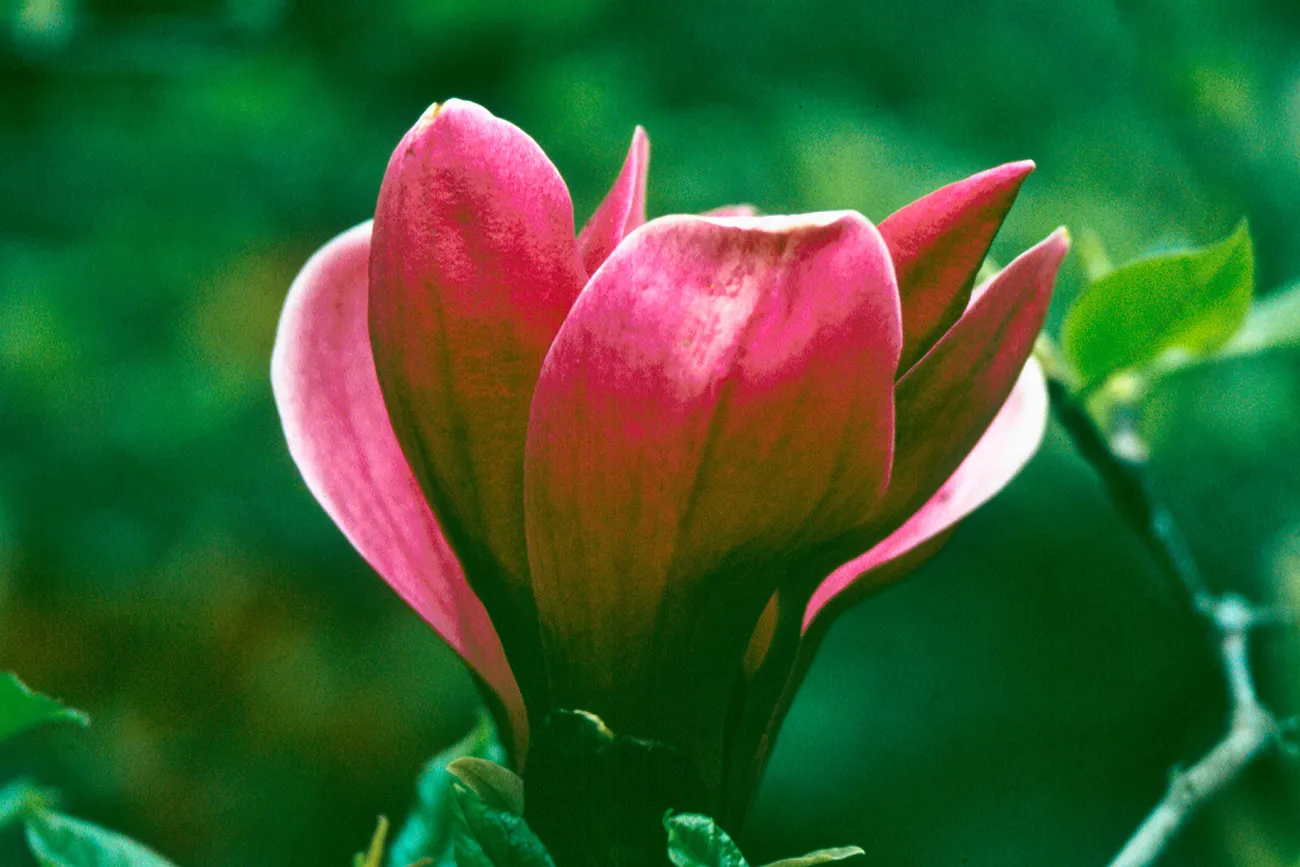
Magnolias are much-loved trees. Unfortunately, they flower for a relatively short time. What is more, almost everyone has the same species in their garden, namely stellata and x soulangeana, despite the fact that this graceful plant has so much more to offer. “Thanks to the NDV, I discovered Magnolia varieties with different flowering habits or flowering times. This means you can enjoy the beauty of this genus more intensely and for longer. That is why I have Magnolia ‘Atlas’ in my own garden, where its large flowers make it a real eye-catcher. The staggered flowering of Magnolia spectrum and Magnolia ‘Genie’ also ensures a long period of floral enjoyment. The Genie’s deep wine-red colour is a gift in itself. I gave Magnolia x soulangeana ‘Satisfaction’ a place in my garden because it has a more intense colour than Magnolia x soulangeana and flowers more profusely and for longer. Finally, Magnolia liliiflora ‘Nigra’ also gives me a rich display, this time in beautiful shades of purple. For yellow flowers, the profusely flowering Magnolia ‘Elizabeth’ is a lovely addition. Add a summer-flowering variety such as Magnolia grandiflora, and you can enjoy magnolias from early April to the end of September.”
Bringing spring forward
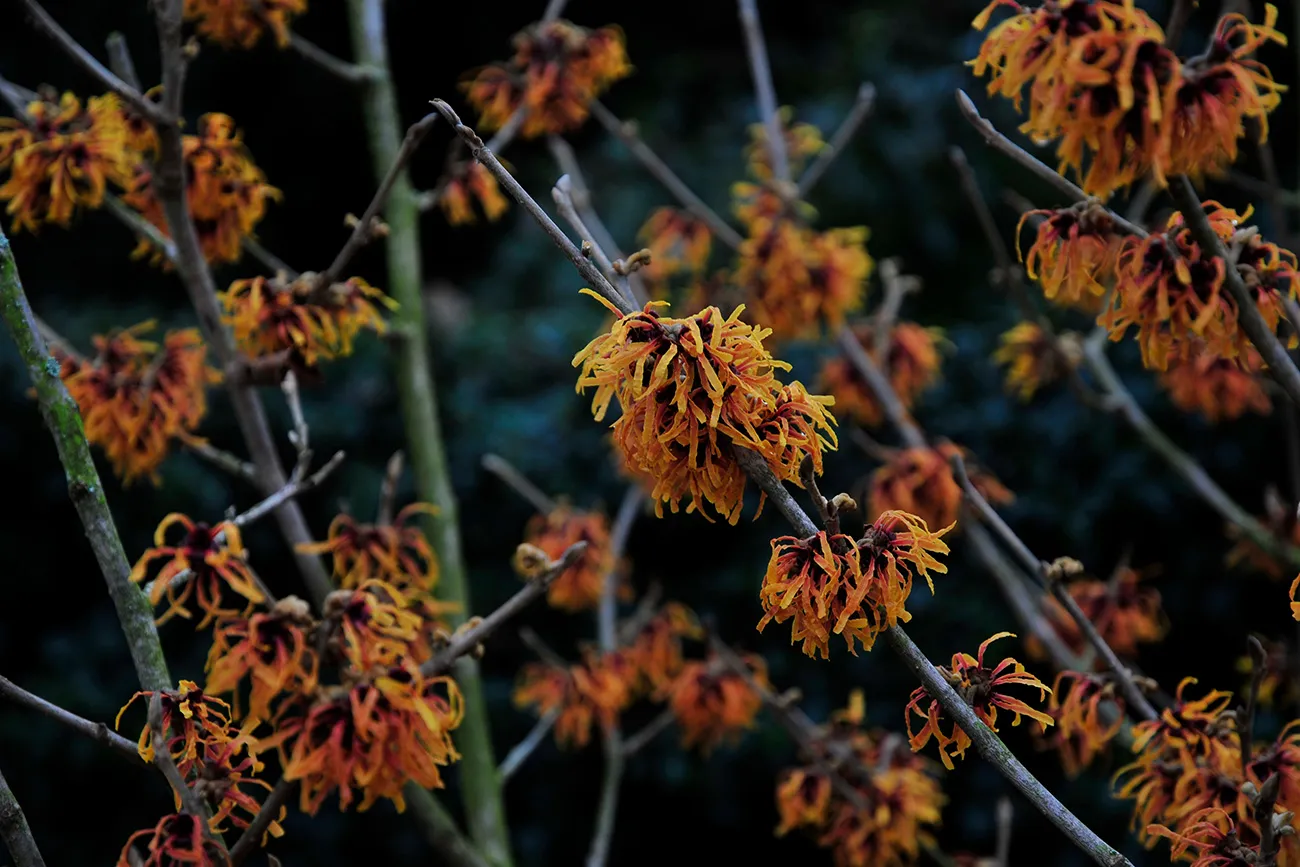
Witch hazel is a popular shrub for adding a splash of colour to the garden early in the season. A well-known variety is Hamamelis ‘Pallida’, which starts flowering in the second half of February and continues into March. At the NDV, however, Klees learnt that you can enjoy this shrub’s enchanting display of colour as early as December: “The varieties ‘Aphrodite’ and ‘Arnhem’ are also highly recommended for green-space professionals. The former flowers extremely profusely, with large copper-coloured flowers, while the latter has a beautiful progression of colour, starting with red and ending in magnificent copper tones. Hamamelis ‘Orange peel’ is also a beautiful gem.”
Question about this story? Ask your question
Keep following this
Get an email when a new story is published. No account needed.
- SubjectPublic green spaces