Garden landscaping & maintenance
A smart irrigation system? Here’s what to consider
Text Ramona KezerImage Wildkamp
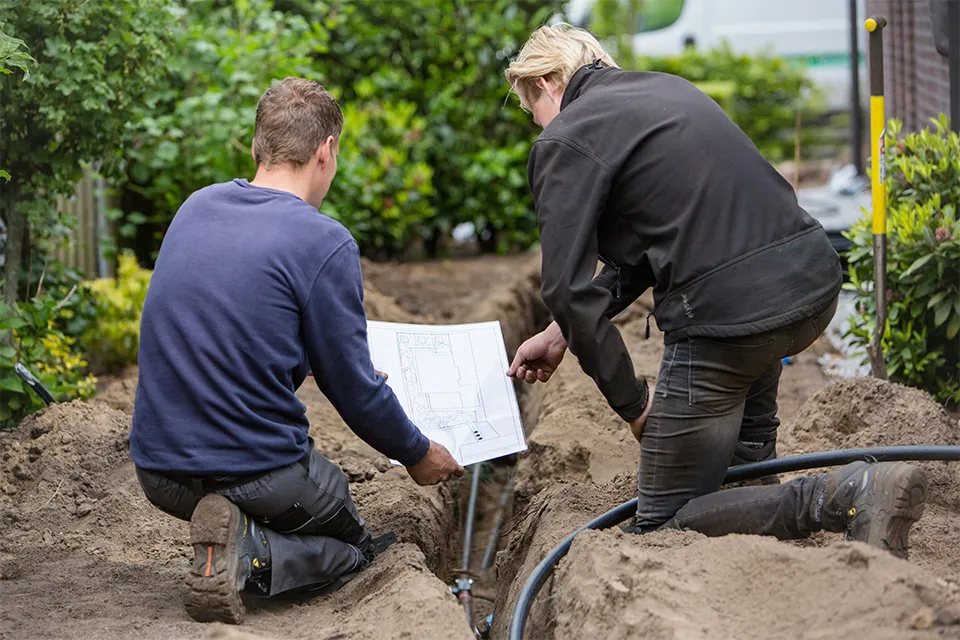
From the right pipes to sprinklers and a manifold
A well-functioning irrigation system starts with a good design and the right choice of materials. Wildkamp takes the pressure off green-space professionals with comprehensive advice. Product specialist Peter Blaauwgeers: “We produce designs every day and can tell green-space professionals exactly which materials they need. This matters because an irrigation system only works properly if it is installed correctly.”
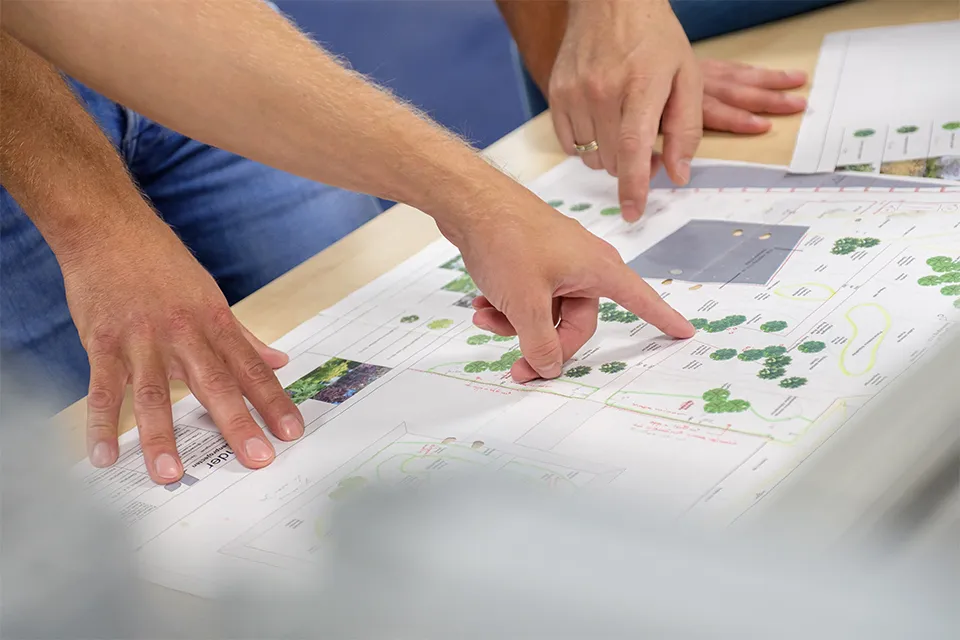
The first step is to divide the garden into different zones, such as the front garden, back garden, green garden or play area. A lawn has different water requirements from a border, after all. The zones can also be irrigated in stages, which means a less powerful pump is needed. The pipes should be buried about fifty centimetres deep to prevent damage from frost or digging. Blaauwgeers: “When designing the system, we aim to lay out the trenches as strategically as possible: a main trench with a 40 mm pipe and branches with 25 mm pipes. We advise landscapers to mark which pipe runs to each zone, for example with coloured tape. A metre beyond the last branch from the main pipe, a cap is fitted to act as a dirt trap. This prevents dirt from building up and ensures the system starts up without a hitch.”
Connecting pipes
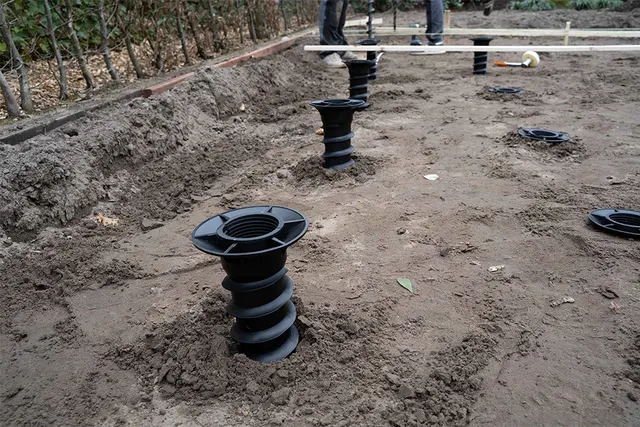
Blaauwgeers advises leaving the ends of the pipes protruding half a metre above the ground when laying them. Once the ground has been levelled, the sprinklers can then be installed at the correct depth, usually about 2-4 centimetres below ground level. “When laying pipes, installing the fittings correctly is an important consideration. For PE pipes, the process is: cut to length, mark the insertion depth, push into the fitting and tighten. PVC pipes are a little more involved: saw to length, deburr, mark the insertion depth, degrease the pipe and fitting, apply solvent cement to both, push them together and remove any excess cement. The cement then needs to dry, which can take three to four hours. PVC does, however, allow for a neater installation.”
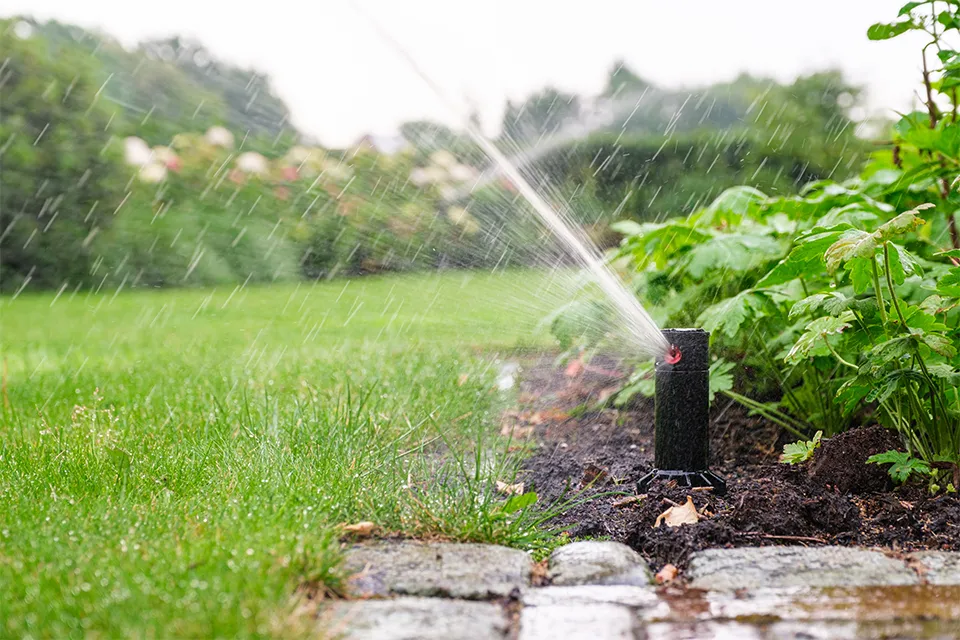
Sprinklers and nozzles
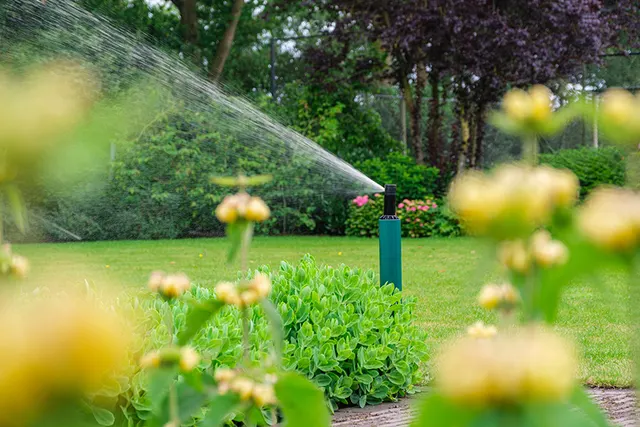
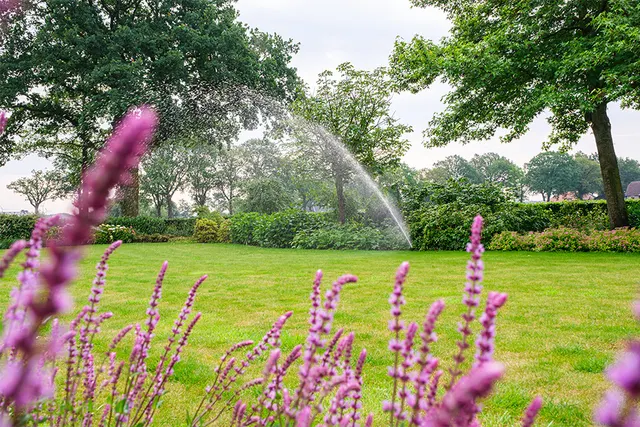
The next step is to install the right sprinklers in each zone. A gear-driven sprinkler is ideal for watering a lawn evenly, for example, while a misting sprinkler protects delicate plants in a flower garden. In borders, drip lines laid in parallel provide even water distribution. Sprinklers are best installed with a 90-degree elbow beneath each one, connecting the horizontal and vertical pipes, so that they can be levelled more easily. This ensures an optimal spray pattern. The right nozzle ensures the ideal spraying distance.
The final step is to install the manifold and, if required, an irrigation controller. The manifold directs water to the relevant zone and can be operated manually or automatically. This prevents the pump from having to irrigate multiple zones at once, which can adversely affect water pressure.

Adding an irrigation controller fully automates the system. The controller switches on the pump and opens the relevant valves at pre-set times. A filter can prevent dirt from clogging the sprinklers, while a maintenance connection makes it easy to blow through the system with a compressor.
Taking care of everything
If the landscaper asks Wildkamp to draw up the irrigation plan, the quotation lists all the components and materials by zone. “Taking care of everything comes naturally to us. We’re happy to draw up a complete irrigation plan and indicate the most efficient pipe route. So if we’re involved at an early stage, the landscaper won’t have to work out the most cost-effective solution themselves.”
A business enquiry for Wildkamp? Get in touch
Companies in this story

Keep following this
Get an email when a new story is published. No account needed.
- ThemeSoil and water in balance
- SubjectGarden landscaping & maintenance
- CompanyWildkamp