Every drop counts: innovative solutions for water management
Text Ramona Kezer en Jeanette van SwaalImage Wildkamp
What if no water came out of the tap? Much of the Netherlands is already facing structural water shortages. In regions such as Utrecht, Twente and West Brabant, the shortage is so severe that some businesses and new-build projects can no longer be connected to the mains water network. This calls for innovative solutions and a new approach to water management.
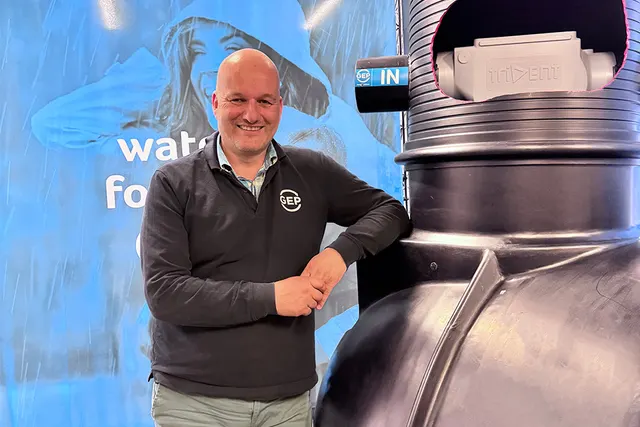
Rudolf van de Velde, product specialist at Wildkamp, draws inspiration from our neighbours to the south. “Collecting rainwater is already mandatory in Belgium. The cost per cubic metre of water is also higher there, which makes it more necessary.” The approach in Belgium is already paying off: people in Flanders use an average of 89 litres of tap water, 11 litres of rainwater and 2 litres of groundwater per day. This approach offers valuable insights for the Netherlands, where the Ministry of Infrastructure and Water Management has set an ambitious target: to reduce the average Dutch person's drinking water consumption from around 130 litres to 100 litres per day by 2035.
Measures to save drinking water
Policy interest in measures to save drinking water is growing, both through changes in consumer behaviour and by replacing drinking water with rainwater and greywater systems. There is also research into whether a different pricing structure could help reduce drinking water consumption, for example by introducing a higher rate above a certain level of consumption. This could encourage consumers and businesses to use water more consciously.
At Wildkamp, demand for water-saving solutions is increasing. Van de Velde: “We are already seeing businesses unable to expand because the water utility cannot guarantee sufficient water capacity at peak times. Drinking water is also forecast to become considerably more expensive in the coming years. Water utilities pass these costs on to large-scale users. These are among the reasons why more and more businesses are seeing the benefits of recycling rainwater and investing in it.”
Infiltration
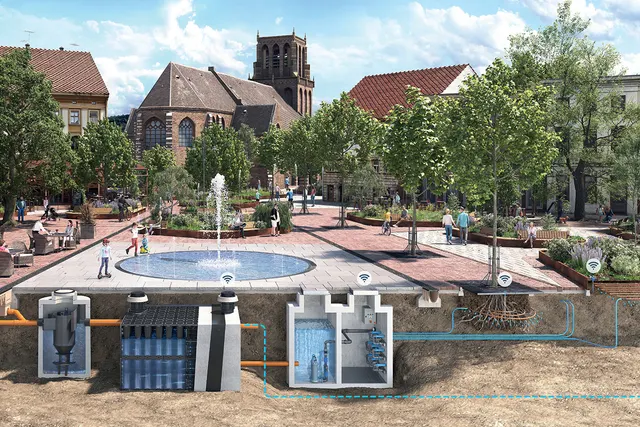
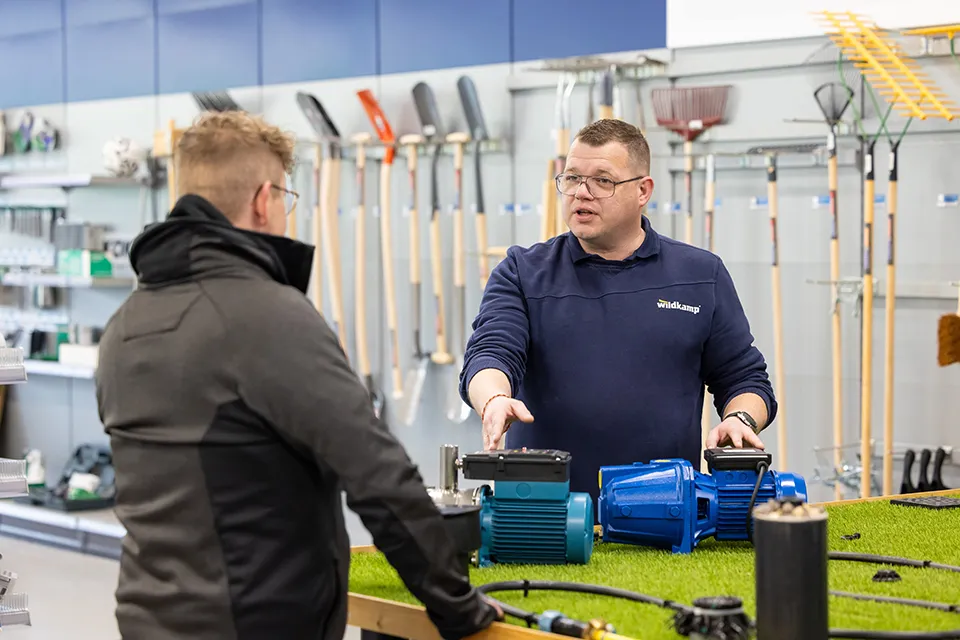
Wildkamp is constantly looking for sustainable solutions to prevent water waste, such as collecting, infiltrating or reusing rainwater for flushing toilets, washing or garden irrigation. Van de Velde stresses: “We are increasingly experiencing both flooding and prolonged drought. Draining rainwater into the sewer is wasteful, especially when gardens need water. Infiltration systems, such as soakaway crates, store water during heavy rainfall and allow it to seep gradually into the ground. This helps maintain groundwater levels and prevents the soil from drying out quickly.”
Collecting and reusing rainwater
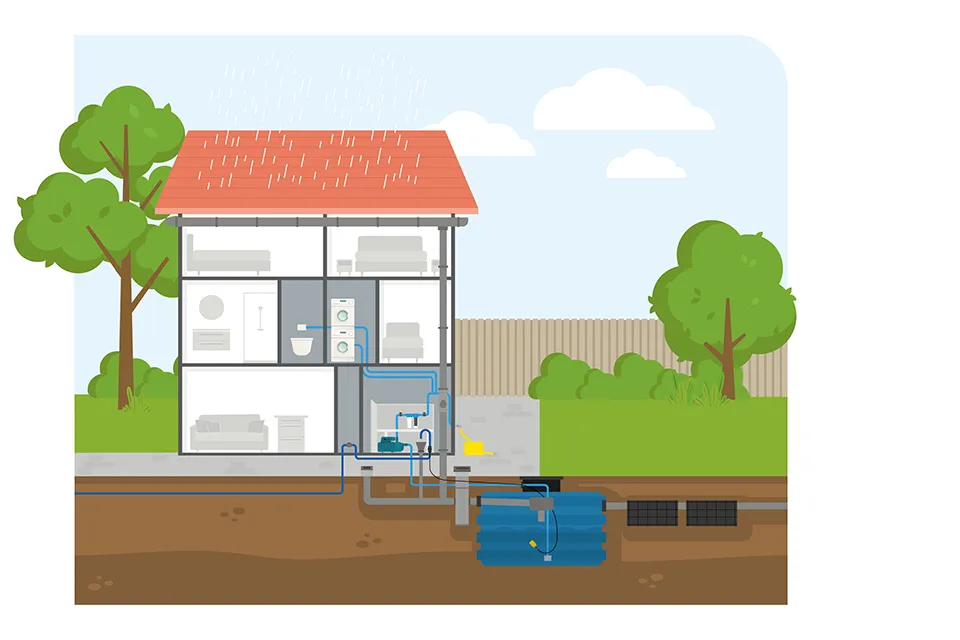
Another solution is to collect and reuse rainwater. Van de Velde explains: “Using filtered rainwater for the washing machine, garden or toilet flushing also saves precious drinking water. Our rainwater system makes this possible safely and reliably. It collects rainwater, filters it and then pumps it back to the points of use on the property.”
Tackling water shortages requires innovative solutions and policy measures. By drawing inspiration from countries such as Belgium and investing in sustainable systems such as rainwater storage systems, we can reduce water consumption and be better prepared for the future. “With our extensive range of infiltration products and rainwater collection systems, we can provide our customers with a complete system to make smarter use of rainwater,” concludes Van de Velde.
Een zakelijke vraag aan Wildkamp? Get in touch
Companies in this story
Keep following this
Get an email when a new story is published. No account needed.
- SubjectDrainage
- CompanyWildkamp