Garden landscaping & maintenance
Groenadvies Amsterdam offers a helping hand: “We look, measure, dig, sketch and advise”
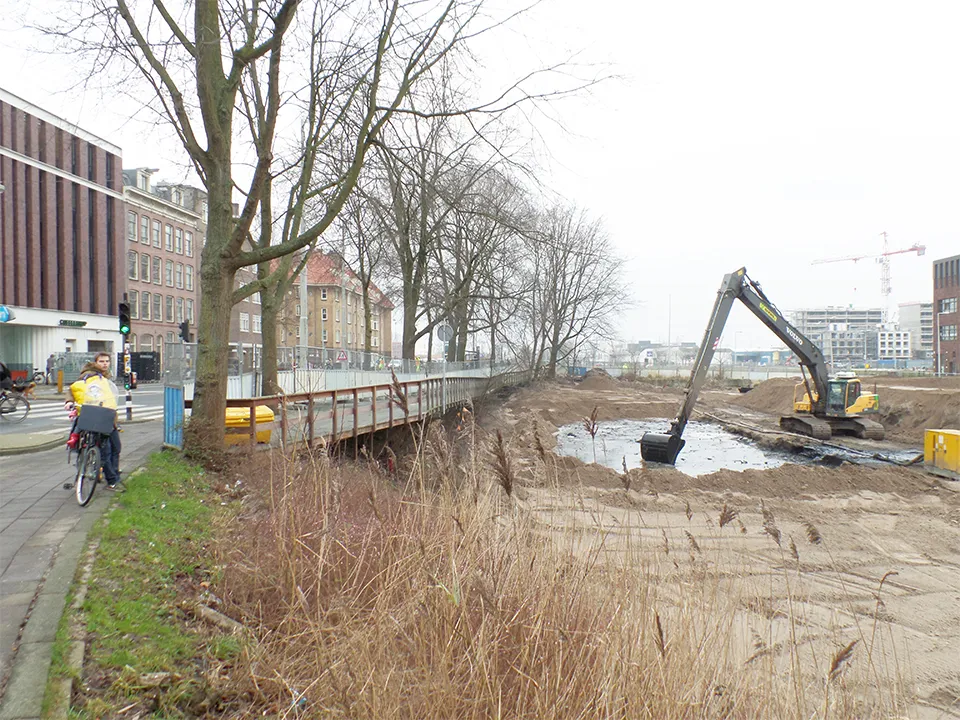
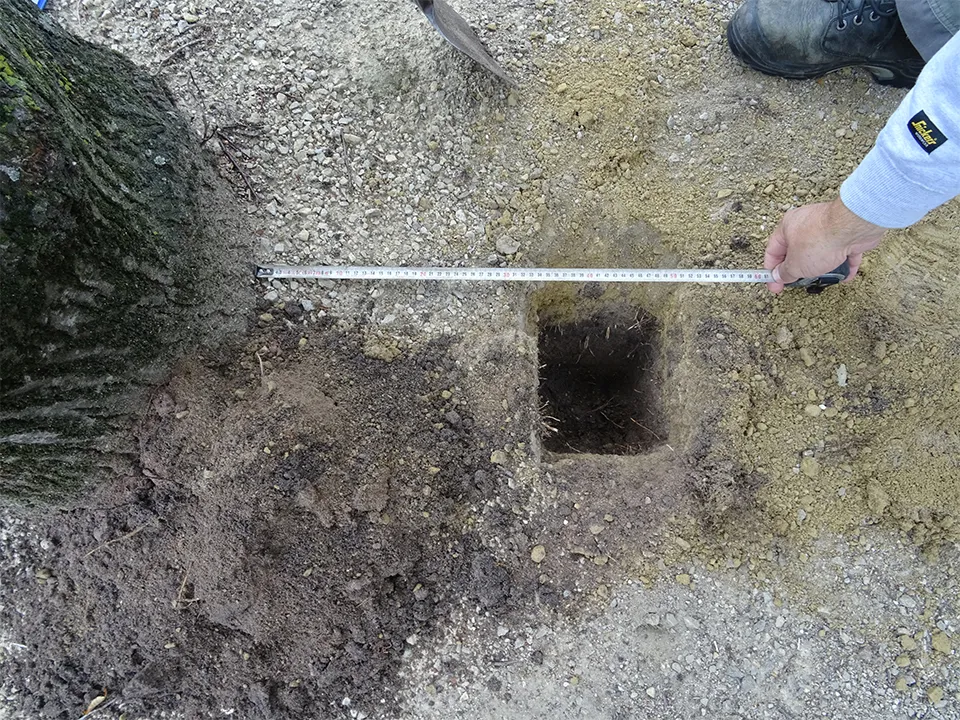
At Artis Zoo, surveying trees that may have to go following a renovation; carrying out a tree impact assessment for a road tunnel project; or trying to preserve 25 landmark trees during sewer installation. Groenadvies Amsterdam bv, based in Wormerveer, provides advice from policy to management and from the initial planning stage through to implementation.
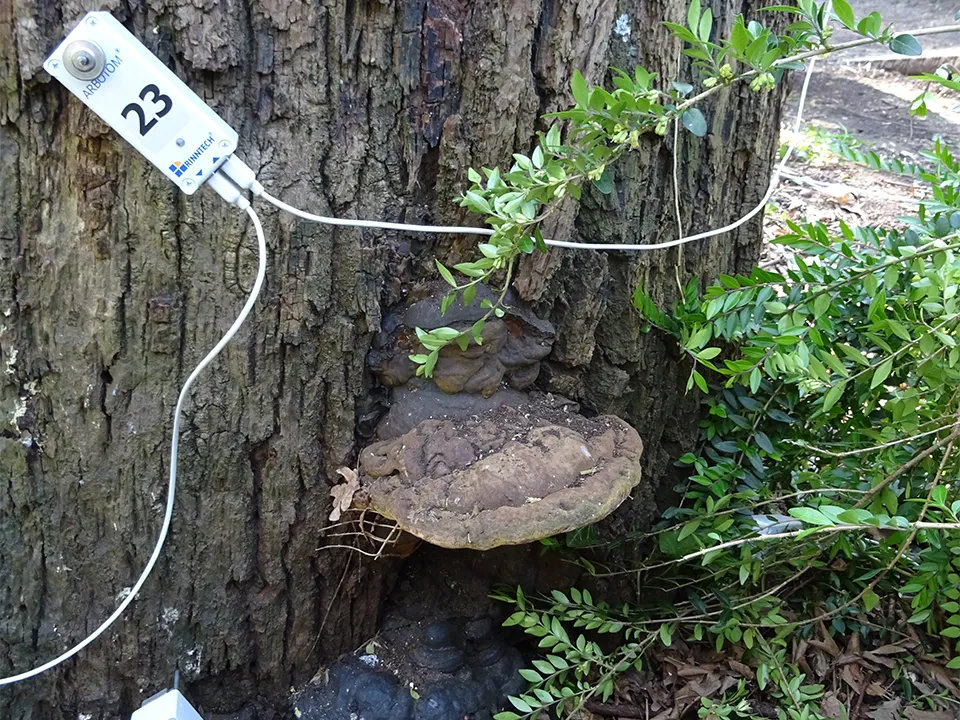
Managing director and co-owner Bart Stoffer: “We are a consultancy with nine employees. We do not carry out maintenance work, but provide advice on everything to do with greenery in public spaces. As trees are the largest plants, they are often the source of the biggest problems. That is why we answer most questions about them. For example, what should you do about a tree affected by fungus? Is it still safe? Can it remain where it is? Can anything be done about it? Another example: what impact will a theatre festival in the city park, the renovation of a neighbourhood or work on underground cable infrastructure or sewers have on the greenery?”
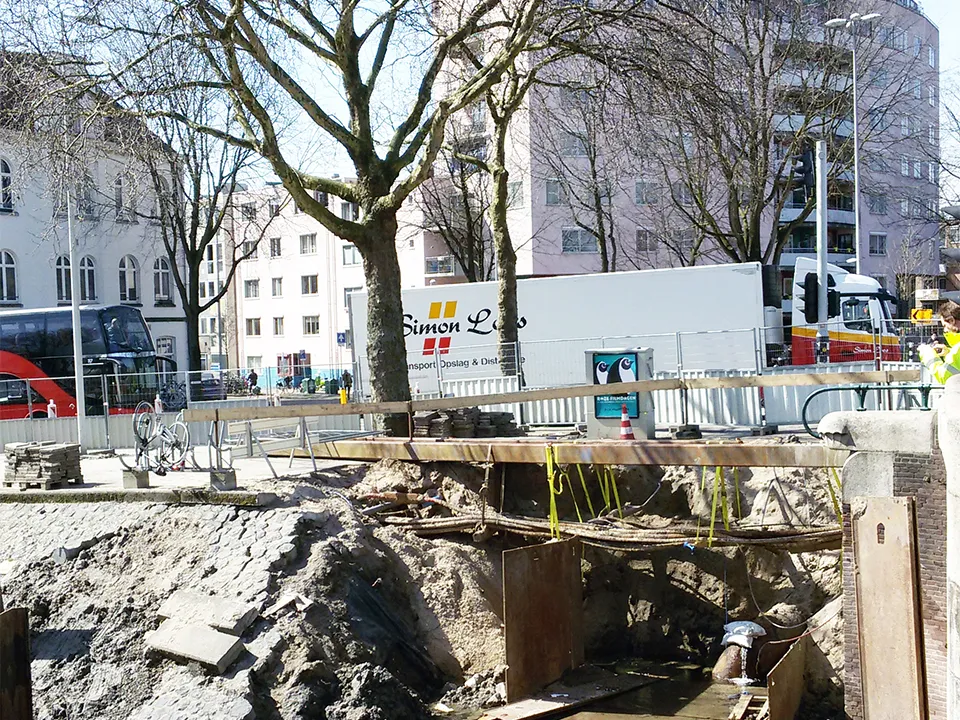
Questions often come from local authorities. The consultancy works closely with Amsterdam, as well as with other municipalities and major clients such as property developers, housing associations and civil engineering contractors. Stoffer: “Every party wants to know what the potential impact will be as they develop their plans. Our approach? We take a close look at the plan, visit the site and investigate. Much of our advice lies at the intersection of biology on the one hand and engineering on the other. For example, when assessing plans for the renovation of street surfaces, we understand not only trees, but also a range of working methods and alternatives. It is our job to answer questions, and as our investigations progress, we come across all sorts of issues. If we do not have enough information to hand, we ask the client to provide it. For example, a municipality may be planning to install a sewer using an innovative method. To determine what that means for the greenery, we need to know what the method involves.”
Independent advice
For every question, Groenadvies Amsterdam sets out the pros and cons. “We provide independent advice, and it makes no difference to us who asks the question. That applies even in a dispute between a private individual and a municipality over the felling of a large tree that blocks sunlight from a home. Every party gets the same answer. Our objectivity and reliability depend on that. It is up to the stakeholders whether or not they accept and act on our advice.”
If a project eventually gets under way, Groenadvies Amsterdam will keep an eye on things from the sidelines. “That is to make sure the greenery is not damaged after all. An enthusiastic excavator operator digging a hole has different priorities from protecting the greenery he encounters at work. It takes people skills to persuade him. We are also happy to offer on-site advice, for example on pruning a branch that is obstructing the work, even if that was not the original reason we got involved. It is not all black and white.”
A field of its own
The Netherlands has long had legislation in place to protect nature.
Stoffer: “Yet it is only in recent years that ecology has really begun to gain traction among a range of parties, such as property developers. When they buy a site to build property on, with the greenery set to make way, they realise: ‘Oh yes, we still have to do something under the Nature Conservation Act.’ In such cases, we carry out quick scans or further investigations and advise on what is permitted and possible. Local regulations can also vary from one municipality to another. We also help with permit applications, for example when bats or swifts have taken up residence in an old block of flats owned by a housing association that is about to be renovated.
Groenadvies Amsterdam started out with four employees more than fifteen years ago, working mainly in Amsterdam and the surrounding area. The company is always looking for motivated people with a practical approach to green spaces. “The work is enjoyable, especially when the projects get bigger, such as turning an industrial area on the edge of the city into a residential district or redeveloping a city park. It is varied and mostly outdoors. It is also important to present a clear case on paper, preferably as concisely as possible. You need to be able to get to grips with research reports quickly, attend construction meetings and explain or even defend your advice. It is all part of the job. So is accepting that we are the odd ones out in the civil engineering world, where other parties cannot always understand what we are talking about. In short, we are often looking for someone who can do it all, and we value affinity with the work and skills more than qualifications.”
A wide range of projects
Several projects are in the pipeline at Artis Zoo over the next few years: replacing animal enclosures, renovating buildings and removing greenery, including trees, in various locations. “Many of these interventions affect protected plant and animal species in the park, other than the zoo animals, and we were asked to identify them first. Other projects include urban development along Spaarndammerdijk and in the former Houthavens in Amsterdam; replacing the sewers in a neighbourhood in Zaandam, where we assessed the fate of a number of landmark trees; and a partly collapsed quay wall on Amsterdam’s Nassaukade, caused by a burst water main, where two trees were obstructing repair work. We look, measure, dig, sketch out the situation and advise,” Stoffer concludes.
Question about this story? Ask your question
Keep following this
Get an email when a new story is published. No account needed.
- ThemeTrees and plants for tomorrow
- SubjectGarden landscaping & maintenance