Garden landscaping & maintenance
‘The initial results speak for themselves’
Text Herman van AalstImage eWeeding
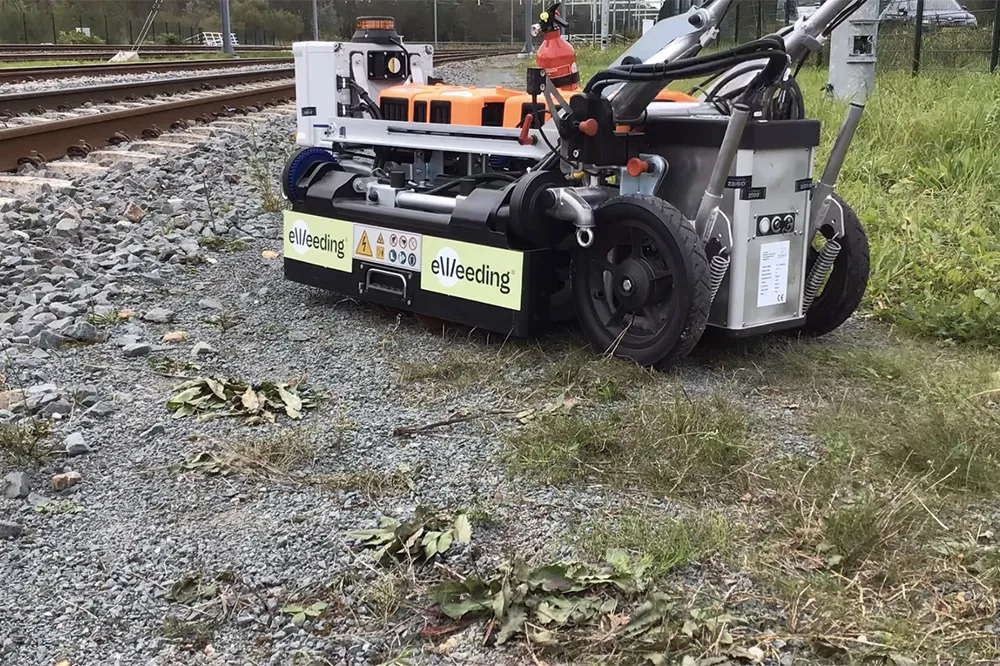
Tackling weeds with electricity
Traditional weed removal is a challenge, particularly when temperatures are milder and the weather is wetter. Michel and Sonja Wimmers of Wimmersson BV have an alternative at their disposal with their eWeeding products. Michel: “The principle is simple: electric current passes through the weed, damaging its cells and killing the plant. The initial results are very good.”
eWeeding is a registered trademark in the Benelux and will soon be registered across Europe too. Michel: “The eWeeding concept originated in 2019 as an innovation project run by the Environmental Science department at Bayer CropScience in the Benelux. My wife Sonja and I set up Wimmersson BV, through which we independently supply a range of innovative products. We are ambitious and ultimately want to serve the entire market. Think of companies that, in turn, make a responsible contribution to removing invasive alien species, keeping paved areas free of weeds or treating hard-to-reach places such as around lampposts or beneath a public bench. For this reason, we are developing a model for use in towns and cities. In the future, all equipment will need to be electric and therefore emission-free. We develop products for trained users working in green space management. They receive thorough training from us beforehand and a proper certificate on completion.”
The eWeeding Roller
In 2023, Wimmersson BV brought the compact eWeeding Roller to market in collaboration with German company ZOFF, a joint venture between Zasso and Neudorff. Michel: “They are the world leaders in electric weed control. They have developed a battery with a voltage of 220 volts, to which we connect a transformer that delivers a high voltage of between 5,000 and 10,000 volts. We began extensive testing in the Netherlands and Belgium in the summer of 2023. Having good equipment is one thing, but the results have to speak for themselves.”
Chemical herbicides were traditionally used to achieve good weed control. As their use is now prohibited, the industry has switched to mechanical methods such as hot water, thermal treatment or brushing. Michel: “These methods are far from ideal: they have no effect on roots, are labour-intensive, brushing carries a risk of flying stones, transporting, heating and pumping hot water requires extra energy, and burning off weeds carries a risk of fire.”
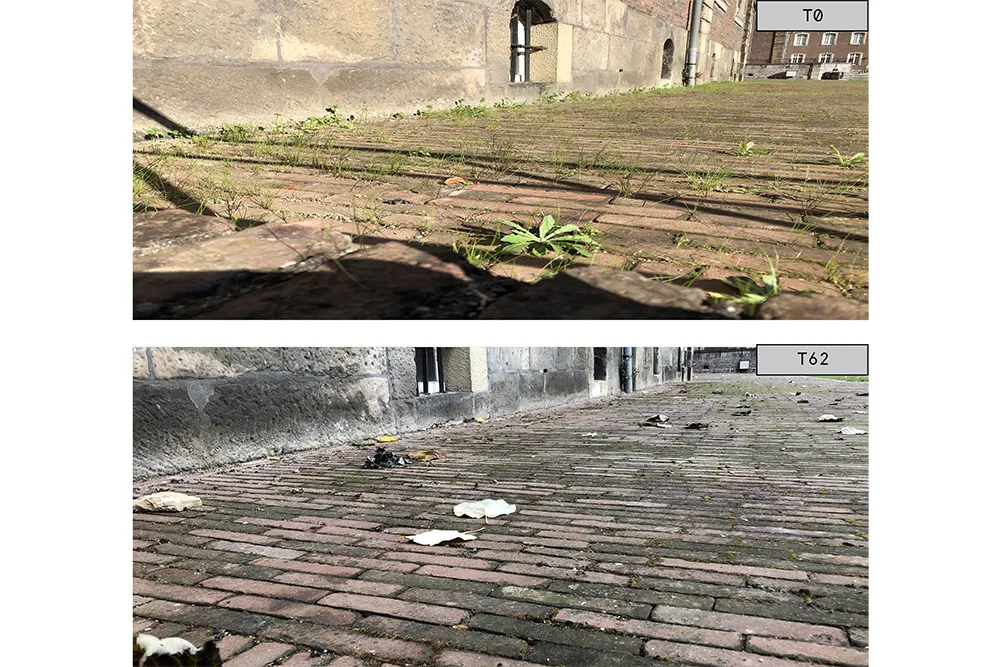
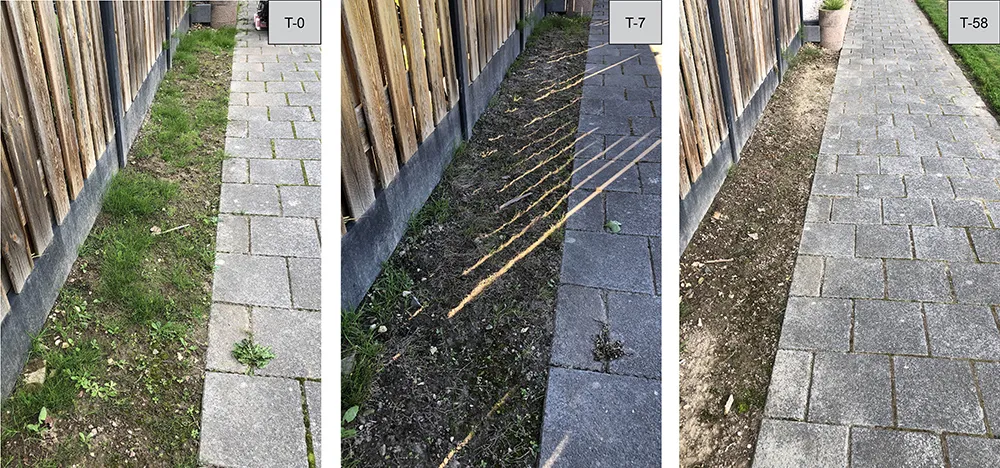
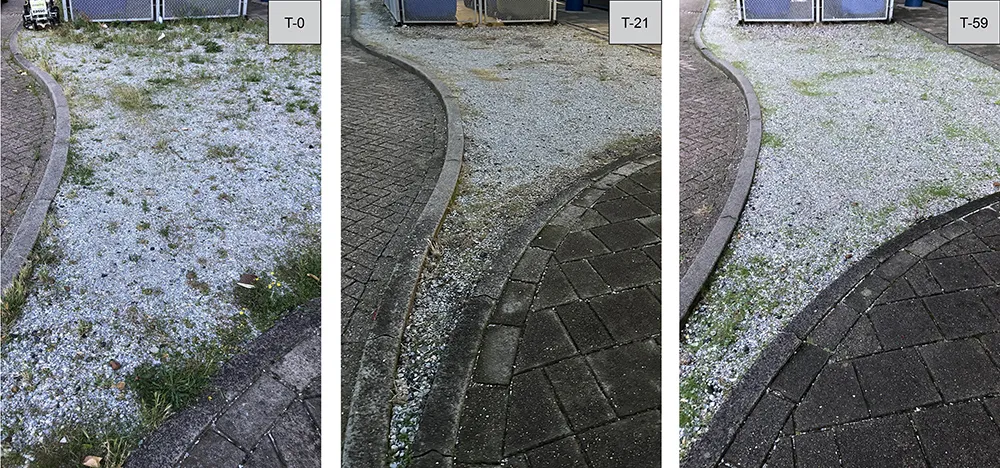
Results make the difference
Michel: “We have carried out extensive testing and are presenting our impressive results. We find that two to three months after treatment, the visual quality is still better than at the outset. The existing weeds are gone; what is dead does not come back, and anything new is newly germinated weed. And all of that after a single treatment. At most, we return to treat new weeds, or where root systems have become so large due to a lack of maintenance. This saves municipalities, cleaning services, railways, grounds maintenance companies and landscapers 50 to 75 per cent of their valuable time, and the initial results speak for themselves: efficient, sustainable and environmentally friendly.”
Een zakelijke vraag aan eWeeding? Get in touch
Companies in this story
Keep following this
Get an email when a new story is published. No account needed.
- ThemeNature-friendly green space management
- SubjectGarden landscaping & maintenance
- CompanyeWeeding