









A step-by-step plan for the perfect compromise
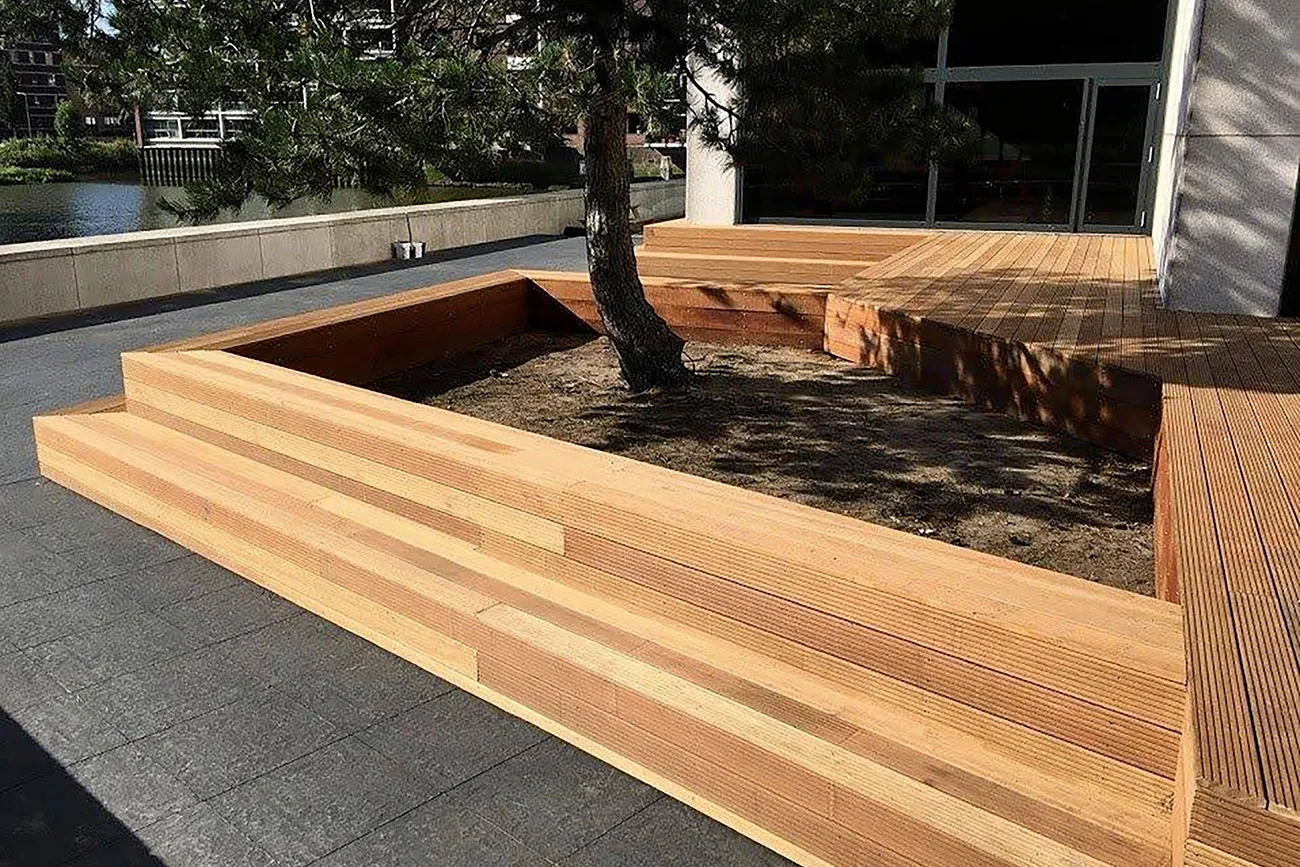
Caring for our trees and green spaces: Van Voorthuizen Boom & Groenverzorging B.V. has been doing so with dedication and enjoyment since 1999. Founder Gijsbert-Jan van Voorthuizen tells us more about his work: “Preserving and promoting a green, healthy living environment is very important to us.”
‘Looks good on paper, but isn’t feasible in practice’
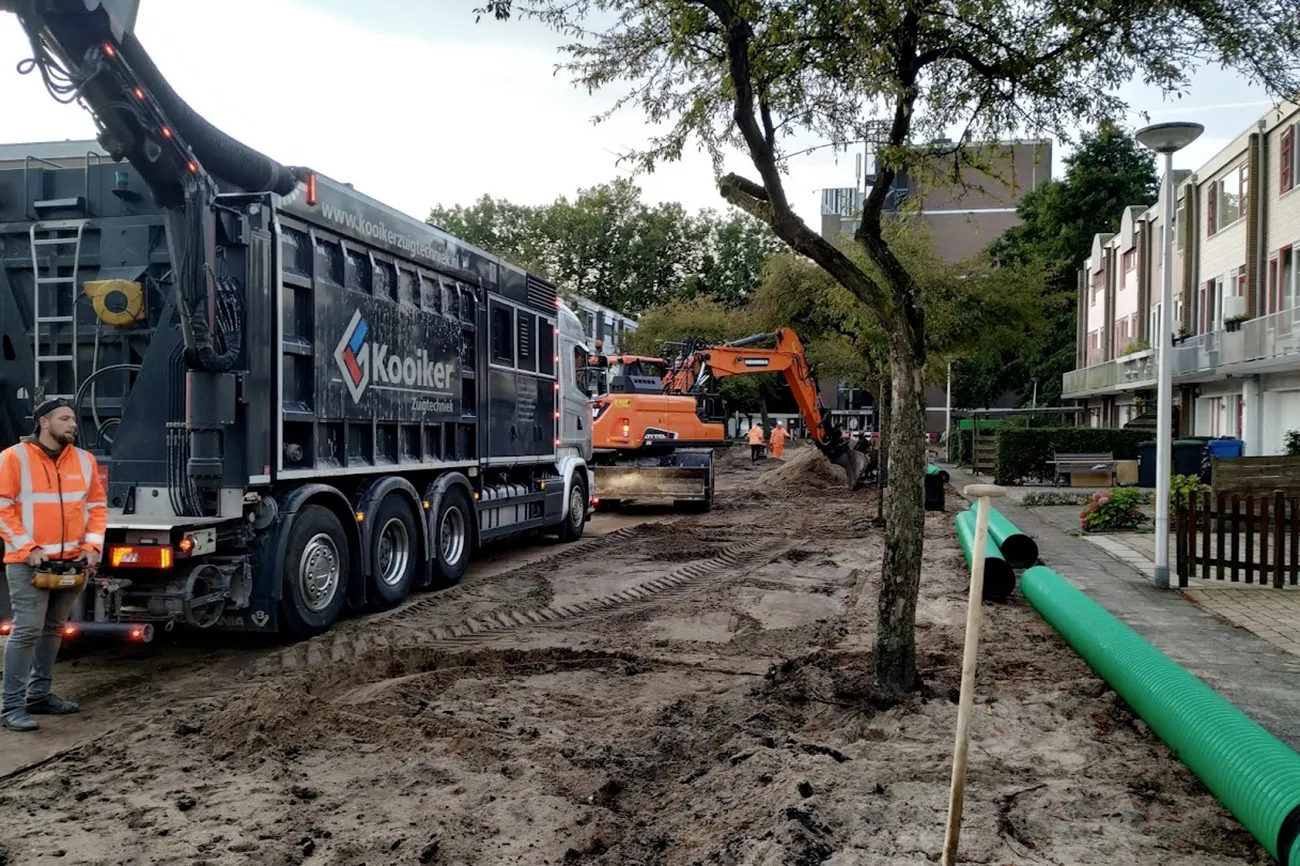
Finding a compromise is very important, especially in the Netherlands. Van Voorthuizen explains: “In the Netherlands, space is limited. In practice, we often see different parties with new projects competing with one another. To be precise, they are competing for the available space. But in reality, more compromises are possible than parties think beforehand.”
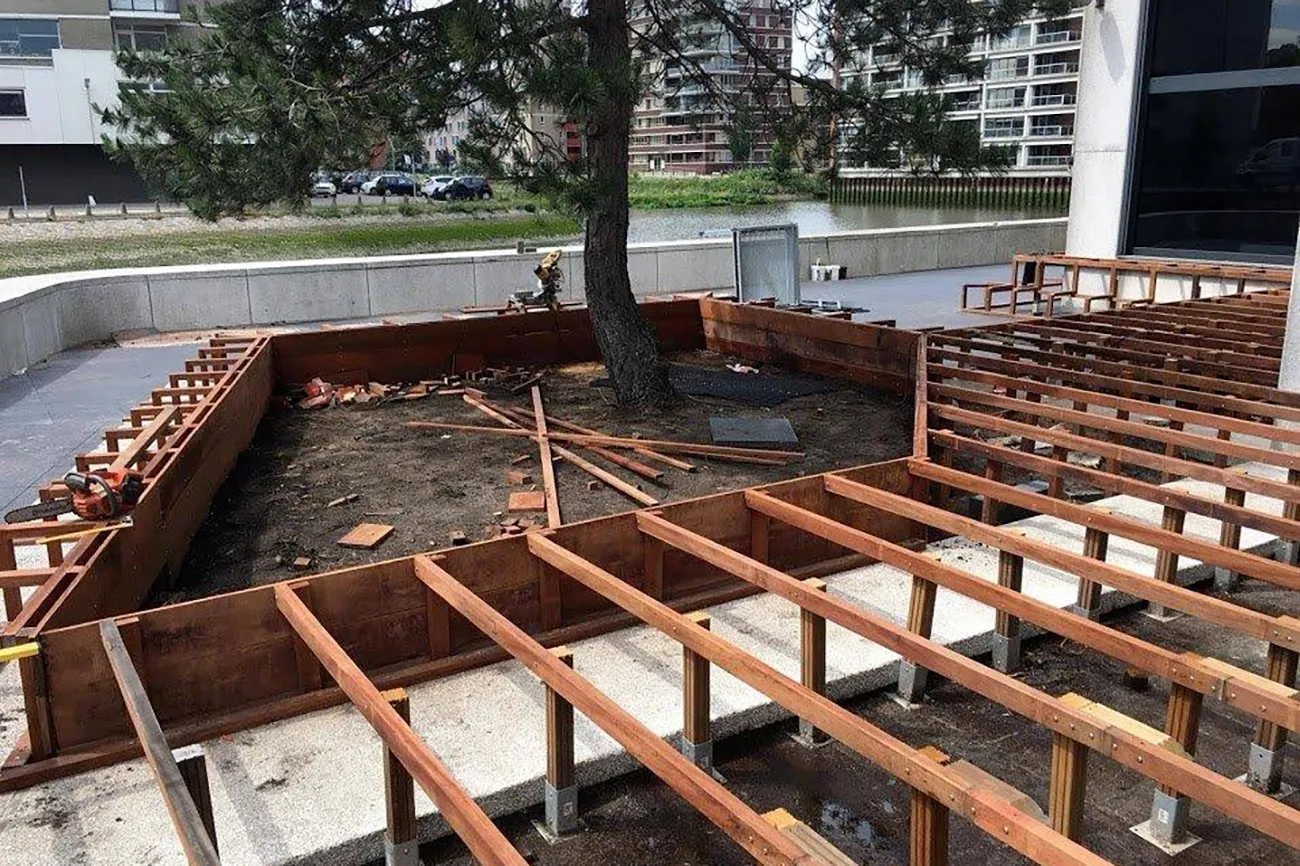
How does Van Voorthuizen approach this? “I often work with a step-by-step plan. This means we look not only at the tree, but also at its surroundings and the possibilities. Take planting a tree in a car park in an urban environment, for example. It is important to determine how best to combine paving and green space. If you invest underground, things can flourish above ground.”
A good start is half the battle
“When I start work on a new project, I always begin with a preliminary study. I focus on three points: What are the project’s starting points? How will the brief be assessed? And what is the function of the trees? Let’s go back to the example of a tree in a car park. You are given the project’s starting points, but what exactly is the study area? And what is the soil quality? We work these points out in more detail.”
The tree’s function is also important, of course. “For example, is it a tree with a tall structure? Or is it a prominent feature of the landscape? It is important to work out how much you are willing to spend on the tree. That is why we carefully consider its future prospects and whether it has any other values before investing a lot of money in it.”
Site survey and analysis
Van Voorthuizen then carries out a site survey. “First, I look at the tree’s condition, then I carry out a spatial study. If the tree is going to grow in the car park, will it still fit? Both above and below ground? The final step in the site survey is to look at the opportunities and constraints. For example, if there is not enough room for roots to grow underground because of utilities, enlarging the roundabout could be an opportunity.”
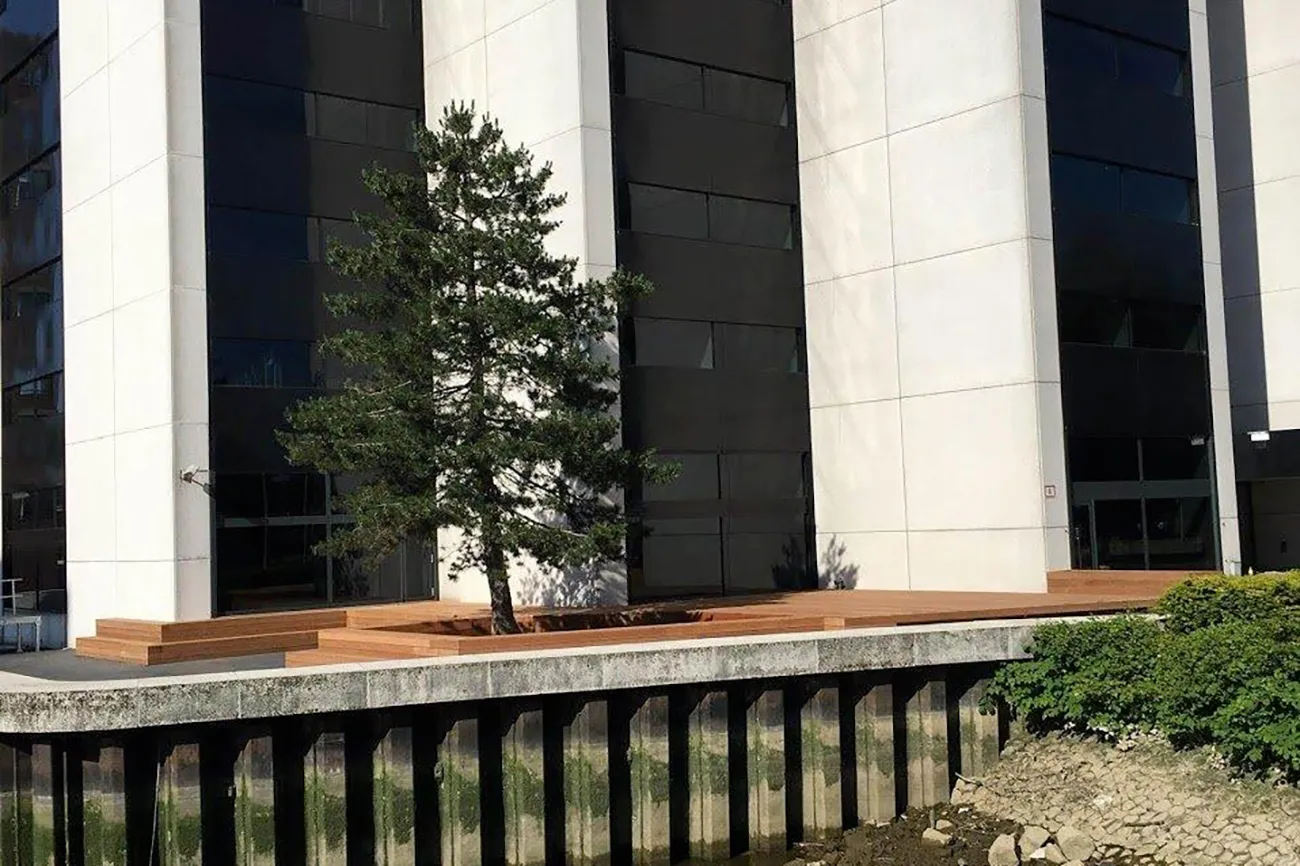
“The third step is the analysis. We look at the impact on both above-ground and underground use of space, as well as the impact on the work itself. In practice, we often find that something looks good on paper but isn’t feasible to carry out. Take a
pile-driving rig, for example. The machinery needs space above ground and often clashes with the tree canopy. We therefore always consider whether other techniques could be used, or whether the tree might need to be transplanted.”
Final assessment
The final stage of Van Voorthuizen’s step-by-step plan is to draw a conclusion and provide corresponding advice. “What is the final assessment of the effects? It might conclude, for example, that no work is permitted. Or that work is permitted, but only subject to certain conditions.”
“We also look at any conditions and alternatives. These conditions are based on the ‘Werken rond Bomen’ tree poster. Alternatives might include changes to the design or proposal, other technical modifications, or the use of specific materials.”
Van Voorthuizen emphasises: “I use this step-by-step plan as the basis for almost every project I take on. This means we always arrive at a good compromise and make the best possible use of our limited space.”
Question about this story? Ask your question
Keep following this
Get an email when a new story is published. No account needed.
- SubjectGeneral







