









A sustainable tree population starts with research
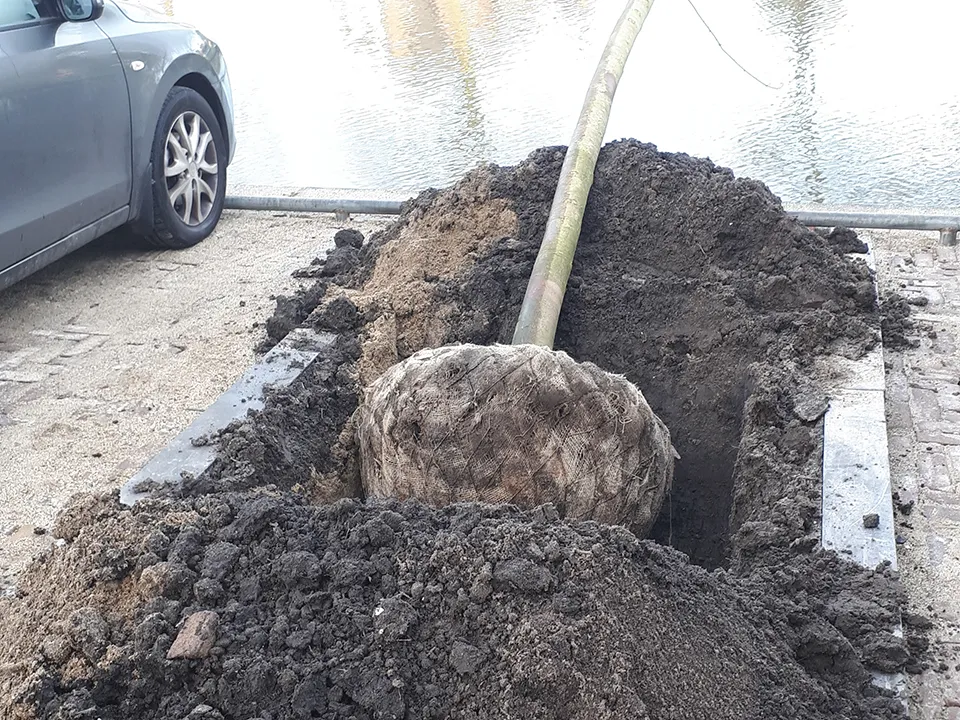
When people plant a tree, they want future generations to enjoy it too. However, most trees in the Netherlands do not last much longer than 40 or 60 years. Bomenwacht Nederland believes this can be changed. Through thorough research, a broad perspective on trees and collaboration with professionals and local residents, the organisation is shaping a multi-year plan through the TreeMark Woerden project.
The municipality of Woerden wants a future-proof tree population that makes a measurable contribution to the urban climate and biodiversity. To achieve this, the four-year TreeMark Woerden project has been launched. Bomenwacht Nederland has been brought in as an independent knowledge partner to shape the multi-year programme. “To achieve climate-resilient tree management, the city needs to be viewed as one large ecosystem,” says Ronald van den Brink, programme manager for spatial development.
From tree numbers to canopy volume
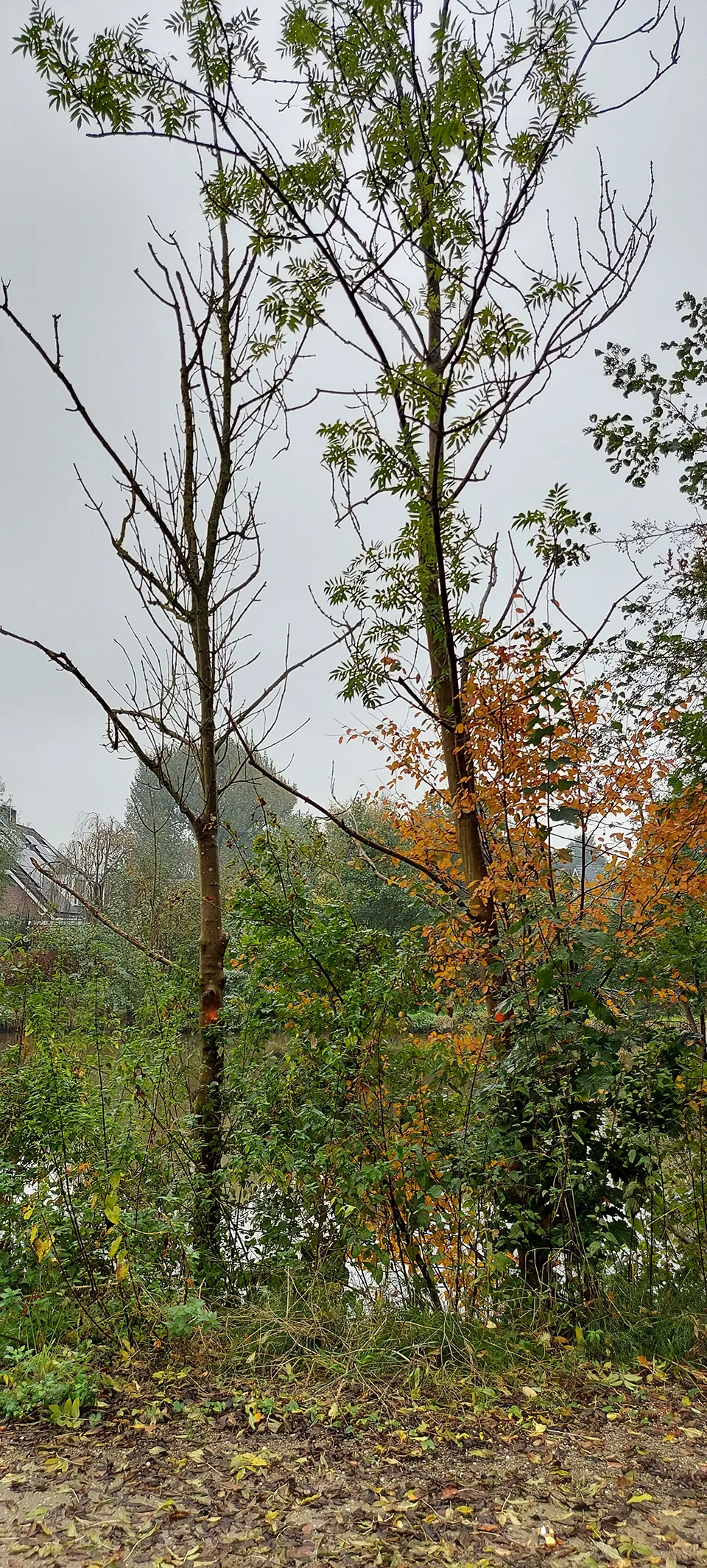
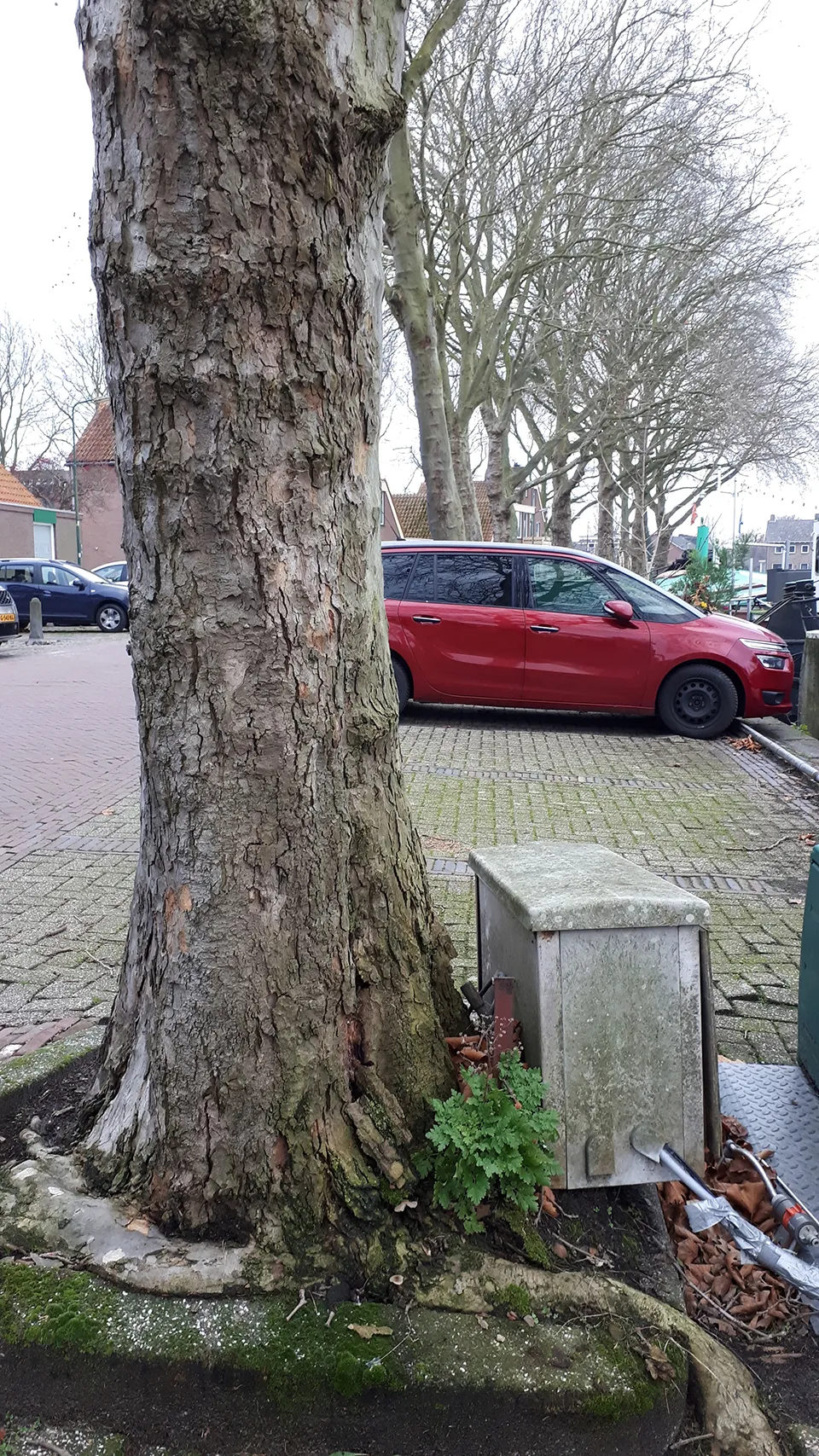
There are around 30,000 trees in the municipality. In urban environments, trees have a limited lifespan, so an estimated 700 trees in Woerden need to be replaced each year. “We want to plant new trees with a lifespan of at least 60 to 80 years.” But Van den Brink stresses that the quality of the trees matters most. “Trees provide cooling, improve water management, store CO2 and support biodiversity. How much a tree can contribute depends heavily on its species, trunk diameter and eventual canopy volume at maturity. The larger, thicker and older a tree grows, the more ecosystem services it can provide. If a tree cannot develop to its full potential, planting and maintaining it is simply a waste of time and money.”
Bomenwacht Nederland therefore focuses on optimising tree growth and considers the benefits trees provide. “We plan which trees to retain and which to replace, where there is room for additional trees, and where we can improve growing conditions. We also select sites for TreeParks: small woodland areas with a recreational and educational purpose. i-Tree makes the benefits of green infrastructure visible
Bomenwacht Nederland uses i-Tree, a software programme that shows the value of a tree. Each tree provides ecosystem services such as CO2 storage, particulate matter filtration and cooling. i-Tree calculates a tree’s annual and future benefits, and also shows costs such as management and maintenance. “i-Tree is a tool that can be very useful to policymakers and tree managers, because it objectively factors in all kinds of costs and benefits. This makes it clear that investment in growing conditions pays for itself.”
A good home for every tree
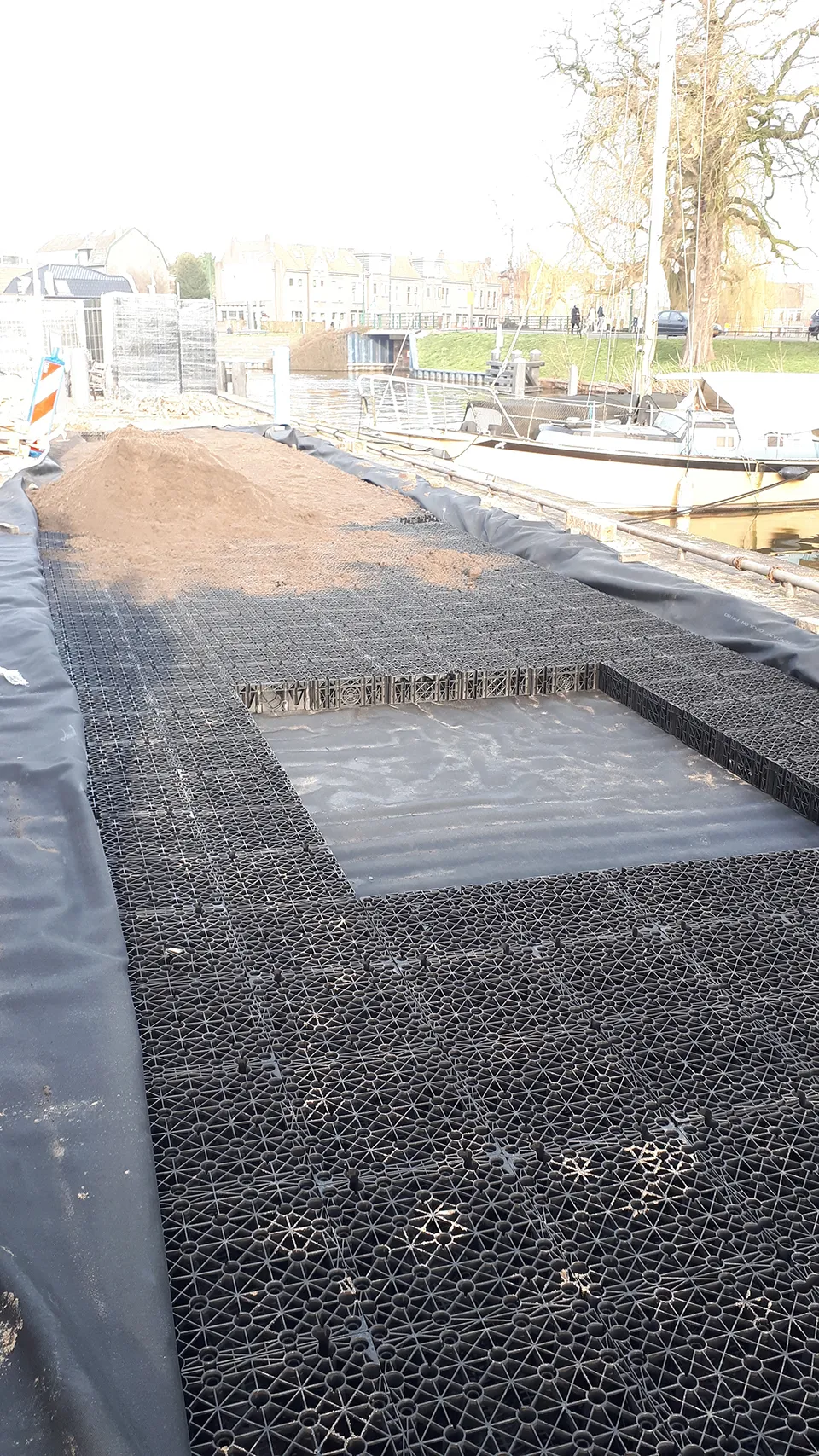
Growing conditions can pose particular challenges in urban areas. “A tree needs space underground for its roots and above ground to grow,” says Van den Brink. “We always consider the eventual size the species can reach, which helps prevent problems such as branches growing against building façades. We also consider spacing and species selection. Planting several species along an avenue reduces susceptibility to pests and diseases, as well as the risk of widespread losses. By planting trees slightly further apart, each has more room to grow, moisture and nutrients. Ultimately, you achieve more with less.”
As an independent knowledge partner, Bomenwacht Nederland does not plant trees or take on their management, leaving this to green-space professionals. The TreeMark project has now started, and the first trees have been felled and planted. “There is a wealth of knowledge in the sector, and this project brings it all together. We hope there will be many more ‘TreeMark projects’.”
Question about this story? Ask your question
Keep following this
Get an email when a new story is published. No account needed.
- SubjectGeneral







