









Adapt a design to the ecosystem that is already there
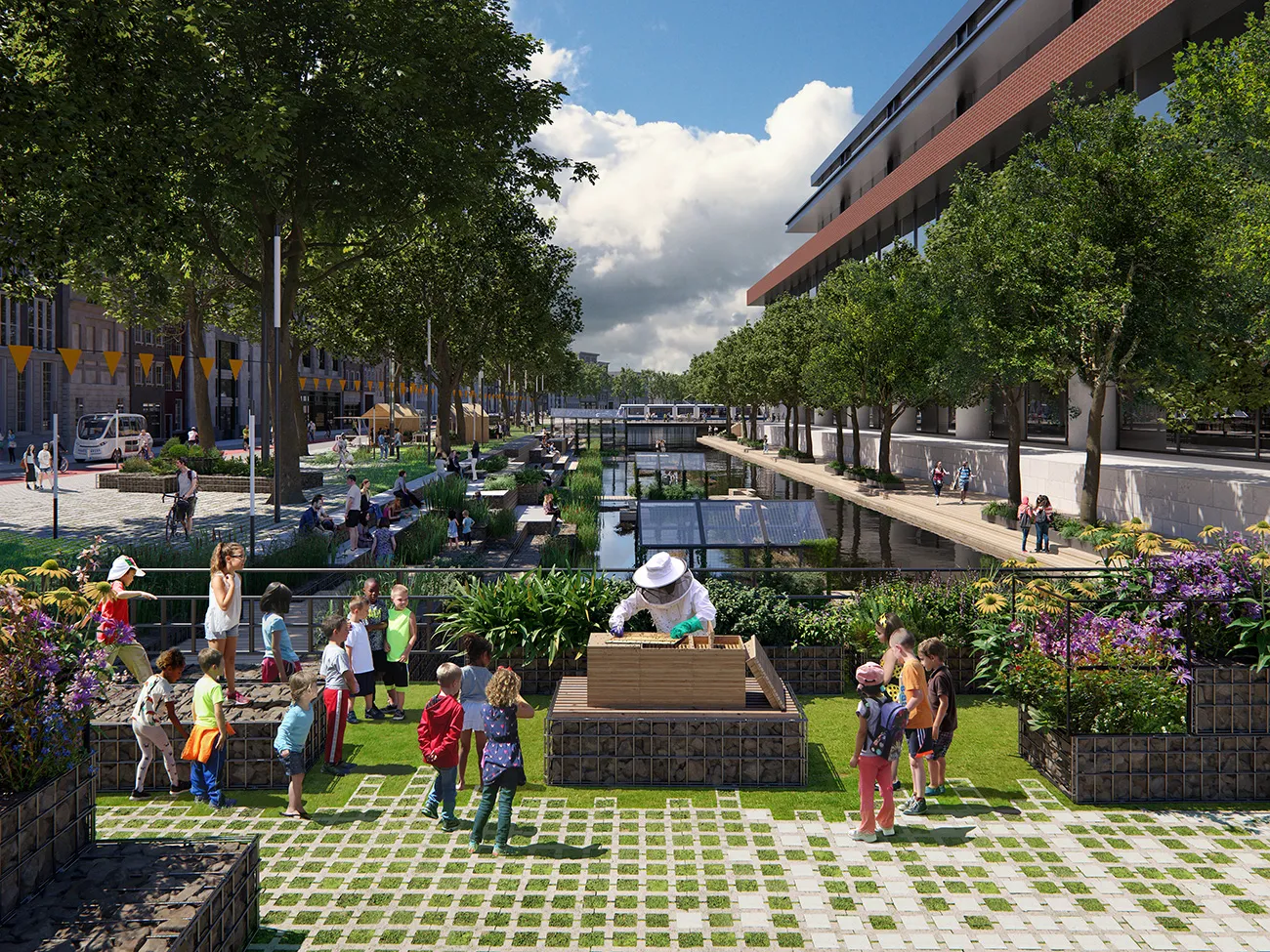
Truly sustainable, positive impact comes from creating multiple forms of value: ecological, social and economic. Economic interests do not take precedence over ecological ones; the two go hand in hand. By giving equal consideration to the whole, a symbiosis emerges, with each element complementing the other, and you create living environments that serve all life.
‘What we create must contribute to a liveable environment for all life: people, animals and plants’
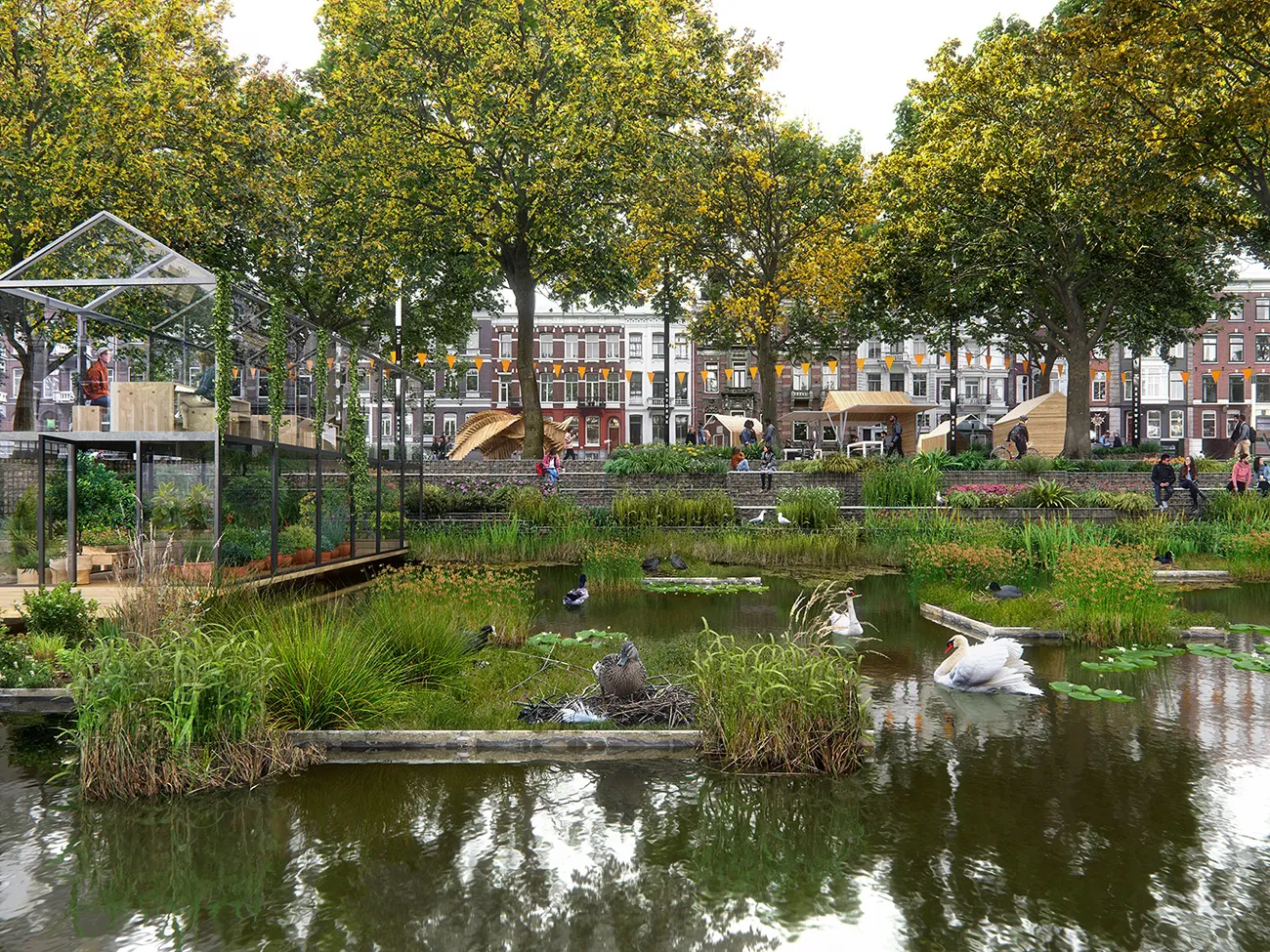
For many years, the interests of people have taken precedence in real estate and public spaces. What gets built is viewed from a human perspective, even though everything is about ‘eco’ rather than ‘ego’.
Through our work, we try to make these insights take root, shape a different vision and show that one thing does not exclude another, but embraces it. As the founder and director of my company Blendingbricks, I take a holistic, integrated approach to real estate, public spaces and environments. How can you create multiple forms of value? How can nature be an equal stakeholder in a project? And how can you create living environments that serve all life? For new developments, first map the nature that is already there, let this ecosystem lead and adapt the design to it, rather than the other way round. Blendingbricks creates integrated concepts as a concept developer, writes visions & ambitions and devises strong, creative strategies to make projects succeed.
Tick-box exercise
We still often see energy-neutral or energy-positive construction, rooftop gardens or nesting opportunities treated as items on a tick list or viewed as a cost, rather than being genuinely embraced and understood for the reasons behind them. People need to understand that they become a cost if nature is not treated as an equal stakeholder.
We try to explain this clearly and in an inspiring, enjoyable way through our concepts. If you build, you build for all life. It is simply logical. See the potential of your roof and surroundings as a landscape, how you can create a biotope there and the huge value this adds. Not only for the people who will live, stay and work there, but also for the animals and plants that will make their home there. This is how every project succeeds: creating ecological and social value automatically generates economic value and makes a project popular. People want to connect with each other and with nature. By developing a strong concept for this, establishing a clear identity and sharing the message, a development can flourish.
Fortunately, we are seeing that we can get this message across to our clients, including project developers, companies, municipalities, investors and farmers, and that they are embracing the power of creating multiple forms of value. Greenery and nature are no longer seen as a necessity or an afterthought, as something that has to be included, but as something of real value. Nature is not a product; it is part of an ecosystem.
Awareness
Through the concepts we develop, the visions we write and positive storytelling, we help bring about positive change. We do more than devise an integrated, distinctive concept for the client: we also make sure the story behind it is shared with the public. What impact do trees actually have? What lives in the soil, and what does a rooftop garden really do for nature? By weaving that message into the concept in an enjoyable, playful way, we raise awareness, involve the community in the vision and inspire people to appreciate nature’s role. When that happens, people embrace nature, connect with it and take care of it.
For the The Green Mile project in Amsterdam, Blendingbricks joined forces with 5 other companies to transform Amsterdam’s most polluted, dirty, noisy, dangerous and predominantly paved street, the Stadhouderskade, into a green, beautiful and meaningful living environment for all life. Together with UNStudio, De Nederlandsche Bank, Het Rijksmuseum, Heineken Company and the Hogeschool van Amsterdam, we formulated an integrated ambition and initiated collaboration with the municipality of Amsterdam. Working together as a public-private partnership, we are making the city more liveable, not only for people, but especially for plants and animals. What is good for them, and what do we need? Nature is centre stage in the interventions that will take place: the beautiful trees already there, the water and aquatic life of the Singelgracht, and the nature we will add. Here, too, we will share the message. In future, as you walk along The Green Mile, you will be able to read about the vision behind the project, which trees are here, how many degrees of cooling they provide, how their networks function underground, how many insects and birds they support, and why they are indispensable to us and to biodiversity. This will help us embrace and respect nature again. We will see that everything is connected and that liveability is about the whole.
Question about this story? Ask your question
Keep following this
Get an email when a new story is published. No account needed.
- SubjectGeneral







