









‘Appreciation of nature in the residential environment increasingly visible in the streetscape’
Text Fleur DilImage Landschappartners
‘Together, we are increasingly seeking to create a complete picture’
Corné van Overveld, owner of landscape and urban design firm Landschappartners, has seen many trends and developments in the design of public spaces over the past decades. If there is one term that runs through current developments, it is integration: integrating nature and the roles of all the parties involved in the redesign of our urban green spaces. “Compared with the 1990s, green projects now involve much more integrated collaboration,” says Corné. “Working with architects, local authorities and developers, we are now much more focused on creating a complete picture.”
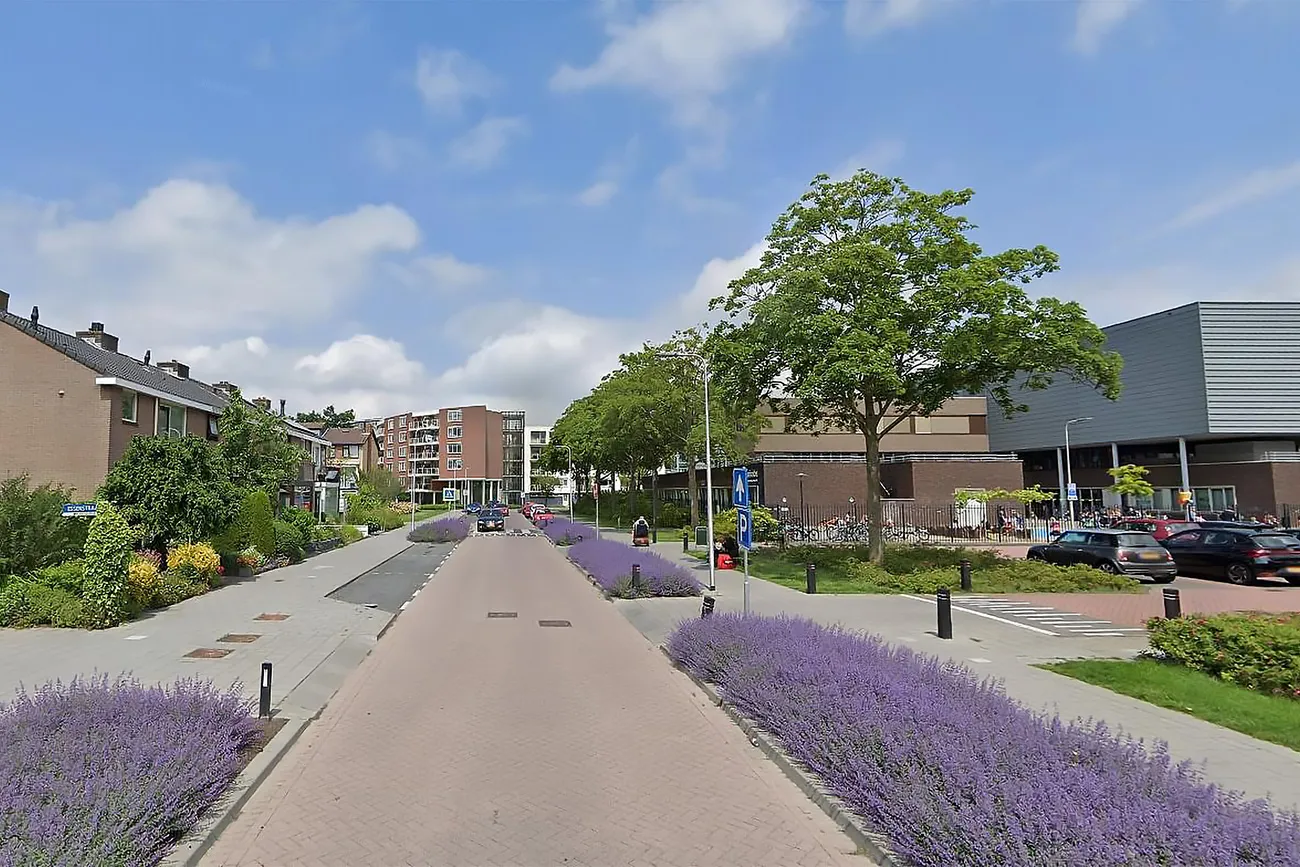
One important factor is the increased focus on experiencing nature and the appreciation of natural green space in the city. “Fortunately, new urban plans now favour larger, connected green structures and ecological corridors. Neatly hoed beds of shrub roses have given way to (wilder) borders of flowering perennials. Appreciation of nature and awareness of the importance of biodiversity in the immediate residential environment are therefore increasingly visible in the streetscape. Providing residents with information and explaining why things are done and what they are for is important, and helps build support.”
Liveability and quality
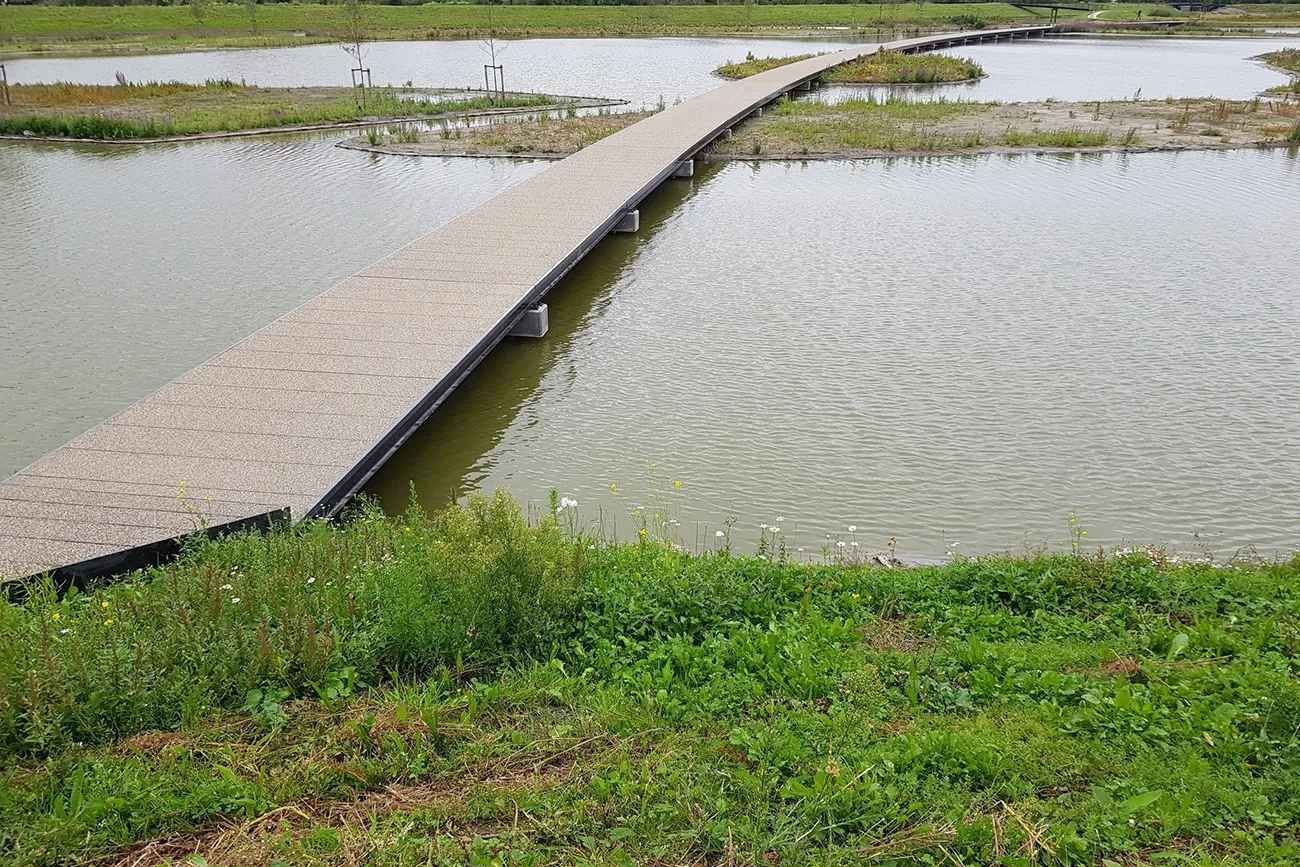
Green spaces are still under pressure, however, Corné observes. Increasing demands on space from different functions have only intensified the competition for space in public areas. “Sometimes compromises have to be made. Attractive tree-lined streets are often impossible because of the many underground cables and pipes, even though trees in urban areas help reduce heat stress. In addition, existing sewer systems can no longer cope with increasingly extreme rainfall. The solution is then to provide (underground) storage or retention facilities (wadi infiltration basins) in public green spaces.” A good example is the new Vlietzone Landscape Park, part of the Rotterdamsebaan project in The Hague. The new park has been designed to also serve as emergency storage for water from the Vliet.
(Road) safety
Corné sees another trend in the increased focus on (road) safety. This is reflected in the streetscape and the liveability of residential neighbourhoods. “Introducing a 30 km/h speed limit in an older residential area requires changes to the street layout, with traffic-calming measures such as speed humps and road narrowing. Examples include the Eikenlaan e.o. project in Spijkenisse and the redesign of Oosterengweg as part of the HOV project in Hilversum. In close consultation with residents, both areas have been completely redesigned and road safety has been improved.”
The client’s role
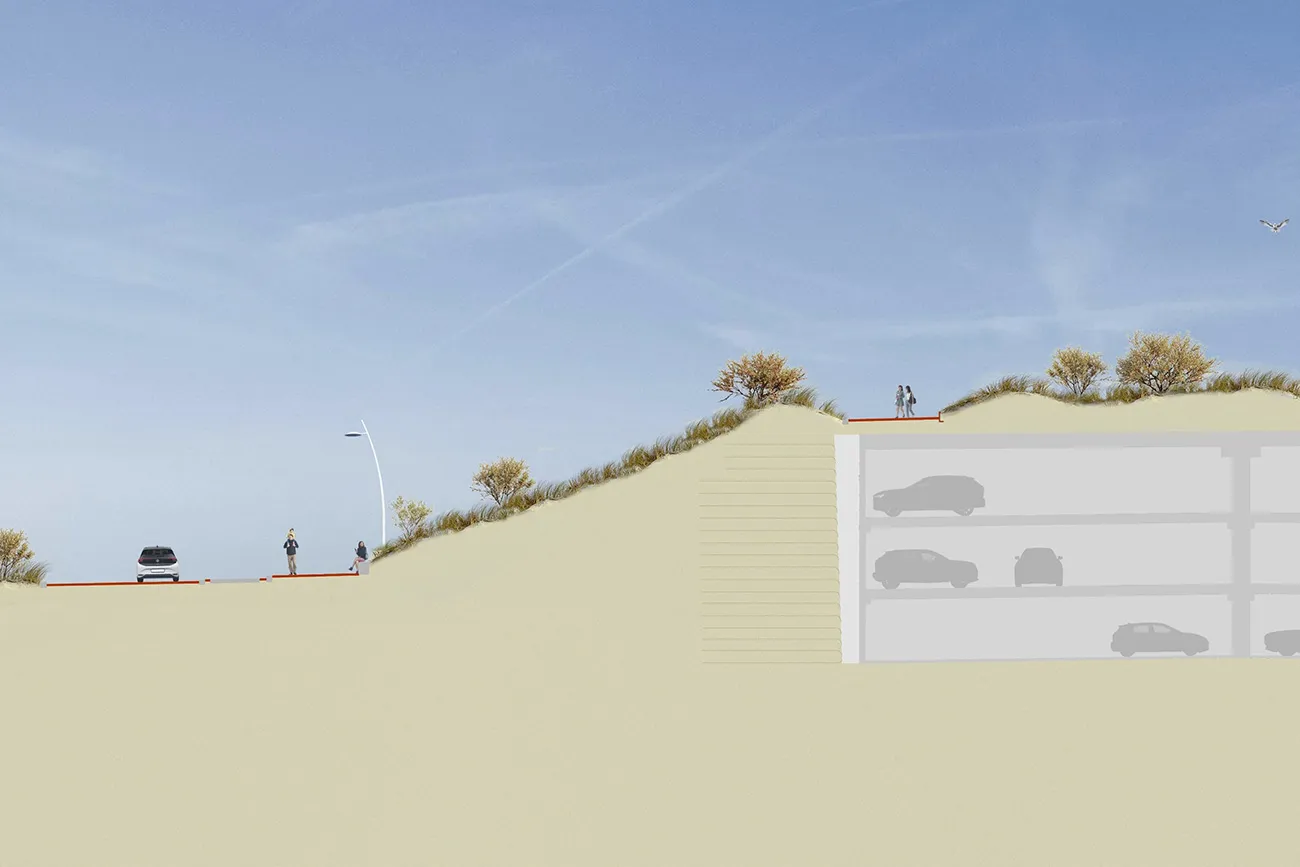
The changing role of the client is also significant. “Increasingly, local authorities are taking on only a supervisory and monitoring role. Developers are often at the helm when it comes to delivering new-build projects.” One example of this approach is the Noordelijk Havenhoofd development in Scheveningen. “This area development is a joint initiative by the developer, local fishing businesses and the municipality of The Hague. Landschappartners is responsible for the integrated design of the public realm. Sustainability, climate resilience and quality are the guiding principles. For example, many materials are being reused in the new design. The parking problem is also being addressed with a car park for 1000 cars beneath the dune.”
Question about this story? Ask your question
Keep following this
Get an email when a new story is published. No account needed.
- SubjectGeneral







