









Biodiversity takes priority with training for green professionals
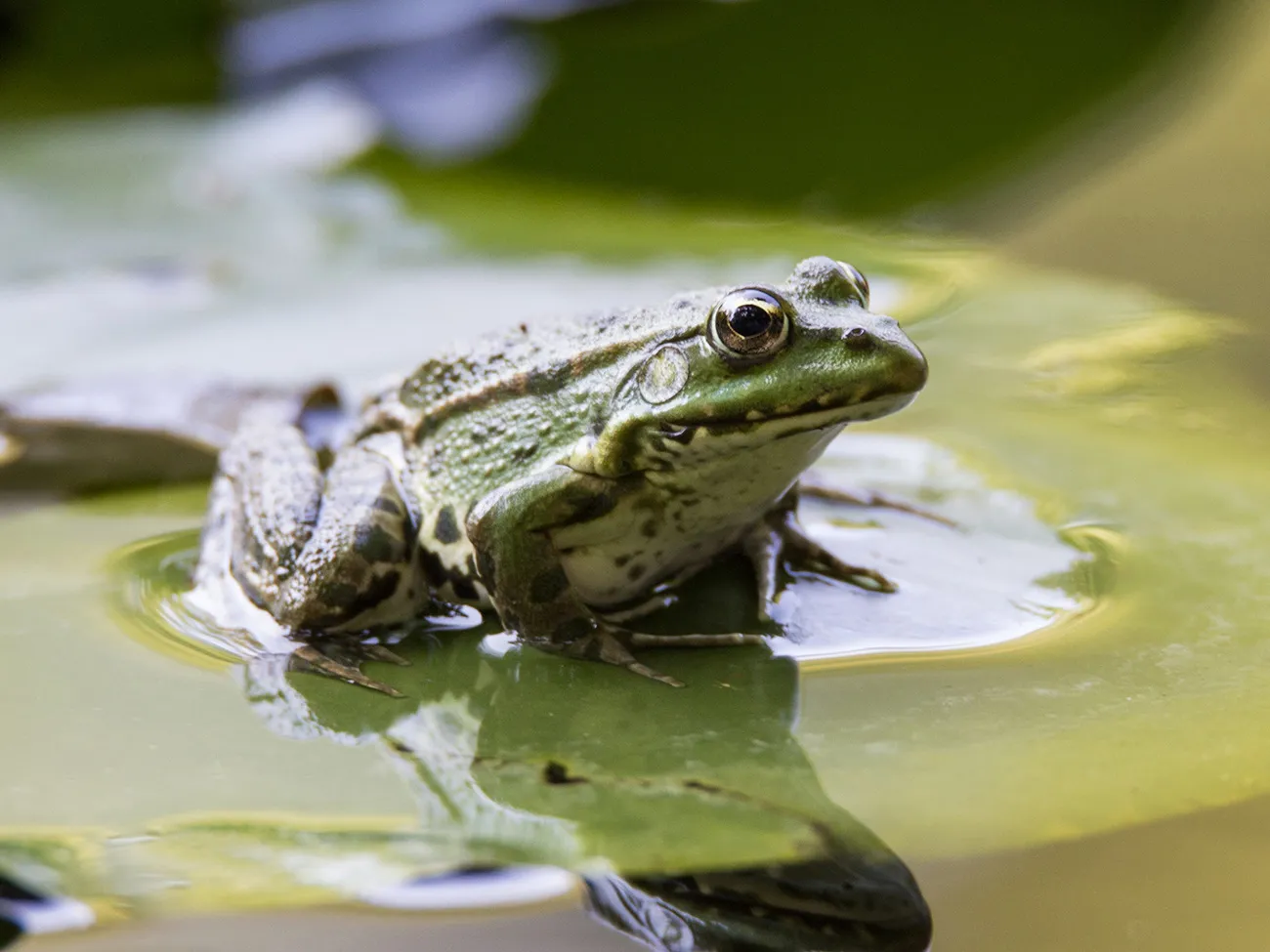
“A healthy physical living environment begins with acknowledging and recognising green and blue values,” says Eddy Schabbink. Schabbink is senior adviser on the sustainable physical living environment at training institute IPC Groene Ruimte and is keen to share his knowledge. “By these values, I naturally mean the quality of our soil, planting and water. Their conservation and restoration are essential for our world. This is our raison d’être, and it is what we focus our training on.”
‘Restoration is humanity’s real challenge’
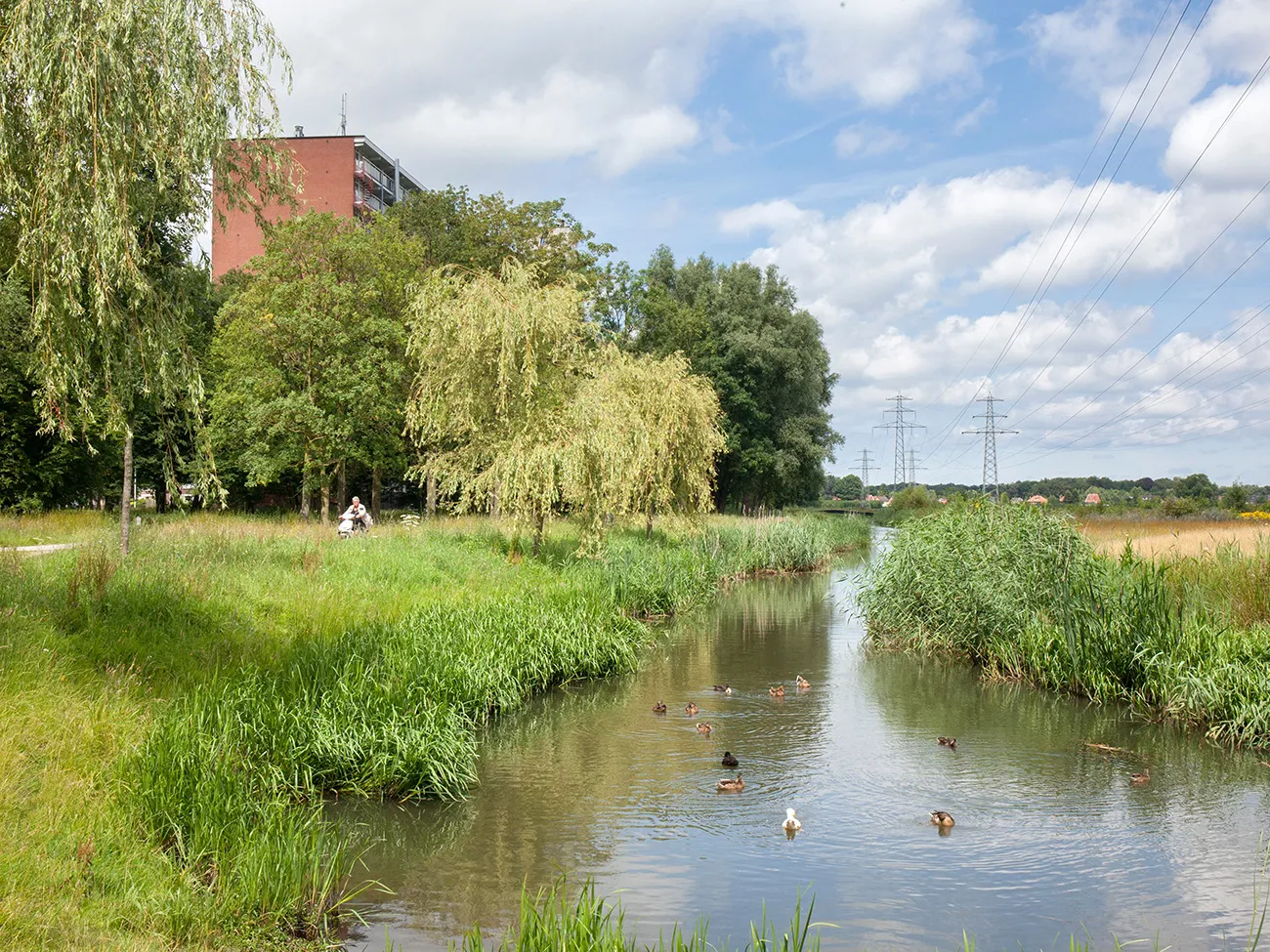
Biodiversity is a complex concept, but it refers to the variety of life forms within a habitat. It is an indicator of the health of our environment. “You’ve probably heard it in the news: ‘our biodiversity is in a bad way’. It is the biggest cause of climate change. In our training, we explain the relationship between biodiversity and climate and show why restoring our biodiversity is so important.”
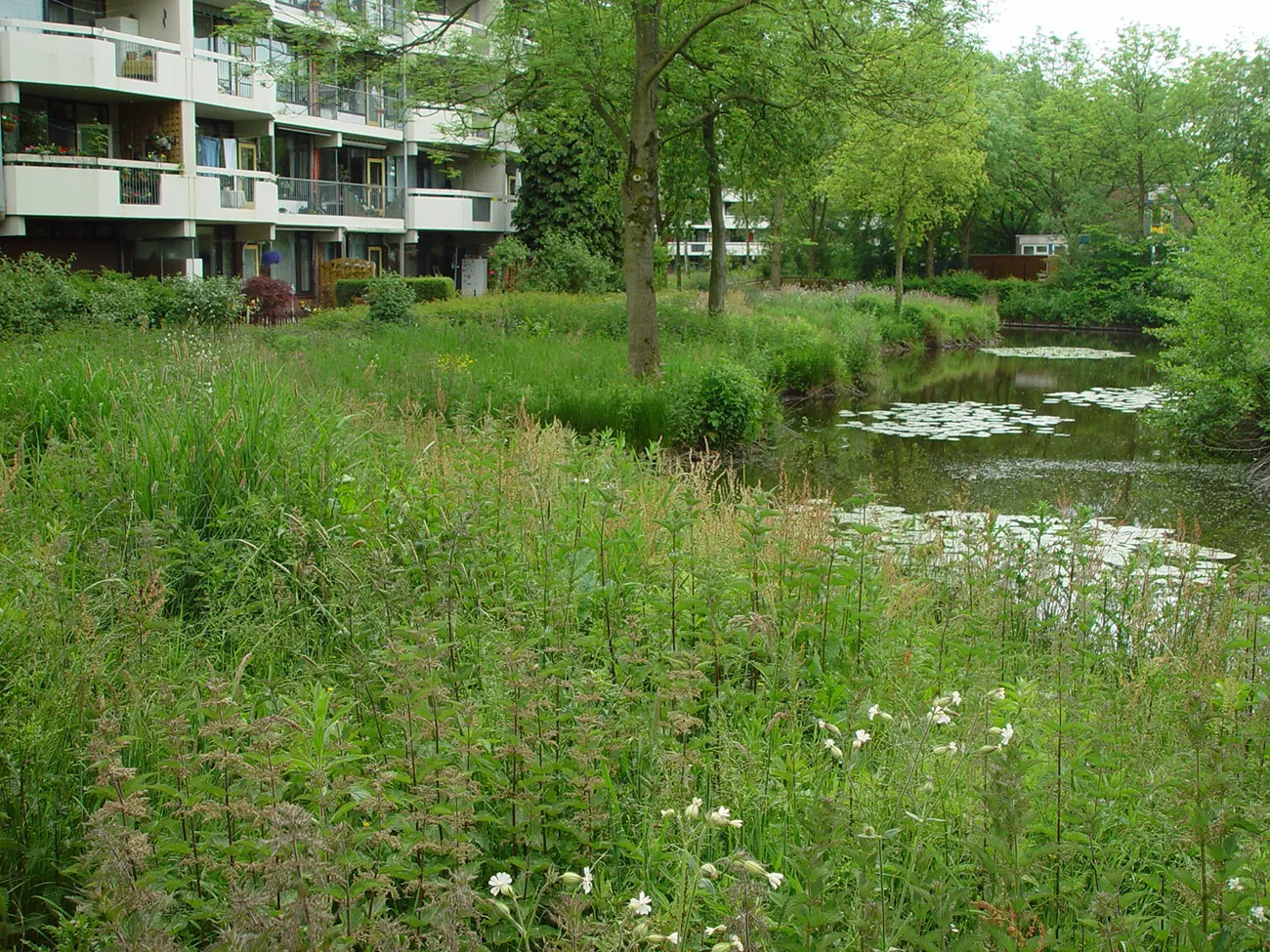
“The collapse of biodiversity is a global problem. Its restoration is a real challenge for humanity. In our training courses, we explain to people how they can take practical action. Plans often remain too vague in practice, leaving people unable to see the wood for the trees. We help, for example, strategic policy officers and people working in spatial planning and area development.”
“This is how we ensure, ensure that blue and green values form the basis of every policy. This is the only way we can restore the biosphere. And it is how we contribute to four important Sustainable Development Goals: life on land, life below water, climate action and clean water.”
Creating the right conditions
But what exactly does an IPC training course look like? Schabbink explains: “First, we show participants what is happening. Think of flooding, drought, salinisation, subsidence and acidification. These are problems we have caused ourselves. But how do we tackle them?”
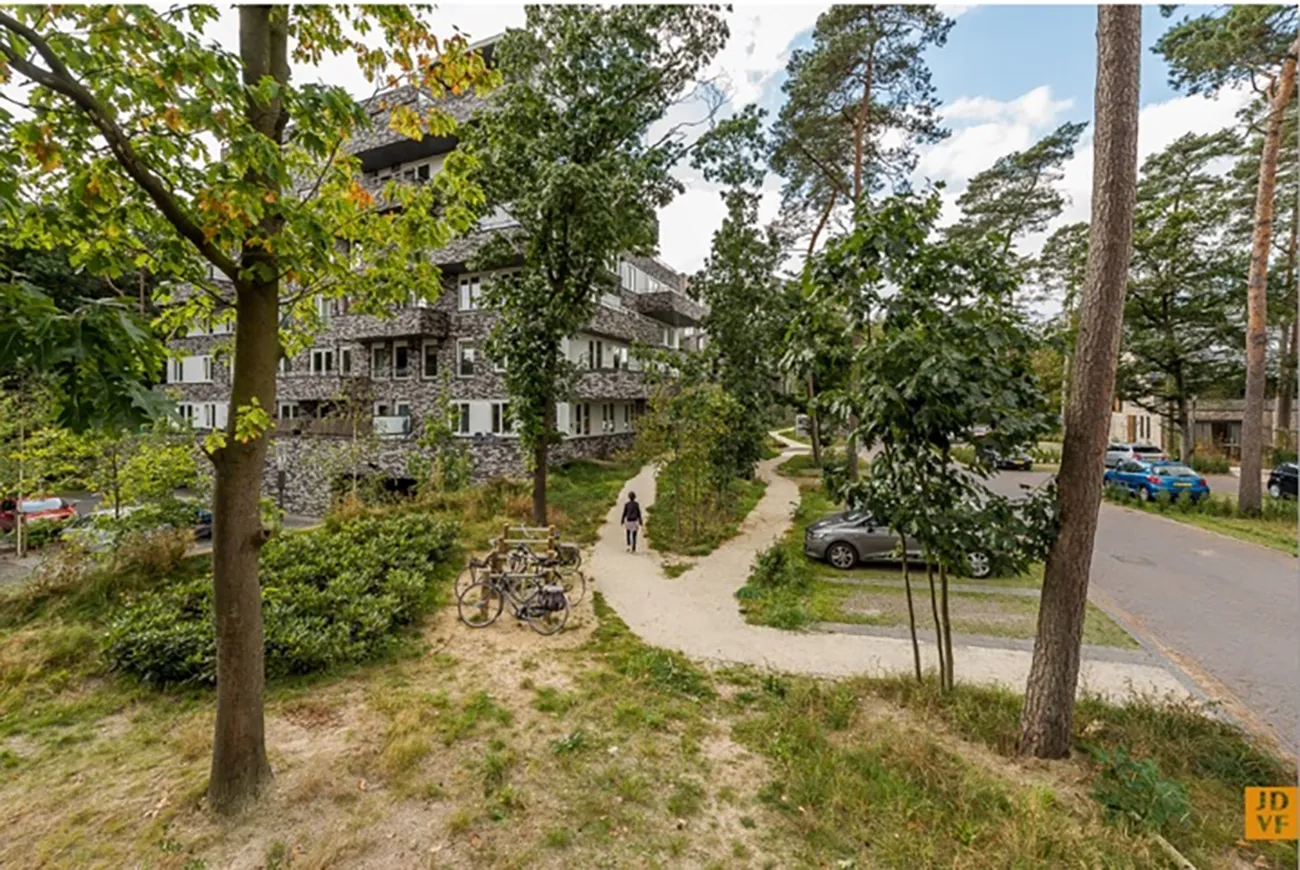
By creating the right conditions. “By this, we mean the points to consider in order to improve biodiversity, the biosphere and the living environment. We look with participants at areas where people live, work and spend their time. Every area is different, so each requires a different approach. We look at the surroundings and the qualitative and quantitative criteria needed to shape that living environment. Finally, we work towards the desired outcome.”
“Take acidic soil, for example,” says Schabbink. “We often address this by spreading lime over it. But it would actually be much better to introduce suitable planting that eventually counteracts the acidification. This allows the soil to recover naturally. That is how we restore biodiversity: by tackling the causes rather than the consequences. Reducing total nitrogen deposition from agriculture, industry and traffic must, of course, also remain a priority.”
Monitoring the effects
“Monitoring the effects is very important. Is the groundwater level rising again? Are you seeing more birds? If you never monitor your approach, you won’t know whether your criteria are right. In short, starting from an environmental vision, we give participants practical tools and guidance on the conditions needed to achieve the desired improvements.”
“This is how we teach participants to get to work themselves on restoring our biodiversity through practical exercises. Every green professional knows that we must make nature a priority if we are to preserve a healthy physical living environment!”
Question about this story? Ask your question
Keep following this
Get an email when a new story is published. No account needed.
- ThemeNature-friendly green space management
- SubjectGeneral







