









Bringing people and nature together through nature-rich planting
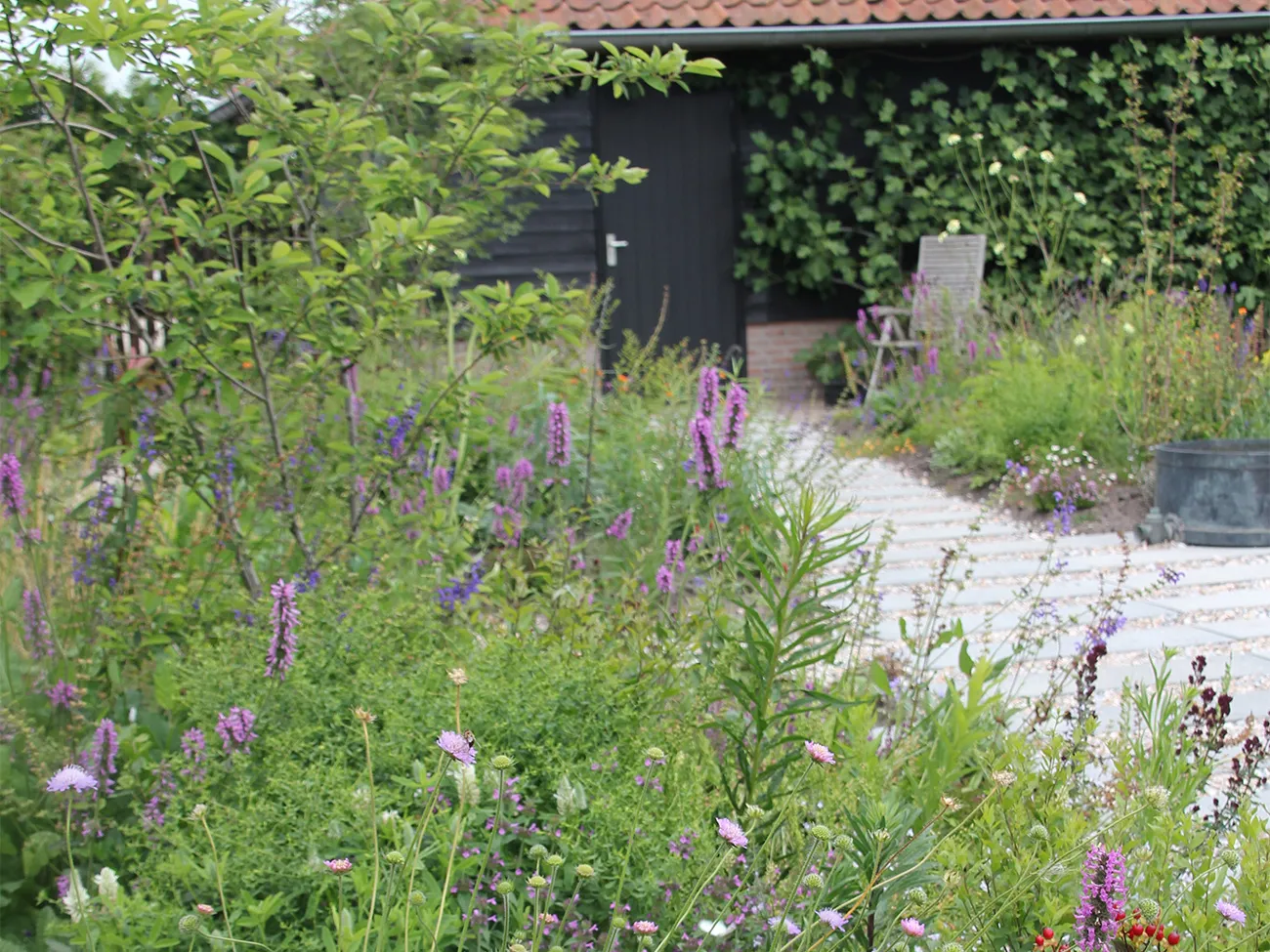
Species diversity and layering are two key themes in a design
De Bloeimeesters is a collective of people who love plants and want to create a green living environment. We speak to one of its members, Sandor Walinga. Among other things, he is a garden and landscape designer, as well as an arborist. He says enthusiastically: “I’m passionate about plants and trees. Whether it’s a small urban garden or a large park, the right planting can solve many problems.”
Walinga has a broad range of skills. As well as being a member of De Bloeimeesters, he runs his own design studio, Buro Walinga. “I love designing green spaces and welcoming places. My daily work covers a wide range of activities, from planting plans and garden designs to landscape integration plans and tree care.”
Walinga and De Bloeimeesters share one goal: to bring people closer to the natural world. “Greening public spaces is essential to this. It helps people become aware of the many benefits green spaces can offer, such as cooling, capturing water and enhancing biodiversity. Plants and trees have too many benefits to ignore any longer.”
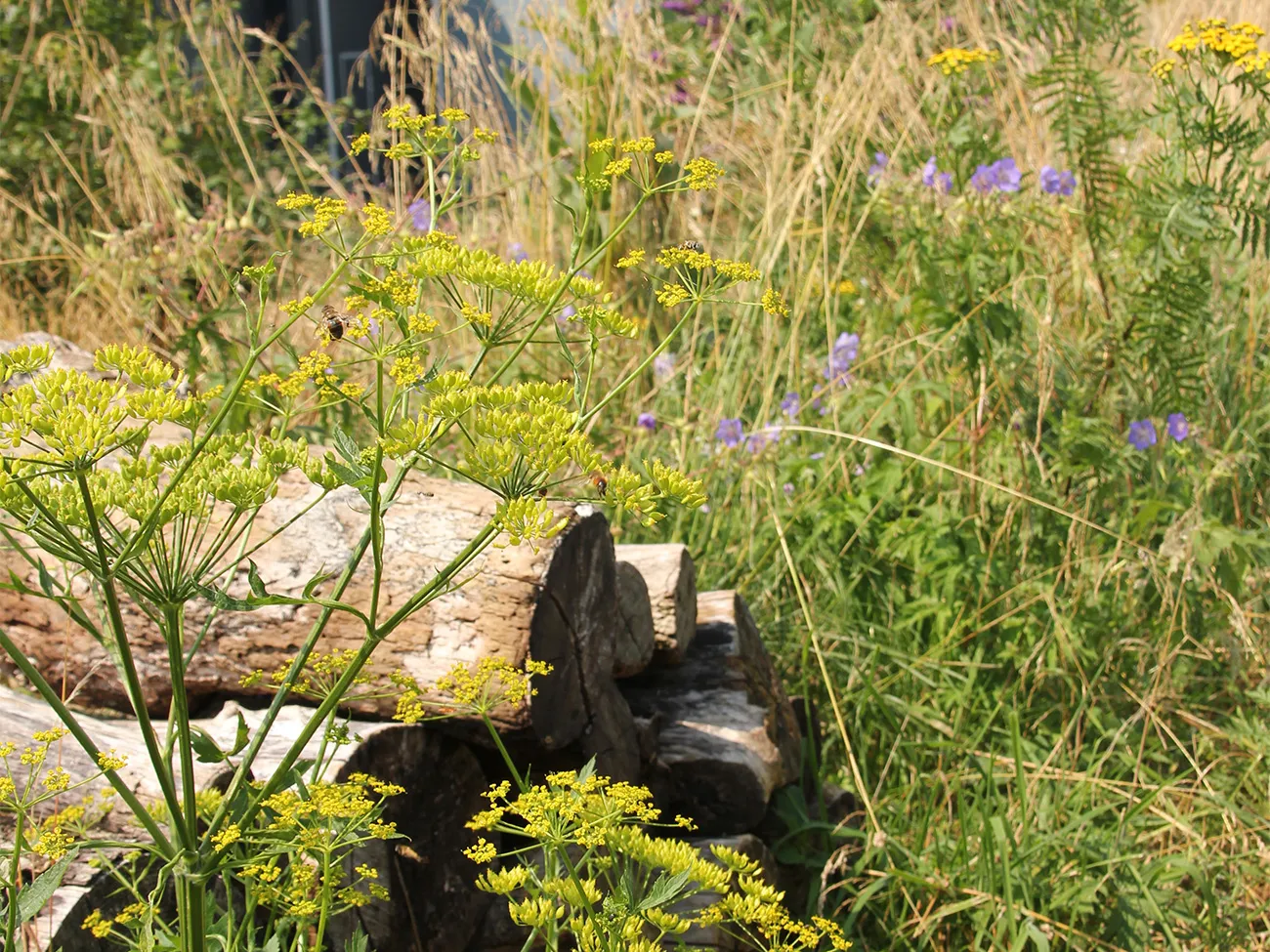
Native plants and garden plants
During a recent project in Friesland, Walinga worked with a combination of native plants and garden plants. “I wanted to do things differently: by making native plants more prominent in both species and numbers, they get more of the attention and nature value they deserve. The potential these plants offer for planting in public spaces is not given enough attention.”
Walinga believes native plants deserve more attention. They have a great deal to offer. “By native plants, I mean species that occur naturally in the Netherlands and north-western Europe. These plants make a significant contribution to nature. As host plants, they provide considerable ecological value. Certain insects depend on a single plant or plant family to reproduce. These are always native species. For example, the orange-tip butterfly lays most of its eggs on cuckooflower and garlic mustard. Insects are literally linked to the plants. More natural, native planting helps increase biodiversity.”
Native plants work even better in combination with garden plants. “Garden plants provide a good source of food for insects, but they don’t serve the same function as host plants as native plants do. By combining the two, you get the best of both worlds: garden plants provide flowers throughout the year, while native plants offer greater ecological value.”
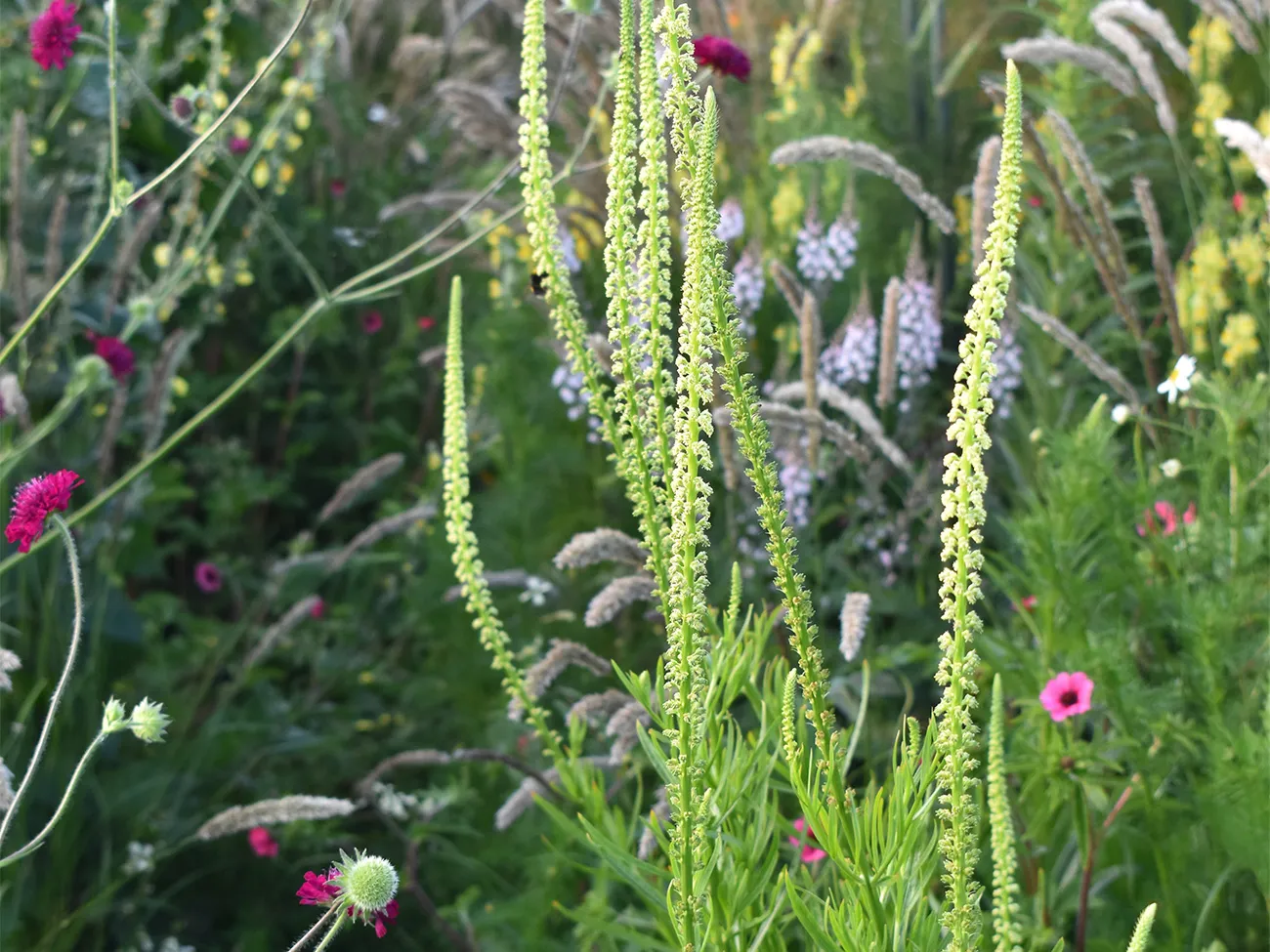
Working on a project basis
Every project calls for a different approach, of course. “At De Bloeimeesters, we work together in project teams. When a new project comes in, we put together a team tailored to it. This allows us to make the best use of everyone’s strengths. Nature works in much the same way,” says Walinga. “Every plant, insect and animal has its own strengths and role in the ecosystem as a whole.”
“One project we’re currently working on is a roof garden for the municipality of Amsterdam. We take many things into account: which native plants and which garden plants should we use? What mix will increase ecological value? And how much sun and shade does the roof get? This allows us to determine exactly which species to use and where to plant them. Choosing the right plants is very important, because nature is constantly changing. We always take this into account in our projects.”
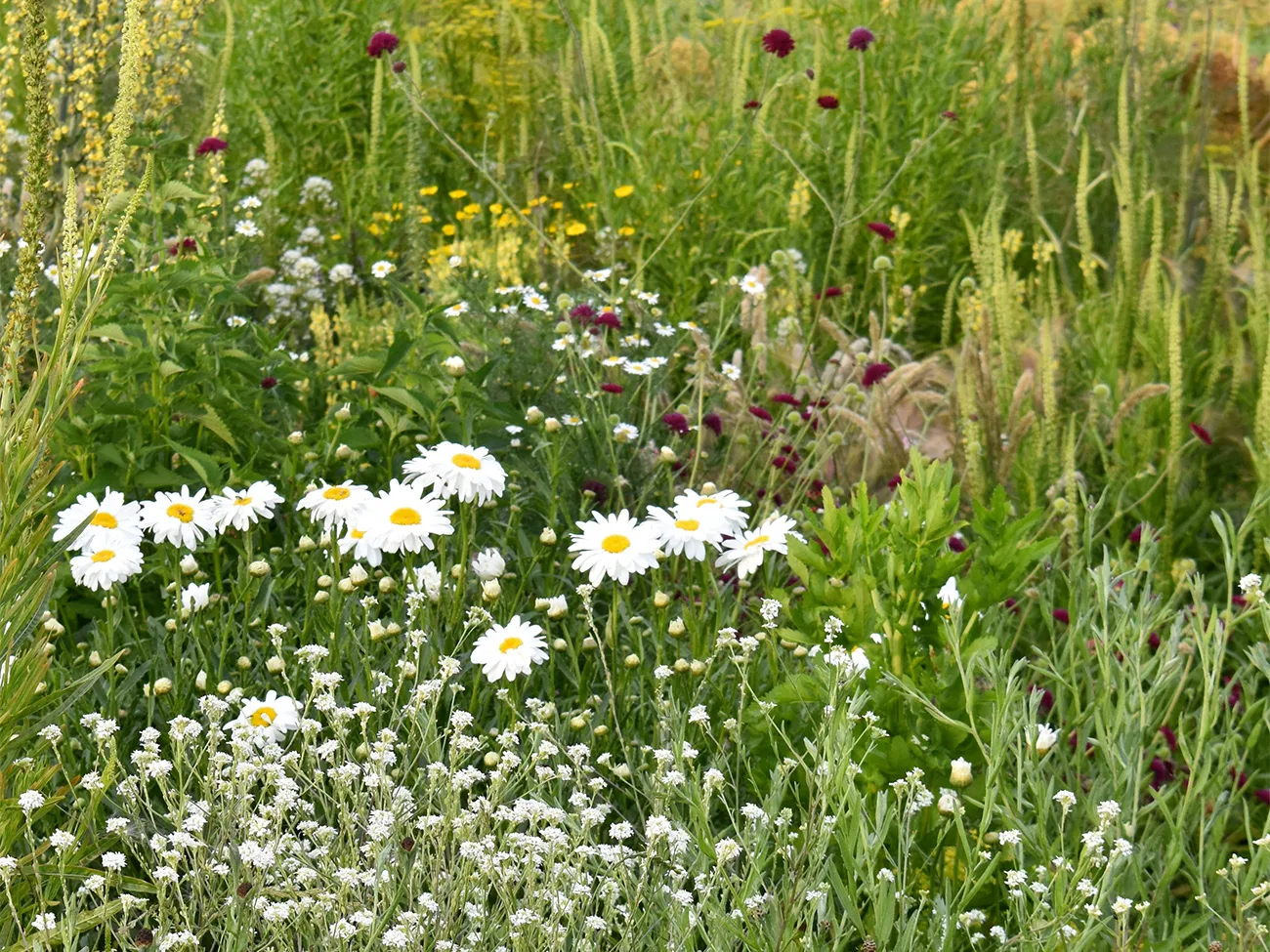
Species diversity and layering
Species diversity and layering are two key themes in a design. Walinga explains: “The more diverse your design, the more different life forms it attracts. We use flower bulbs to provide blooms in early spring, when the first bumblebees are looking for food. Examples include winter aconite, crocus and common snowdrop. Trees are also an effective design tool: they provide cooling and shade in hot summers, and offer birds a welcoming habitat. As you can see, using plants intelligently as a design tool helps us solve many problems and create a sustainable living environment.”
Question about this story? Ask your question
Keep following this
Get an email when a new story is published. No account needed.
- ThemeGardens from design to maintenance
- SubjectGeneral







