









Circular, sustainable and nature-inclusive construction. Environmental cost indicator should be the guiding principle
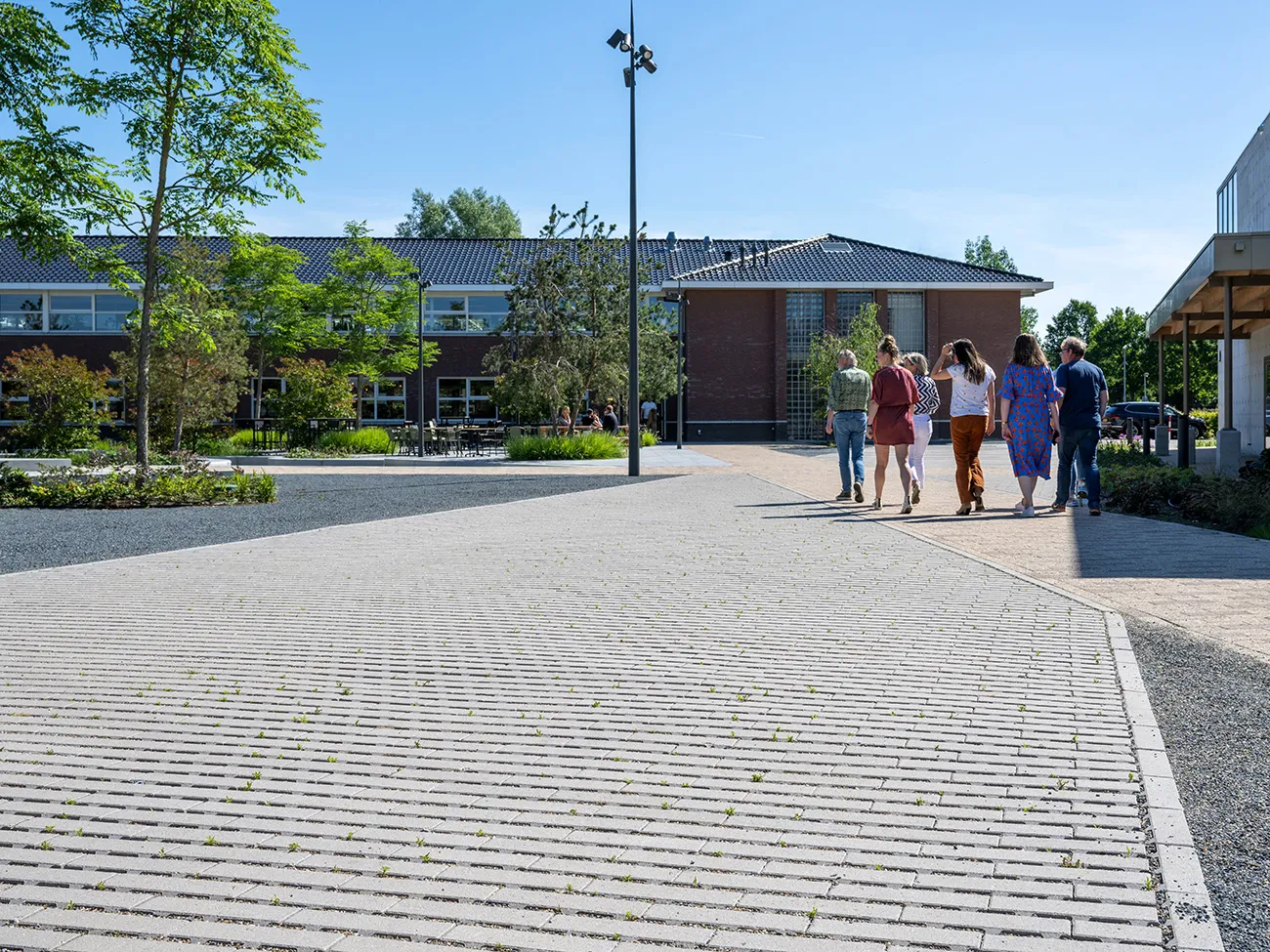
Circular, sustainable and nature-inclusive construction is the trend. MBI De Steenmeesters is investing in this by making its products increasingly sustainable and raising awareness. “Together, we can make a greater impact.”
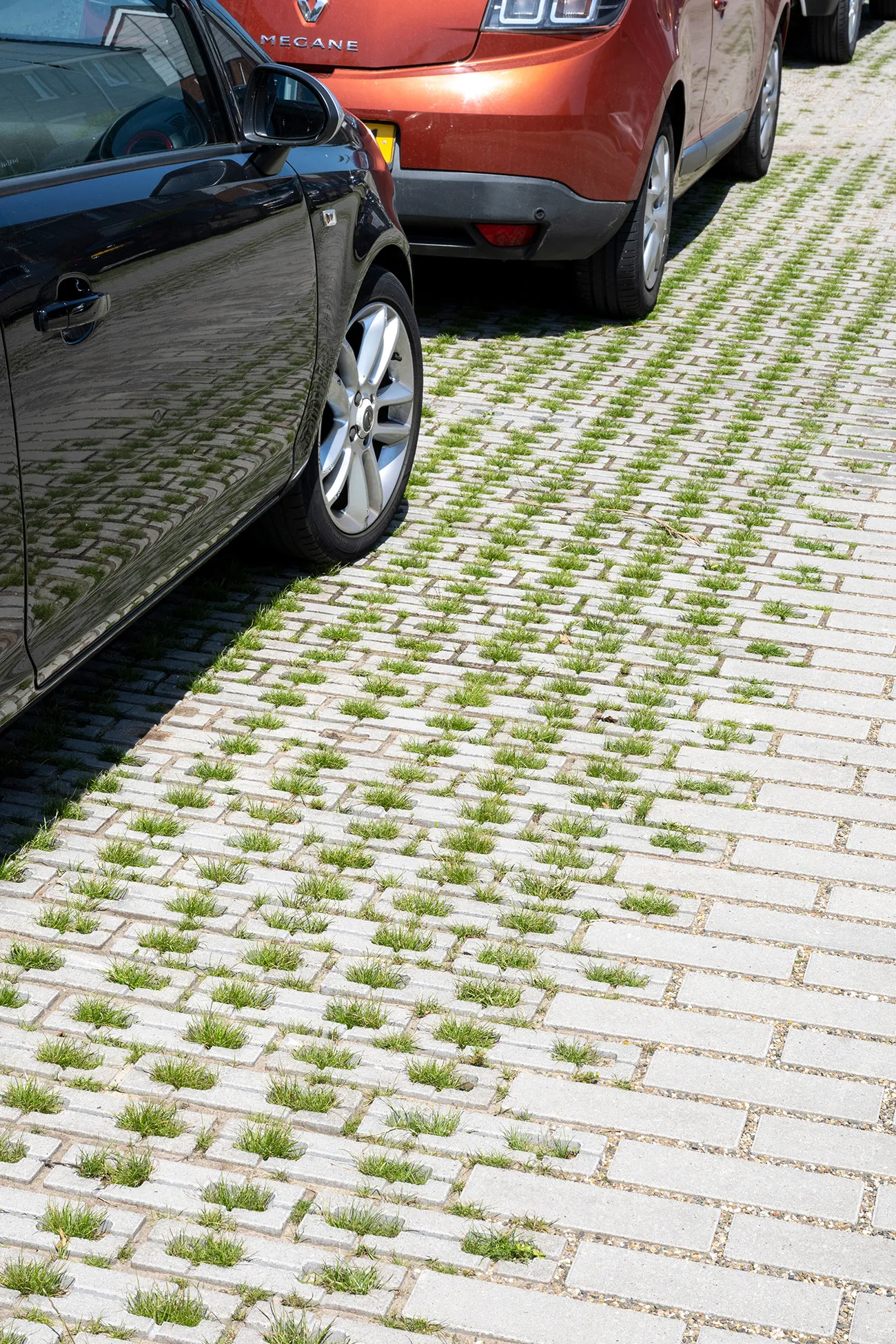
Producer MBI De Steenmeesters makes high-quality decorative paving, facing bricks and garden tiles from concrete and ceramics. Mirjam Rosman, marketing & communications manager: “Everything we can do to make our products more sustainable has a huge impact on the sustainability of the construction industry. Every small improvement we make to our facing bricks and paving helps. We are very much aware of this, and it is something we are constantly working on.”
A product is only truly circular if its raw materials are reused to make the same type of product. MBI mainly makes unreinforced concrete products, bricks and tiles. At the end of their service life, these are usually crushed and used as sub-base for asphalt. Rosman: “That comes under the heading of downcycling, but it is necessary. Especially now that we need to pay close attention to the availability of raw materials. Concrete is highly circular, but there is not enough available because old bricks are used in other construction processes.” This creates a tension. MBI’s products currently contain at least 15% recycled concrete (clean crushed concrete aggregate). “Sometimes the local authority where construction is taking place requires a higher percentage, 25 or even 50%. That is certainly possible, but it is not always the most sustainable solution. Our raw materials are literally lying in the street and are still in use. They are therefore a valuable resource that can be used for many applications.”
Different perspectives
Legislation also plays a role, alongside the limited availability of reusable raw materials. Although it would make sense for the manufacturer to collect old paving when delivering new paving, for example, this does not happen in practice. Contractors would rather keep it themselves, crush it on site and reuse it as sub-base beneath the roads they are building. ❯
“Sustainability and circularity need to be viewed from different perspectives before you can make a judgement,” says Rosman. “Our focus in producing bricks is on reducing our environmental impact. We do this by improving processes and using less cement. That is currently the focus of our product development. After all, cement has a much higher environmental impact than crushed concrete.”
Environmental cost indicator
MBI therefore believes it would be better to look at a product’s MKI value. MKI stands for Milieu Kosten Indicator, or Environmental Cost Indicator. The MKI value indicates whether a product has been manufactured sustainably. A low MKI value means a low environmental impact. “The industry is making good progress in this area as it looks for the best solution. It may sometimes mean that a particular production method is not beneficial for the environment in the long term. The environmental impact that has already occurred does not disappear, after all, but is given a new purpose in something else. As an industry, we are working together on the model specifications, the minimum standards our bricks must meet. We have also set ourselves a target in the Betonakkoord. By working with many manufacturers, we can make a big impact.”
Producing completely without cement is very difficult. An activator is still needed to make concrete harden. There are, however, developments in this area. “Then you have to ask yourself: if you do not use cement, what do you use instead? A product without a CO2 label? What about recycling and sustainability? It makes quite a difference whether a product has a service life of fifty years or one hundred and fifty years. That is why the MKI value matters. It allows you to compare like with like.”
MBI is working hard to get this message across in the market. The company is leading by example, using 100% green electricity from its own wind turbines and solar panels. In addition, all internal transport is electric and very little gas is used in production. “We scrutinise and adapt everything that has an environmental impact. It is something we work on every day. We also want to ensure that our products will last for a long time.”
Paving with a purpose
Nature-inclusive construction is also gaining ground rapidly in this industry. We are seeing more and more paving with a purpose, contributing to green space and biodiversity. “It is great to see acceptance growing in residential areas. In the past, there could be no weeds between the paving, but now urban developments increasingly include green space. Paving has a purpose too, by allowing grass to grow between the slabs or providing drainage. This climate-adaptive paving is also a key focus for us. And not just for us: landscapers, paving contractors and urban planners are also working on it extensively. People are doing so in their own gardens, too. We cannot dictate what they do, but we can raise awareness.”
Question about this story? Ask your question
Companies in this story
Keep following this
Get an email when a new story is published. No account needed.
- SubjectGeneral
- CompanyMBI De Steenmeesters







