









Connecting heritage with solutions to nature and climate challenges
Text Carolien KleesImage Gemeente Losser/NTP
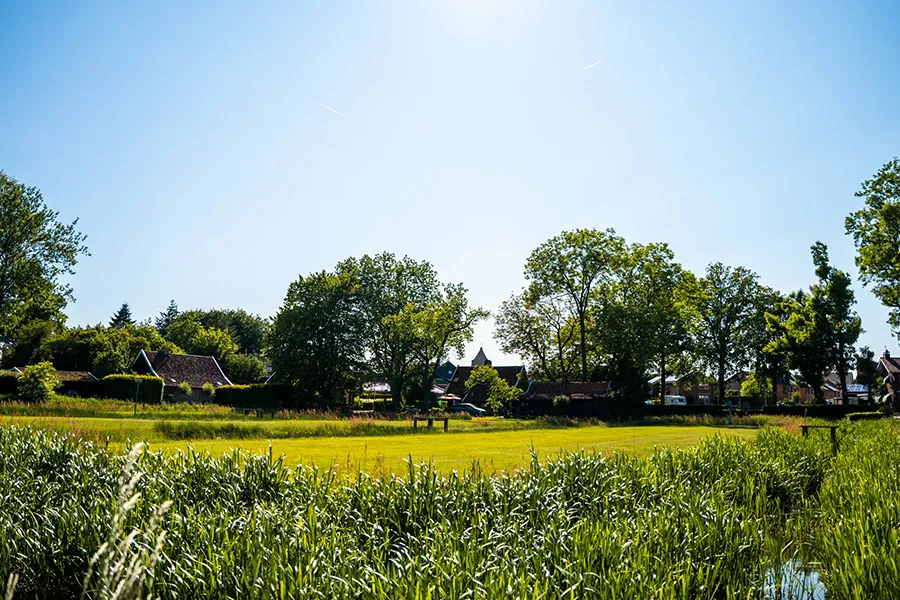
The municipality of Losser is carrying out a distinctive project with the province, Vechtstromen Water Authority and various stakeholders, linking a unique listed monument with nature restoration and climate adaptation. Losser lies in the beautiful glacial ridge landscape of North-East Twente. Its geographical location once provided ideal conditions for bleaching textiles on so-called bleaching fields. Restoring these fields, along with various streams, will give the area a tremendous boost on many fronts.
Rainwater infiltrates the glacial ridges before emerging as clean seepage water from springs at lower elevations. This water flows through small streams towards the River Dinkel and was ideal for use on bleaching fields. Woven linen was laid out on large grassy fields and, through a combination of sunshine and sprinkling with water, took on a bright white colour.
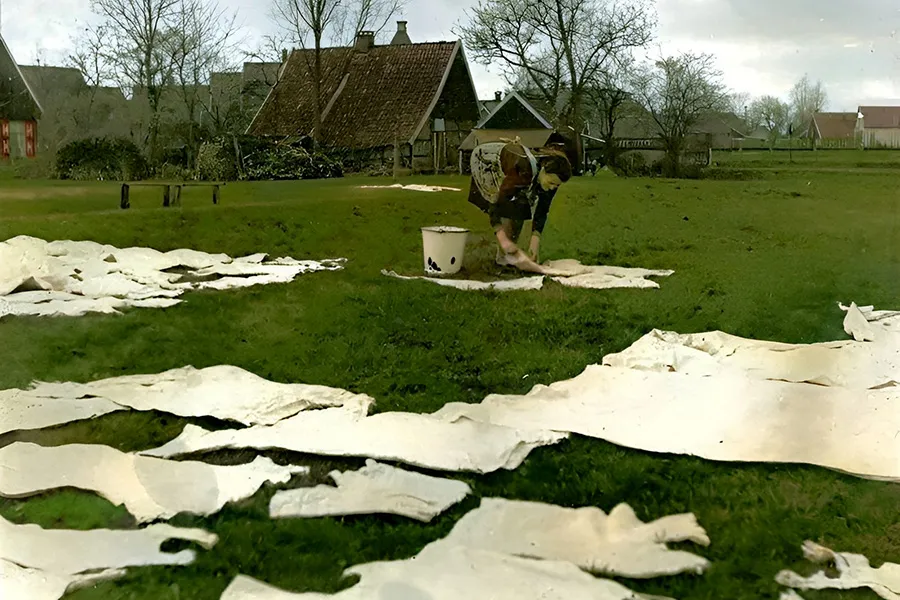
To address the current problems of waterlogging and drought in the area, while also making a significant contribution to climate adaptation, liveability and cultural heritage, the ‘Beken & Bleken van Losser’ plan has been developed. Arend ten Barge is involved as project leader in both the initiative and delivery phases. “It is a wide-ranging project. The historic Dorpsbleek is being restored, as are streams that have run through Losser for centuries but were once culverted. As historical restoration is being used to achieve these goals, we have received a contribution through the “Erfgoed Deal”.
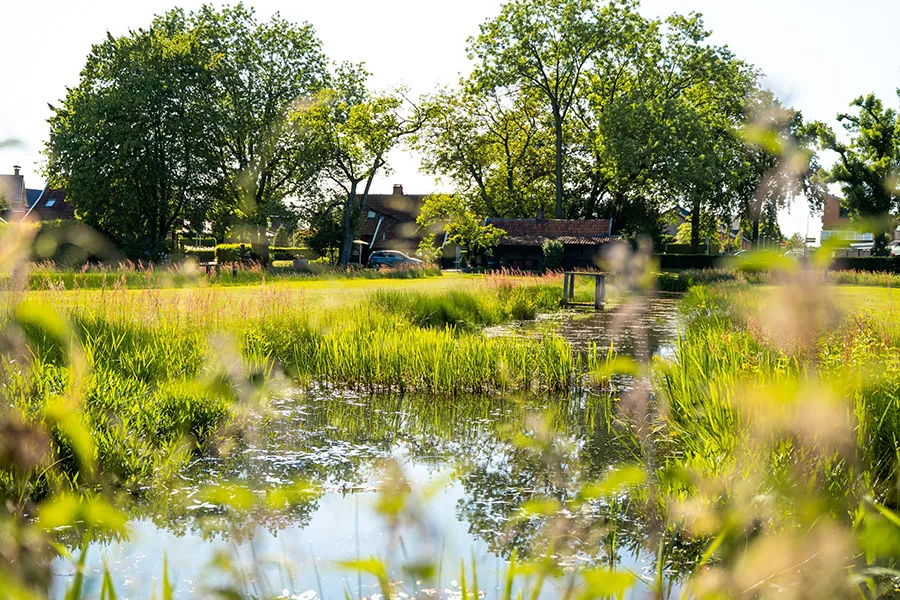
Drought and waterlogging
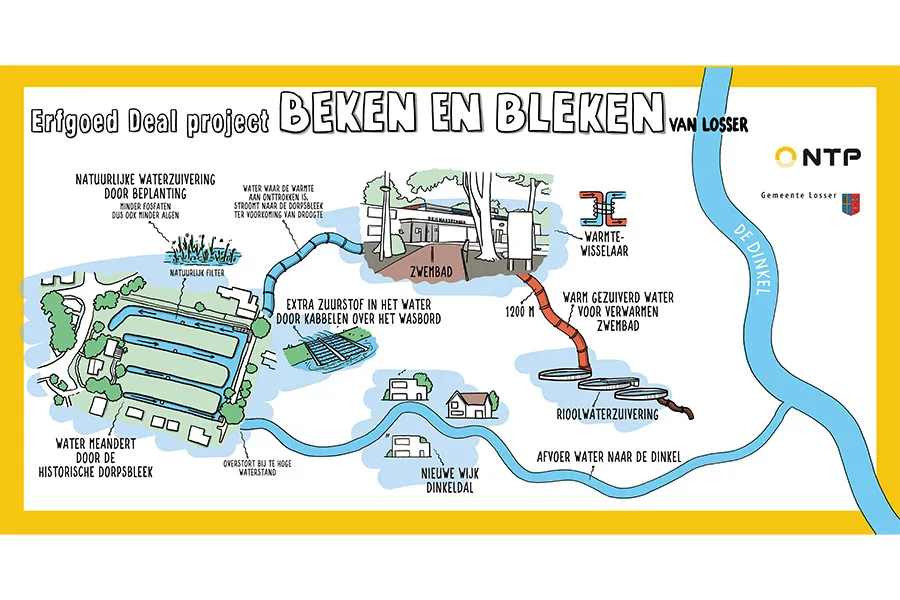
The area lies in the Dinkel catchment. The river and its banks, together with its tributary streams, make up the Dinkeldal Natura 2000 site. Alluvial forests can still be found here, along with the last floodplain grasslands in the Netherlands and the colourful Dinkel meadows. This landscape is home to unique plants, including the rare Carthusian pink. However, the area is also vulnerable to climate change. Drought is leading to fish deaths, declining water quality and nature loss, among other effects. “To turn the tide, the streams are being restored. This involves dredging them and reinstating their original meandering course, as well as bringing underground streams back above ground wherever possible. Rainwater is also being disconnected from the sewer system wherever possible.”
Protecting nature
The Welp nature reserve is a wetland landscape that supports specific and rare plant species. It also provides a habitat for meadow birds to rest, breed and feed. To ensure that the Welp has enough water during prolonged dry spells, a flap sluice is being installed to retain rainfall and incoming water in the area for longer. Nature is given careful consideration at every stage of the project. “We keep the grass on the bleaching fields short, while still encouraging biodiversity by using the special seed mix ‘Nectar onder het maaimes’.”
Swimming pool
The project is also linked to the energy transition through the necessary replacement of the local swimming pool’s installations. The pool is being taken off gas and will be heated using aquathermal energy. Some of the warm, treated water from the wastewater treatment plant, which currently flows directly into the Dinkel, will be diverted to the pool and used for heating via a heat exchanger. “That will save 100,000 cubic metres of gas a year and the associated CO2 emissions. We will then pump the water via a return pipe to be installed to the Dorpsbleek, so it no longer dries up during prolonged drought. To add oxygen to the water, we will let it ripple through a water feature. The feature is shaped like a washboard, another lovely nod to the past,” says Ten Barge with a smile.
Question about this story? Ask your question
Keep following this
Get an email when a new story is published. No account needed.
- ThemeSoil and water in balance
- SubjectGeneral







