









De Bloeimeesters cooperative joins forces to boost biodiversity
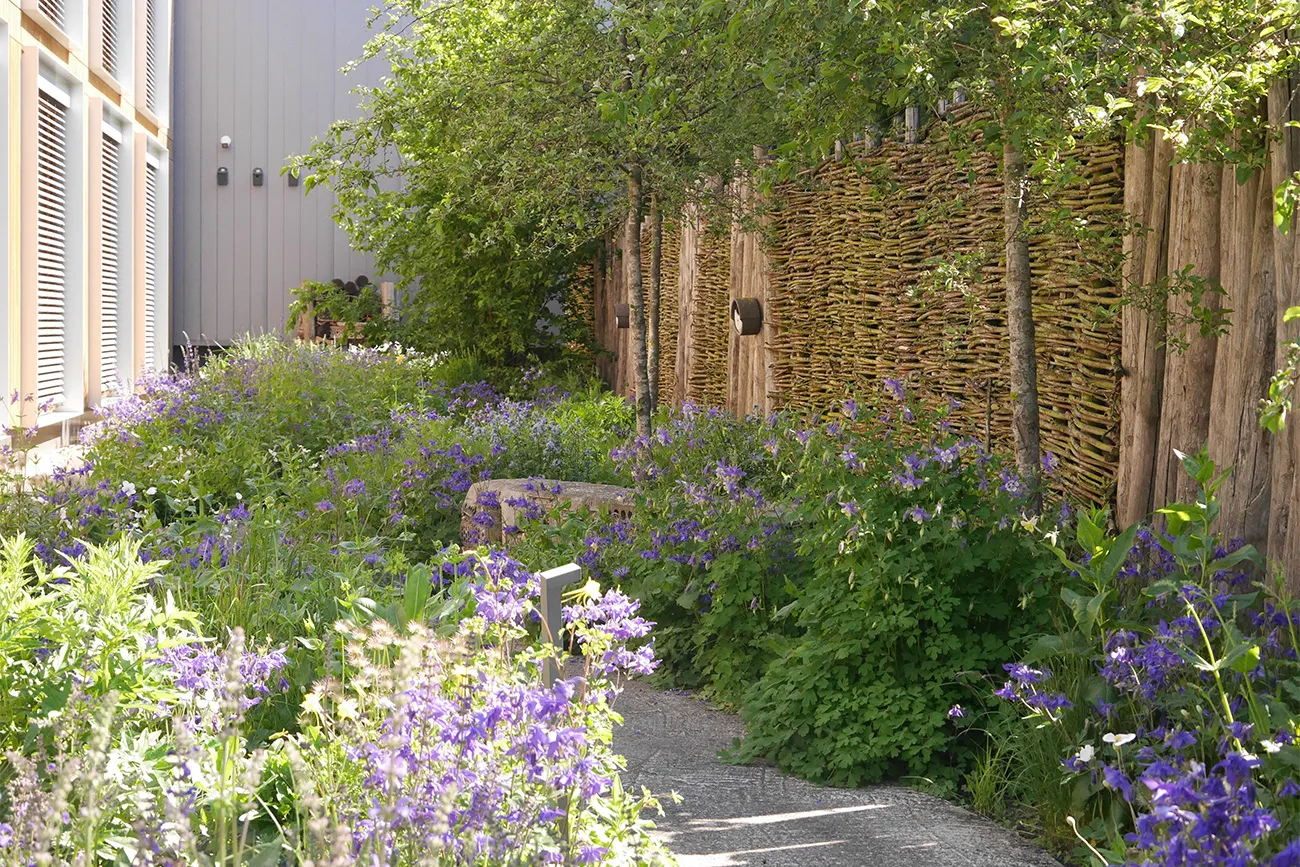
De Bloeimeesters cooperative is a collective of gardeners, growers, garden and landscape designers, and planting designers who have joined forces to make the Netherlands greener. They aim to transform the thousands of square metres of drab, grey space that still characterise Dutch business parks into green oases teeming with biodiversity. Places where people and wildlife can thrive, and which help the Netherlands adapt to a changing climate. In these pages, they set out their vision.
People have a deep-rooted relationship with plants. It is vital to shape our living environment around this connection. Young people are increasingly out of touch with nature. Public green space is the first opportunity to bring children into contact with plants, animals, natural processes and the seasons. Planting is crucial to the health of our surroundings: plants and trees produce oxygen and remove CO2 and air pollutants such as particulate matter. Trees cool us in summer, improve humidity and can reduce noise. Ground-covering plants keep the soil moist and slow the flow of rainwater into the sewer. Water storage and infiltration also reduce the peak capacity the sewer needs to handle. And, of course, plants have ecological value as a source of food and habitat for animals such as insects, birds and hedgehogs.
Using plants in the built environment is about striking the right balance between planting and buildings. Greenery plays a crucial role in creating atmosphere and making a space pleasant to experience. Finally, planting has enormous potential to increase the value of our built environment. Our position is clear: greenery can make or break a place, regardless of how good or bad the architecture is.
Planting strategy
In our view, few things are as dispiriting as planting that fails. The main causes lie in the design, installation and aftercare. So how do you get all of this right? How can plants help address the challenges currently facing our public spaces?
Choosing the right species of trees, shrubs and perennials is essential to creating a well-designed green living environment. In the complex world of plants, success depends on careful species selection and distribution across a space. In-depth knowledge of and experience with planting are crucial. De Bloeimeesters is at the forefront of the field. To help plants thrive, we need to understand their needs. They are, and remain, natural products, and this determines how we should handle them. The starting point is to work with nature, not against it. De Bloeimeesters’ strength lies in our ability to share information, advise and provide guidance, drawing on our combined expertise in planting design, installation and maintenance. This helps ensure that new planting is a success in both the short and long term: varied, rich, living planting that fits the urban context.
De Bloeimeesters aims to advise and inspire, and to green the world in a smart, sustainable way inspired by nature. That is how we can live alongside nature, with respect for it, knowledge of it and a connection to it. De Bloeimeesters is not a traditional, conventional practice, but a strong collective with increasingly rare specialist expertise.
Business parks
Collaboration in the green sector is nothing new, but green-space designers rarely work together. Starting from the idea that individual visions do not always have to clash, but can also complement and strengthen one another, De Bloeimeesters, a collective of gardeners, growers, garden, landscape and planting designers, has joined forces to make the Netherlands greener in as many different ways as possible, sustainably.
Greening is a subject we have heard a lot about over the past few decades and, within the green sector, discussed at length. Wherever possible, paving is lifted, sedum roofs are installed and flower seed mixes are sown. Every little helps, but De Bloeimeesters is setting its sights on major projects, construction companies, property developers, (landscape) architects, urban greening, parks, neighbourhoods, the redevelopment of ageing industrial areas and the greening of business parks. These are places where greenery can deliver maximum benefits for the living environment, the local climate and biodiversity, and, on a wider scale, help create a green Netherlands fit for the future.
A diverse collective
De Bloeimeesters’ vision is gaining traction. In the Netherlands and around the world, we are at a turning point in terms of sustainability and how we house our populations. Green forms of housing are emerging everywhere, whether in high-rise buildings, new developments or historic city centres. The Netherlands is changing, and De Bloeimeesters is keen to contribute as a platform for inspiration, advice, design, guidance and implementation.
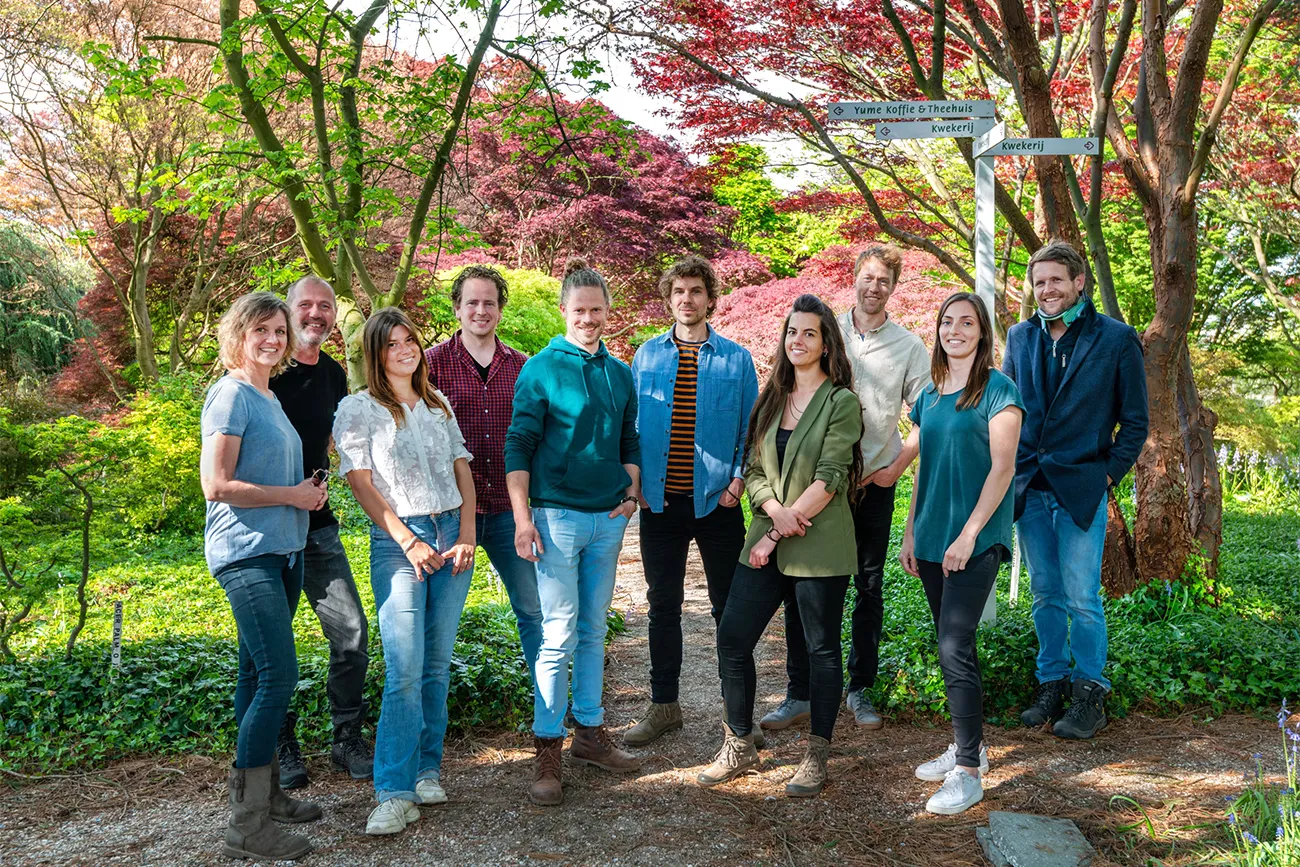
De Bloeimeesters is a diverse group of growers, gardeners, and garden and landscape architects. It also includes planting designers and advisers. This young, dynamic team is always ready to tackle a wide range of challenges and design projects involving the greening of public, semi-public and private outdoor (and indoor) spaces. With a diverse team and nationwide coverage, there is always a Bloeimeester nearby. By working together on as many commissions as possible, both clients and Bloeimeesters can be sure that a project will benefit from different perspectives and achieve the best results.
Take a business park, for example. Nowhere in the Netherlands is it less pleasant to spend time in warm, sunny weather than on the densely paved, adjoining car parks between the low- and high-rise buildings of 21st-century industrial estates. Working conditions may be much better than they were 200 years ago, but step outside the factory or office and the view is often a combination of heavily crown-lifted trees, preferably a plane tree, “because it can cope so well with paving around its roots”. Then there is some anonymous block of vandal-resistant evergreen shrubs, perhaps with a flower or berry. Cotoneaster or Spiraea spring to mind. Swales collect all that runoff, neatly mown like a sunken lawn. Sturdy, easy to maintain, good for 40 years. But oh, so dull.
Variety
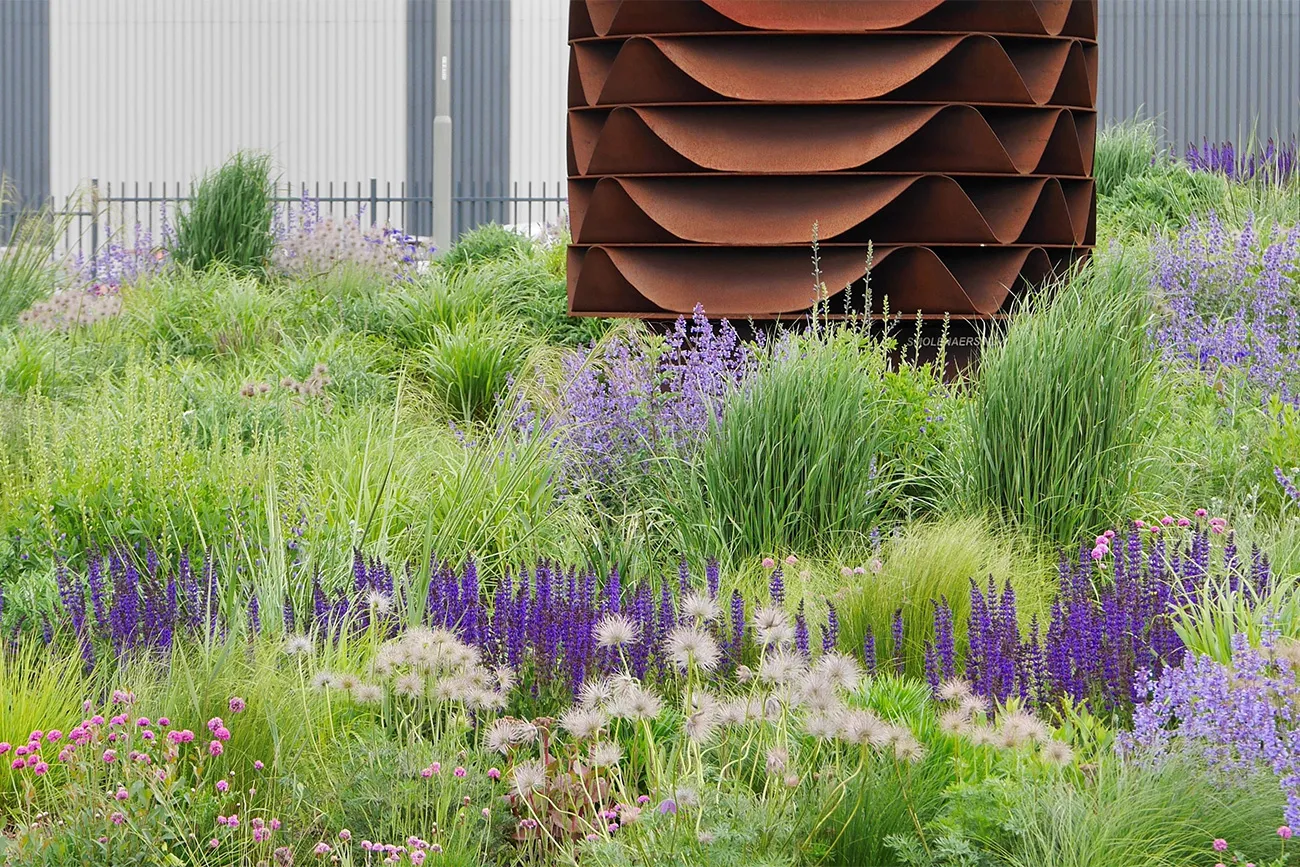
Yet these planting beds could also accommodate a rich and diverse mix of perennials, trees and shrubs, with variation in planting, colour, texture and structure. Make more space for greenery, and give those grass pavers another chance. Invite wild herbs and plants to colonise the edges of car parks. These species are often hardier and better suited to the Dutch climate and challenging growing conditions. They also provide food and shelter for many invertebrates. This is not optional, it is essential. Over the coming decades, the weather in the Netherlands will become more extreme, with hotter summers, more drought and heavier rainfall. Business parks, with all their sealed facades, flat roofs, infrastructure and parking, will be hit particularly hard.
Yes, the soil is often poor and maintenance limited, with irrigation sometimes entirely absent. But with the right expertise, a green solution can be found anywhere. A smart plan and a few small changes to maintenance can turn any business into a true office garden: green, cool, biodiverse and a pleasant place to spend time. Not to mention the potential for water retention across all that roof space covered in vegetation, of course interspersed with plenty of solar panels. It would provide a wonderful habitat and, as a means of storing water, a valuable addition to beautifully planted swales. And let’s be honest, a building dressed in a fine green coat also makes a great first impression and serves as a calling card for the business in question.
The Netherlands has more than 100,000 hectares of land designated for business use, offering enormous potential. Imagine what greening these areas as a whole could mean for making our cities more climate-resilient. The relative tranquillity of many business parks also makes them relatively suitable for wildlife, which is increasingly moving into cities as habitats elsewhere disappear. Combined with the trend towards building more homes in these areas, this offers opportunities for plants, people and animals.
Inspiring examples
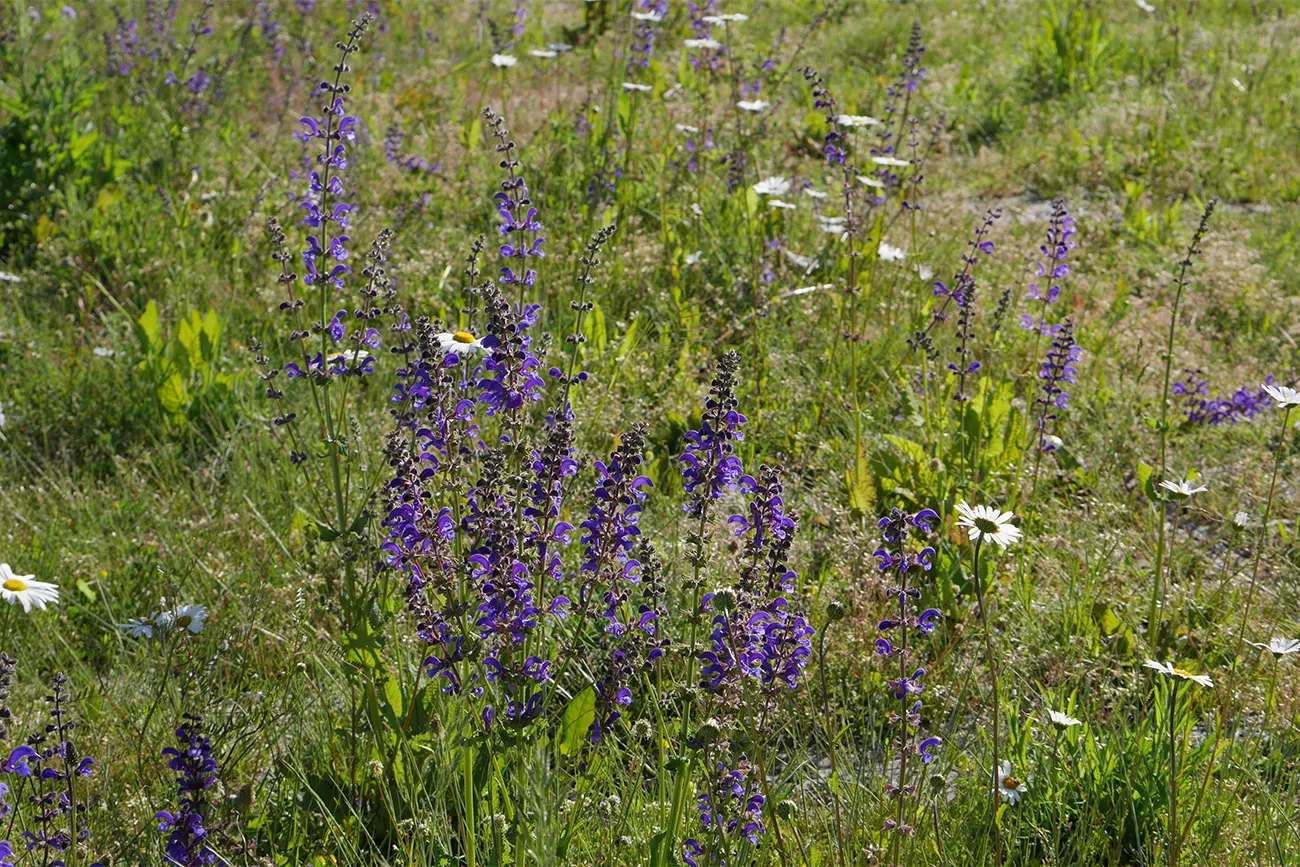
There are plenty of examples of successful green business parks. German designer Bettina Jaugstetter has made it her trademark. With surprisingly colourful, resilient planting and smart, low-maintenance soil technology, even the dullest car parks become a sight to behold. Here in the Netherlands, Iverna Zaalberg (Natuur bij Huis) has also created a sea of flowers in Haelen, rich in wild herbs and complemented by hardy perennials. Colourful and biodiverse, it makes a great spot for lunch in the office garden in every season.
De Bloeimeesters want to inspire, but above all to collaborate. Being involved in a project’s (re)development from the drawing board onwards ensures a suitable design with a clear vision for long-term maintenance. This is the only way to avoid disappointing results and make the Netherlands greener in a sustainable way.
For more inspiration, visit www.debloeimeesters.nl
Question about this story? Ask your question
Keep following this
Get an email when a new story is published. No account needed.
- ThemeNature-friendly green space management
- SubjectGeneral







