









De Groene Stad and Ruyteninstituut join forces
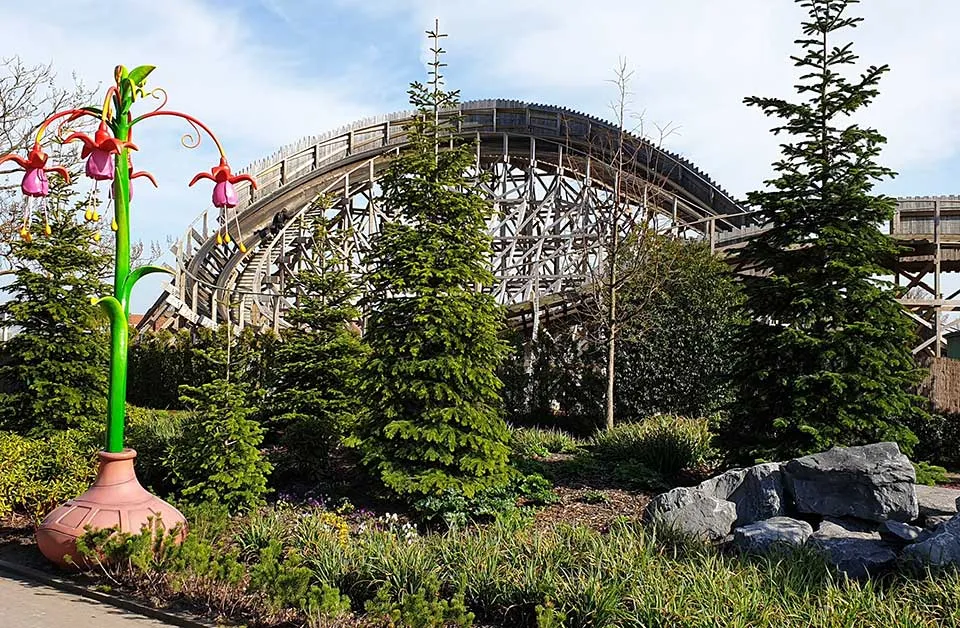
“The new IBR Vergroen Methodiek improves green spaces”.
Something is going badly wrong with the planning of living environment projects, and that gives us food for thought, says Marwin Dekkers. As former director of Boomkwekerij M. van den Oever in Haaren, he is driving force behind the new Integrale Beplantingsmethode Ruyten (IBR) Vergroen Methodiek.
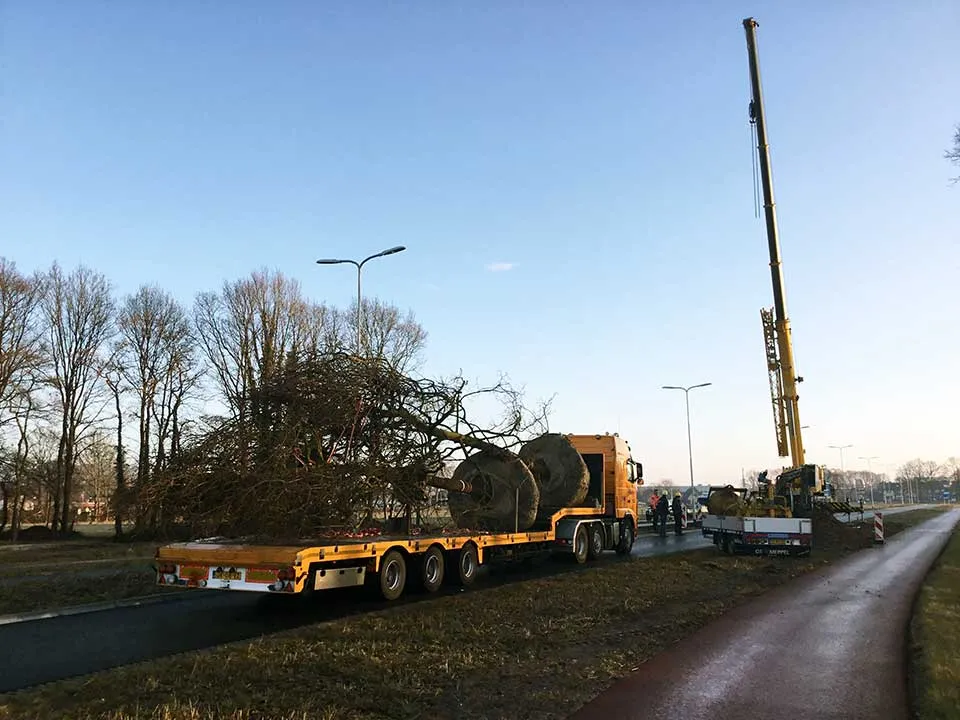
Dekkers explains: “Research shows that the quality of an environment is determined by the greenery present to the tune of 72 per cent. That is a huge proportion. Yet when a new housing development, square or park is being developed, only one or two per cent is spent on greenery, or is left for it. Clearly, something is going badly wrong. That is why the IBR Vergroen Methodiek was created. It makes it possible to create the most optimal green and sustainable environment within policy frameworks, project briefs for the living environment and user requirements. And the great thing is that it allows us to show the impact at every level, from policy through to the end user. Everything is assessed using the IBR Score against the 5×5 environmental challenges.”
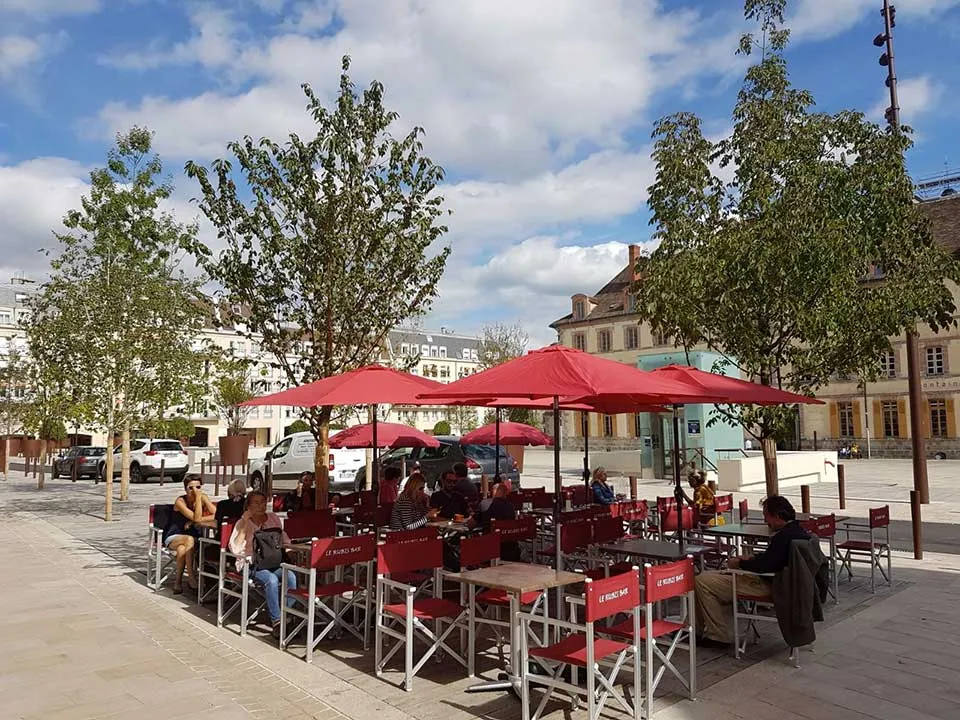
The method is based on scientific research carried out in collaboration with Ruyteninstituut in Heelsum. “Researcher drs. Frits Ruyten established, on the basis of growth curves for greenery, that adding mature trees, shrubs and ground cover offers a number of important benefits. One thing is essential: choosing the right species and planting them at the right distance. The leaves and needles of trees, shrubs and herbaceous plants provide direct shade during heat stress. They also act as a buffer for excess rainwater and absorb harmful airborne particles such as nitrogen dioxide, particulate matter, ozone gas and CO2. They also increase biodiversity and enhance people’s experience of green spaces.”
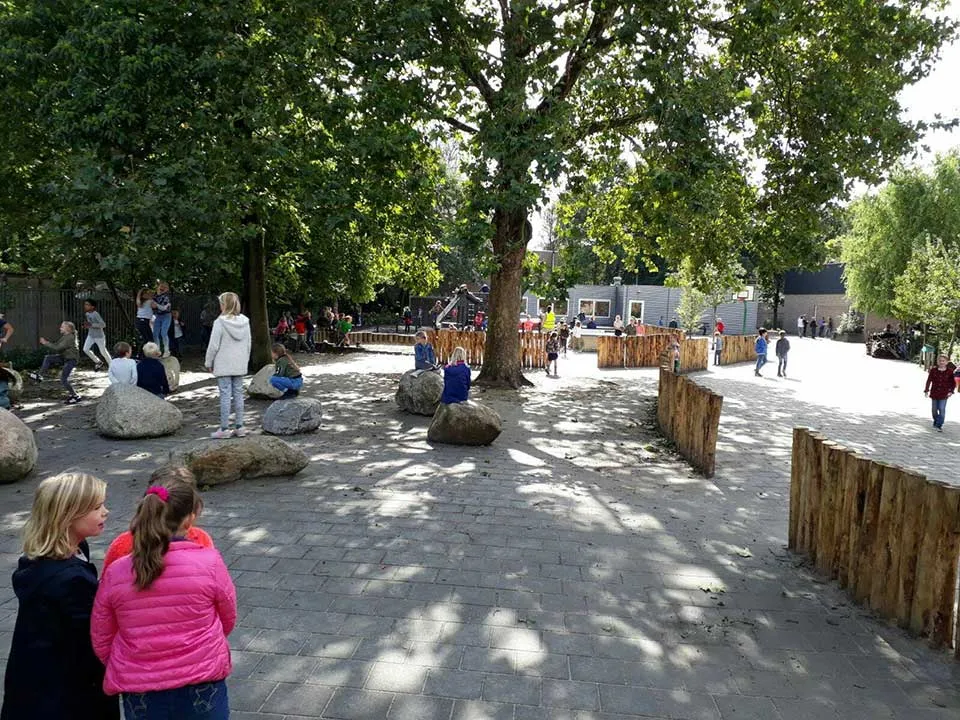
In addition, maintenance costs fall so sharply that investing in greenery becomes more attractive. Ruyteninstituut monitors and develops this IBR approach and certifies IBR applications. “To improve the living environment using this method, one key research question is central: how can we green our living environment in the most future-proof way possible and translate integrated environmental challenges into a practical plan for implementation and management?”
Integrated environmental challenges
Dekkers continues: “That is easier said than done, especially now that one urgent issue after another is emerging in municipal policy frameworks. That is why the method identifies five green pillars, or environmental challenges, each with five sub-themes highlighting the importance of green environments: the 5×5 method.”
1. Climate
Greenery makes an environment climate-resilient through measures including heat stress reduction, water storage and drought-tolerant plants.
2. Economy
Users value greener environments more highly, which in turn increases property values. Users stay longer and spend more.
3. Wellbeing
Greenery gets both older and younger people outdoors: it encourages physical activity, play and social interaction. This has a positive effect on health.
4. Biodiversity
Greenery enhances people’s experience of their surroundings and provides food and safety for people and animals. It attracts more bees, insects and birds, and helps prevent the soil from drying out.
5. Future-proofing
Greenery planted today should remain in place for at least two to three generations to make the greatest possible contribution. Designing more sustainably and circularly is important.
IBR Score for green projects
“Almost all green projects can receive an IBR Score,” says Dekkers. “This gives policymakers and managers insight into how a project performs in terms of greenery and where improvements are needed. New developments can also incorporate a green design with the desired IBR Score right from the drawing board. Ruyteninstituut independently certifies IBR projects, whether recently or previously completed, based on implementation or management. This guarantees 100 per cent quality for the client.”
Vergroen Praktijk basic course
The IBR Vergroen Praktijk Basiscursus takes place on 28 and 29 April 2021 in Wageningen. It is aimed at landscape architects, urban planners, developers and green-space experts. After the course, participants can apply the IBR 5×5 Scan method and, if they complete it successfully, become certified as an aspirant-IBR Expert. For more information: www.degroenestad.nl or www.ibr-experts.com. Register via
Ruyteninstituut.
Question about this story? Ask your question
Keep following this
Get an email when a new story is published. No account needed.
- ThemeSpace for urban green
- SubjectGeneral







