









‘Forward-thinking and very willing to share knowledge’
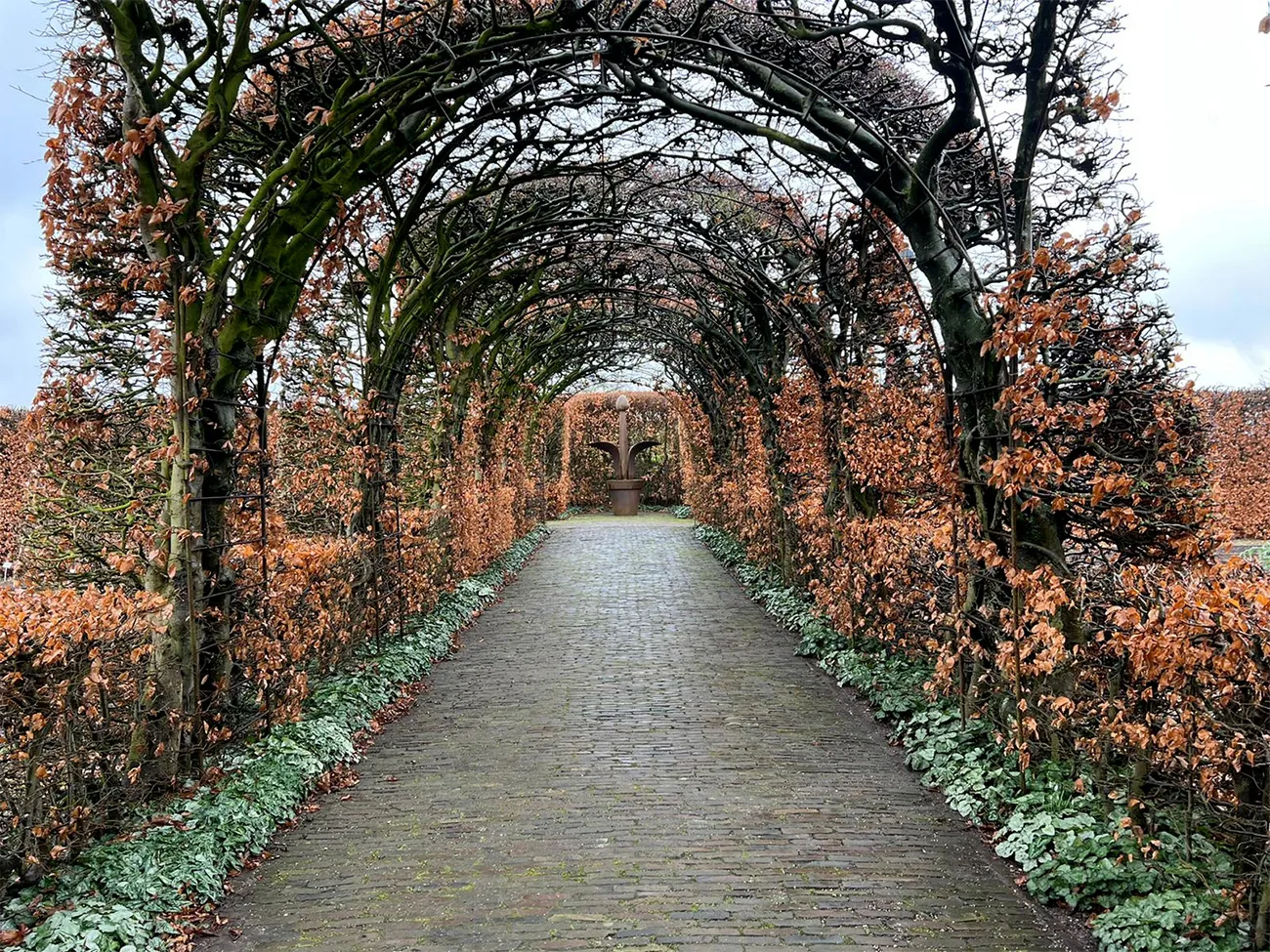
Green spaces often play a very important role around castles, country estates, fortifications and other historic monuments. A castle garden or landscaped park has a long history, and this historical perspective must be taken into account when maintaining this green heritage. The Vereniging van Erfgoedhoveniers is the umbrella organisation for these specialist landscape gardeners. In addition to certifying its members, its aim is to bring together and share their knowledge and expertise, both within and beyond the association.
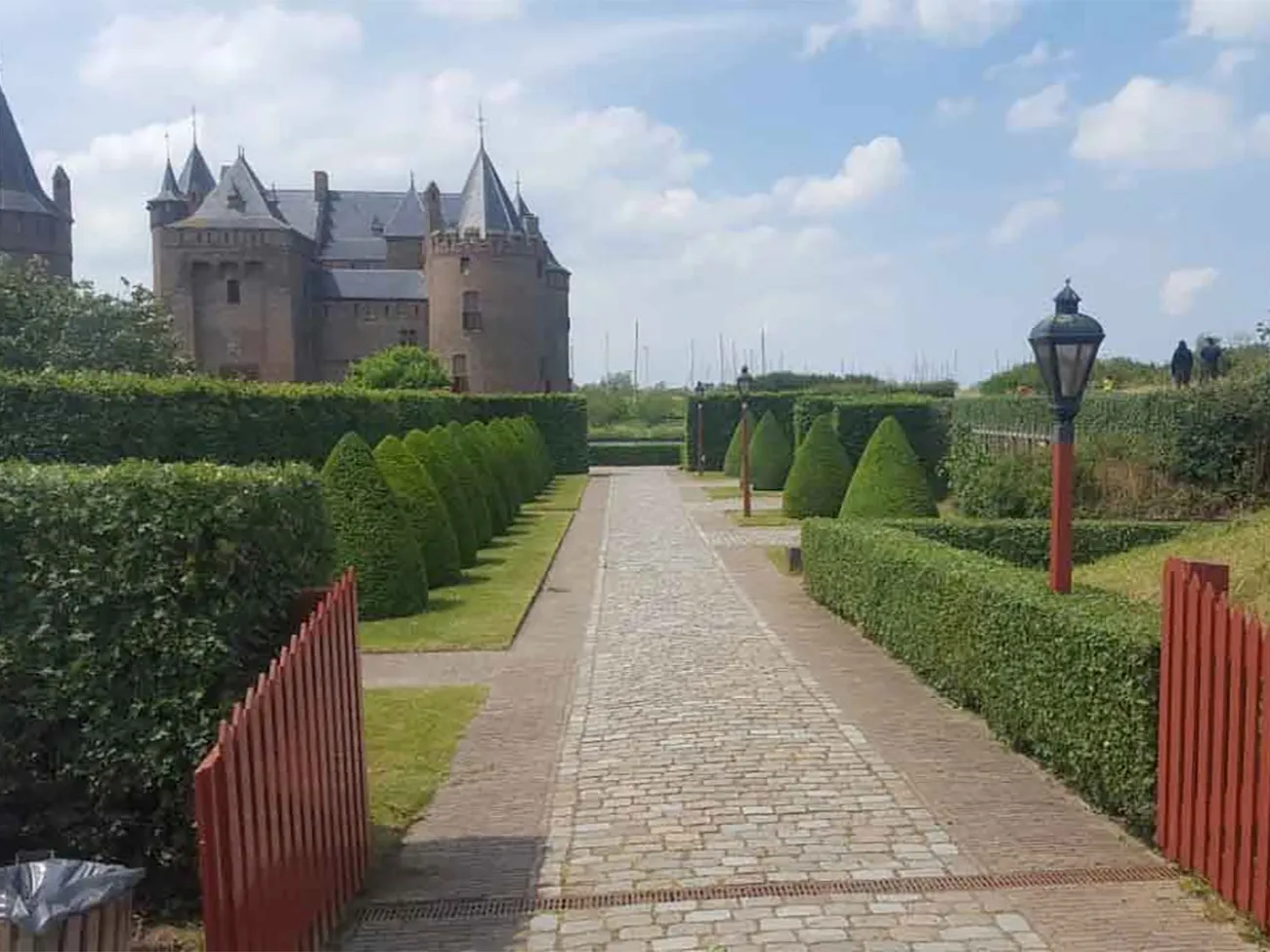
What stands out in the conversation with Simon Angel, the association’s chair, is the broad scope of the work and the heritage gardeners’ forward-thinking strategy. Simon is passionate about this field: ‘The affiliated landscape gardeners bring together several important disciplines within their businesses. They have expertise in the creation and management of historic green spaces in the broadest sense. Sometimes they work on redesigning landscapes to restore sightlines between country estates. On other occasions, they are called in to make castle gardens better suited to large numbers of visitors. In every case, the starting point is an understanding of the history of the site in question, whether that knowledge is already available or has to be acquired. That is always the first step. With that understanding, a design, an action plan and a management plan are drawn up. All projects are also approached with a view to the future. The work carried out must make a meaningful contribution to ensuring the long-term future of historic green heritage.’

History as the starting point
Eric Ticheloven, director of Green M2 and a board member of the Vereniging van Erfgoedhoveniers, has now joined the conversation. He describes a striking example of a project in which their specialist knowledge made all the difference: ‘In 2021, we renovated the world’s largest hedge maze. It was badly needed, as the hedges had grown and been trimmed asymmetrically over several decades. Many of the paths were also no longer in the right place. We set out to find the original design, which turned out to be based on the hedge maze at Hampton Court in England, dating from around 1700. With this information, we were able to restore the maze to its former glory. A management plan was drawn up, of course, to ensure it can be maintained in the future. It covers matters such as fertilisation, water management and pruning. To help the gardeners, for example, we installed steel pipes in the ground into which poles can be inserted. These mark out the hedge, making it possible to see exactly where it needs to be trimmed in the future.’

Active across a broad range
A heritage landscape gardener combines a number of qualities and disciplines. Naturally, the affiliated businesses have the necessary knowledge and expertise in green-space creation and maintenance in general. That is, of course, a prerequisite. Their specialist skills are complemented by an understanding of history and how to deal with it. A third important quality is that heritage landscape gardeners recognise their strategic position in the interplay between public authorities and owners of historic sites. There can sometimes be tension between the different interests of provinces, municipalities and other (semi-)government bodies on the one hand, and heritage owners on the other. It takes skill to play a guiding and sometimes mediating role in this. Simon adds: ‘As an association, we bring together and share knowledge about these kinds of processes and projects. We do this among ourselves, of course, at our knowledge-sharing days (KDD), but we also want to step up this role with external parties.
Question about this story? Ask your question
Keep following this
Get an email when a new story is published. No account needed.
- SubjectGeneral







