









From green plans to green practice in construction
Text Nolanda KlunderImage Tangram Architekten
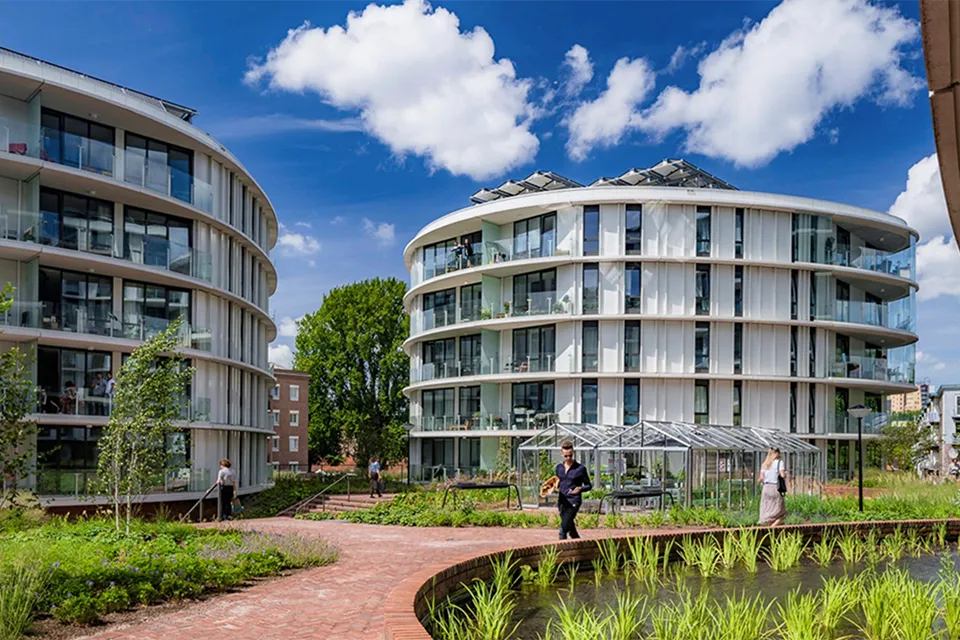
New masterclass ‘From real estate to living environment’
There is no shortage of green ambition in construction projects, but what happens when it comes to delivery? Too often, the green spaces created in practice fall short of the quality designed and agreed upon. The new masterclass ‘From real estate to living environment’ teaches those involved how to sustain green ambition throughout the process.
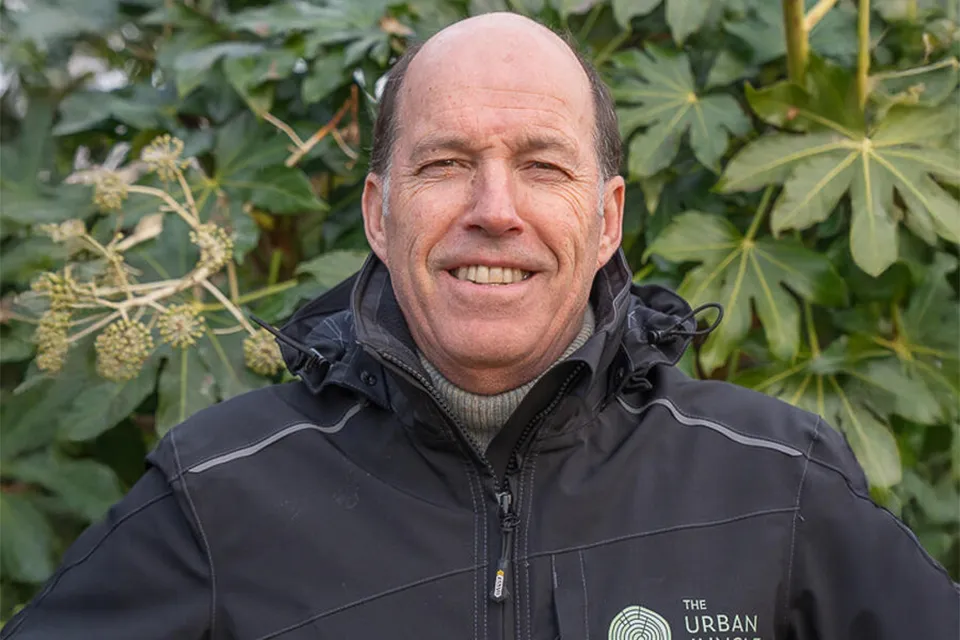
“Cities without well-functioning green spaces become unliveable: too hot, too dry, too much concrete. But plans to green the built environment in the right way often fall by the wayside in practice because too little expertise is brought in,” says Frank Zoontjes of De Bloeimeesters. Together with The Urban Jungle Project, he is developing a masterclass on how to handle green plans carefully within projects: ‘From real estate to living environment’. The masterclass is being developed in collaboration with Nico Tillie and Steffen Nijhuis (TU Delft), James Byng (Hortus Botanicus Delft), Anne Marie van der Weide (Mecanoo Architecten), Buddy Wijnands (CB5), Bart Mispelblom Beyer (TANGRAM Architekten) and Evelien de Mey (EDM tuin en landschap).
Stumbling blocks
The masterclass is being set up because green space is essential, yet too often takes a back seat during project delivery. “There are countless stumbling blocks between green ambition and reality,” explains Daan Grasveld of The Urban Jungle Project. “One major stumbling block is ambition without foundations: the client wants to do something with green space but has not thought it through, so there is no realistic cost estimate, no well-founded brief and no long-term strategy. There are many other stumbling blocks too: experts are brought in too late in the process, spending on green space is cut as the project progresses, or the green space is poorly implemented.” This can be prevented if the parties involved have a better understanding of why green space is so important.
Taking an integrated approach
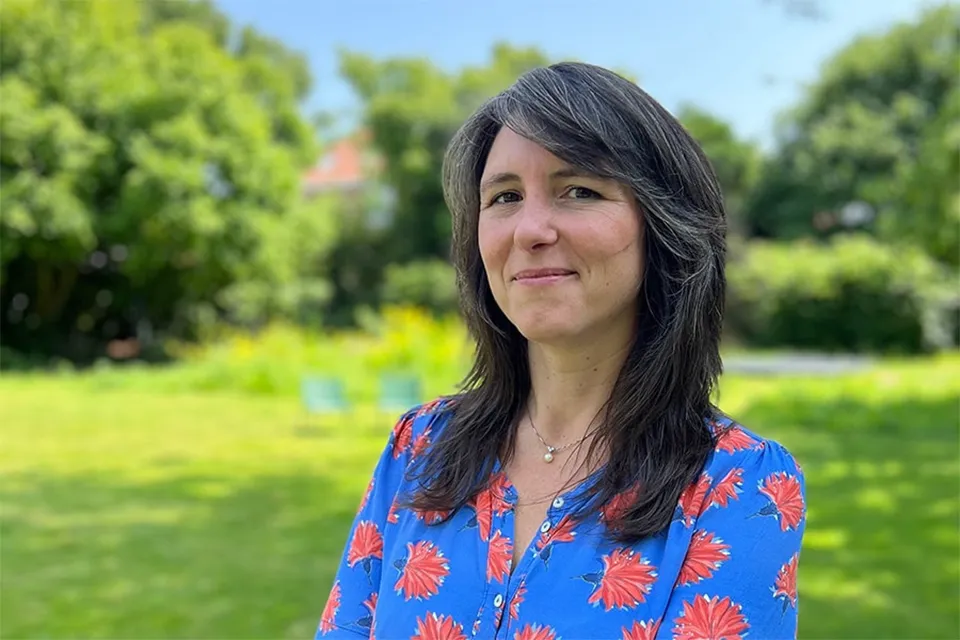
“Green is a means, not an end in itself,” says Buddy Wijnands, summing up the importance of green space. “High-quality planting creates essentials such as health, liveability, biodiversity and sustainable mobility. Plants mean you do not have to solve everything with technology: for example, you can prevent flooding with underground infiltration crates, but also with healthy soil and swales. You can install air purifiers in your building, or plants. That understanding must remain clear from start to finish.” Maxine Luger says: “For investors, developers and asset managers, the parties acting as clients, it is essential to understand that green space should not be added at the end, but integrated into project development from the outset.” Anne Marie van der Weide adds: “Policymakers should also be considered. They need to ensure the right assessment frameworks are in place so that developers actually adhere to the ambitions set out in advance.”
Not as a cost item
The fact that planned green space is not always delivered to its full potential has everything to do with money. “But it is far more expensive to bring in the right expertise too late, resulting in something that does not work and has to be fixed later,” Daan Grasveld stresses. “Of course, we green cities to keep them liveable. But green space also has monetary value, because real estate becomes more valuable, for example through certifications such as BREEAM, LEED and WELL.” Even when addressing project developers, however, liveability is ultimately the most important argument. Grasveld says: “What is the value of real estate in a city where nobody wants to live? Green space should not be seen as a cost item, but as a crucial factor in building for the future.”
Mindset
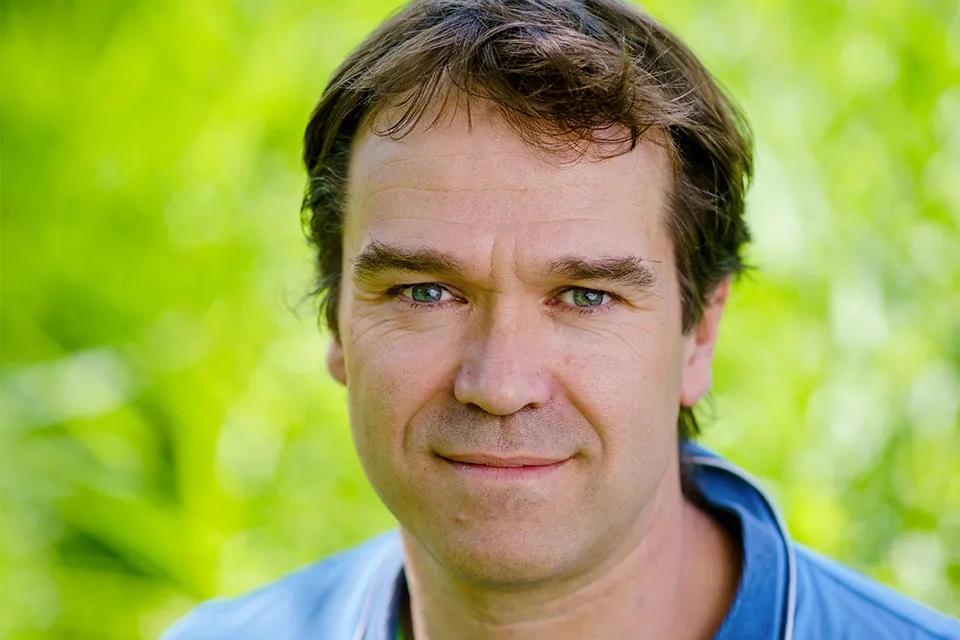
The masterclass is currently being developed in detail. “‘From real estate to living environment’ has the core objective of bringing about a fundamental shift in mindset among participants, so that green space is factored into projects from the very start,” Luger explains. “Green space is not only about ‘soft’, aesthetic value, but very much about ‘hard’ value too: how does this green space contribute to the system?”
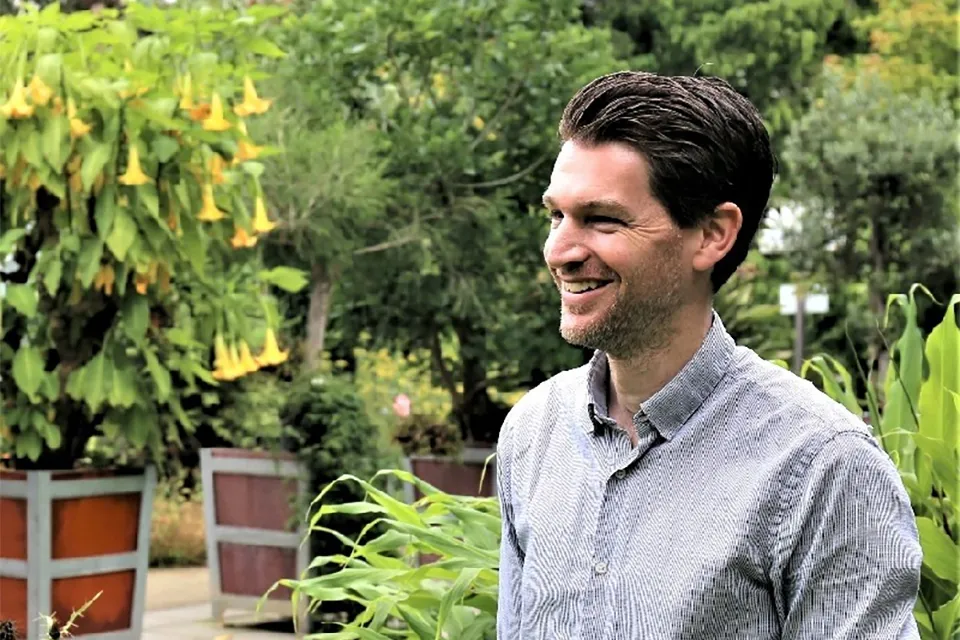
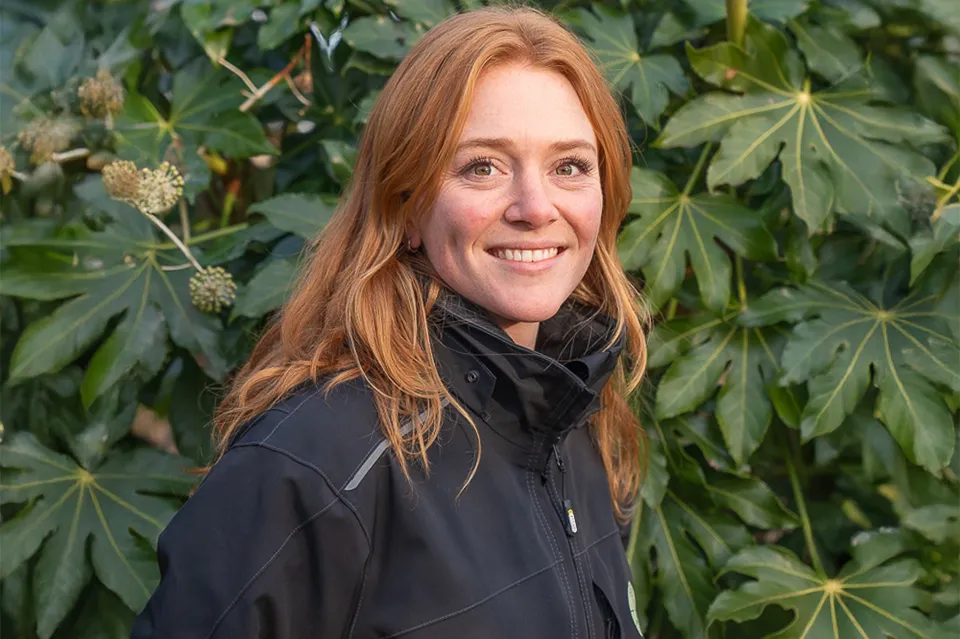
Nico Tillie says: “Plant knowledge will also feature in the curriculum. As participants have different backgrounds and needs, we are considering a structure of elective modules for more in-depth learning.” Maarten Grasveld explains the different needs: “Plant knowledge is needed at various stages of a project, for example when designing, developing and checking plans. But project developers do not need to have that knowledge themselves, as long as they hire experts.” Bart Mispelblom Beyer adds: “An architect cannot design without knowledge of plants, just as they cannot design without knowing about structures or building services. You need a basic understanding of what the seasons mean for planting, of irrigation and of how trees put down roots. Generalists need knowledge at that level; the rest is for specialists. The most important thing is that generalists know enough to realise when they need to call in a specialist.”
Embedding motivation
The sessions will be held at Hortus Botanicus in Delft, with a start date yet to be determined. “We will take the seasons into account,” says James Byng. “As part of the course, we will visit projects. You want to see them at their best.” Evelien de Mey says: “We will look at successful examples, but it is also interesting to see why certain projects failed to turn ambition into reality. At what point in the process did the green space fall by the wayside, and how does that differ from the success stories? As a landscape architect, you cannot control every aspect of the development process, such as budgets, focus and construction. As a result, what gets delivered can sometimes be far less ambitious than the original plan.”

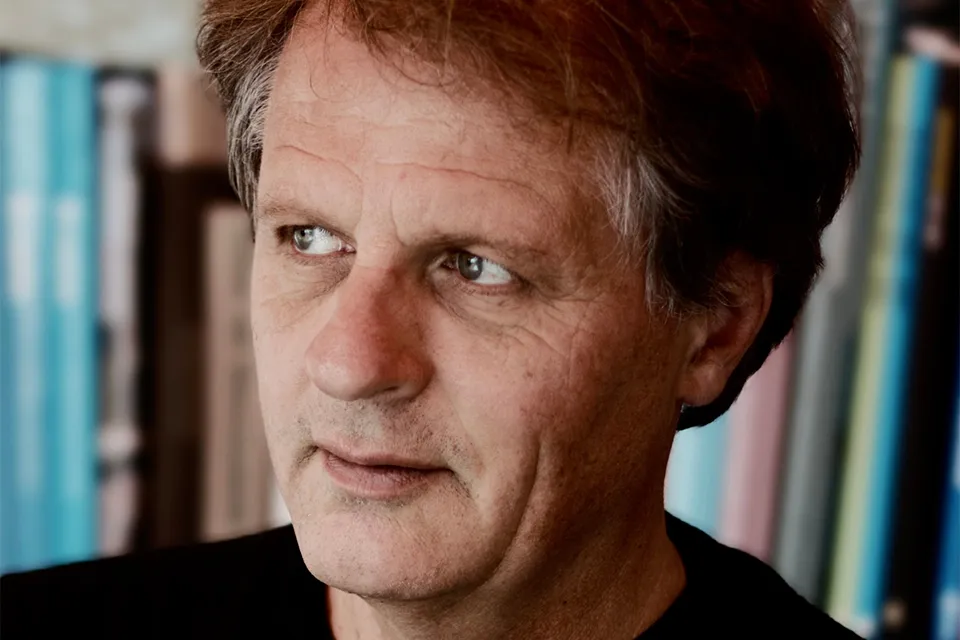
Maarten Grasveld says: “To ensure the design is actually delivered, you should make the render contractually binding. That should also include: we will come back in ten years to check whether it is as agreed. Public authorities should enforce the render, but often do not.” Mispelblom Beyer agrees: “Green space is always the first thing to go when cuts have to be made. As a designer, you should really bring in enforcement officers if the green space is cut. That should not be necessary if there is intrinsic motivation throughout the process.” Wijnands says: “Nobody is against green space, but people need to understand more deeply that it has value and in fact does not cost more. The ambition a project developer starts with can be sustained throughout the process if everyone understands why. Embedding that intrinsic motivation is the foundation of this masterclass.”
Question about this story? Ask your question
Keep following this
Get an email when a new story is published. No account needed.
- SubjectGeneral







