









Get ahead with training in forklift trucks, MEWPs and more
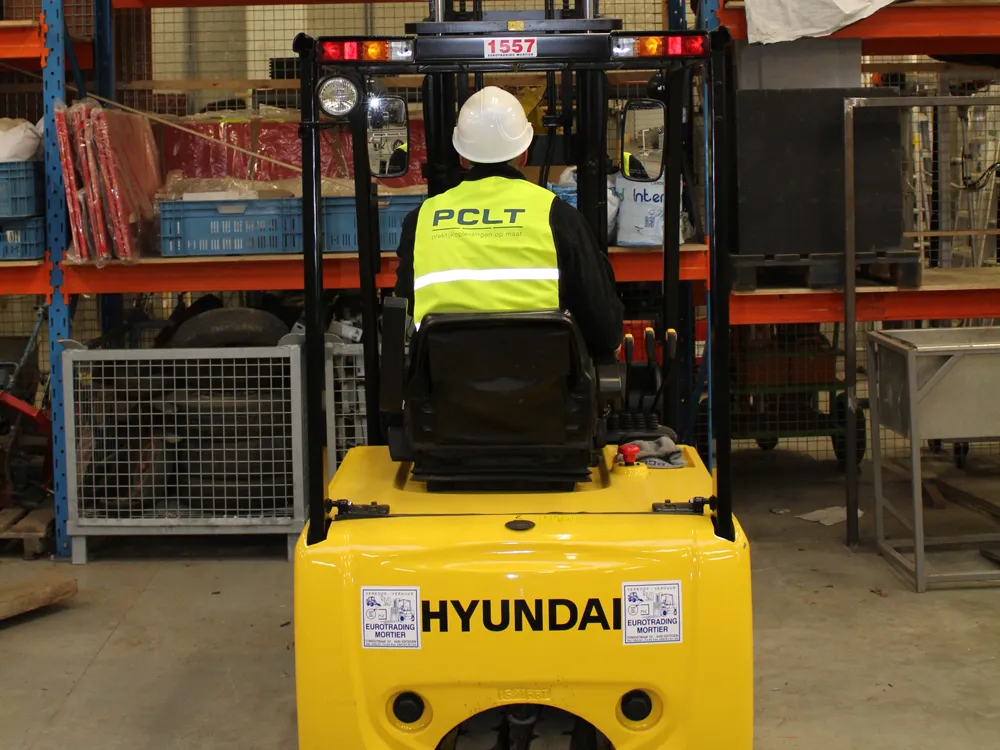
We do not need to tell you that the world changed dramatically over the past few months. Events were cancelled, travel was kept to an absolute minimum and working from home became the new norm.
Theoretical modules now also available through e-learning
A necessary evolution, but one with positive aspects too. For example, the huge rise of digital platforms offers unprecedented flexibility in PCLT’s training programmes.
Text Elise Noyez | Image PCLT
Alongside the refresher courses for the phytolicence, which have been held online since May, PCLT will also make a package of logistics courses available through its e-learning platform from September. Initially, these will cover refresher training for forklift trucks and MEWPs, followed by courses in excavators, wheel loaders and telescopic handlers, among others. “The huge digital surge of the past few months has brought a number of clear benefits for us too,” says Geert Chys, director of PCLT. “We want to make the most of them with this offering.”
Flexible
The value of investing in training speaks for itself. But Geert also recognises the practical concerns of both the self-employed and business owners. “Not everyone can simply make time for a course when it is scheduled, and it is not ideal to have all your employees away at the same time. On top of that, driving can eat up some very valuable hours. An online course, on the other hand, can be taken at a time that suits you, without having to travel. This flexibility is greatly appreciated, and we want to incorporate it into an increasing number of training programmes over time.”
Geert also points to another benefit for business owners: “As an employer, you can monitor your staff’s progress. You know exactly who has completed the course and who still has some catching up to do.”
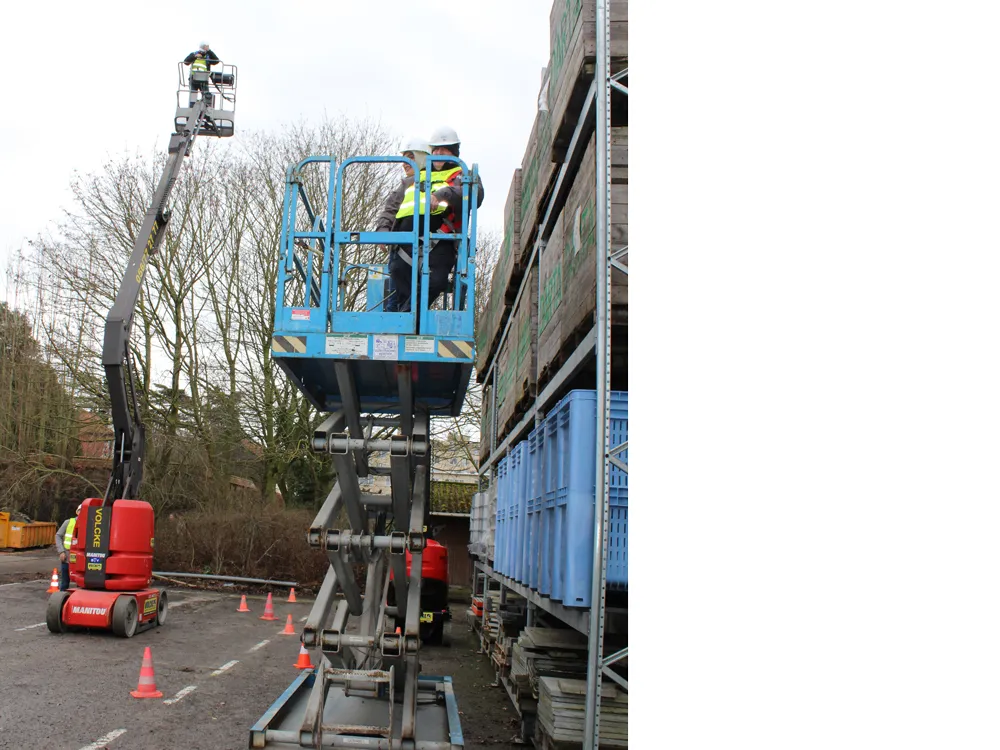
Practical training remains essential, of course.
Well structured
The courses themselves consist of several modules, each covering a specific topic through a video and presentation. “At the end of each module, participants are asked a number of questions. If they answer them correctly, they can move on to the next module. An online course takes around two hours in total.”
Practical training remains essential
E-learning covers virtually the entire theoretical part of the standard course. “However, traditional face-to-face sessions are still necessary for the theory exam and, above all, the practical component,” the director emphasises. “Self-employed participants can attend on scheduled dates at our various training locations, and we are happy to come to businesses. This allows us to provide high-quality training with as little disruption to operations as possible.”
Question about this story? Ask your question
Keep following this
Get an email when a new story is published. No account needed.
- SubjectGeneral







