









How spraying is giving way to sustainable techniques
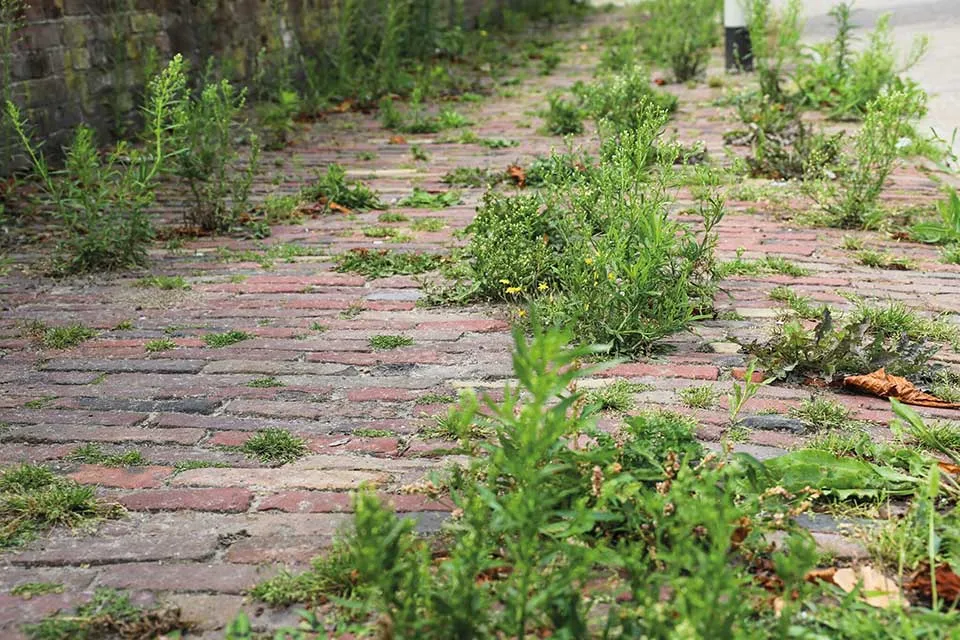
From weed control to weed management. In the fight against weeds in public spaces, chemical spraying has been displaced by sustainable alternatives.
The culmination was the 2016 ban on chemical weed control on paved surfaces. And although the ban was overturned last year, Stichting NCO remains optimistic about a sustainable future. “The market and society have already moved on.”
As chair of Stichting Niet-Chemische Onkruidbestrijding and owner of Weedcontrol, Bert van Loon has 22 years’ experience in chemical-free weed management. He, along with many others, sees nothing but benefits in an integrated approach to weed control without chemicals. But where do things stand now? Is spraying on paved surfaces allowed or not? Bert takes us through a long-running campaign for sustainability.
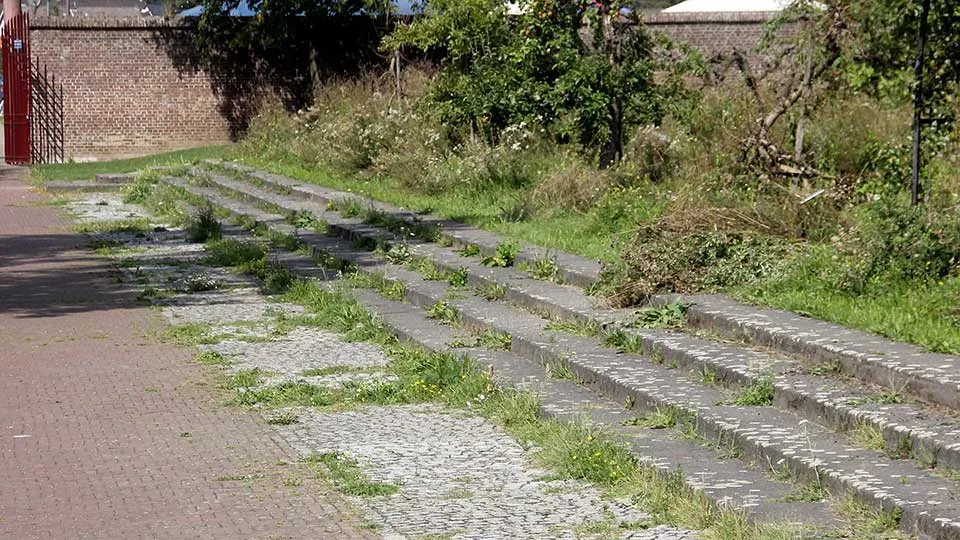
Pioneers
In the 1990s, chemical products were still widely used, although their harmful side effects were becoming increasingly clear. “Prolonged pesticide use makes the soil less suitable for use. There are also concerns about the effects on public health and surface water quality.” These concerns were justified, as European limits for chemical substances in groundwater and surface water were being exceeded. Wageningen University & Research has conducted, and continues to conduct, research into the use of chemical plant protection products, particularly glyphosate. One striking finding was that local authorities were not the biggest users, but were the biggest polluters. “In agriculture, the product mainly ends up on the leaves, where it does its job. But on paved surfaces, most of it finds its way into surface water through the paving,” Bert explains. Water authorities were also concerned, and as early as 1997 several local authorities in Noord-Brabant turned to a different approach.

Below the surface
“To bring surface water quality in line with European standards, concentrations of harmful substances had to be reduced. Restrictions were introduced on their use, but this made the products less effective. Some in the market responded by ignoring the restrictions, while an alternative was also gaining ground. Chemical-free weed control uses hot water, hot air, steam or brushes, and was becoming increasingly popular. The methods consequently became more professional, and a ban on chemical weed control seemed like a logical next step, but it never materialised. “Manufacturers have powerful lobby groups, and the products have been approved under EU standards. So a ban is not that straightforward.”

The Hague
The establishment of Stichting Niet-Chemische Onkruidbestrijding (NCO) created a platform for specification writers and research institutes to share and disseminate knowledge about non-chemical weed control, including with the government. Bert was appointed chair after Peter van Haar and set his sights on The Hague. “Wilma Mansveld was State Secretary from 2012 to 2015 and wanted a ban, but that required scientific proof that glyphosate is harmful to humans or animals. Not all studies show this, which meant a blanket ban could have been challenged in court. These products are also relatively cheap to use.” For years, NCO engaged with the government, making clear that there is more to it than weed control alone. “You can also tackle other issues alongside weed control. Sweep the street regularly and weeds will not get a chance to take hold. Rather than waiting until plants are large enough to treat, you can take an integrated approach that puts management at its centre. We showed the costs per square metre of chemical-free management, and it turned out that integrated control was both effective and affordable.”
Ban
In 2016, the ban on using plant protection products on paved surfaces came into force. Glyphosate was permitted, but the Dutch government could prohibit its use in specific sectors. Its use by professionals in public spaces was banned, partly because there were enough alternatives. Private individuals could still use the product in their own gardens. Stichting Nederlandse Stichting voor Fytofarmacie (Nefyto) challenged the ban on the grounds that it was not adequately supported by Dutch law, and won. “According to the court ruling, it is currently as if the law had never existed, but that will not last long. The legal basis for amending the law is already in place, with the option of extending the ban to private use. The market has already moved on, and society no longer accepts the use of chemicals either. Although local authorities are legally allowed to spray again under the DOB method, they are looking ahead. Weed control in public spaces has shifted to weed management. The professional sector remains chemical-free and is even moving on to the next step: emission-free.”
Question about this story? Ask your question
Companies in this story
Keep following this
Get an email when a new story is published. No account needed.
- ThemeNature-friendly green space management
- SubjectGeneral
- CompanyWeedControl







