









‘Invest in knowledge and knowledge-sharing, and get involved early’
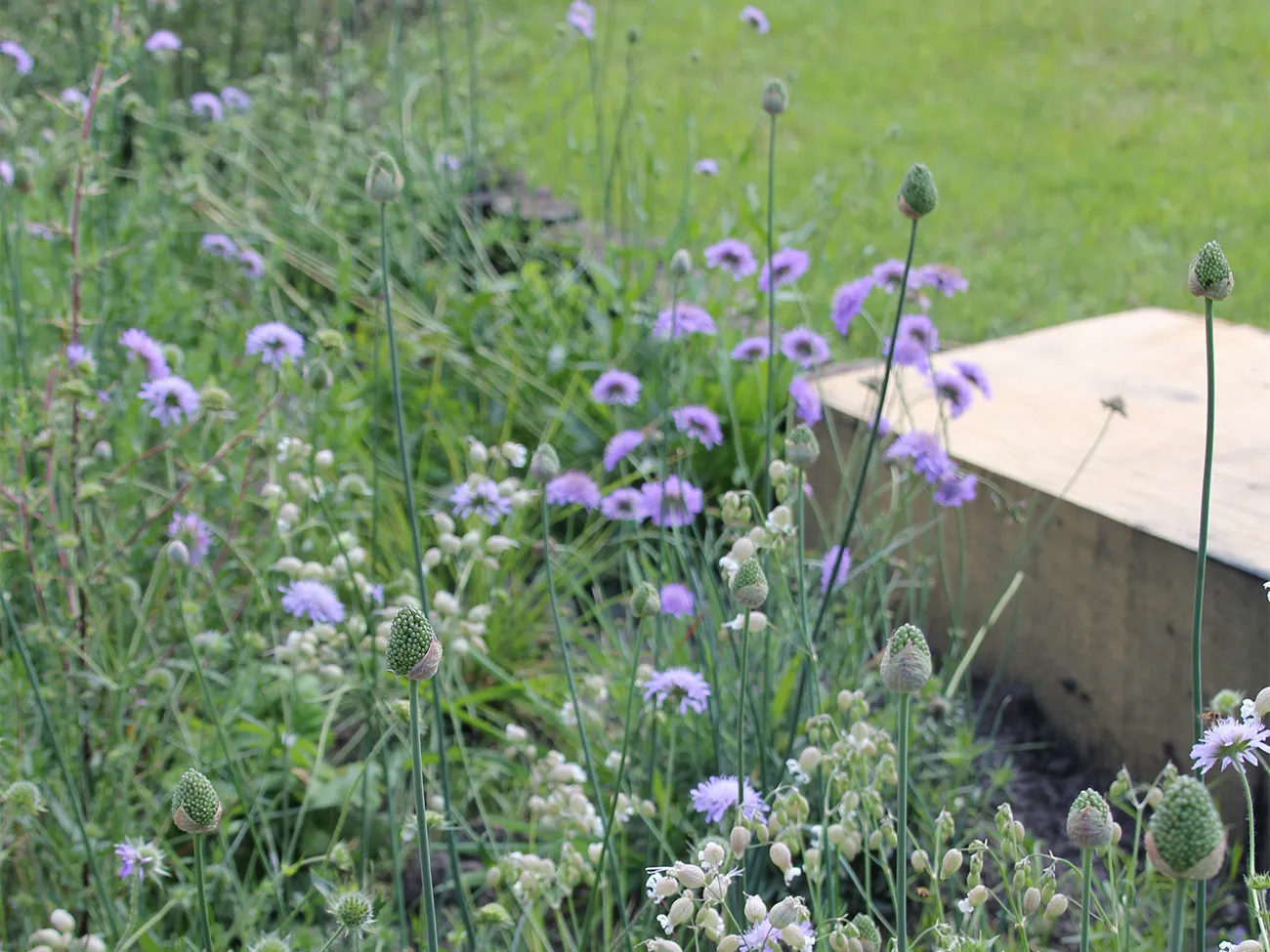
Discussion panel sees collaboration going hand in hand with innovation in improving the quality of green
In the development market, greenery has shifted from being merely decorative to serving a primarily functional role, driven by growing attention to nature and the environment. The outlook for green is therefore good, but the generally low level of planting knowledge also means that a great deal goes wrong unnecessarily, say De Bloeimeesters, a partnership of planting experts working to promote nature and biodiversity. On 8 November, De Bloeimeesters held a small-scale discussion forum with industry peers to explore how the quality of green can be improved further.
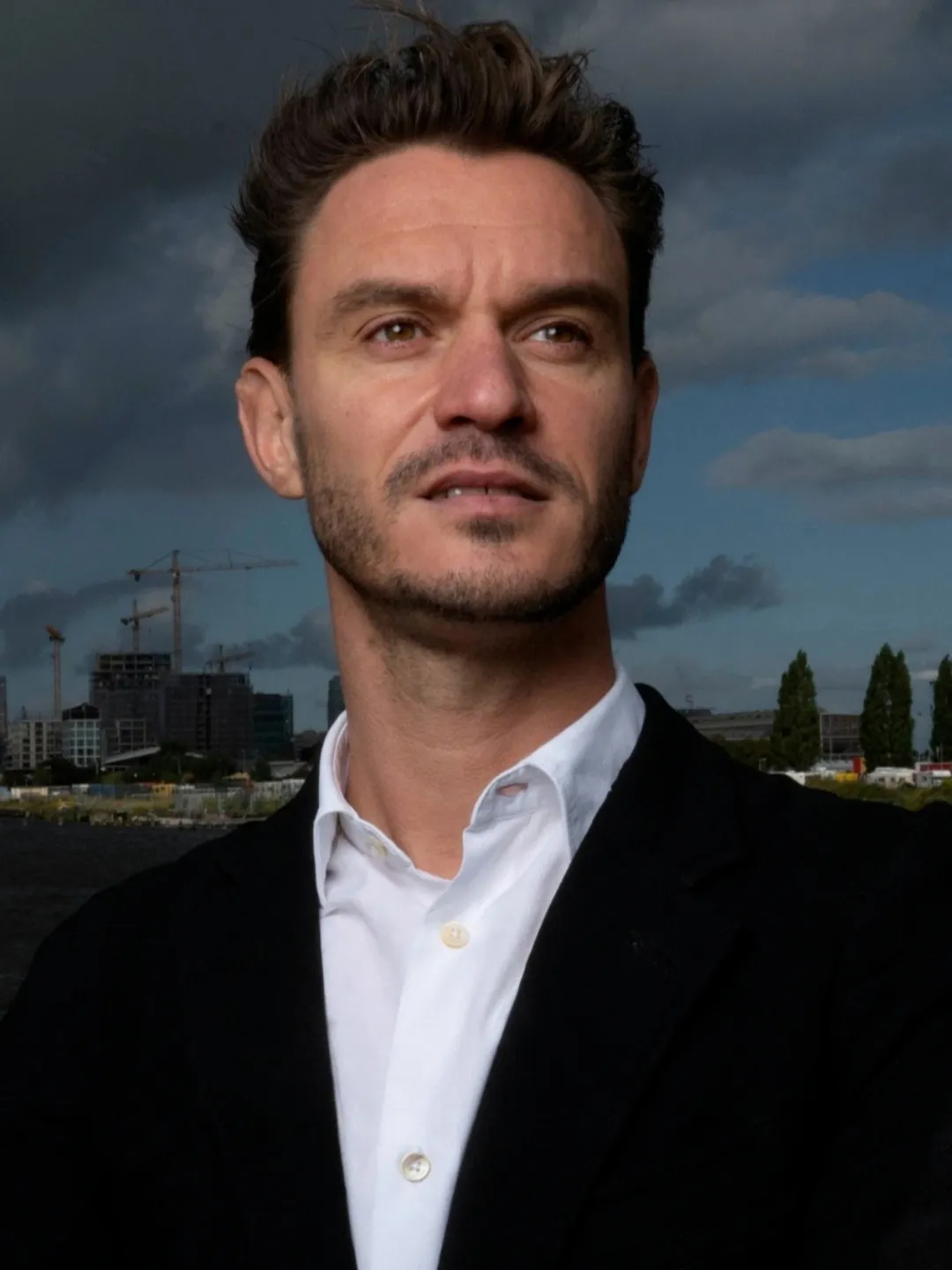
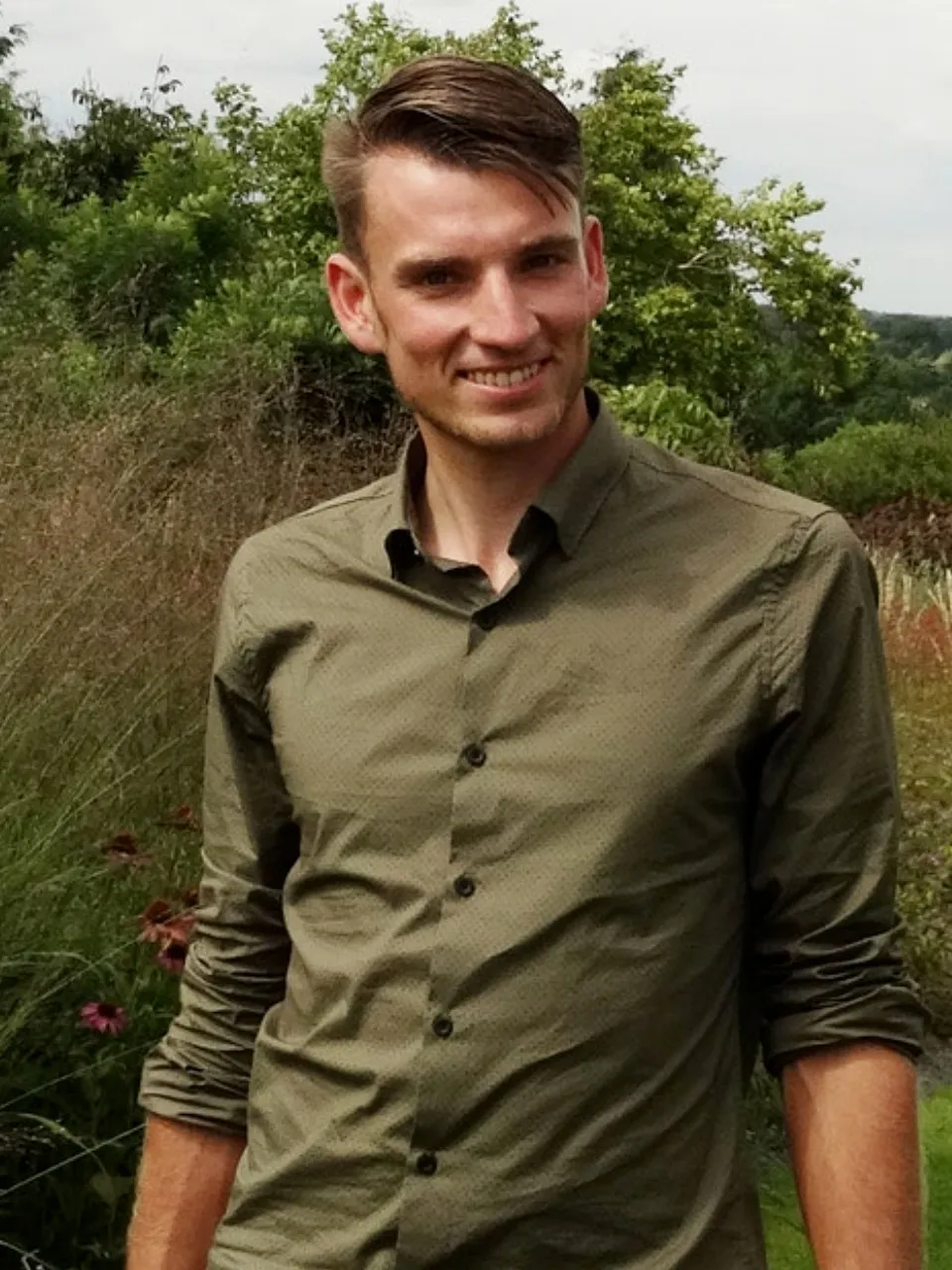
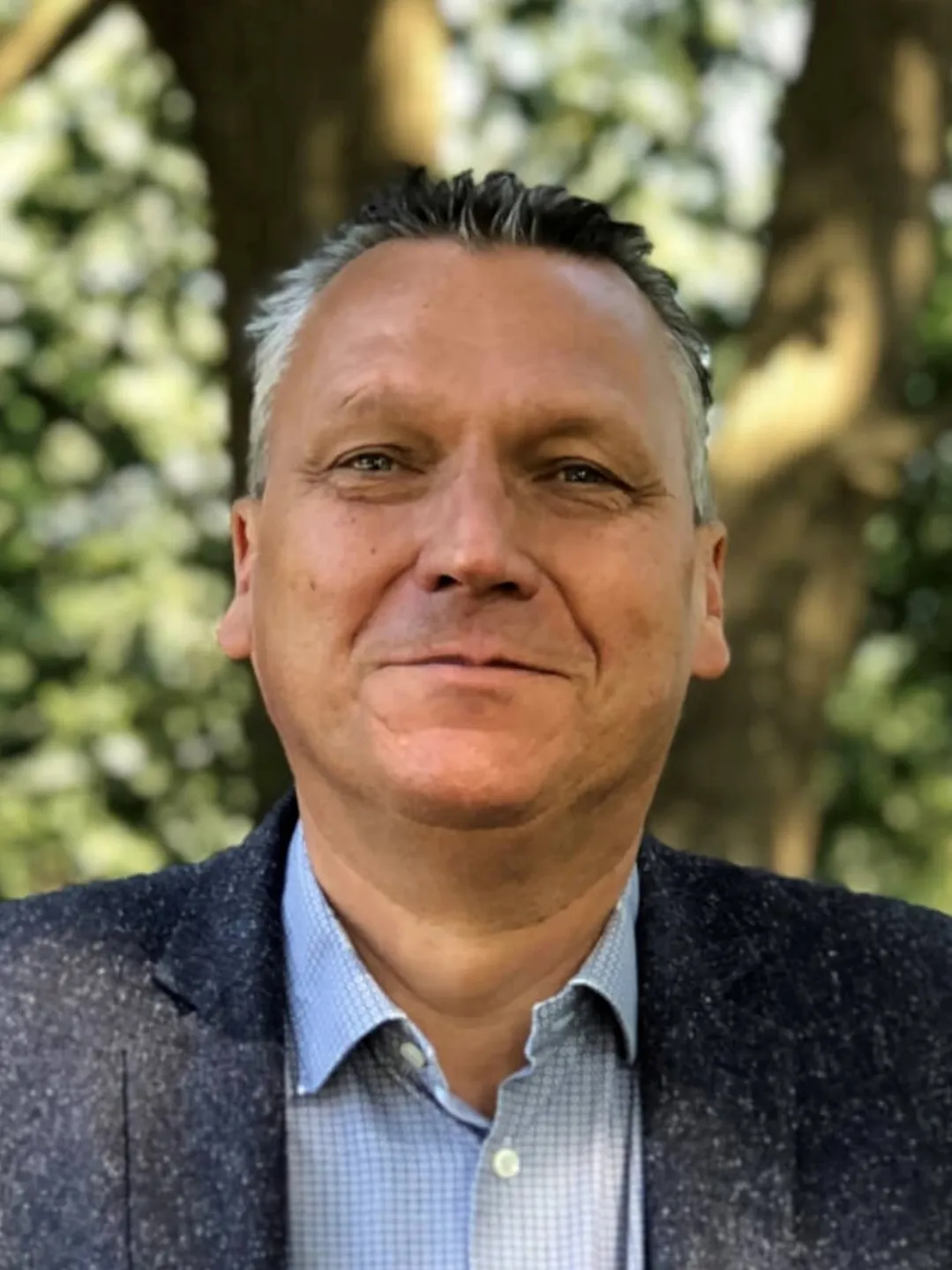
The two key questions at the discussion forum were: why do some green ambitions fail to come to fruition, and how can the quality of green be improved further? Four landscape architects and three green-space contractors try to answer these questions from within the green sector, as no public-sector clients are attending this time.
Belgian-Dutch landscape architect Steven Delva introduces himself briefly and modestly, but he is no minor player: last year he was named Architect of the Year. With his 28-strong team, he combines strengthening nature, through greening and sustainability, with the current challenge of creating more homes. Frank Vonk, landscape development specialist at developer AM, is also present.
Bloeimeesters Cor van Gelderen and Sandor Walinga are also taking part. Van Gelderen is a garden and landscape architect, while Walinga is a garden and landscape architect and arborist. Both run their own businesses. Van Gelderen is regarded as an authority on plant selection and biodiversity. He has written several books and runs a nursery in Boskoop with a wide range of unusual and rare plant species.
The small group is completed by three green-space contractors. Elwin de Vink is the former Head of Design at design firm Donker Design and current Manager Business Development sustainable living environment at Donker Groep. Wim van Ginkel is CEO and owner of Koninklijke Ginkel Groep, and Buddy Wijnands is Commercial Manager and planting specialist at Dolmans Landscaping.
These leading market players position themselves as experts in nature and environmental issues across design, implementation and maintenance. Their design teams include their own planting experts. They regularly work on integrated, complex projects worth millions, which often also address wider area challenges. They were doing so years ago from a pioneering position; their general willingness to take responsible risks and commit to long guarantee periods demonstrates their drive to innovate.
Readiness for open dialogue
Before the discussion gets properly under way, the market players present emphasise that, despite their own expertise, they are always open to working with planting experts, including De Bloeimeesters. “The sharp decline in knowledge of plants, let alone applied plant knowledge, coming from horticultural education has been affecting our sector for several years,” says De Vink. “It’s a good thing that you can call on plant specialists.” De Vink is speaking largely from his experience at Donker Design, which also provides specialist planting services.
“I’ve seen some of your work,” Van Ginkel says of De Bloeimeesters. “I’m very impressed by your craftsmanship and enthusiasm.” This is no mere lip service, as Van Ginkel and De Bloeimeesters begin working together for the first time the following day. Donker and De Bloeimeesters are also working side by side on a current project. De Vink says: “We’re certainly open to sharing knowledge and dialogue.” Dolmans Landscaping and De Bloeimeesters have also worked together before.
When bringing in expertise is essential
De Bloeimeesters hope that market players with little or no in-house planting knowledge will also recognise the value of hiring planting experts when projects call for it. The others around the table agree, although they also mean bringing in any external expertise that may be needed.
Walinga, a landscape architect and arborist, says: “Knowledge of plants and trees varies enormously between clients, developers, landscape architecture firms and green-space contractors. Yet the quality of green should be consistent and beyond question. Bringing in specialists is then the only option. Expertise in trees is essential too. Trees are still too often seen as little circles on a drawing rather than living, large organisms, which are now being planted in the most challenging locations. Only the right tree in the right place, carefully guided towards its mature form, will be able to perform its functions and deliver ecological benefits. There are European guidelines for this, and European Tree Workers receive specialist training to follow them. The risk to be managed is not just tree replacement, but safety too. Well-considered management and maintenance minimise the risk of branches breaking off, and therefore of damage or injury.”
Low-maintenance management
It is clear that this group is at the forefront of knowledge and innovation, and willing to work together to empower the green sector. But what, in the view of those present, is still lacking across the rest of the market, given that things still often go wrong with green, even on ambitious, exceptional projects?
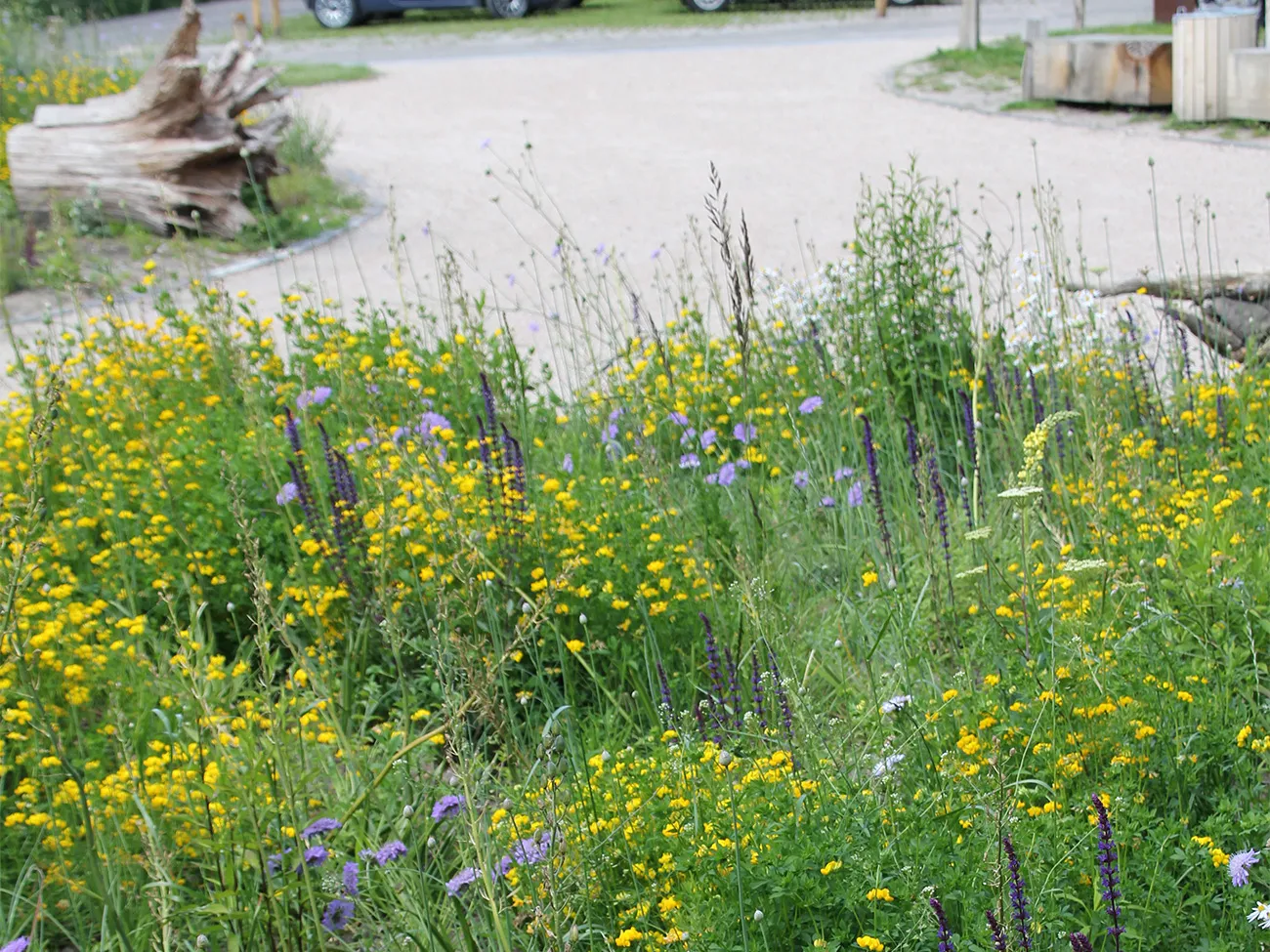
Van Gelderen attributes this to a combination of factors: “To begin with, every green project is ambitious in its own way, whether it involves covering a noise barrier, creating an urban park or greening a tiny pavement garden. The challenges, however, are that green is still not taken for granted, that there is always too little money, or too little left over, for green, and that there is too little knowledge of green across the whole chain to ensure good management and maintenance. These factors mean that things go wrong with green far too often.”
With this in mind, Van Gelderen advocates well-thought-out plans focused on low-maintenance management and upkeep. “At the drawing board, we need to design attractive, functional green that can sustain itself without too much aftercare. There is a plant that will feel at home and thrive on its own in just about any location in the world. But that takes highly precise knowledge of the conditions and of the planting that needs to perform at the project site.”
Understanding the integrated approach
De Vink nods at the suggestion that green is never a given, and adds: “Clients still don’t fully understand that green is an integral part of a building and/or the ecosystem in and around the project area. This has implications for structures, maintenance and services. It certainly calls for in-depth expertise.” De Vink is referring to planting knowledge, but also to technical expertise, which plays a major role in load-bearing calculations and the engineering of irrigation, water-retention or drainage systems, particularly in roof and façade projects.
Van Gelderen says that solutions do not necessarily have to be complicated. He explains that there is an extensive range of plants that will climb up a façade without any aftercare, or thrive on windy roofs with very little attention. De Vink and Van Ginkel both point out that severe time pressure often plays a part: people want to reach the finished look as quickly as possible. De Vink says: “A client might demand that 70 per cent of the façades are green after a year.”
Continuity as a starting point in specifications
Van Ginkel, whose company specialises in green façades, recognises the importance of investing in knowledge, including planting knowledge, to demonstrate that a company can deliver a project. He sees continuity as a second solution. “Municipalities in particular tend to split contracts, separating installation from maintenance. That often leads to problems with green.”
Van Ginkel nevertheless holds green-space contractors responsible for these failures caused by short-term thinking. He believes they need to take a more critical stance. “As a company, you have to be willing to say no to specifications that do not provide for continuity. There are plenty of good specifications on the market today to choose from! By insisting on maintenance after the design and installation phase, green-space contractors can safeguard the quality of green much more effectively. Firstly, because they can put their creativity to full use, but above all because they feel a much greater sense of responsibility as a company. Ownership is key to every project.”
But sometimes green-space contractors have to take on this kind of work to ensure they have a steady income throughout the year, don’t they? “That’s true,” says Van Ginkel. “But not always.”
Wijnands of Dolmans Landscaping asks what criteria Van Ginkel uses when selecting projects. “It varies every time,” Van Ginkel replies. “But we mainly try to stick to the principle that we accept an installation project if we are also allowed to carry out the maintenance. That lets us demonstrate our responsibility as the people who created it. It would be good if specifications said ‘handover after ten years’ instead of ‘handover after the final planting plan’.”
Given the usual dynamic of clients making the requests and contractors carrying them out, Wijnands remarks: “Where responsibility is split and the client makes the decisions, the long-term consequences of those decisions need to be carefully considered. But above all, mutual coordination leads to the best results.”
Attractive visuals say nothing about the quality of green
It may nevertheless be some time before continuity becomes part of municipal specifications: apparently, ‘having the work carried out and taking responsibility for it’ still involves too many legal hurdles for them.
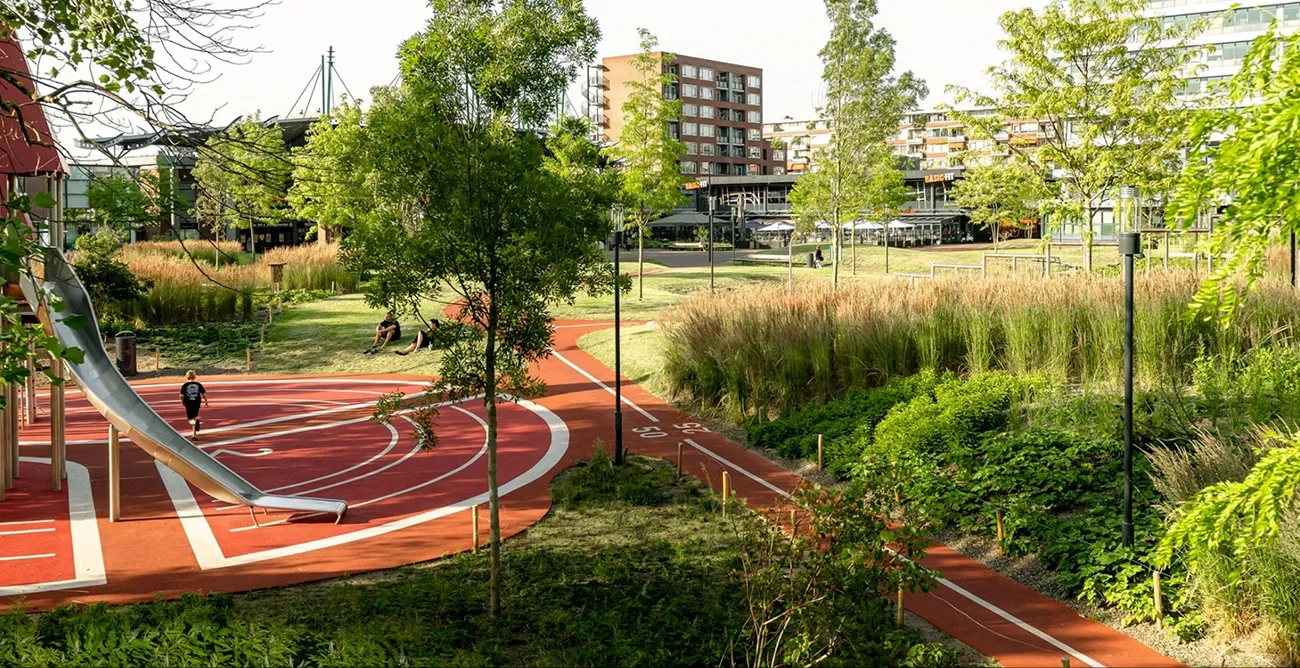
Van Ginkel says developers are fortunately often already taking a long-term view. Opinions differ on this. De Vink remarks: “I still see attractive visuals put out for show far too often, with no consideration of what long-term management and maintenance involve. The more polished the visual, the more question marks I have over the eventual quality of green.
I don’t think the problem with the quality of green lies so much with the green sector as primarily with clients and project developers. Their contracts show too little awareness of the complexity of green.”
A shared interest across the green sector
Landscape architect Delva, who does a great deal of design work for developers, is widely known as a champion of green quality. His practice has a dedicated planting department, so he reacts almost as if personally offended. “If we no longer put planting first, a graphic designer might as well do the design. Our landscape architecture practice maintains close links with specialists in the field. We share experience of planting, management and tendering. That happens too rarely elsewhere in the market, and that is the problem. After all, we really do need to work with these parties to achieve green quality.”
Van Gelderen supports that view. “Don’t be afraid to seek each other out and build up the right knowledge of green! You can never know everything. And when faced with difficult challenges, there is always someone else who does know what they are talking about. Asking for help is not a threat, it adds to the project, enriches it and makes it better. We all want the project to deliver a good result in the long term.”
Wijnands nods in agreement: “If we don’t all work together to make green our distinguishing feature, we might as well close up shop.”
Delva expands on the shared interest highlighted by Wijnands and Van Gelderen. “We prefer to work in construction teams. They are inspiring. Within them, we can give the client a choice of contractors as part of a mini-competition, selecting from those we like to work with,” Delva says. “Everyone in this pool is pulling in the same direction: it makes no difference who wins the work on any given occasion. We all stand firmly behind green quality. And on the job, we can give each other guidance in a spirit of trust and stand by each other when things get tough. That pays off in high green quality and, above all, a great deal of job satisfaction.”
Landscape architect Frank Vonk, who has so far followed the discussion in the background, describes the developments he has clearly observed in collaboration through his role at developer AM. “Developers used to make the architect their first call. Nowadays, particularly at area level, the landscape architect is increasingly the first to be involved. That gives green quality and sustainability a head start. As a developer, we are increasingly trying to work this way. You also see this approach more often in briefs from larger municipalities in particular, which have extensive tendering experience, for example in requests for growth guarantees.”
Time pressure caused by an oversimplified view of green
De Vink recognises that architects and landscape architects are working more and better in an open project dynamic than they used to, and is not concerned about businesses in the green sector seeking each other out on projects.
But he reiterates his view that, despite all the progress, clients and property developers still tend to take an overly simplistic view of green. “They don’t realise how complex green is, and have no idea of the value it can add to the finished result. This oversimplified view of green often puts projects under enormous time pressure,” he says, drawing on his own experience. “The designer then has no time at all to develop a good design, for example selecting suitable plant species for elevated locations that can be retained sustainably. That comes at the direct expense of green quality.”
Delva knows the ropes. Even so, he continues to push for the best possible quality within the constraints. “When we work in a construction team, a limited tender is held for the contractor after the Preliminary Design. During the Final Design, we involve the contractor who has won the work. We ask them for feedback on management and maintenance. The contractor then prepares the Technical Design, which we review.”
Dependence on a small pool of quality contractors
Delva wants to stress once again that the pool of truly skilled landscaping contractors is, in fact, very small. “You don’t always have control over who carries out the work. If the tender is based on the lowest price rather than EMVI, the contractor could turn out to be part of a large consortium that also goes around picking up plastic cups from festival grounds in summer. They then end up putting the plants in the ground. That hasn’t happened to us since we adopted a new way of working.”
Delva notes that tender documents often state that the contractor must not contact the designer. But he expressly urges contractors to do precisely that.
Getting involved earlier is crucial
Changing clients’ and developers’ simplistic perception of green takes time. Everyone agrees that the key to making an impact sooner is getting a seat at the table early. Van Gelderen says: “Ideally, as a green-sector business, you would tell the client or developer early on: ‘First, take another look at those misleading, sexy images, then we can talk.’” Walinga nods. “Green and planting are more important than ever and cannot be ignored. Green can solve many of today’s problems.”
Vonk says that now is the time to empower the sector, as there is a good chance of success. “Better collaboration with engineering firms and contractors is helping clients and developers become more aware of the importance of the whole picture: not only green quality, but also good water management and smart infrastructure.”
Building up expertise and workforce capacity
Getting a seat at the table early requires every party that wants to do so to have a strong set of skills. You don’t just get invited into a structure such as a construction team, let alone take on a stronger contractor role than the building contractor itself, as Van Ginkel has had the pleasure of doing on several occasions. Market players also need to know what they are doing if they take on a long-term guarantee.
Contractors also have a responsibility to make sure they recruit enough skilled workers. Van Ginkel says: “We agree that the pool of landscaping contractors able to meet today’s demands is limited. As Steven Delva has already said, this small pool is responsible for a lot of work. It is up to us to make sure we have enough people to get it done.”
The future
Those present are nevertheless generally optimistic about the future. Bloeimeesters Van Gelderen and Walinga sum it up: “We are on the right track. If we, as businesses in the green sector, continue to work well together, we have the best chance of making a difference to green quality in design, installation and maintenance. It is up to us as green-sector businesses to unite and convey the importance and value of good green spaces to clients and developers.”
Question about this story? Ask your question
Keep following this
Get an email when a new story is published. No account needed.
- ThemeGardens from design to maintenance
- SubjectGeneral







