









ITS’s approach to insect pests: prevention is better than cure
How do you keep trees healthy and free of pests?
It seems that more pests are attacking trees every year. What can you do about them? Gerard Bodewes of International Tree Service explains what to do, and what not to do, when tackling insect pests. It starts with healthy trees that can withstand a challenge, even in urban areas.
Gerard has seen a sharp increase in the number of pests. The manager of International Tree Service knows his trees. ITS has been supplying materials for trees in urban areas for more than 50 years, mainly to landscape contractors, gardeners and local authorities. “Many pests began spreading from southern Europe. The horse chestnut leaf miner, for example, made its way from France to the Netherlands in four years. But think also of the oak bark beetle or the oak processionary caterpillar. These pests can cause major problems for both trees and people.”
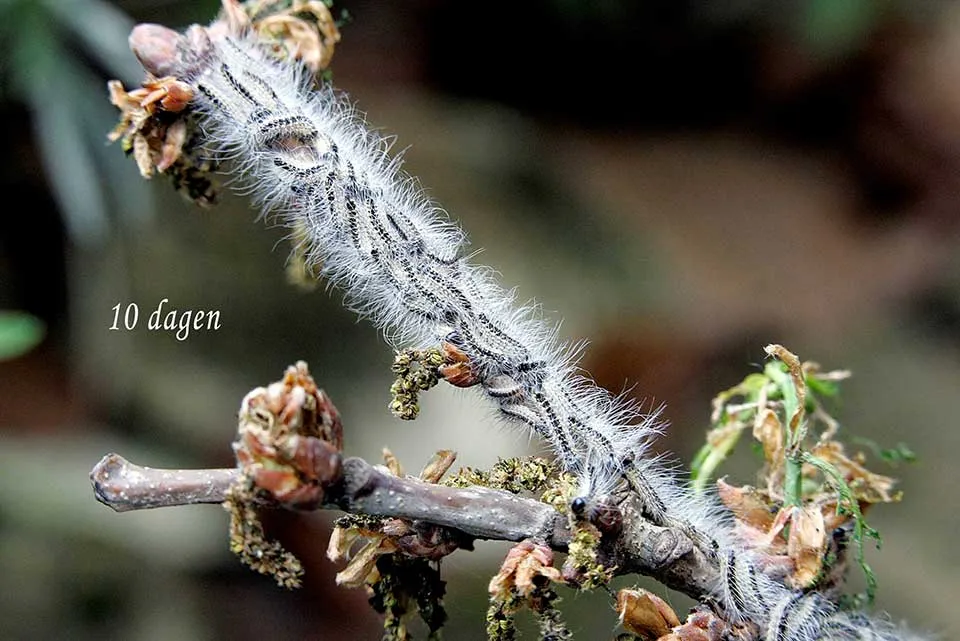
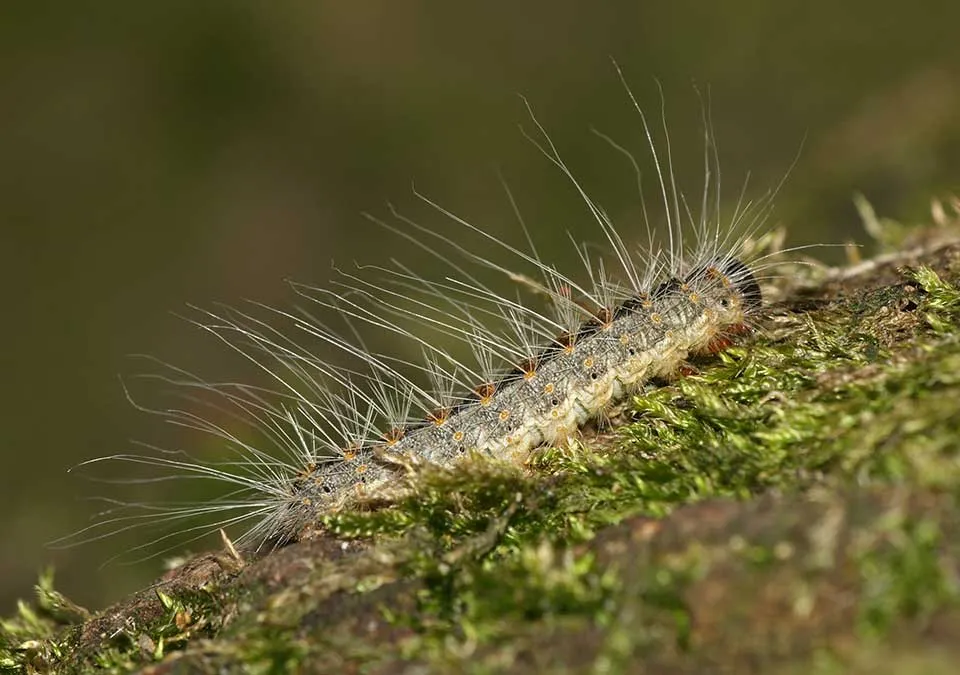
Oak processionary caterpillar
Just as outdoor terraces are finally filling up again, the oak processionary caterpillar creates an immediate problem. And anyone who thinks the cold spring has put an end to the pest is mistaken. “The cold spring, followed by a sharp rise in temperatures in June, has prompted the oak processionary caterpillar to spread. The caterpillar’s hairs lodge in the skin, causing itching and pain.” ITS supplies barrier tape to show that a tree has been affected. But Gerard also has faith in a new product: Catefix. “It is a biological-based adhesive sprayed around the nest to form an impenetrable shell. The caterpillars cannot escape and suffocate due to a lack of oxygen. Protective clothing is required when applying Catefix, but the results are very promising.”
Horse chestnut leaf miner
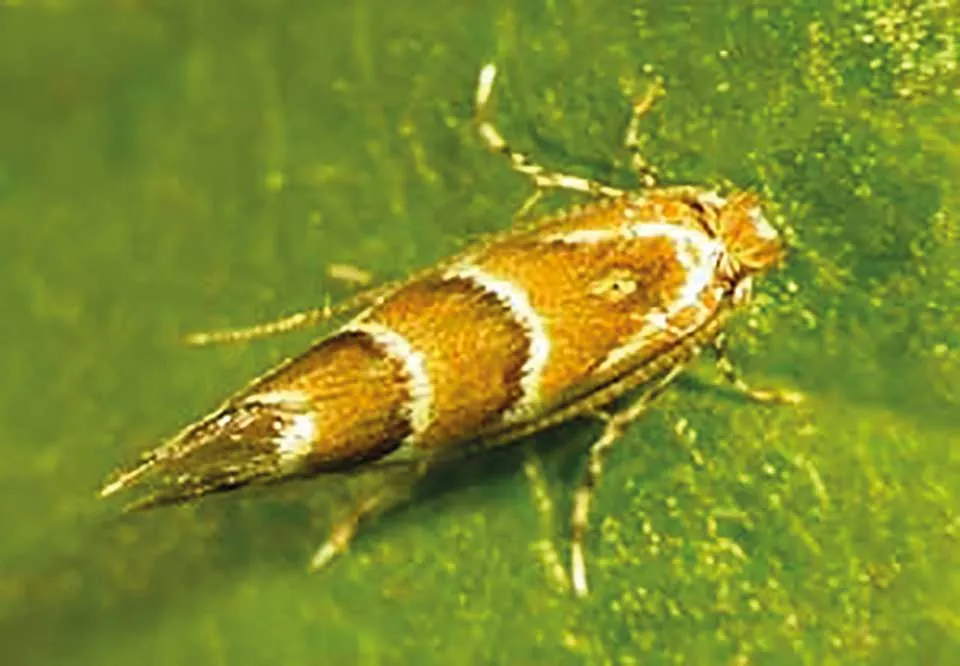
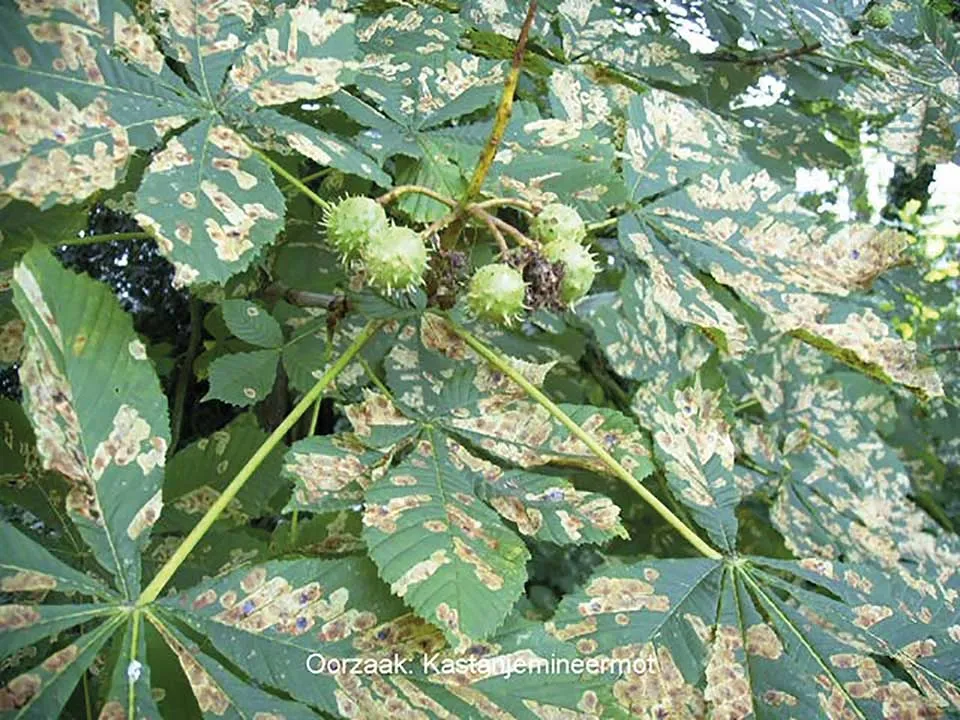
Since the Plant Protection Products and Biocides Act (Wgb) came into force, pesticides have no longer been permitted in public green spaces. ITS nevertheless offers proven ways of controlling pests, including the horse chestnut leaf miner. The larvae of this moth tunnel through horse chestnut leaves, causing brown spots and premature leaf loss. A combination of three methods is most effective in tackling the infestation. In spring, a sticky band around the trunk forms a barrier that stops climbing insects. In summer, affected trees should be treated with a preparation such as Tree Guard Premium. The preparation travels through the tree’s roots to the leaves, where it gives them an unpleasant taste for sap-sucking insects. Nutrients in the preparation also improve the tree’s condition. The third step is to use pheromone traps to attract and kill the males. To tackle the oak bark beetle, Gerard recommends ESK. This product contains garlic and, when applied to the trunk, provides a completely safe, biological repellent effect.
Vitality
“But it starts with a healthy tree,” says Gerard. “A tree growing entirely in paved ground, whose roots receive too little oxygen, is less robust. When horse chestnut leaf miner first attacks, the leaves discolour in September, but as the infestation becomes more severe, this happens in July, August or even earlier.” A spacious planting site with soil that roots can penetrate easily and sufficient nutrients is crucial to stopping an infestation. “Look at the cause and the tree’s condition. Fertilisers such as Hokan and Algihum can give a tree a boost. Treating symptoms alone on healthy, strong trees is like a dripping tap: it never stops. So make sure the tree is healthy.”
Question about this story? Ask your question
Keep following this
Get an email when a new story is published. No account needed.
- ThemeTrees and plants for tomorrow
- SubjectGeneral







