









Nature-led management requires more knowledge
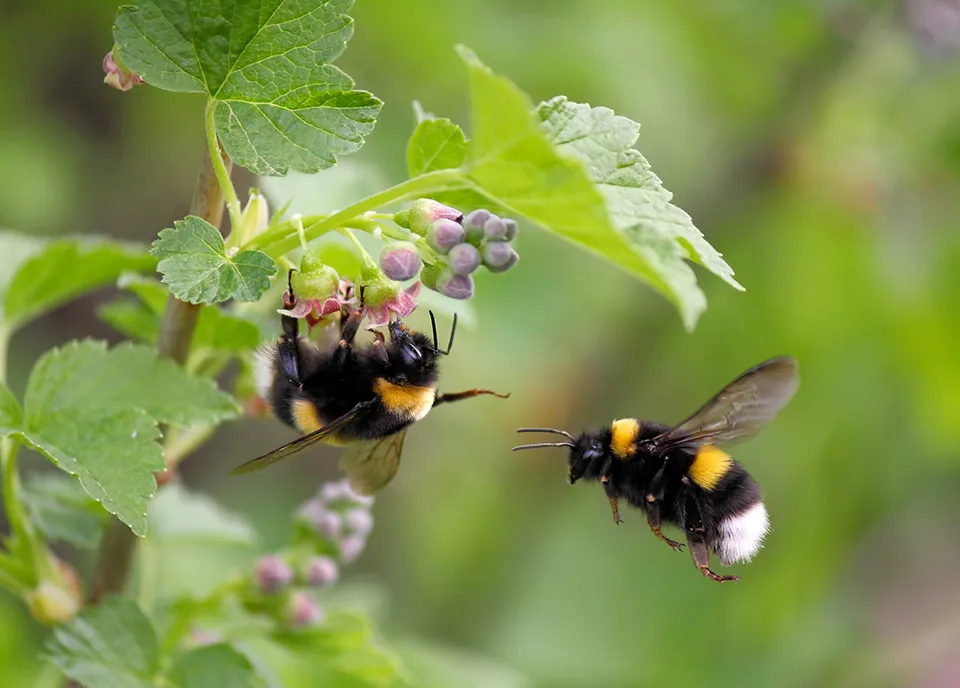
Major challenges call for a broad approach. The new Environment and Planning Act calls for a more integrated view of the living environment, with an emphasis on tailored solutions and collaboration. Practical training provider IPC Groene Ruimte is responding to this and investing in courses focused on biodiversity, putting nature first. A conversation about the future of green space management.
IPC Groene Ruimte refreshes its training programme
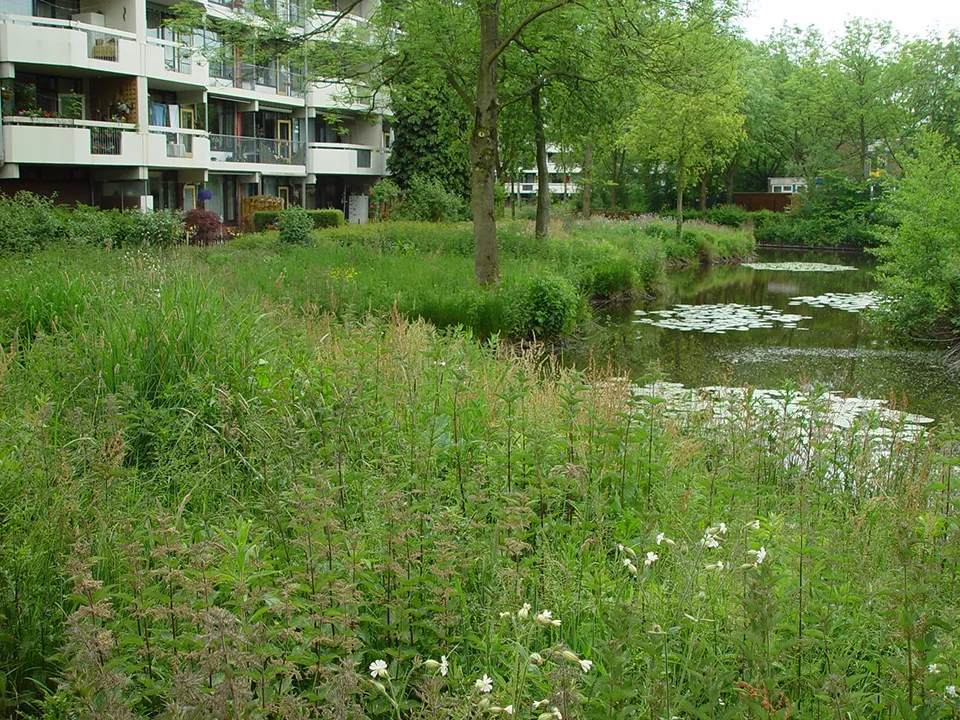
The training provider for people working in the public realm has seen growing attention to biodiversity and nature affect its course offering. While traditional courses focus on professional knowledge and specialist expertise, the emphasis is shifting towards innovation and the circular economy. Eddy Schabbink is a Business Developer at IPC Groene Ruimte and has a mission. “It is time to move away from the idea that nature can be engineered.”
What is the current state of public green space?
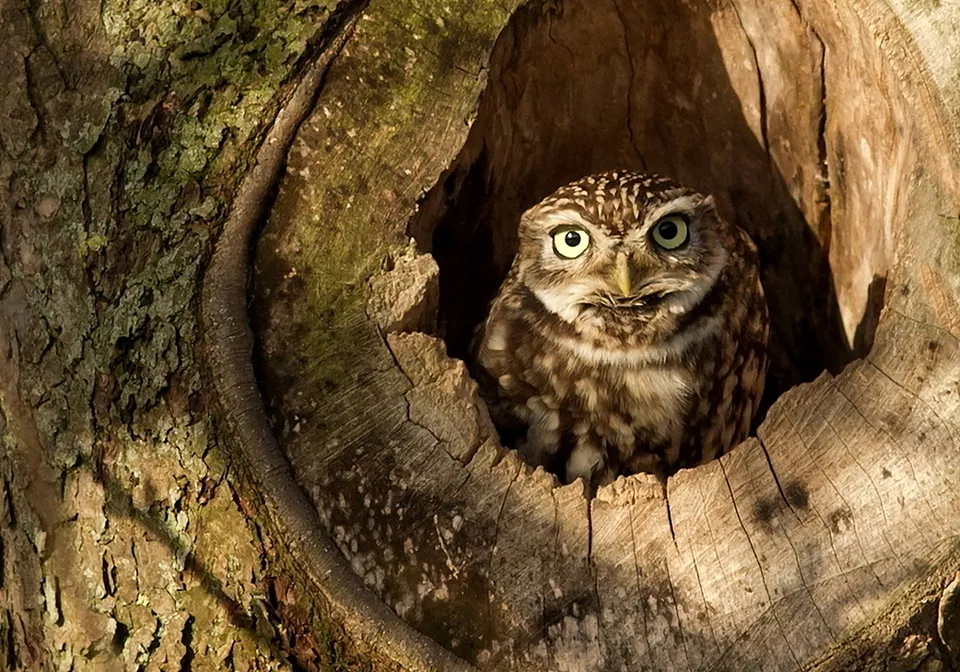
“Most public green space is managed to keep it clean, in good condition and safe for people. Too little attention is paid to what nature needs. Pests are a sign that nature is out of balance. In that situation, you should not simply try to control them, but help nature regain its balance. You need to tackle the cause, not the consequence.”
Nature maintaining its own balance is easier said than done in a crowded country like the Netherlands.
“Actually, it isn’t. Nature seeks its own balance and is one vast network in which everything is connected and affects everything else. It is people, above all, who disrupt that balance. The design and management of our living environment are often one-sided and monotonous. This creates the conditions for problems. Planting oak trees in a lawn is an invitation to the oak processionary moth.”
How does the Environment and Planning Act support a more integrated approach to green space management?
“The Environment and Planning Act offers an opportunity to take an integrated, area-wide view of nature and bring all the parties together. A joined-up approach to housing, the energy transition, climate adaptation, infrastructure, water and urban and rural nature can create much more sustainable social, economic and ecological value.”
What does that mean in practice?
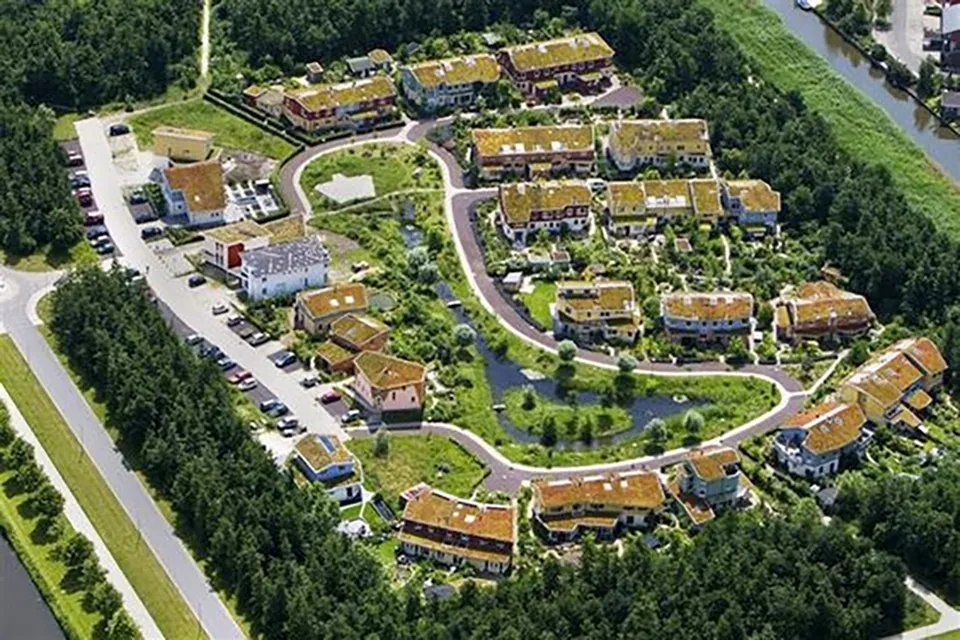
“We must not think that we have more experience and knowledge than nature. Dare to follow nature and adapt to it within the boundaries of the law and other requirements. Otherwise, we will keep solving problems we create ourselves. Look at what nature needs and apply that perspective to your surroundings. This gives you a more complete view of issues such as climate adaptation, particulate matter, water storage, heat stress, biodiversity and pest control.”
How is IPC Groene Ruimte responding?
“Alongside our traditional practical training, there is a shift towards a deeper understanding of nature. For example, we are developing a biodiversity learning pathway. At its core is understanding how nature works, so that you can design, manage and maintain spaces in a way that follows nature. The result is resilient nature that sustains itself.”
Can nature and people coexist?
“They certainly can. Nature needs food, moisture, reproduction, safety and connectivity. When you also consider light, air, water, soil and temperature, you can see that people need to work together to make nature-led management possible. Our courses bring together people from different backgrounds, including policy, development, civil engineering and green space management. Look beyond the current structure: sometimes the situation needs to be changed at its very foundations.”
How can training be translated into policy?
“Give nature a value. We do not put a square metre of green space on the balance sheet, even though a healthy tree will only increase in value. In our ‘Nature in the Environment and Planning Act’ course, we look at those green benefits. Amsterdam already treats green space as an investment, which means it appears on the balance sheet. That is an important step in the right direction. But we still have a long way to go, and the first step is knowledge.
Question about this story? Ask your question
Keep following this
Get an email when a new story is published. No account needed.
- SubjectGeneral







