









NL Greenlabel wants a different vision for area development
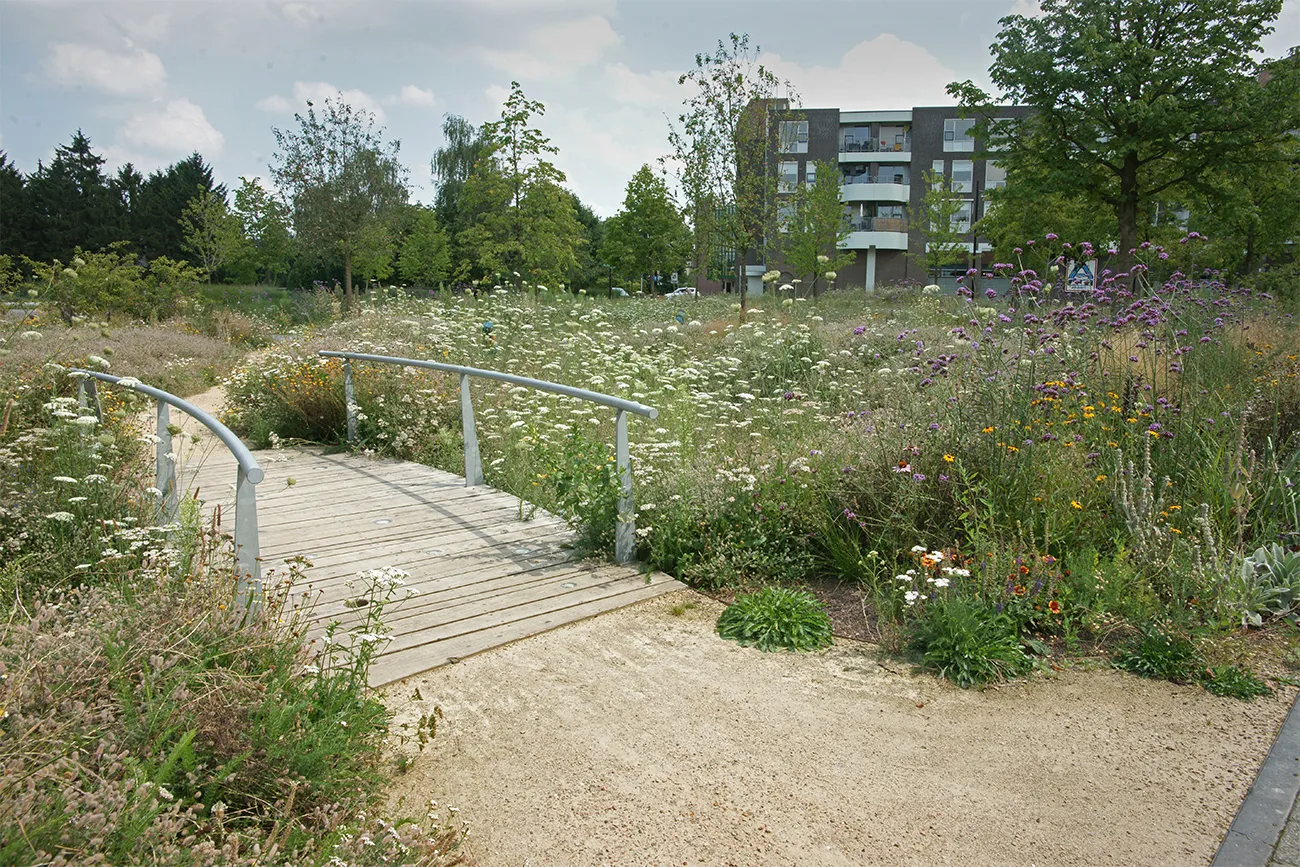
Thinking and acting with nature in mind when creating and improving areas
Society is becoming increasingly aware of the need to develop areas sustainably. But how do you define objectives, and how do you measure whether they have been achieved? NL Greenlabel has developed an ‘Integrated assessment framework for a sustainable living environment’ to make sustainability measurable and therefore quantifiable. We speak to Lodewijk, one of the founders and also one of the driving forces behind NL Greenlabel, about their motives and ambitions.
Hoekstra launches into his subject with passion: “About ten years ago, we started NL Greenlabel. We wanted to put greening the Netherlands higher on the agenda, so we developed a method for doing so. By making sustainability and greening measurable, you can determine just how green and sustainable something is. This applies to everything from plants and materials to gardens, sites and areas. We have quantified the relevant factors for each specific sub-area. We recognised the need for this long ago and were already ahead of the curve at the time. We have since built a strong brand and remain at the forefront of areas including site and area development. I am genuinely proud of what we have achieved.”
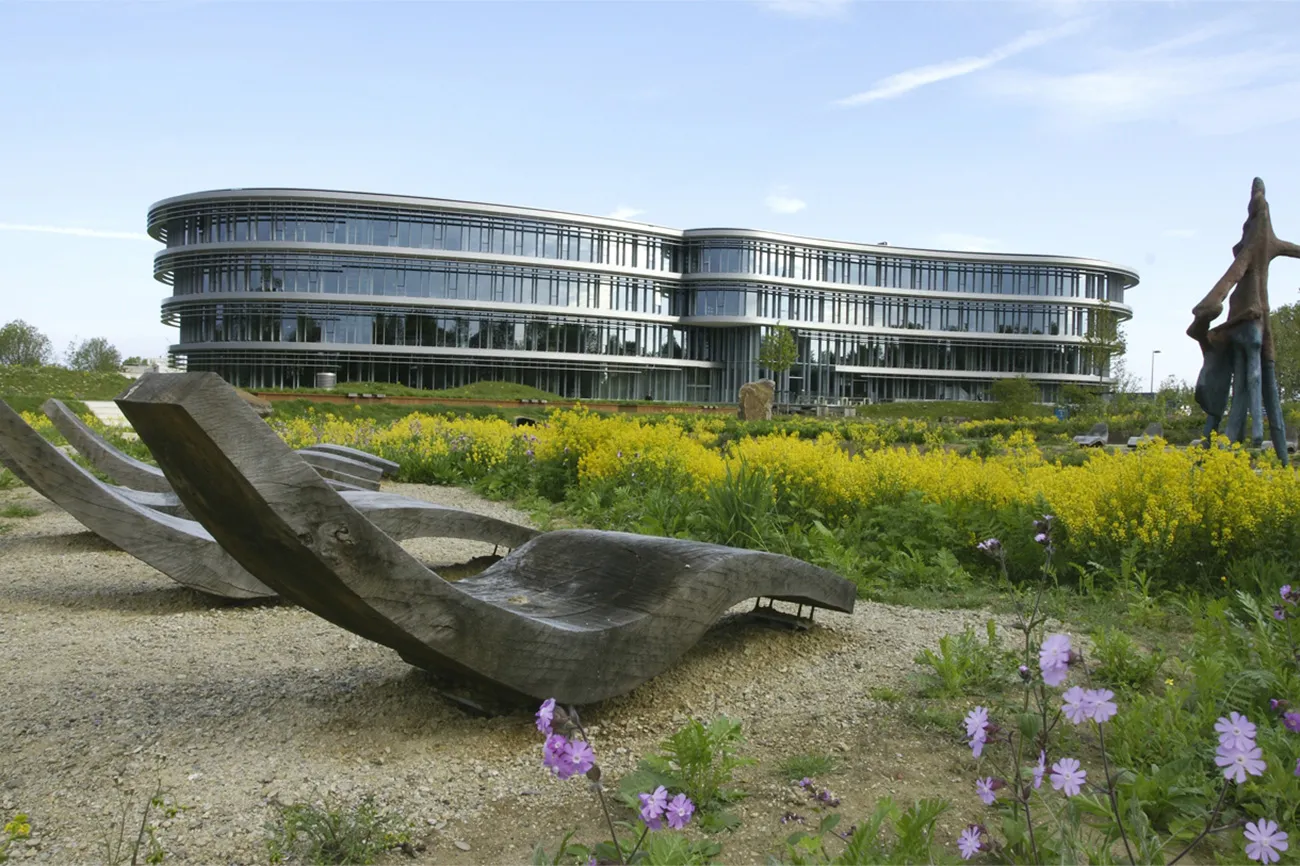
Site and area labels
A large proportion of our public space consists of sites and areas. NL Greenlabel aims to make a substantial, and above all measurable, contribution to climate adaptation, the energy transition, biodiversity loss and further greening our country. Broad public support also needs to be built for this work. Although the objectives are the same for both, the approach to sites and areas differs. For sites, such as buildings or groups of buildings and their immediate surroundings, a considerable number of experts have been trained to propose improvements to the design of industrial estates, (recreational) parks and golf courses. These experts have extensive experience in landscape design and site planning. They have trained as NL Terreinlabel Experts and are authorised to use the NL Terreinlabel methodology exclusively, enabling them to give owners better advice.
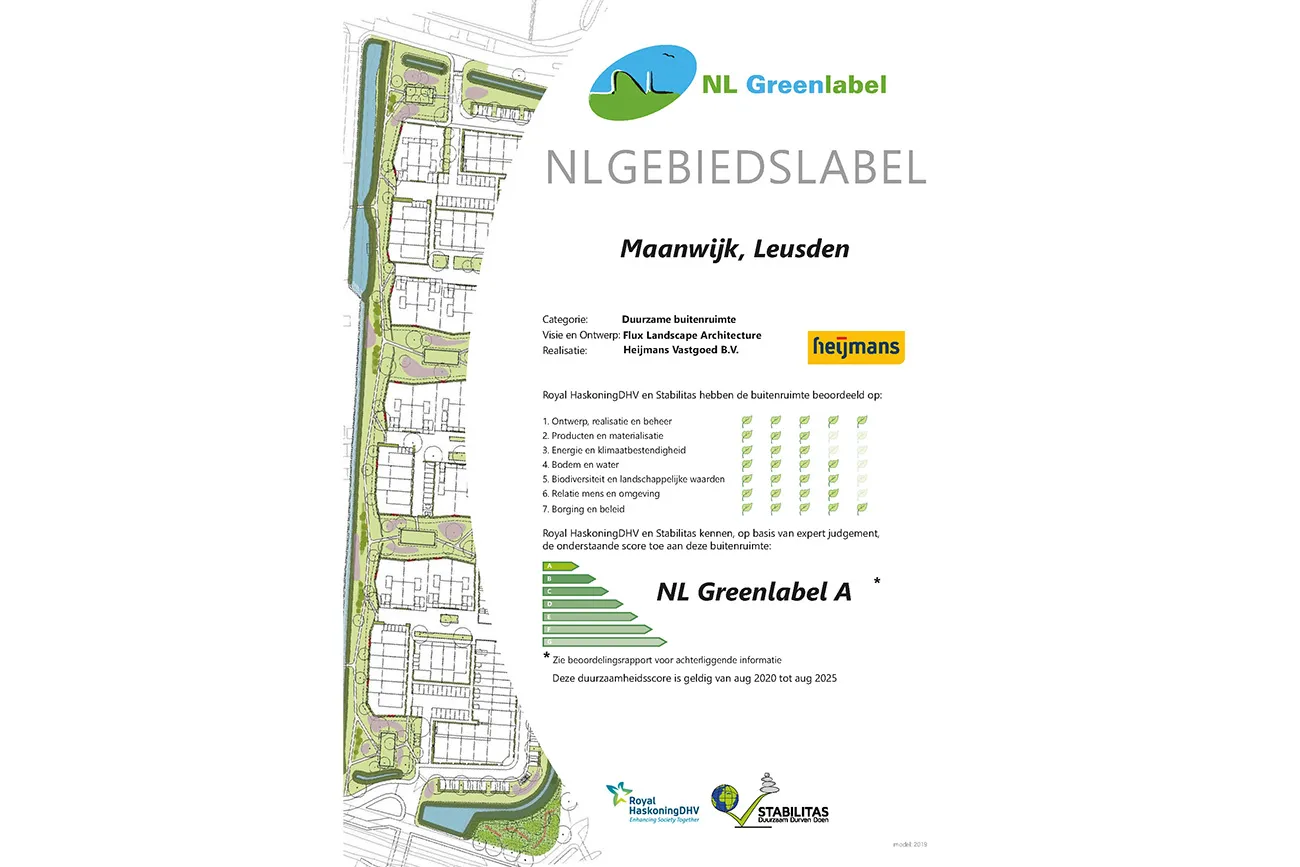
The situation, and therefore the approach, is more complex when it comes to making entire areas more sustainable. These projects often involve more stakeholders, meaning that several people from NL Greenlabel are brought in. For developers, local authorities and, for example, housing associations, this kind of framework helps establish quantifiable ambitions during the planning process. Quantifying sustainability throughout the projects remains the guiding principle: the results need to be measurable. NL Greenlabel’s role is to guide these processes and provide independent certification.
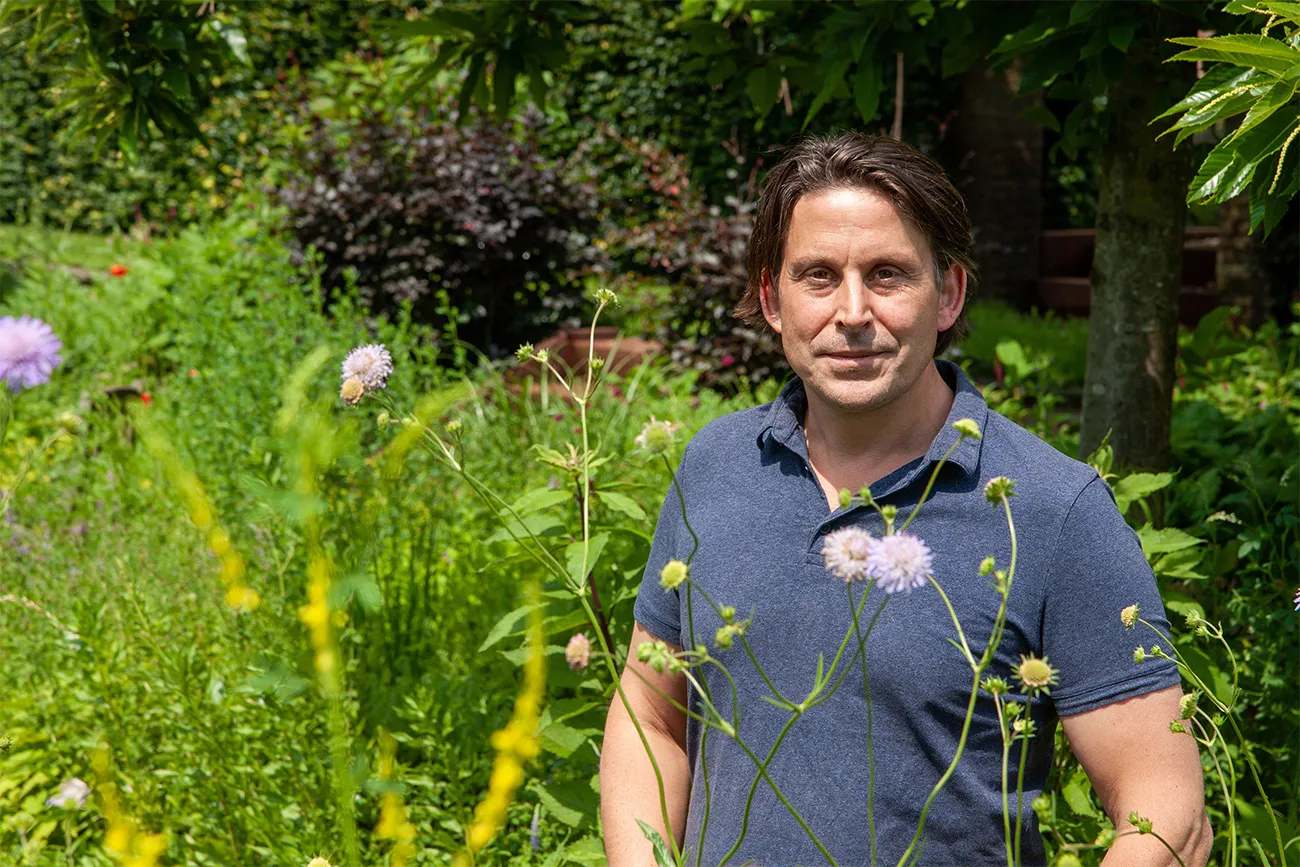
The role of the green sector
Hoekstra continues: “The green sector as a whole plays a very important role at every level of NL Greenlabel. Green-space contractors, ecologists, managers and others have so much knowledge and expertise. The key is to bring this knowledge to bear in good time and embed it throughout the development process, from vision-setting through to delivery and the management phase. NL Gebiedslabels make it possible to quantify ambitions and better safeguard quality. In practice, this means that green-space experts’ contributions are better recognised, rather than being brought in at the end to add a bit of decorative greenery at sky-high prices. NL Greenlabel is the skewer that brings everything together, the umbrella under which it all sits.”
Groene Stad Challenge
A good example of a recent, practical project is the ‘Groene Stad Challenge’. Municipalities are invited to take part, so that the extent of their greening can be mapped and action taken accordingly. How green are the gardens in your town or village? How much public green space is there? What does urban greenery consist of, and how is it divided between trees, shrubs and low-growing vegetation? These are just some of the questions participating municipalities will get answers to. Acting on the quantified findings and measuring progress over three years encourages urban areas to become greener and more sustainable. Because… “Could it be a little greener?”
Question about this story? Ask your question
Companies in this story
Keep following this
Get an email when a new story is published. No account needed.
- SubjectGeneral
- CompanyNL Greenlabel







