









Opportunities for nature and green professionals
Text Carolien KleesImage Gemeente Enschede
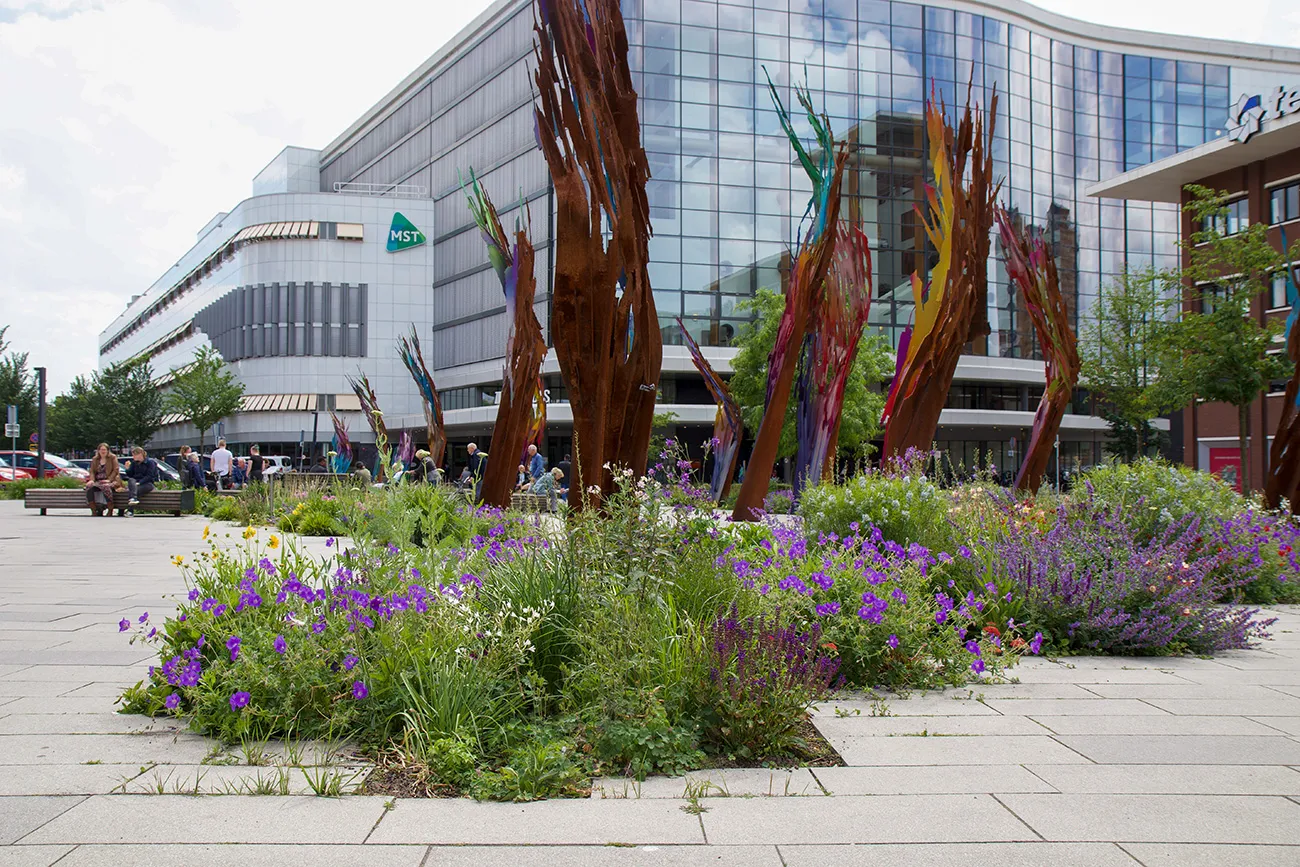
A city where nature does not play a supporting role, but is an integral part of public space. A city that meets the needs of all plant and animal species, not just those of people. A nature-inclusive city is a pleasant place to live, prevents nature’s decline and is also climate-resilient. But how can this be achieved? The municipality of Enschede is leading the way in many areas. City ecologist Bart ter Beek explains how, for years, his municipality has been working towards a greener Enschede together with green professionals, businesses and residents.
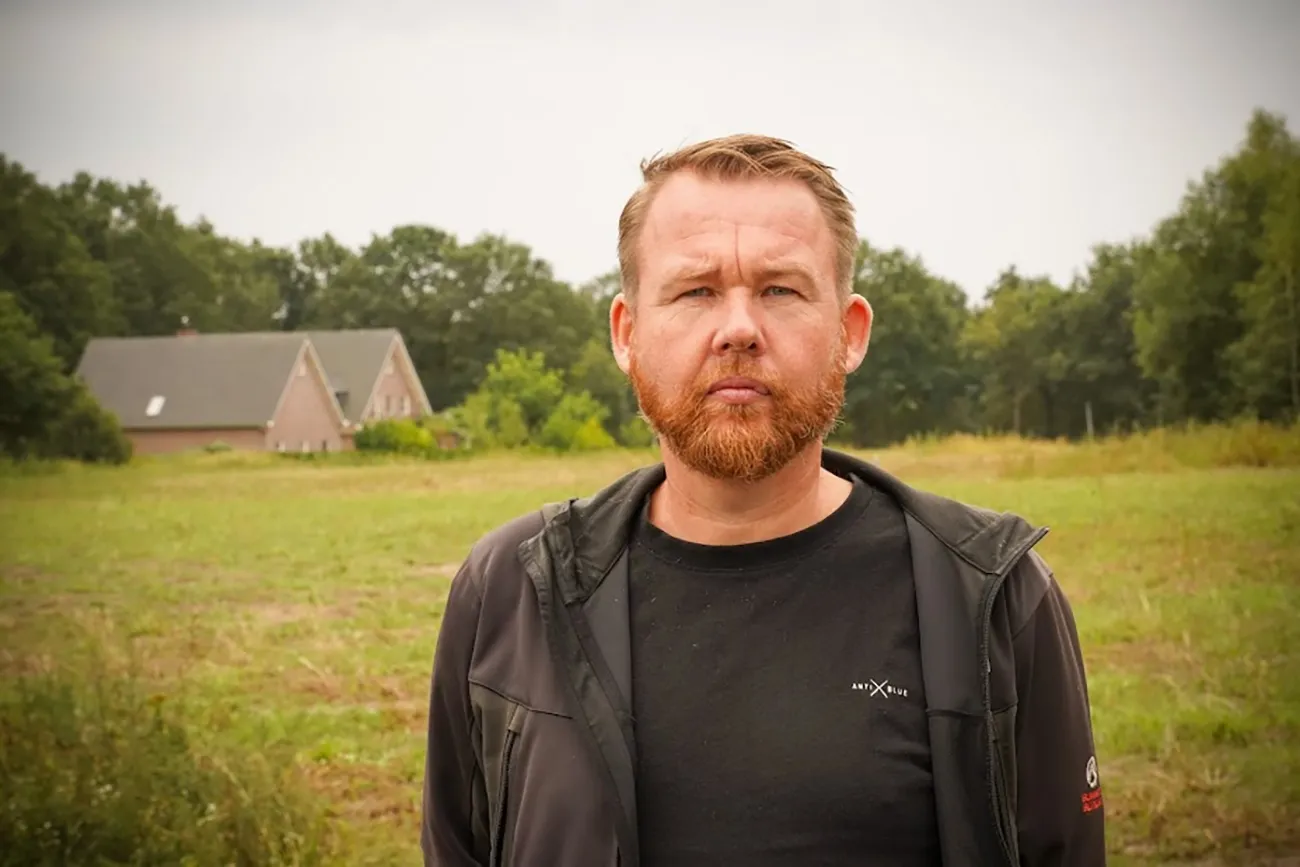
Ter Beek worked as a city ecologist for the municipality of Enschede for the past fourteen years, but has recently taken on a new role. As Adviser for Greenery & Biodiversity, he will now focus more on implementation.
Preserving existing nature
“Our city has always felt a social responsibility to ensure its residents can live in a green environment. It seems to be in our DNA. While municipalities often level a site before rebuilding it when developing new housing, Enschede has been committed to preserving existing natural features and structures since the 1960s.” Enschede was one of the first municipalities in the Netherlands to use existing drainage structures to create swales. This was done in the experimental ecological neighbourhood of Oikos. “Preserving existing structures is extremely important. They are lifelines for animals. A hedgerow, for example, forms part of a larger network. Remove a section of hedgerow and you break that continuous network, seriously disrupting the habitat of animals such as the weasel.
Nature Opportunity Map and SMP
Enschede wants to take an increasingly ‘species-specific’ approach. A Nature Opportunity Map already exists for the rural area, and this year the municipality is producing one for the city too. In addition, the largest city in Overijssel will launch its Species Management Plan (SMP) within the next few months: “We are also leading the way in the region in this area. The SMP maps the roosting and nesting sites of certain species and sets out a plan to conserve their populations. We then monitor the situation. If we see a species declining in number, we can take action, such as installing additional nest boxes.”
Opportunities for green professionals
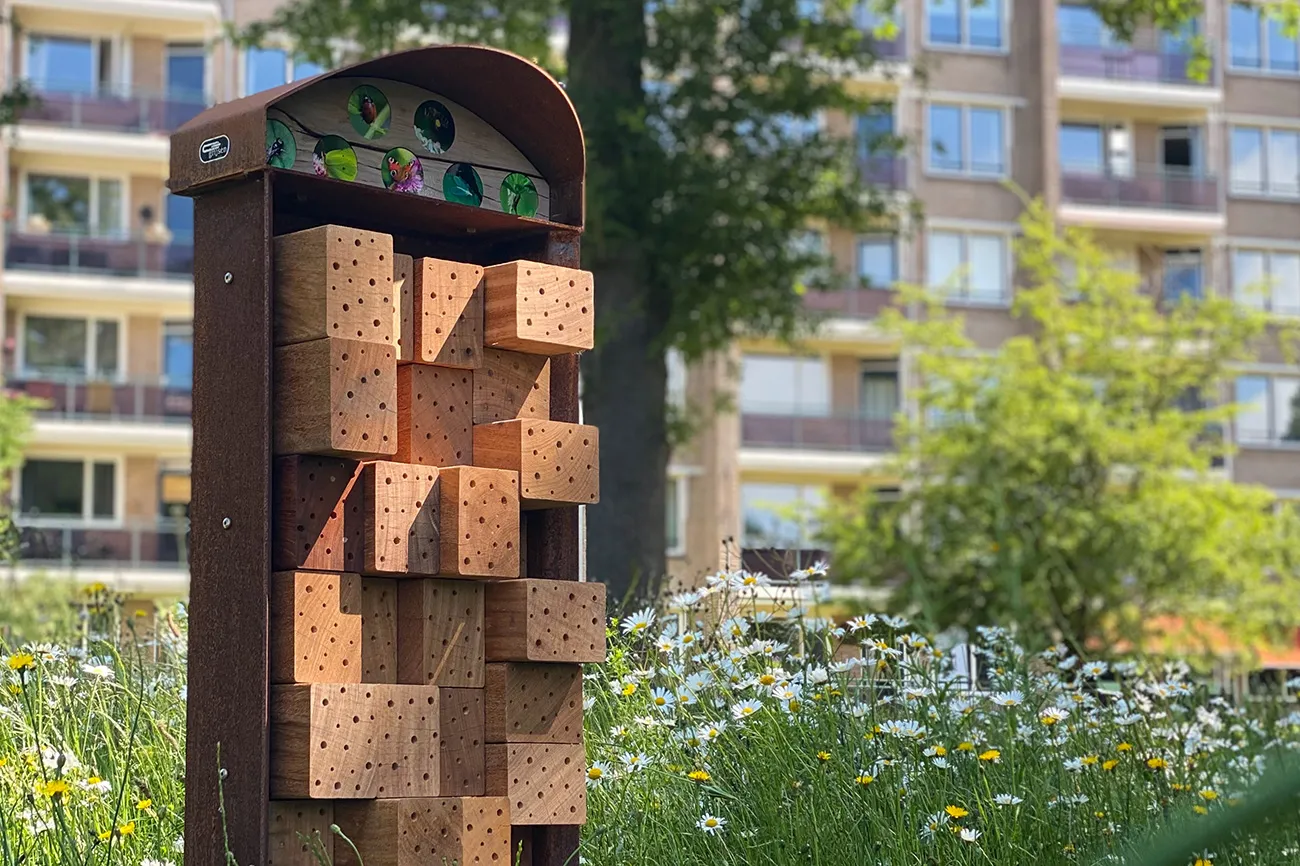
A nature-inclusive city cannot do without green professionals. “We involve them extensively in developing a nature-inclusive city. Greening our municipality brings economic benefits to them and, for example, to garden centres too. Alongside various giveaways of plants and flower seeds, we offer a range of grants to residents, businesses and institutions.” The GroenBlauw Enschede grant scheme and the Groene Loper, for example, can help people depave gardens, create front gardens or install a green roof. “My advice to professionals is to get in touch with your local authority. Let them know what you can offer and where your specialist expertise lies. And don’t focus only on the site itself, look beyond the property boundary too. Which plants are native to the region? For example, consult regional seed banks. Species native to a region bring the greatest benefits for biodiversity. Ecological expertise is therefore becoming increasingly important.”
Support and engagement
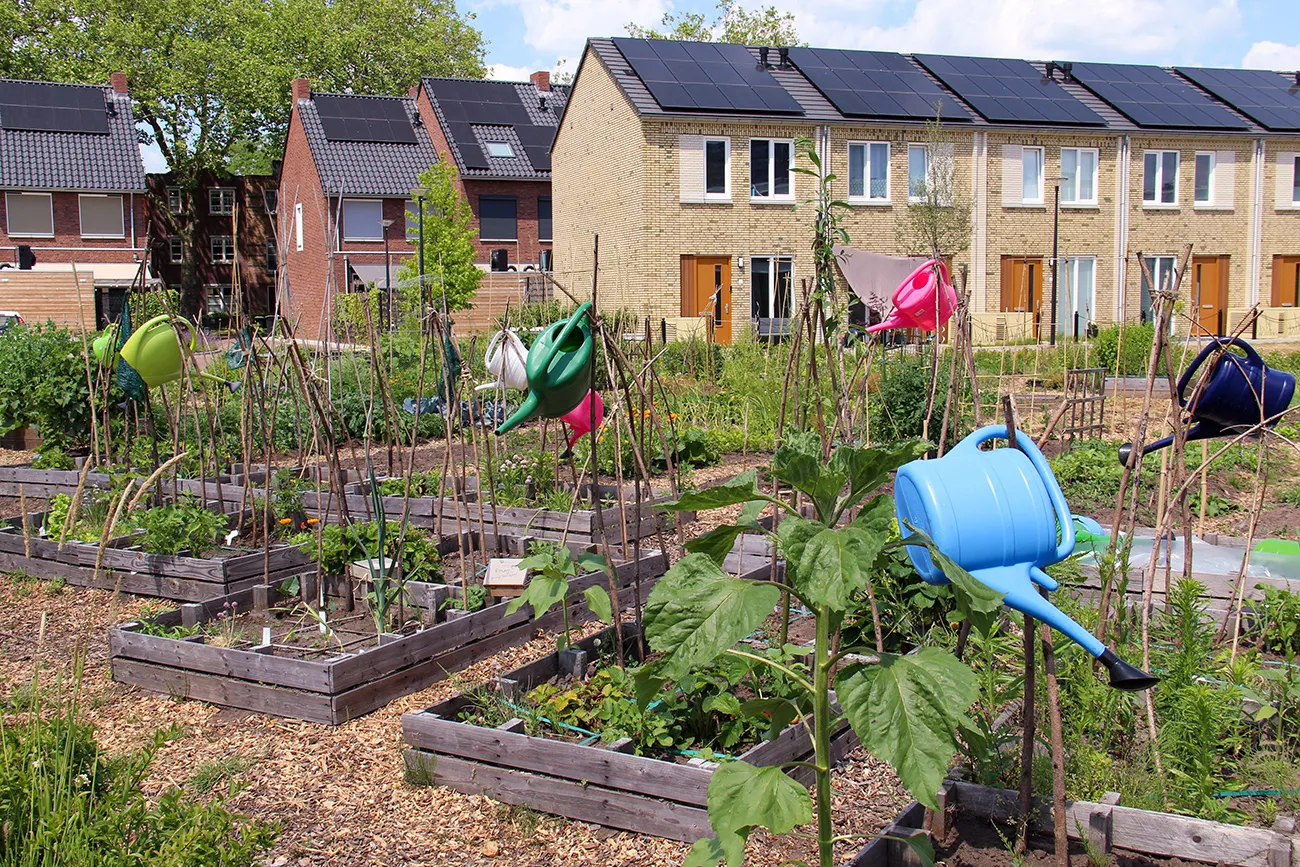
Since residents, institutions and businesses own sixty per cent of the land, Enschede also works with intermediaries to encourage and support private individuals. “We are talking to several housing associations about setting up a shared Logeertuin for plants salvaged during neighbourhood redevelopment. In addition, a large care institution has created a multigenerational garden, maintained with help from nearby schools. Estate agents receive information packs about ways to green gardens, which they pass on to new homeowners.”
Question about this story? Ask your question
Keep following this
Get an email when a new story is published. No account needed.
- SubjectGeneral







