









Reducing the risk of trees causing injury or damage
Municipalities and public services have a duty to inspect their trees in public spaces. Gerard Bodewes, manager at ITS For Trees bv in Baambrugge: “It is advisable to check regularly that a tree is safe. You want to reduce the risk of it causing injury or damage. Our products help with this.”
If a tree in a public space falls over or drops a large branch onto a car, the owner is liable. Bodewes: “It could even lead to unpleasant court cases. Since 1969, we have been developing products to help inspect trees and promote safety. For over 50 years, we have supplied materials for trees in urban areas, covering tree planting and protection as well as aftercare and soil surveys. We do not carry out tree care ourselves or conduct inspections.”
It starts with looking
An inspection starts simply. “Visual Tree Assessment (VTA) is a method developed in Germany for checking trees for defects that could lead to breakage. It always starts with looking. If a tree is in poor condition in autumn, it is susceptible to infections, fungi and bacteria. This is evident from the growth of bracket fungi, mushrooms and fruiting bodies on the trunk. If a fungus is present, the tree inspector investigates further. The most commonly used tool is a simple wooden mallet, which the inspector uses to tap the trunk. A firm, solid sound is a good sign; a different sound is not. A fungus is only visible on the outside in 10 to 15 per cent of cases.”
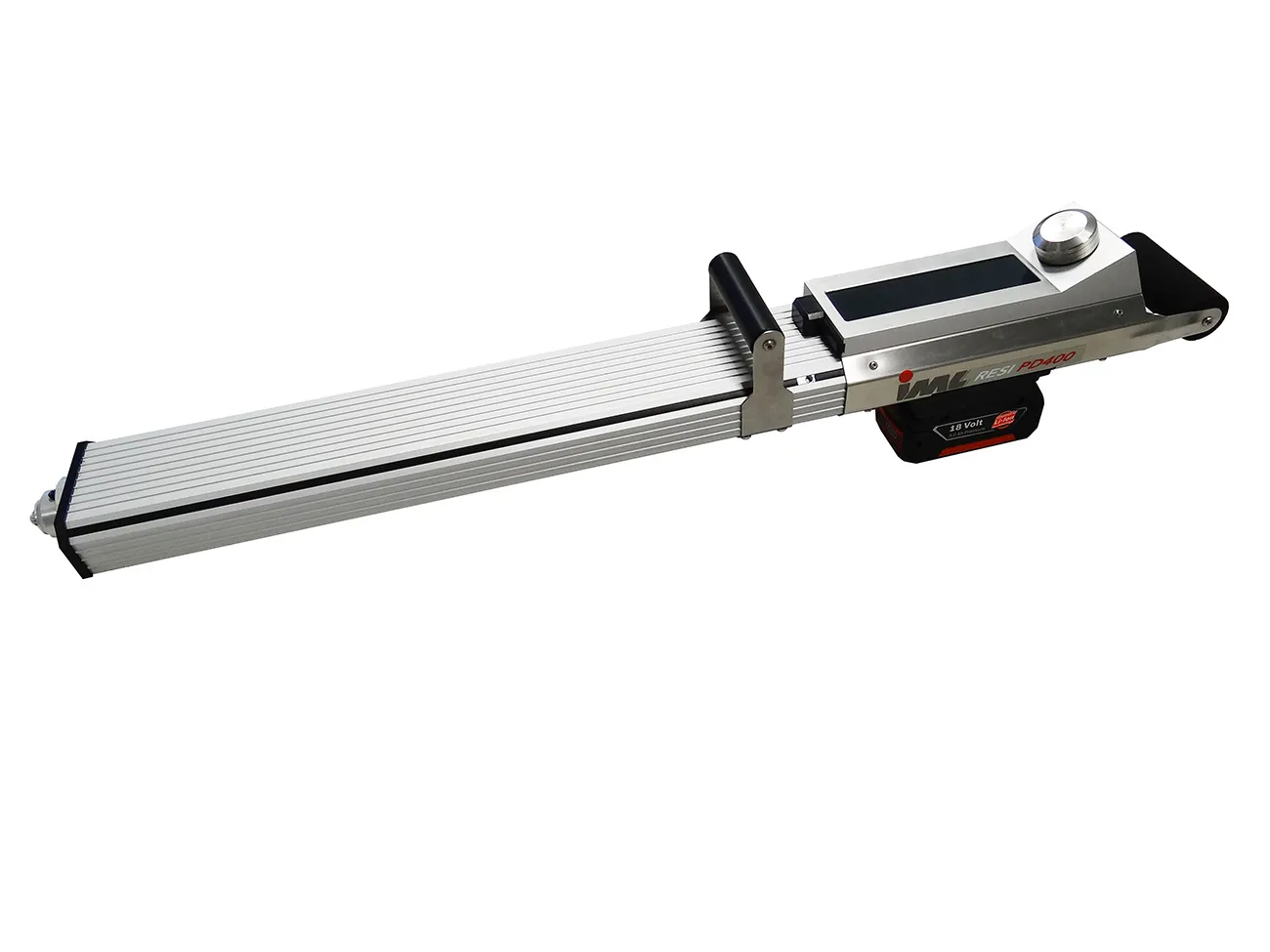
Internal inspection is necessary. “An increment borer allows you to take a core sample from the tree. Its colour and flexibility indicate whether it has been affected. You can also use an electric drill fitted with a resistance meter to check whether the tree is sound or affected. A 3-millimetre drill bit measures the resistance: a tree tries to isolate damaged areas, and you can feel the resistance as you drill through them.”
Sensors
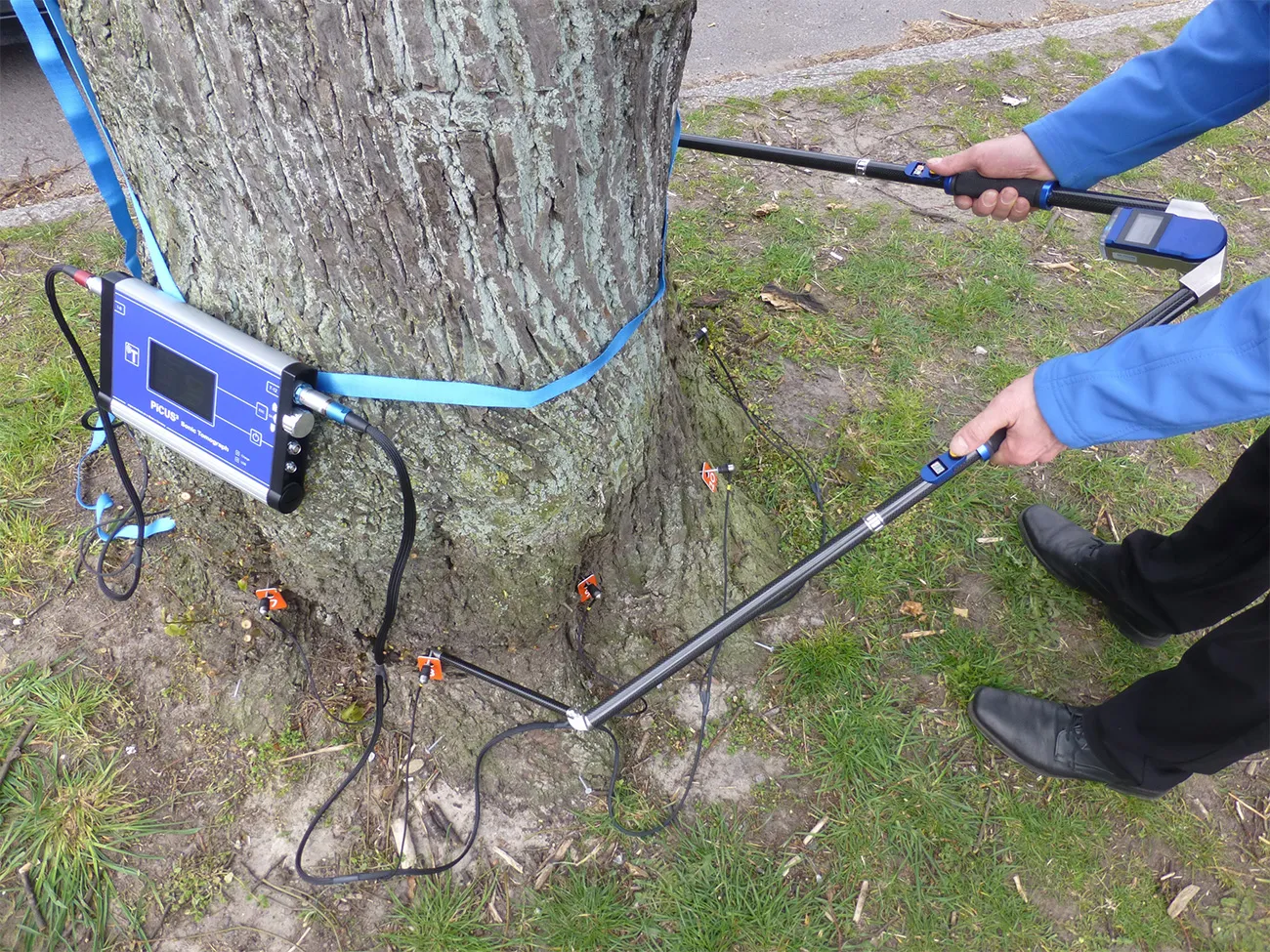
The use of sensors on trees has also increased over the past ten years. “Tapping the tree also measures resistance. Mapping the results gives you an insight into the extent of the damage. It is comparable to taking an X-ray.”
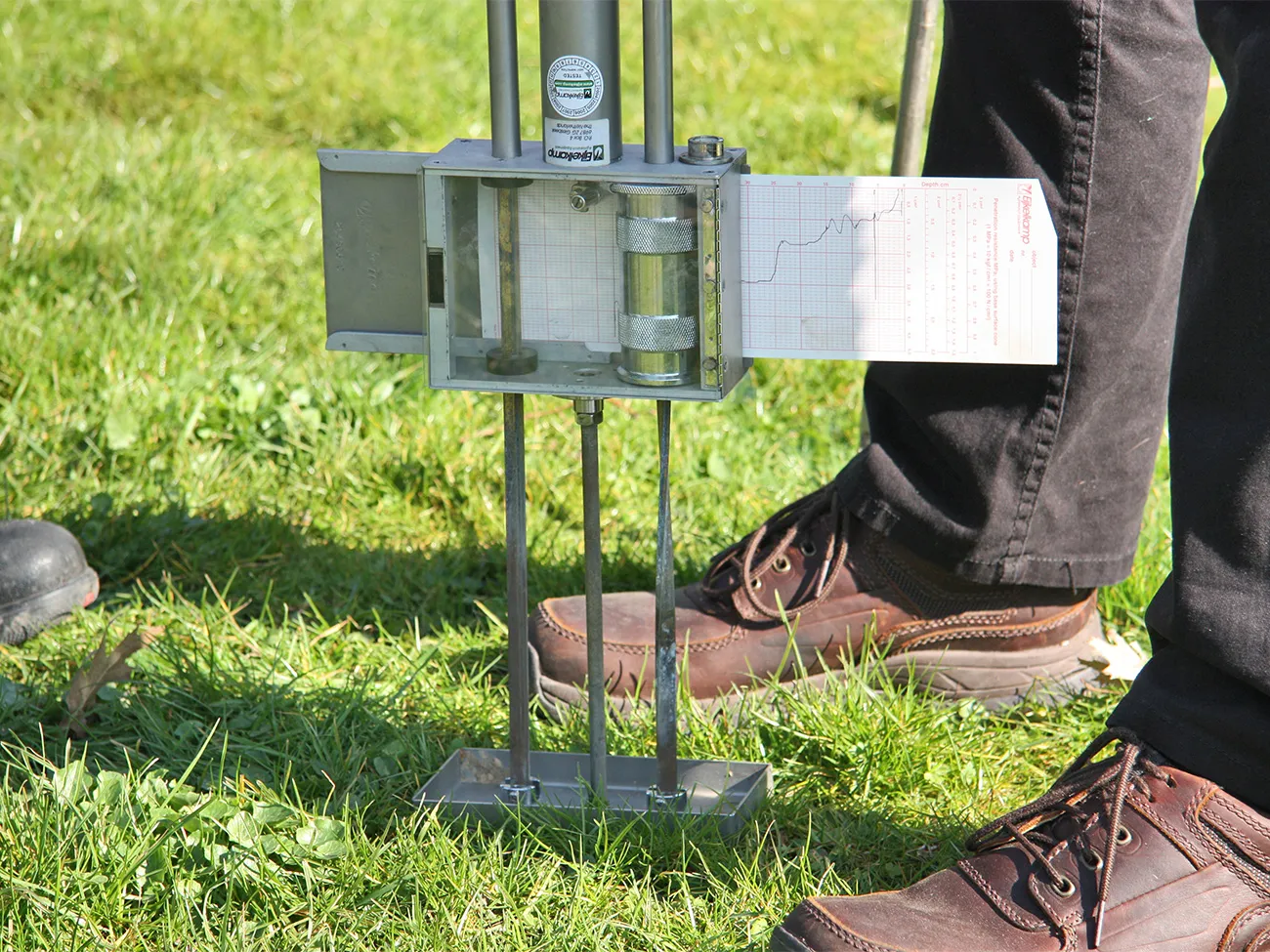
ITS also supplies equipment for trees that are not growing well. “A site assessment can help establish why a tree is struggling. Why is it not in full leaf, and why is its crown not fully covered? If a tree drops its leaves or they change colour early in autumn, that is a sign of poor vitality. The cause often lies in the soil. The first step is to investigate using a soil auger. Drilling a hole, once again, tells you something about the amount of compacted and disruptive layers. These prevent water from draining down sufficiently and stop the roots from growing downwards in summer. With our products from various manufacturers, we are not only a supplier but also a sounding board for those working in the sector.”
Question about this story? Ask your question
Keep following this
Get an email when a new story is published. No account needed.
- SubjectGeneral







