









Rijswijk and Bloemendaal named the greenest city and village in the Netherlands
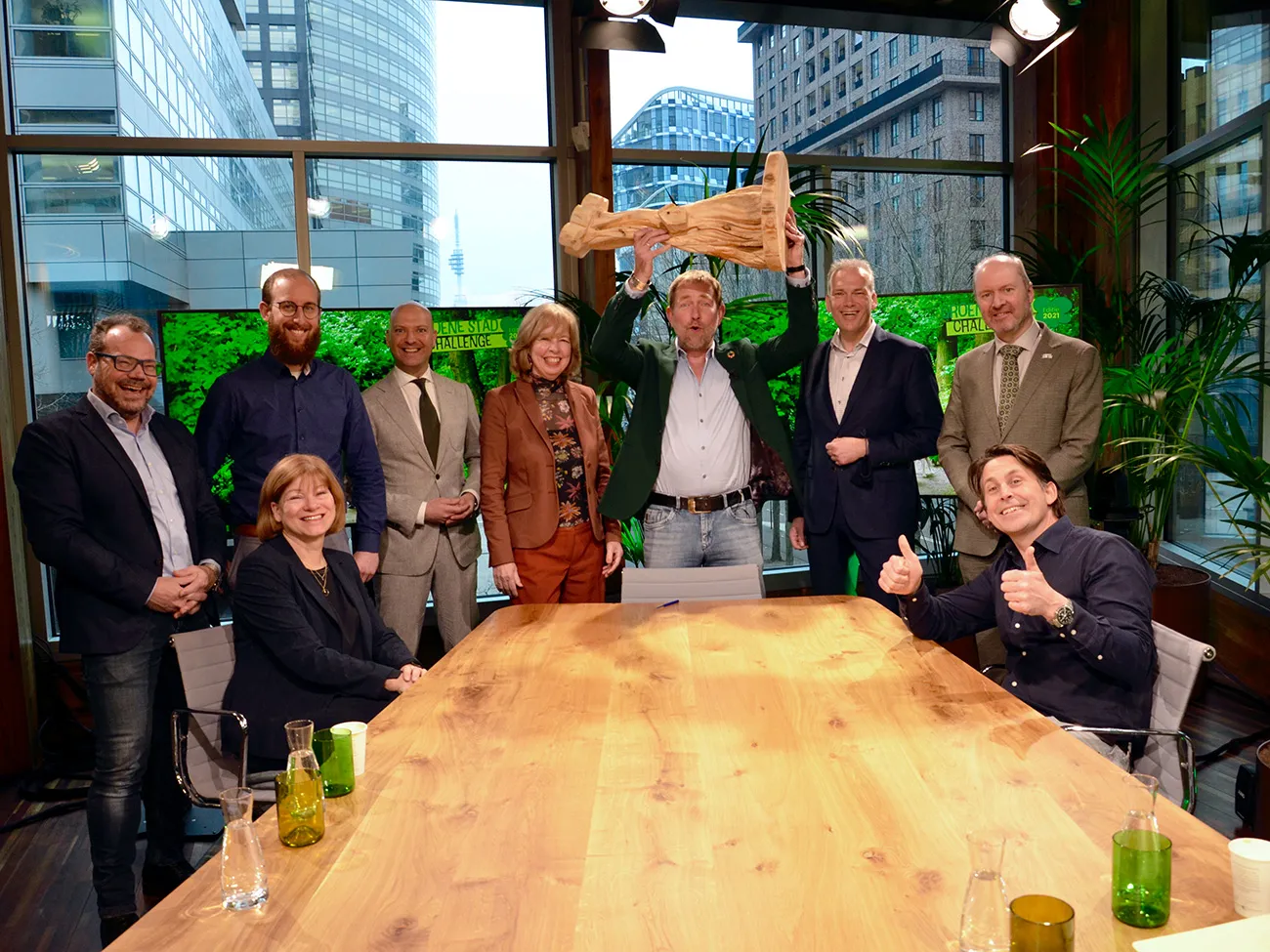
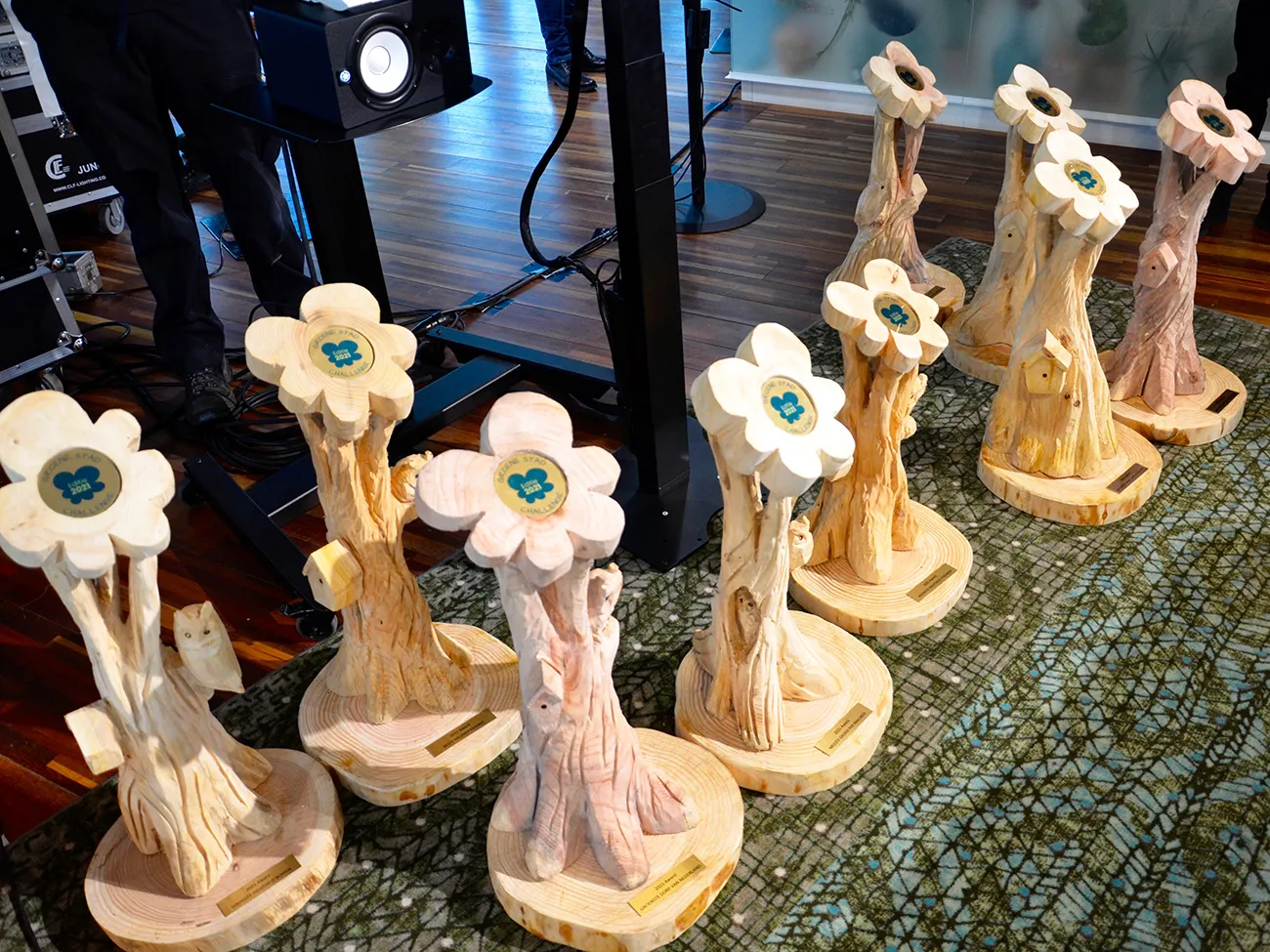
The results of the 2021 Groene Stad Challenge, an initiative by Sweco, Husqvarna and NL Greenlabel, are in. Of the more than one hundred municipalities whose green space quality and quantity within built-up areas were assessed over the past year, Rijswijk in South Holland has emerged as the greenest city. The award for the greenest village goes to Bloemendaal (North Holland). Residents of the Gelderland city of Doetinchem have the most green space per person at their disposal. Zwijndrecht (South Holland), Zeist (Utrecht) and Huizen (North Holland) also received awards.
Green potential of the living environment mapped for 5.6 million people in the Netherlands
The Groene Stad Challenge mapped the potential for green space in the living environments of more than 5.6 million people in the Netherlands (103 municipalities): the findings show scope to add green space equivalent to 35,000 football pitches. On average, 44% of the area of the places surveyed is green. However, the analysis shows that there is still enormous potential: more than 23,000 football pitches’ worth of public land could be greened (including 812 football pitches’ worth of unnecessary hard surfacing and 4,216 football pitches’ worth of parking spaces). The area also includes 18,579 football pitches’ worth of lawns and 13,036 football pitches’ worth of flat roofs that could be greened. There is also room to plant another 93,485 trees, while 506,550 gardens (half of those surveyed) could still be greened by more than 30%. Download the full factsheet.
Rijswijk is the greenest city in the Netherlands
The Groene Stad Challenge has been running since 2021 and helps municipalities achieve their green ambitions faster. Combining the methodologies of NL Greenlabel and the Husqvarna Urban Green Space Index with Sweco’s knowledge and data enables the team to show how green each district or neighbourhood is, and where there is scope for more green space. Sweco analysed data, satellite images, aerial photographs and the Key Register of Large-Scale Topography (BGT) for more than 100 municipalities in 6 provinces. Based on this analysis, the full ranking of participating municipalities, comprising 50 cities and 384 villages, was announced this afternoon.
Top 10 greenest cities
- Rijswijk (South Holland) (Gold)
- Delft (Silver)
- Soest (Bronze)
- Nieuwegein
- Zeist
- Apeldoorn
- Doetinchem
- Hoorn
- Dordrecht
- Venlo
Top 10 greenest villages
- Aerdenhout (municipality of Bloemendaal)
- Maarn (municipality of Utrechtse Heuvelrug)
- Ellecom (municipality of Rheden)
- Heelsum (municipality of Renkum)
- Barsingerhorn (municipality of Hollandse Kroon)
View the ranking, analyses of all places and the map of the Netherlands here: https://www.hugsi.green/groenestadchallenge
Joeri Meliefste, lead analyst and adviser on urban green space and climate adaptation at Sweco: Never before have the parameters (KPIs) we analyse been combined in this way, or a baseline assessment been carried out on such an extensive scale. The insights into the potential for greening also give municipalities a clear basis for action. More than a hundred municipalities are using data to guide their greening efforts. Given the challenges of climate change, health and housing, this challenge is highly relevant: we are contributing to green, attractive, healthy and climate-resilient cities and villages in the Netherlands.
Green space is the key to healthy cities
The analysis shows that in the municipalities surveyed (29% of all municipalities in the Netherlands), there is room for another 93,485 trees and more than 23,000 football pitches’ worth of green space in the public realm. This presents a great opportunity to improve the quality of public spaces and create more room for physical activity, reduce heat stress and increase biodiversity. This is also one of the biggest challenges facing cities.
- On average, almost a quarter of a municipality consists of grass (23.4%), 16% of trees and 4.8% of shrubs.
- The share of public green space is almost equal to that of private green space (51.9% vs 48.1%).
- That equates to an average of 97m2 of green space per person, of which 50m2 is public green space and 47m2 is private green space.
- Almost half of the residential neighbourhoods analysed (2,821 in total) score below par (rating E 32%, rating F 16%).
Download the full factsheet here: https://filetransfer.swecogroup.com/message/ngDlP7HJuxDHuNMUbGmJeA
Lodewijk Hoekstra, founder of NL Greenlabel and the Netherlands’ best-known TV gardener: The task of greening is urgent and complex. The challenge’s findings help map opportunities and achieve green ambitions faster. Municipalities all want to become greener, as the large number of challenge registrations shows. Provinces are also getting involved, and increasingly so. Following South Holland, North Holland and Gelderland, which paid the registration fees for some or all of their municipalities, Utrecht recently enabled all 26 municipalities to take part.
Anton de Jong, director of Husqvarna Nederland BV: Our Husqvarna Green Space Index (HUGSI), launched in 2019, maps cities around the world and literally shows where there is scope to improve urban green space. The Netherlands is now the first country in the world to have 30% of its urban environment mapped, rather than just a handful of cities. And new municipalities have already signed up to take part in this year’s Groene Stad Challenge.
Question about this story? Ask your question
Companies in this story
Keep following this
Get an email when a new story is published. No account needed.
- ThemeSpace for urban green
- SubjectGeneral
- CompanyNL Greenlabel
- CompanyHusqvarna Nederland BV







