









Sustainability is about more than simply using a different type of paving or stone
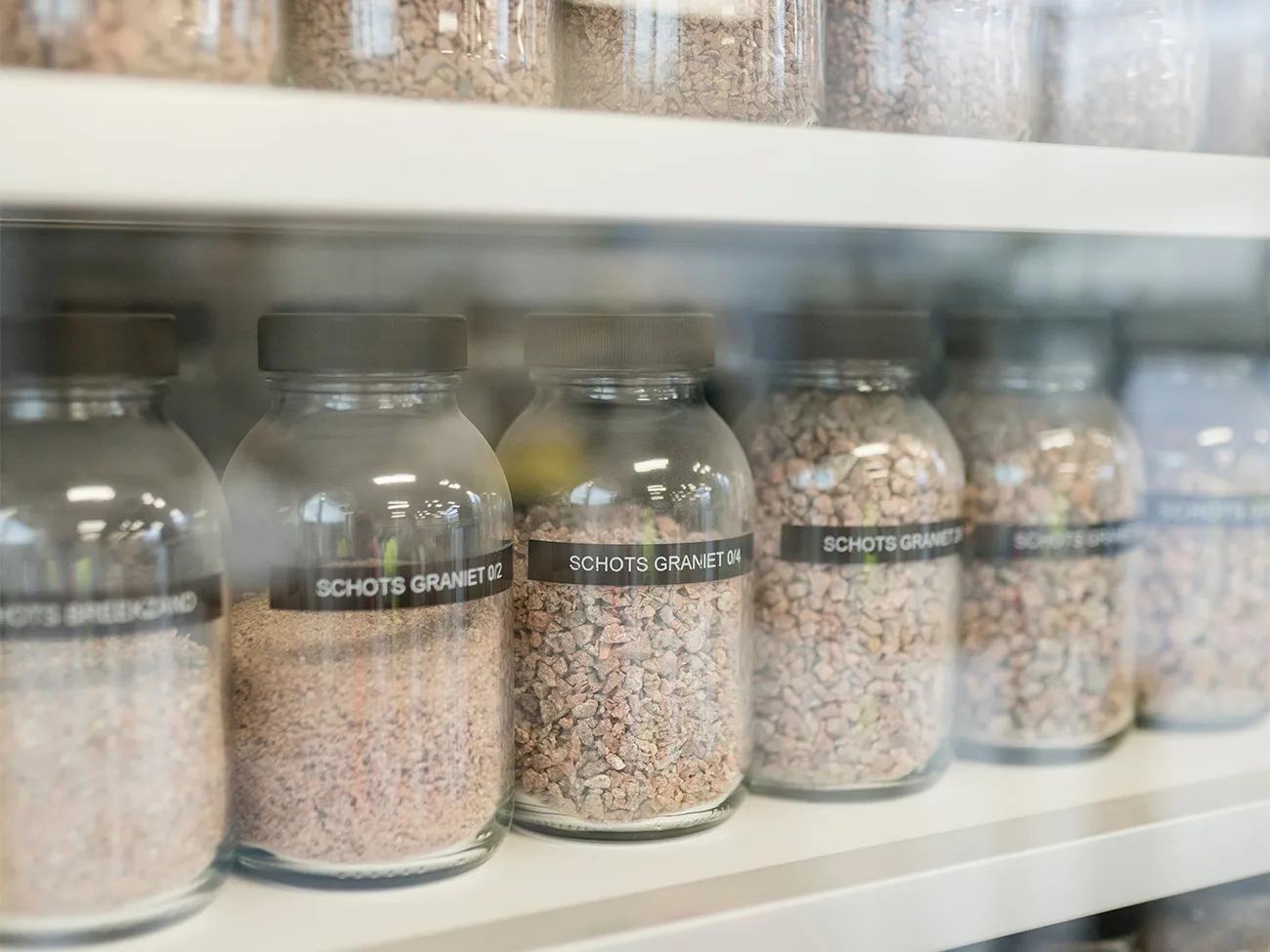
An integrated approach is crucial to rethinking outdoor spaces
At MBI, they are passionate about stone and concrete. In the more than 75 years since the company was founded, the Steenmeesters have become one of the leading manufacturers in the Netherlands. Sustainability plays an important role in their policies, their day-to-day operations and everything in between. Together with Mirjam Rosman, Marketing & Communications Manager, we explore what the catch-all term ‘sustainability’ means to MBI and how we can work together to create more sustainable outdoor spaces.
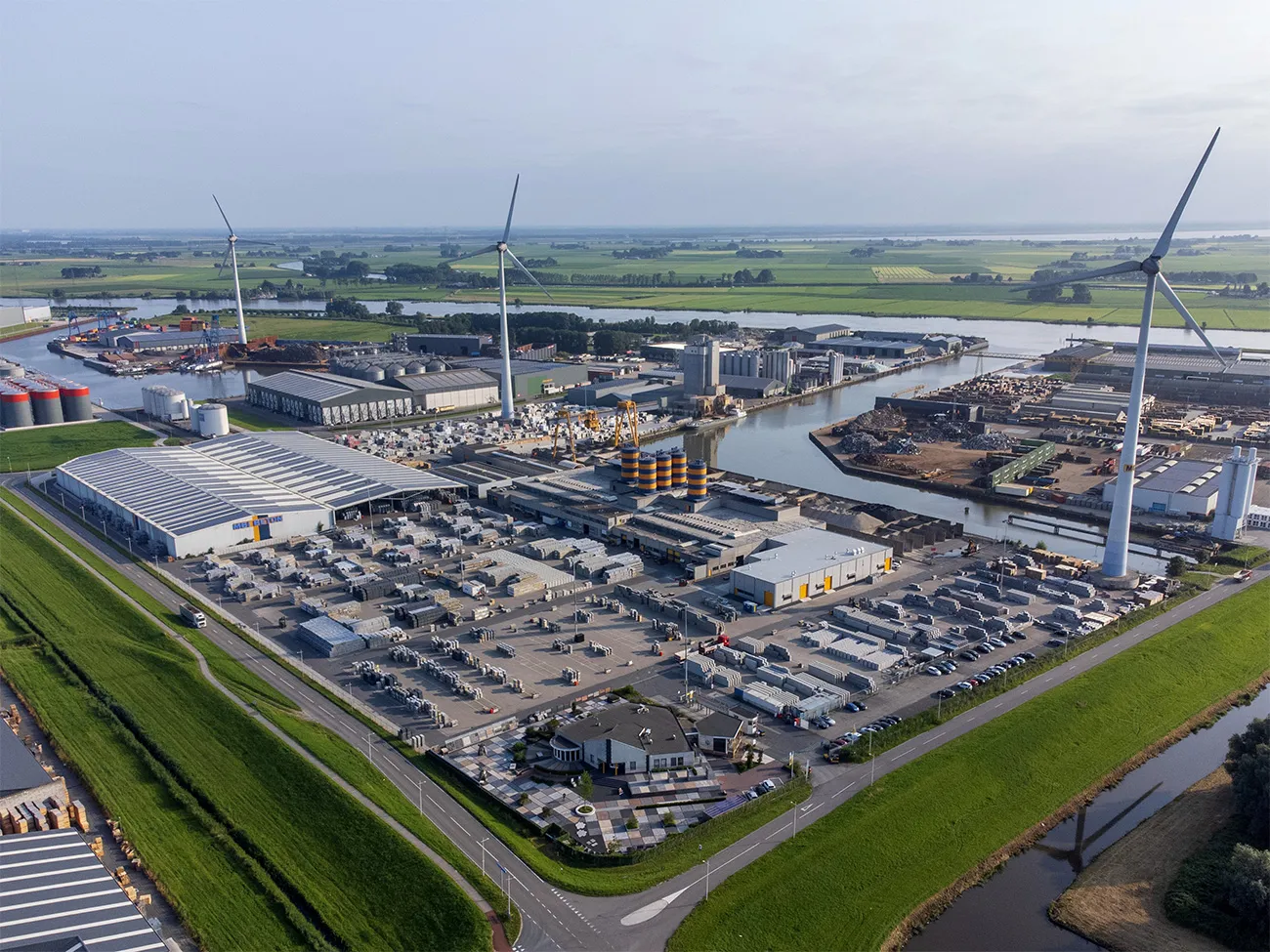
“When people talk about sustainability in the concrete industry, the conversation quickly turns to reducing product weight, recycling raw materials and saving energy in the production of concrete paving slabs, for example. At MBI, we take a much broader view than just the finished product.” Mirjam Rosman is speaking, and she continues with enthusiasm: “Taking an integrated approach is just as important when designing outdoor spaces. That makes it crucial to involve urban planners and landscape architects at an early stage. The same applies on a smaller scale to landscapers and garden designers. Consumers also want paved areas in their gardens, and by taking sustainability into account throughout the process, from design to construction and subsequent maintenance or management, you achieve the best results.”
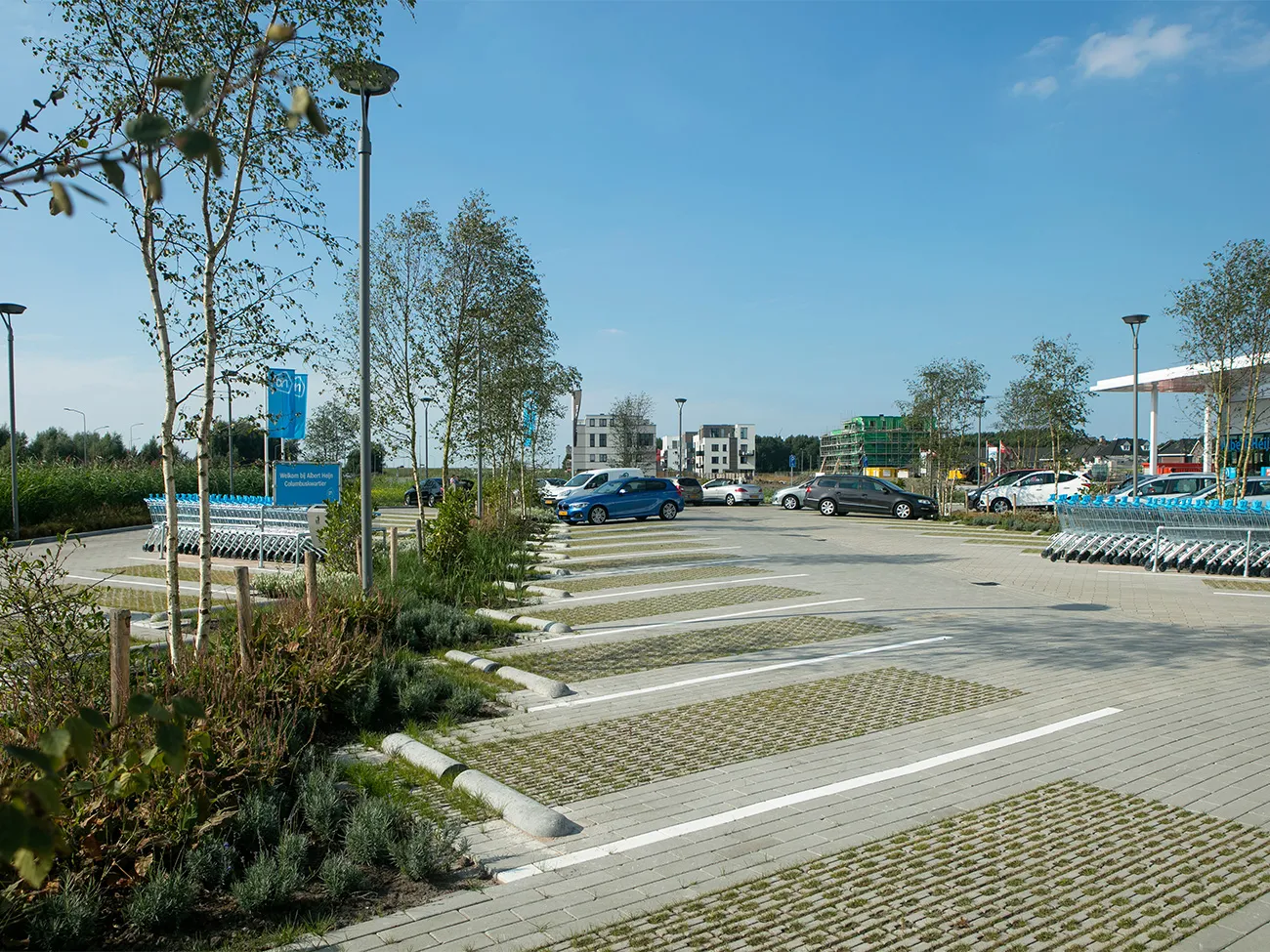
Climate adaptation
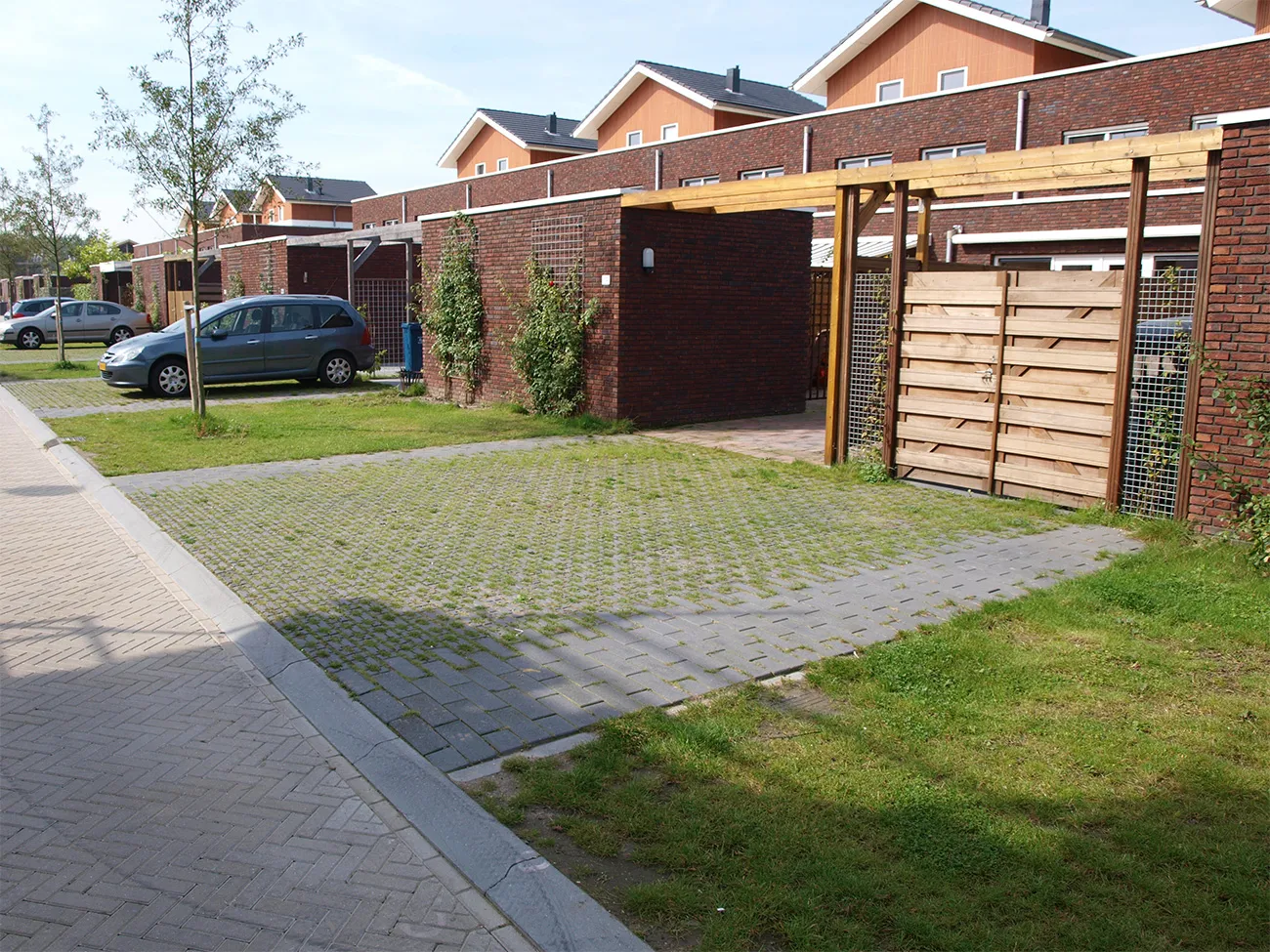
A good practical example of this way of thinking is the ‘open paving’ that we are seeing increasingly often in our streets. This type of concrete paving slab can certainly be used to create attractive, climate-adaptive spaces, but without a management plan, metre-high weeds will soon be growing along those footpaths or in those car parks. That does nothing for the streetscape or residents’ quality of life. Private gardens also need maintenance when this type of open paving is used. Without the right care, the soil between the slabs becomes compacted and drainage quickly deteriorates. In short, choosing a sustainable product alone is not enough. That is why we advocate taking a broader view.
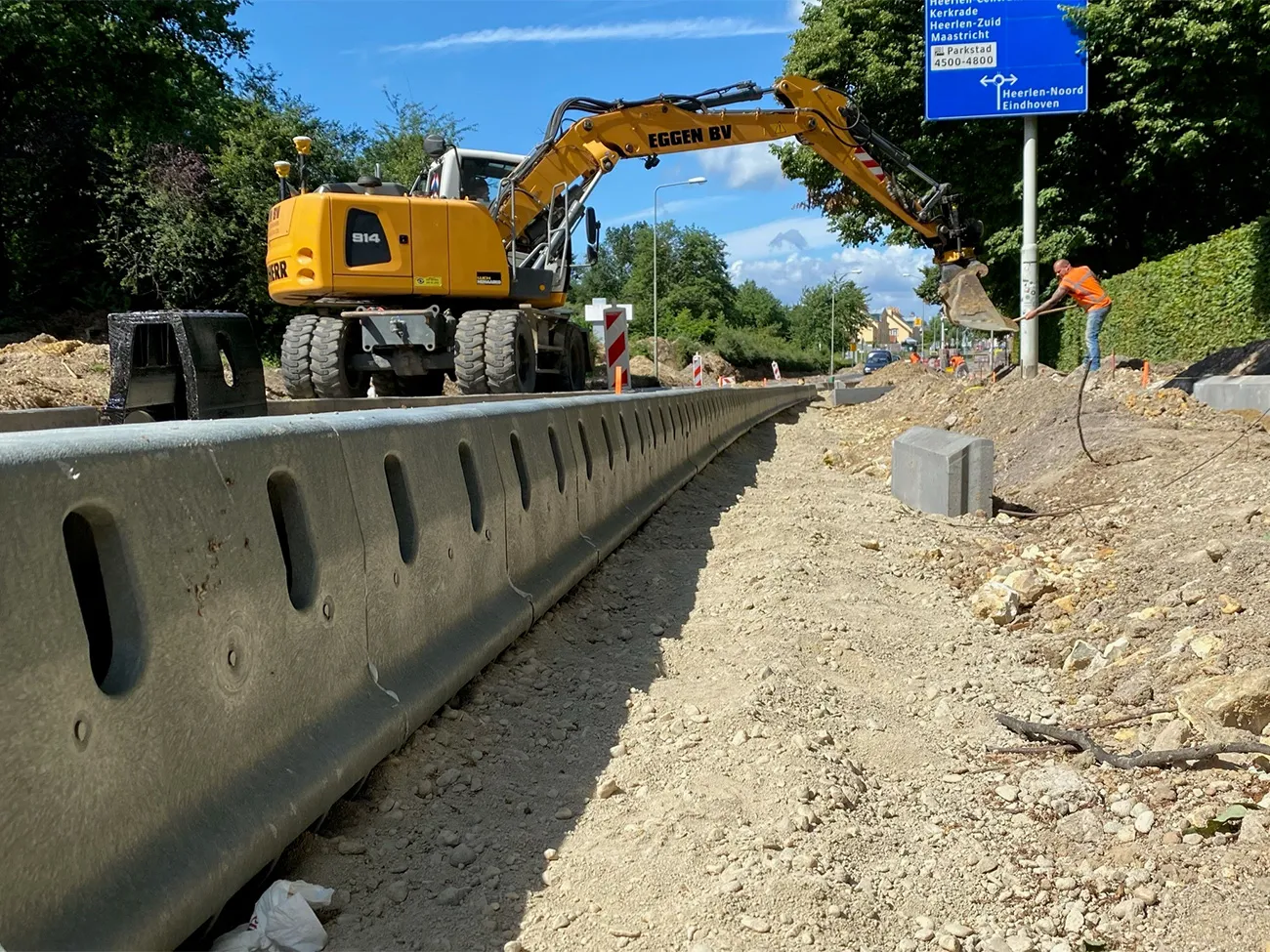
Sustainable production
MBI has a broad and extensive range of concrete paving blocks, garden slabs and concrete kerbs. There is a wide choice of suitable products for every application and set of requirements and preferences. Production is organised to be as sustainable as possible. The company generates energy using its own wind turbines and solar farms. It has its own crushers for reusing raw materials and switched to electric forklift trucks many years ago. Another good example: the company now runs its vehicles exclusively on HVO biodiesel. This, too, contributes to a more sustainable process. Product development focuses on creating a paving stone that uses fewer raw materials without compromising load-bearing capacity or resistance to breakage. Another example of sustainable innovation is Cemsaver, which is used to produce concrete paving stones with less cement. Combining Cemsaver with other fillers and additives saves 30 per cent of the cement.
MKI score
But how do you determine how sustainable a product actually is? How can you compare products and brands? The MKI score, or Environmental Cost Indicator, is an excellent way to measure this. The MKI score expresses the amount required to offset the product’s entire CO2 footprint. That is a somewhat simplistic explanation, but it gives a reasonable idea for present purposes. One thing is certain, however: the lower the MKI score, the more sustainable the product. MBI has had the MKI score calculated for all its products. The scores are determined objectively using a standard calculation method. Other manufacturers use this method too, making it an excellent tool for comparing products.
Collaboration
Sustainability, then, is about more than simply making a sustainable product using sustainable methods. Rosman picks up the thread: “There is much more to it. In the concrete industry, we need to work together, both with one another and with other stakeholders. We could consult each other much more intensively. MBI’s advisers are increasingly acting as discussion partners, sharing knowledge and broadening understanding. That is extremely valuable, because it all contributes to a more sustainable end result.
I hope that when consumers or professionals have to make choices about paving, they will take the time to learn about this subject. Find out about the MKI scores and use this objective criterion when choosing products.”
Ambitions
As mentioned, sustainability has been a constant thread running through MBI’s recent history. The company has already made significant progress, and its ambitions are considerable. With support from external organisations, it is putting the finishing touches to the MVO ladder (corporate social responsibility) and the CO2 Performance Ladder (plans to reduce CO2 emissions), while also focusing on MKI scores. After all, these provide an objective criterion for comparing products in terms of sustainability. As Rosman puts it: “We have already achieved a great deal, but there is still huge potential for further progress. We are looking at the full range of possibilities and want to set a good example for the market.”
Question about this story? Ask your question
Keep following this
Get an email when a new story is published. No account needed.
- ThemeGardens from design to maintenance
- SubjectGeneral







