A garden where insects and other small creatures are welcome
A few tips for increasing sustainability and biodiversity in your garden
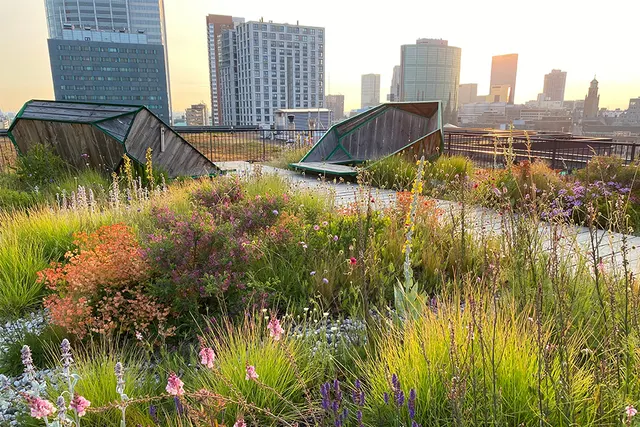
Little effort, big benefits: with a few simple tips, you can turn your garden into a green haven for biodiversity. Insect hotels, hedges that let wildlife pass through instead of low fences, nest boxes, and piles of leaves and twigs for hedgehogs and other small creatures: all provide useful and essential habitats. Flower patches in the middle of a well-maintained lawn are a valuable food source for bees and other insects. Finally, gardeners who want to preserve biodiversity can also make use of the resources nature provides. For example, you can make a natural fertiliser from nettle tea, and compost garden waste or reuse it as mulch.
Welcome wildlife in all its forms to your green haven and boost the diversity of your garden. Small, simple measures can often have a big impact.
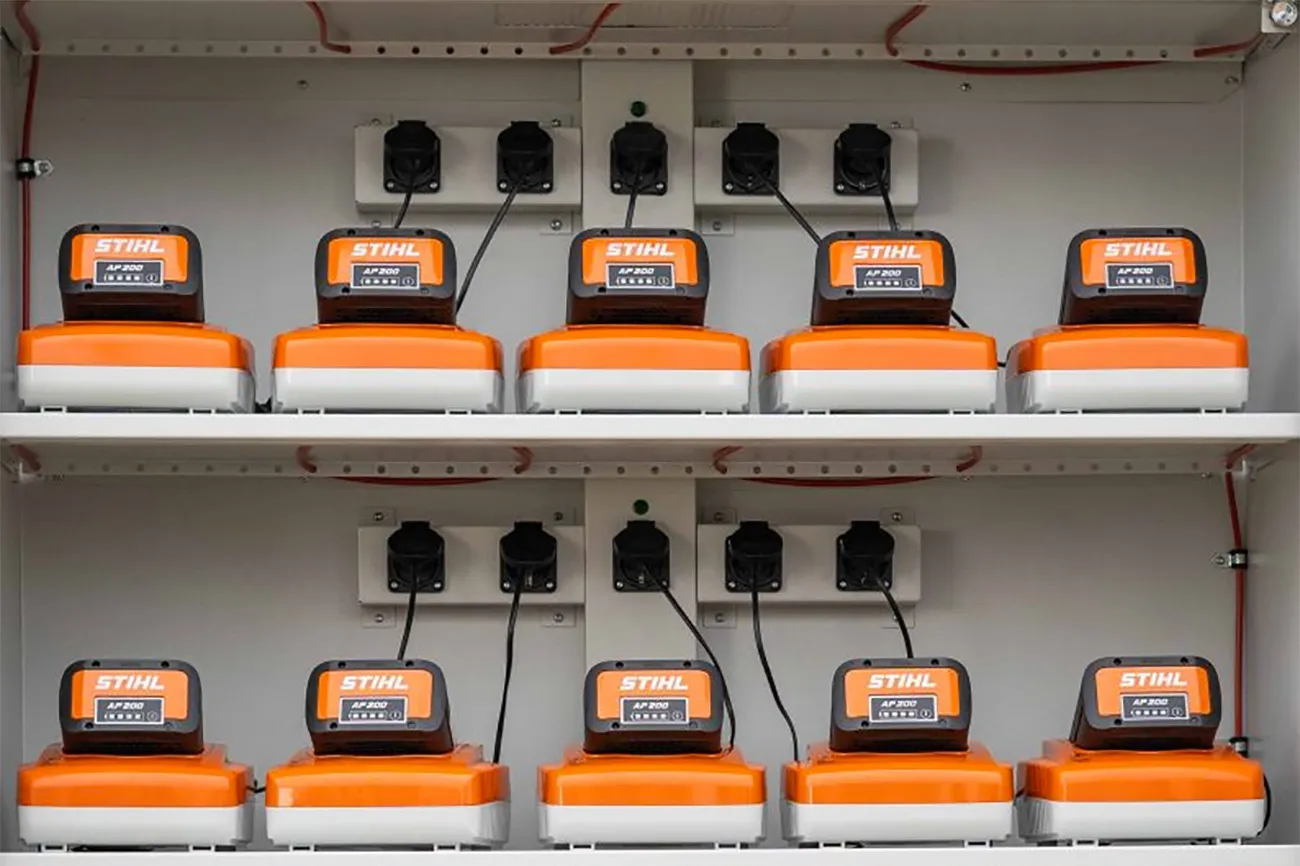
Colourful, flowering diversity
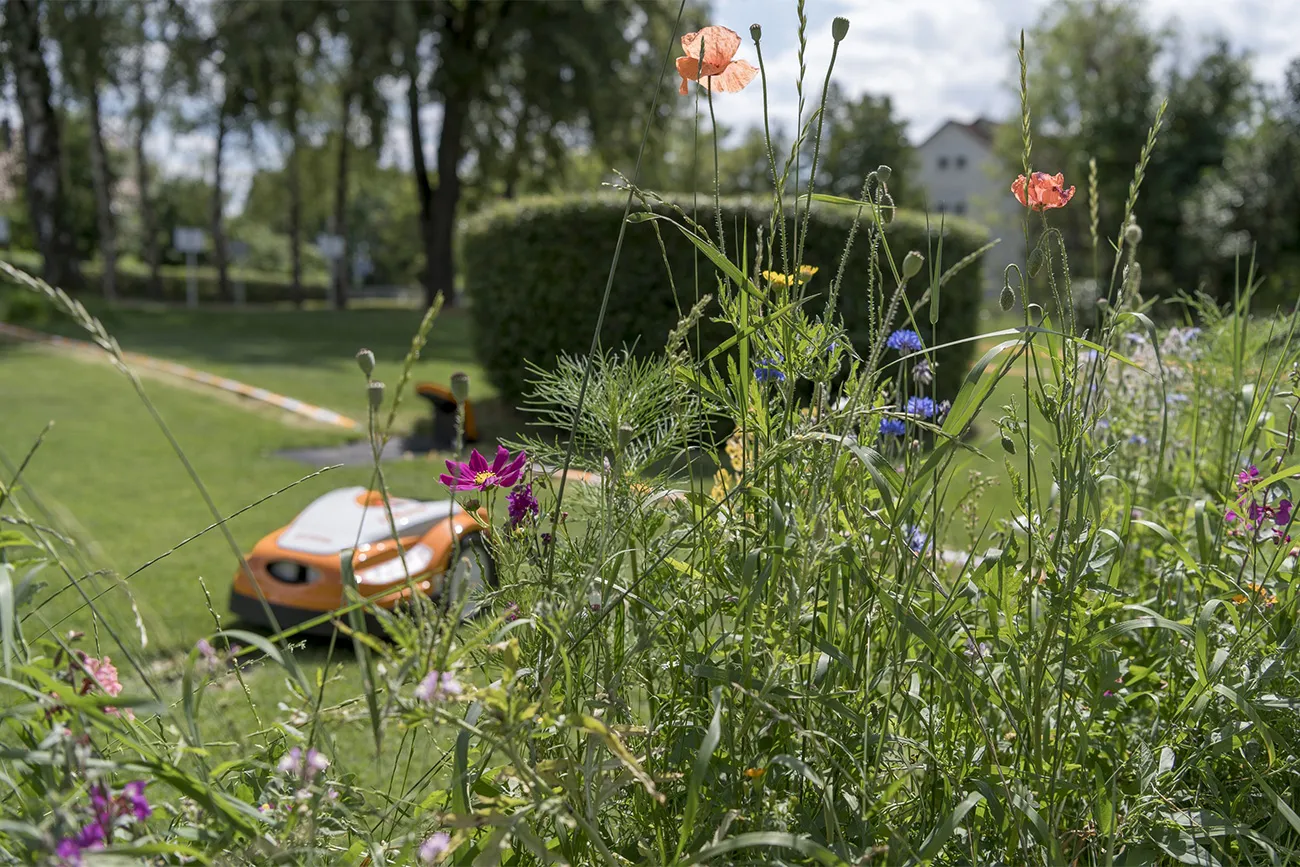
Flower patches in the middle of a lawn provide valuable food sources for insects. “That is good not only for nature, but also for garden enthusiasts,” says Jens Gärtner, garden specialist at STIHL. “Let’s not forget that insects pollinate our plants. Intact mini-habitats also encourage healthy plant growth and help prevent pests.” Another simple tip with a lasting impact is to install an insect hotel and nest boxes. “Owners of ecologically responsible gardens should also consider providing a drinking spot for birds,” says Jens Gärtner. Our specialist also recommends planting hedges instead of building fences. They provide shelter for hedgehogs and other small creatures and allow them to move easily from one garden to another in search of food or a mate. Piles of leaves and twigs also make welcome shelters, or even perfect places for these creatures to hibernate.
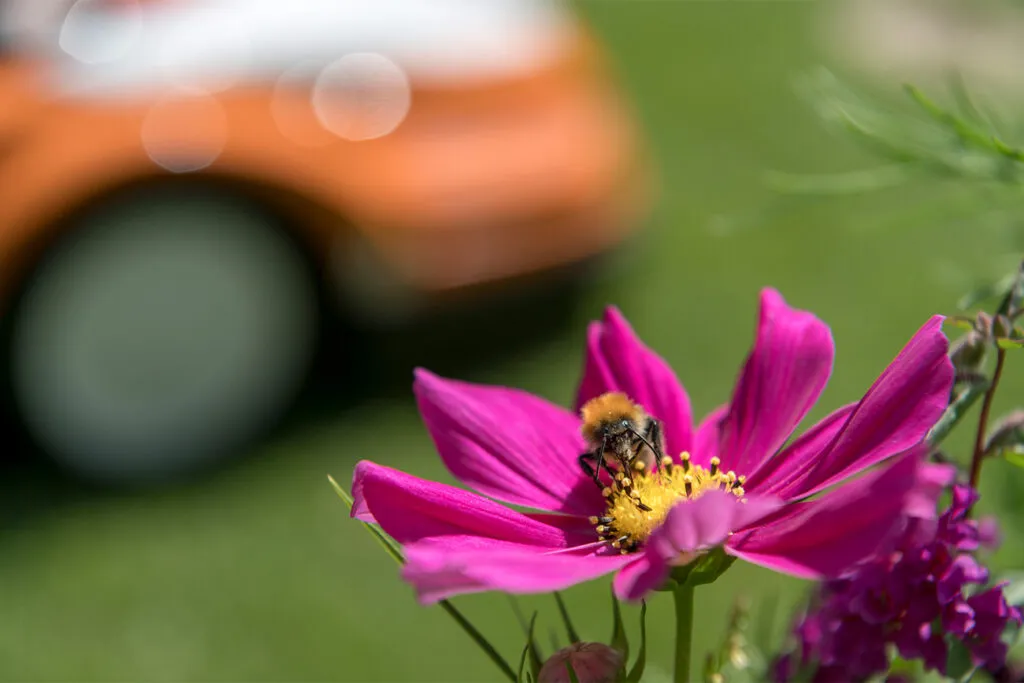
Mow differently for greater biodiversity
A study by the University of Hohenheim in collaboration with STIHL shows that more flowers grow in lawns when they are always mown at the highest setting. This allows the grass to grow better and more flowers to flourish among it, providing food for bees and other insects. This does not mean you have to stop using your robotic mower, quite the opposite! The study shows that robotic mowers can support greater biodiversity in the garden than walk-behind mowers with a grass collection box. “However, to protect nocturnal wildlife, it is important to programme your robotic mower so that it does not mow at night or at dusk,” says Jens Gärtner.
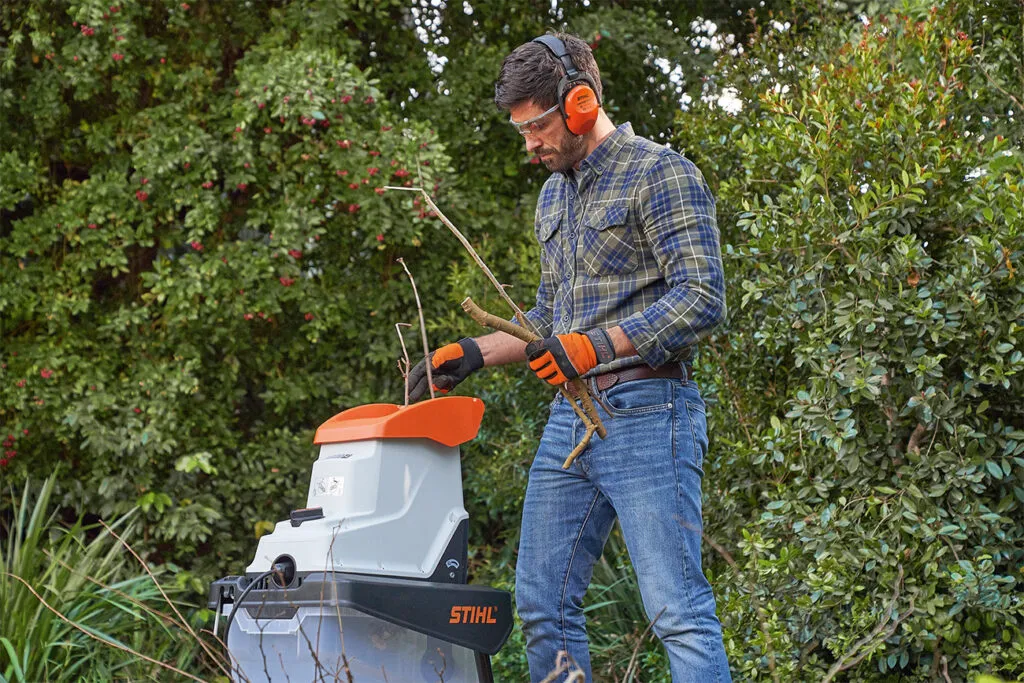
A homemade natural fertiliser
Sustainable gardening also means making good use of natural resources and using raw materials wisely. Garden waste can be composted or reused as mulch, for example. A garden shredder, such as STIHL’s quiet GHE 140 L electric shredder, makes it easy to shred green waste from hedges and trees. It is best to leave nettles, so-called ‘weeds’, to grow because they are an important food source for butterflies. What is more, as has been known since antiquity, nettle tea is a free and highly effective natural fertiliser. “Simply chop the nettles into small pieces, put them in a bucket, cover them with water and leave them in a sunny spot for fourteen days,” says Jens Gärtner.
Question about this story? Ask your question
Keep following this
Get an email when a new story is published. No account needed.
- ThemeNature-friendly green space management
- SubjectSustainability