‘Certified charging cabinet to become statutory standard’
Text Language expertsImage Seefion
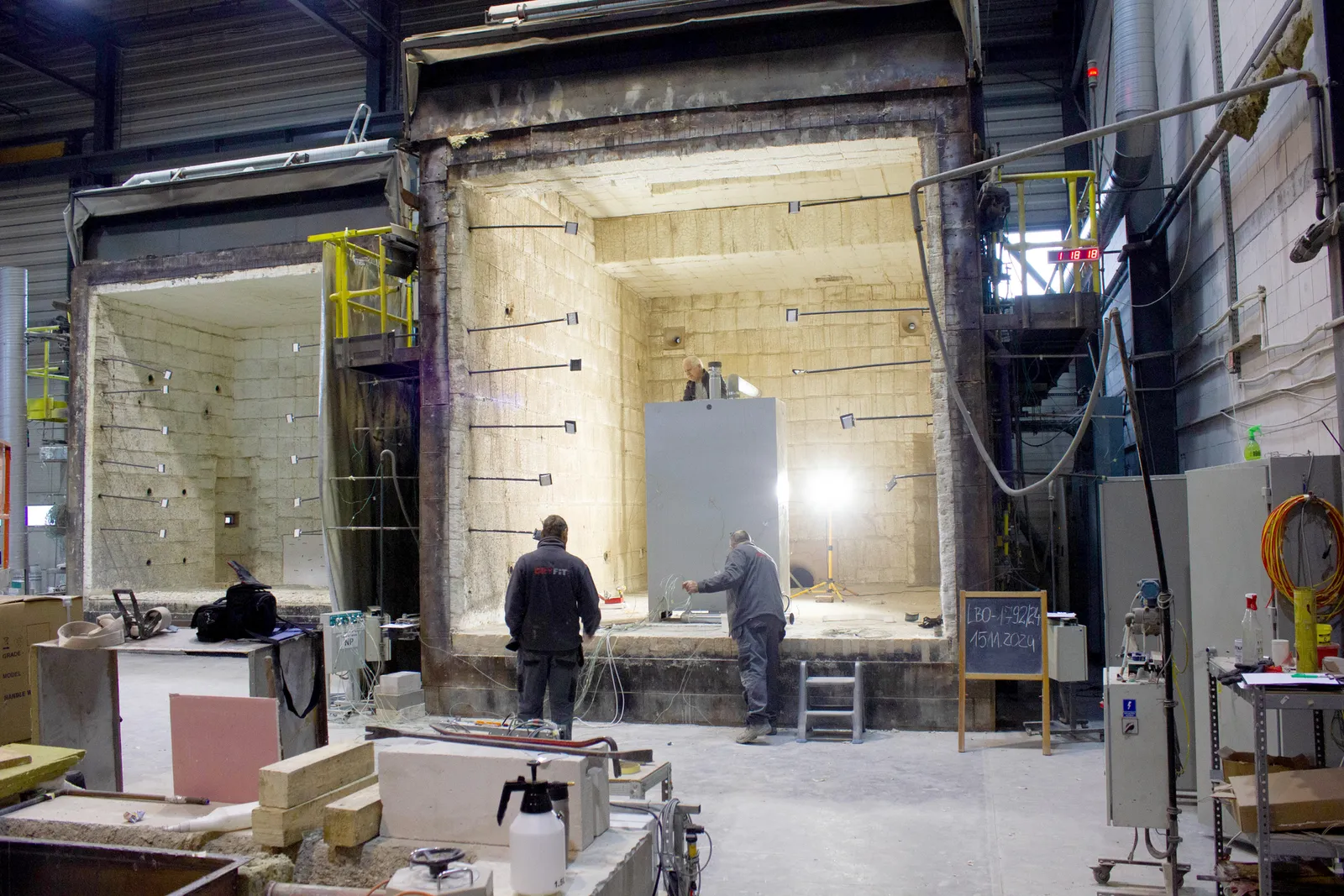
Already a requirement for many insurers: compliance with the VDMA 24994 test requirements
VDMA 24994 is explicitly being used as the technical basis for the new European standard. These test requirements specify what battery cabinets must meet. On this basis, cabinets are tested for fire, explosion and smoke development while batteries are being charged and stored. “Many insurers already require compliance with VDMA 24994,” says Bonsel. “Those who do not comply risk problems in the event of a claim. It is therefore wise to ensure that your charging solution already meets the requirements of this guideline.”
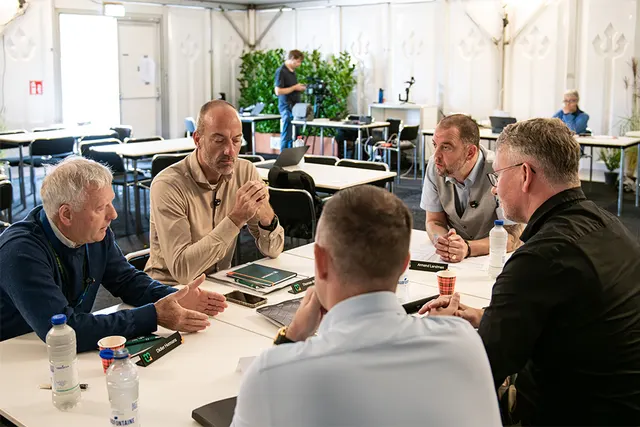
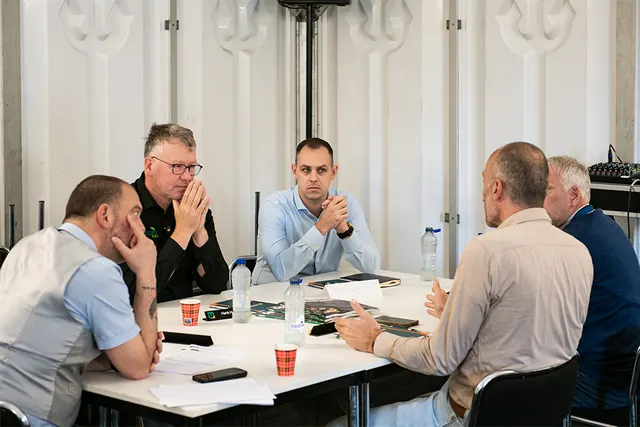
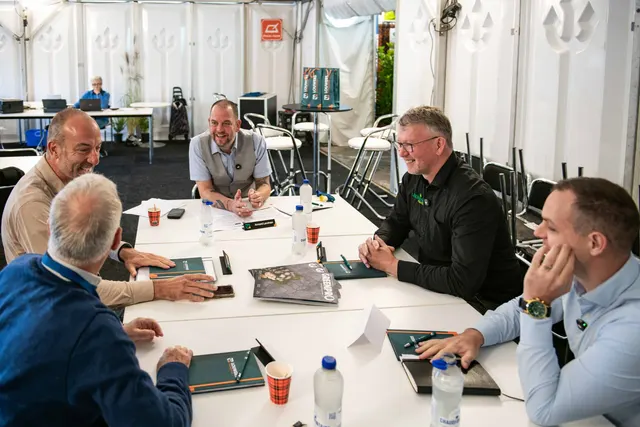
The working group tasked with developing the European standard for lithium-ion battery cabinets (CEN263WG2) includes manufacturers and testing laboratories, among others. “There is a great deal of expertise in the group. Cabinets that meet the VDMA test requirements are now being awarded a European ECBS certificate: the familiar blue certification plate inside the cabinet. This is how you can identify a quality product. Seefion’s charging cabinets, among others, meet these stringent safety requirements. Most solutions on the market have not been tested against recognised test requirements and have not been independently certified, so their safety in the event of a battery fire cannot be demonstrated.”
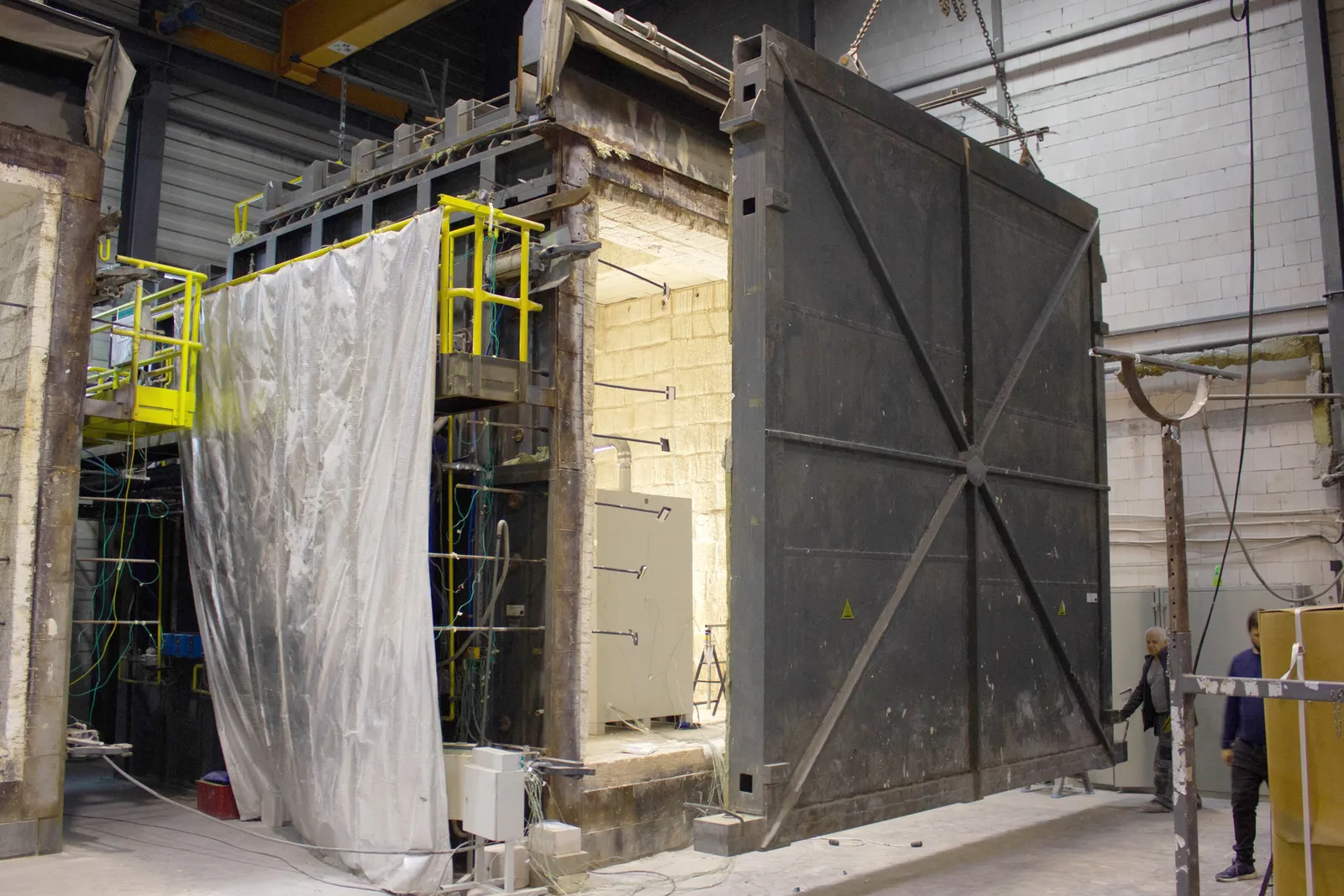
No flames or sparks
In short, the cabinet is tested for fire resistance from the inside out and vice versa, including scenarios involving thermal runaway, pressure build-up, smoke gases and heat transfer to the surroundings. Over the next two years, the working group will review all the details of the products and test standards. Bonsel: “This also relates to the types and quantities of batteries placed in the cabinet. If an explosion occurs inside the cabinet, the fire must remain contained within it. During testing, no flames or sparks may be visible under any circumstances.”
Clearing up uncertainty
The fact that no fixed legal framework is yet in place does not mean that businesses should not take this into account now, both to ensure business continuity and employee safety, and to avoid insurance problems. When buying a charging cabinet, make sure you check whether it meets the VDMA test requirements. This can be tricky, as some cabinets are labelled ‘suitable for charging and storing lithium-ion batteries’ but are not safe in the event of battery fires or explosions. This is therefore still a major challenge for the working group. “What gets measured gets managed. We will therefore carry out tests using real batteries and different types of battery cells, to provide clarity about the safety of charging cabinets.”
The new European rules are expected to come into force in 2027.
As electrification gathers pace, the use of lithium-ion batteries is also increasing rapidly. In practice, users of cordless tools are often still unsure about the requirements that safe charging solutions must meet. This poses risks to businesses’ safety and insurability, observes Hans Bonsel, chair of VGW, the trade association for safes. He is a member of the European working group in which experts from eight countries are collaborating on a European standard for safe lithium-ion battery cabinets.
A business enquiry for Seefion B.V.? Get in touch
Companies in this story
Keep following this
Get an email when a new story is published. No account needed.
- ThemeCleaner and safer working
- SubjectSustainability
- CompanySeefion B.V.