‘Ecological quality adds value to your project’
Text and images Marjolein van Essen, Natuur technisch adviseur RANOX- natuuraannemer
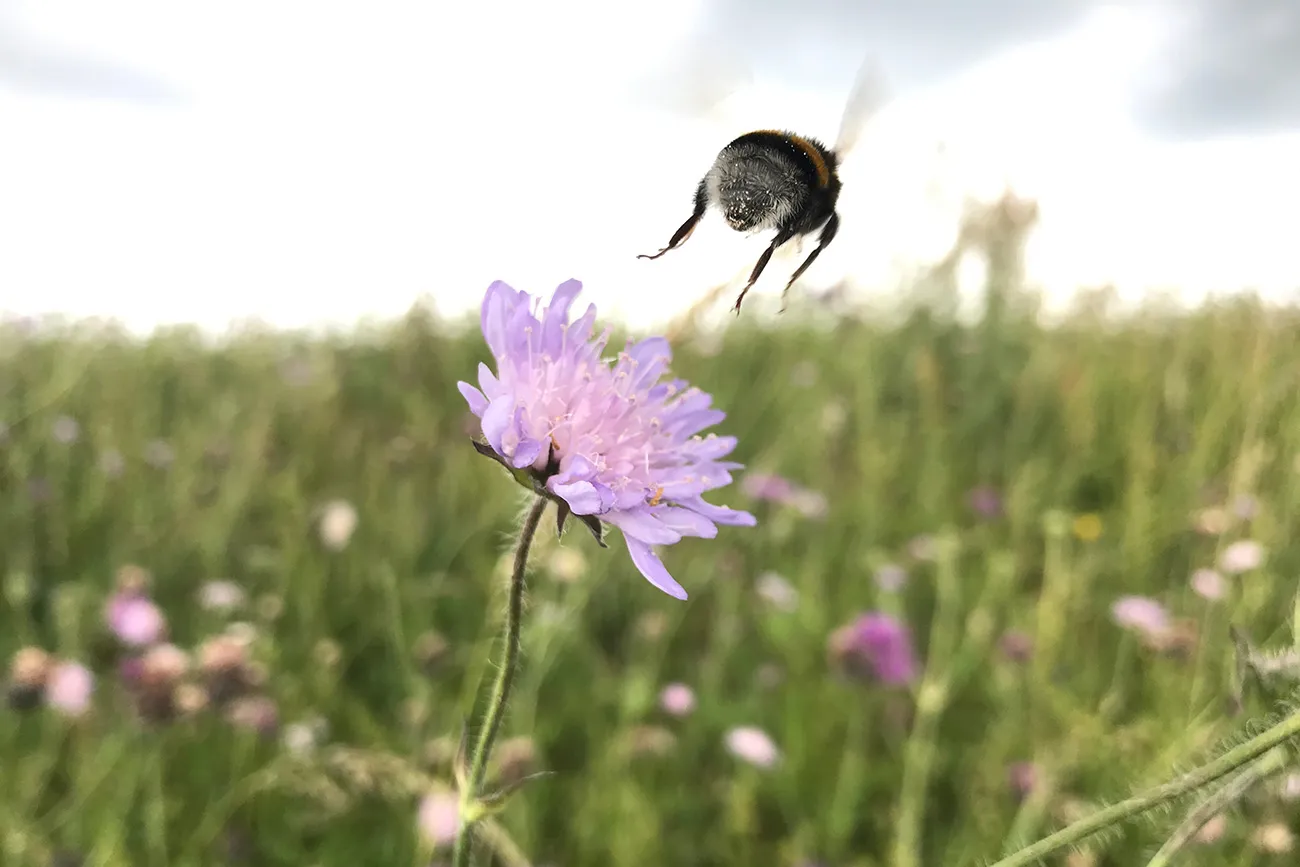
Green-space specialists are increasingly involved in challenges such as climate adaptation and biodiversity.
How do you safeguard ecological quality in your projects? This question is becoming increasingly important in a changing society.
Whereas most green-space contractors used to focus mainly on adding greenery to gardens, buildings and their surroundings, today they are increasingly involved in wider societal challenges such as climate adaptation and enhancing biodiversity.
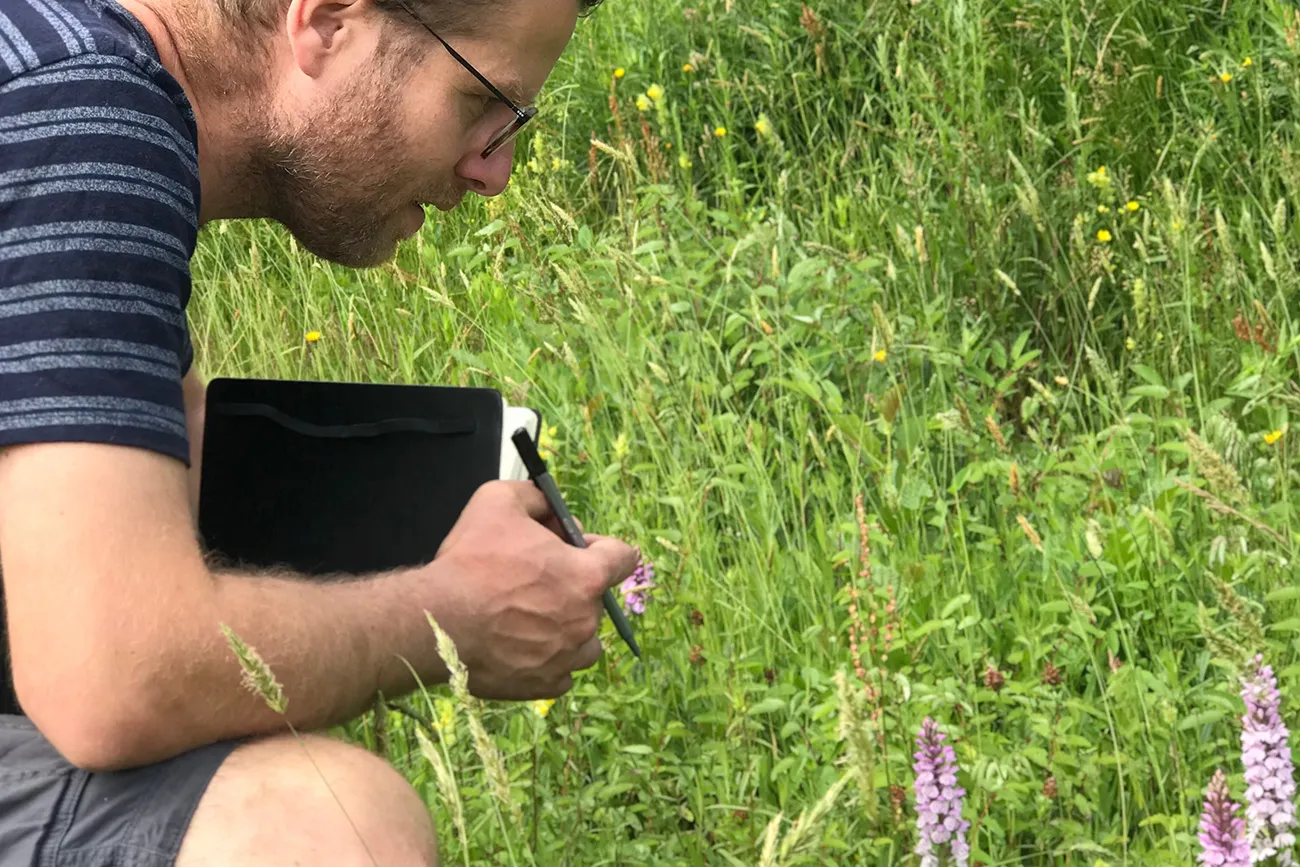
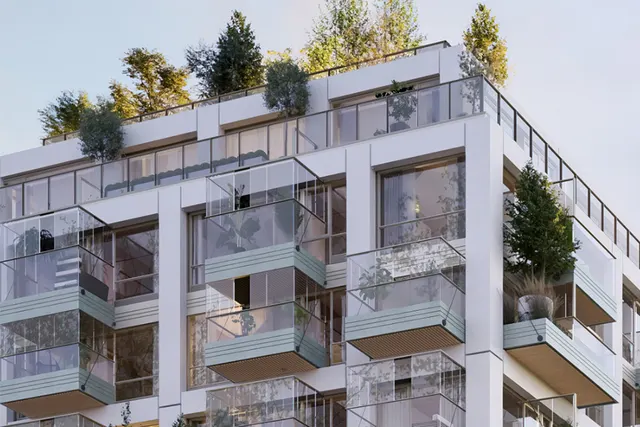
Both challenges play an important role in projects such as nature-inclusive construction, nature reserve development and park landscaping.
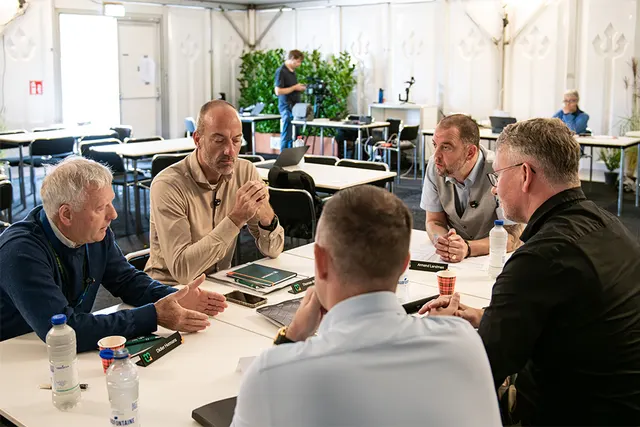
When Natuurpro partners work together under the RANOX- natuuraannemer banner, projects receive ecological guidance from the planning stage through to implementation on site. This collaboration between ecologists and green-space contractors ensures that plans are carried out as intended from an ecological perspective. It also enables consultancies to take on entire projects and arrange implementation with a partner landscape contractor.
A few examples of ecological management in practice:
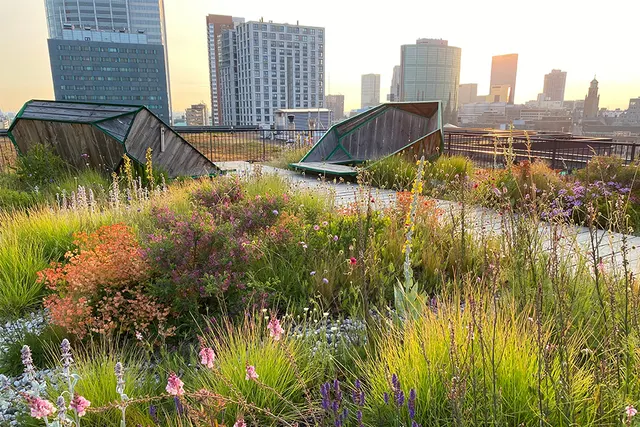
Many clients are keen to take part in the No Mow May campaign. It seems so simple: don’t mow in May, so insects can benefit from lawns in flower. We know insect numbers are declining, so that must be a good thing, you might think. Or is it? Butterflies and other insects may see the long grass and flowers as an opportunity to lay their eggs. If the vegetation is then mown later, we have created an ecological trap. When and how often to mow depends on the initial conditions and the objectives. On nutrient-rich sites, the dominant grass species determines when to mow. For example, if you want to reduce soil fertility, you should mow meadow foxtail earlier than false oat-grass.

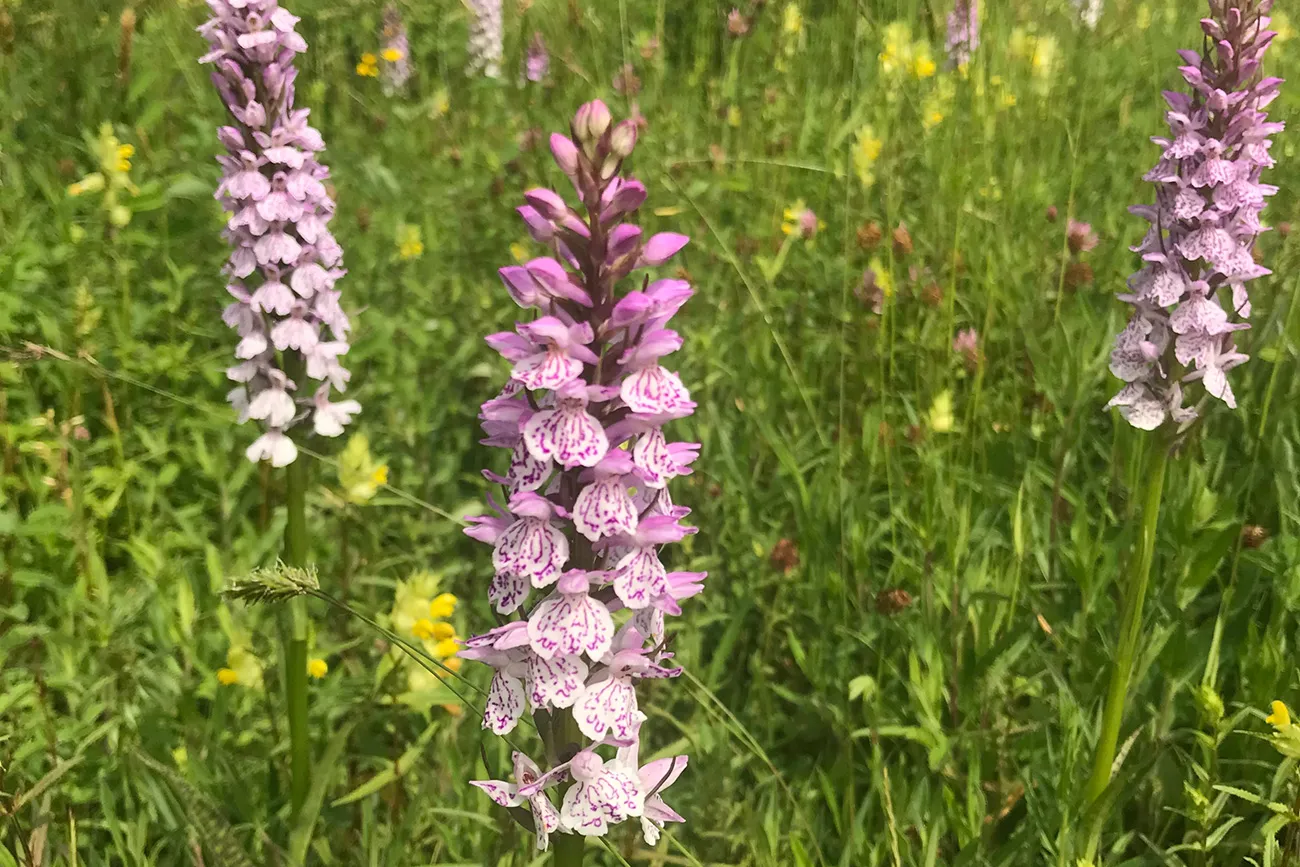
There is no quick fix. To get it right, you need to map the vegetation and draw up mowing schedules that take account not only of the desired species, but also of insects. This requires the expertise of experienced ecologists.
Implementation also calls for considerable expertise. It is important to choose the right machinery, cutting height and time of day. A higher cutting height not only helps preserve the vegetation, it also gives insects, invertebrates and mammals present a better chance of survival. Temperature plays a major role in choosing the right time: insects need to be warm enough to escape the mower.
Oak processionary moth
Another example is the natural control of oak processionary moth.
You know the sight: cycling along, you look around and see a nest box hanging in every tree. The idea is that birds, as natural predators of oak processionary moth caterpillars, help control their numbers. But birds choose where to nest based on the four Fs: food, reproduction, safety and movement. If there is no shrub layer close to the nest box, the safety factor is missing and the bird will choose somewhere else.
Developing specific herb-rich vegetation can attract natural predators such as the lacewing larva. Unfortunately, this is still done at few sites, and often without sufficient expertise.
When planning the site, the ecologist and landscape contractor should identify which parts of the ecosystem are missing and which need to be added. A well-functioning system is cheaper in the long term than simply putting up nest boxes.
Just a few simple examples that show why the right expertise must be combined to achieve a sustainable result. This is especially true of complex challenges such as nature-inclusive landscaping, where different disciplines come together.
Question about this story? Ask your question
Keep following this
Get an email when a new story is published. No account needed.
- ThemeNature-friendly green space management
- SubjectSustainability