Plenty of solutions for reducing drinking water consumption
Text Ramona KezerImage Wildkamp
‘We can see that garden professionals are keen to get started’
Many consumers may not be fully aware of it, but the effects of the drinking water shortage in the Netherlands are now being felt. It is high time to reduce water consumption. Wildkamp offers solutions for collecting and reusing water in the garden.
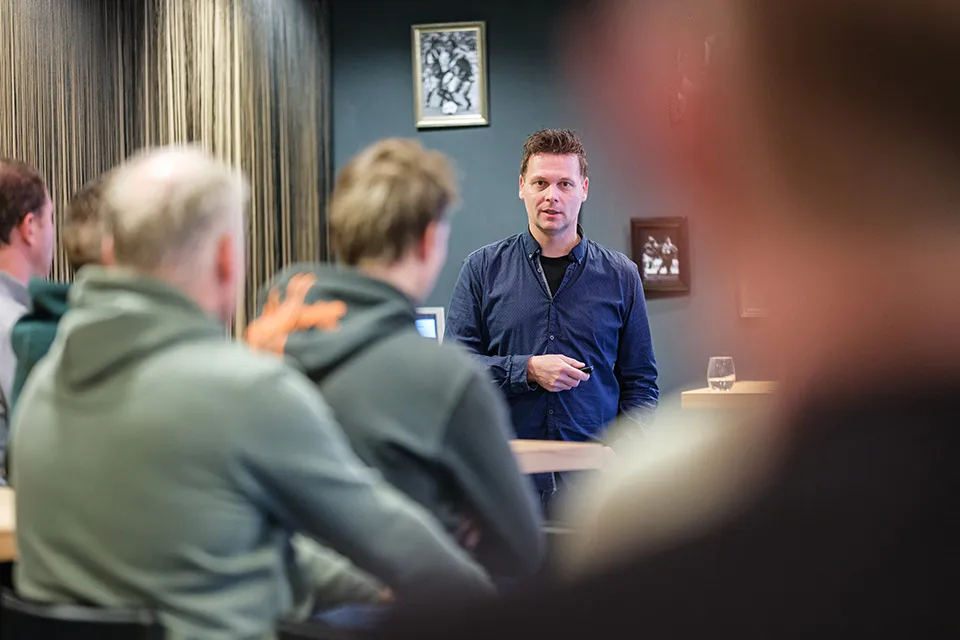
“In certain parts of the Netherlands, construction is currently being held up by the drinking water shortage. In some areas, commercial premises are no longer even being connected to the water mains,” says Rudolf van de Velde, irrigation specialist at Wildkamp. “By 2030, we need to use 20% less drinking water overall than we do now. This means that households in particular will have to cut their consumption.” In recent years, some water companies have already opted to lower water pressure in summer to discourage people from filling their swimming pools, watering the garden or taking long showers. Some regions have also imposed hosepipe bans.
Significant savings to be made in the garden
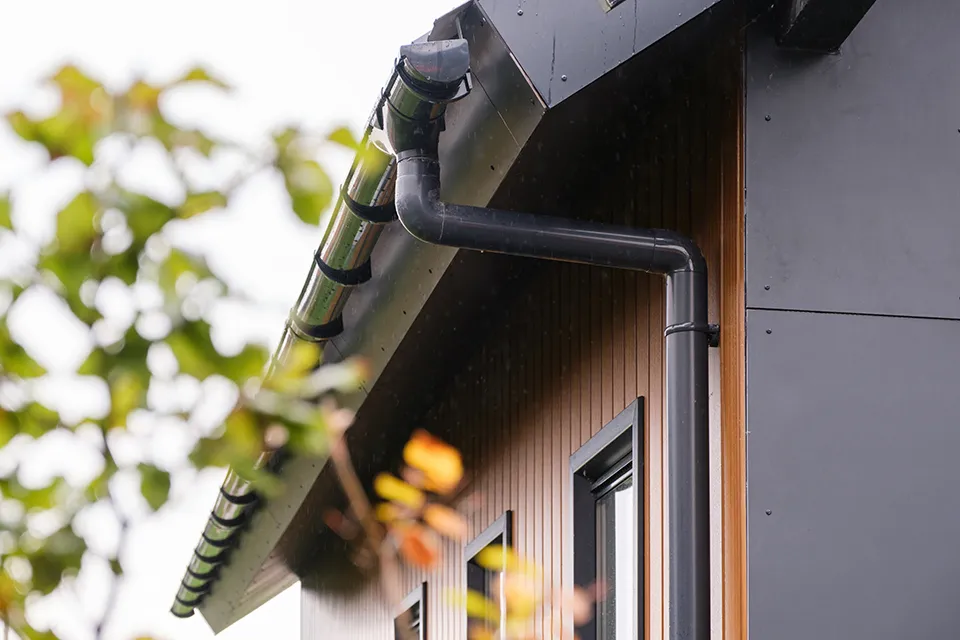
Households can reduce their water consumption in various ways, for example by using water-saving showerheads and energy-efficient washing machines and dishwashers. But there are also major savings to be made in the garden, says Peter Blaauwgeers, product specialist at Wildkamp. “If rainwater is collected in the garden, it can be used when needed. For example, you can connect a water butt to the gutter of a garden shed. You can then use that water later to water the plants.” Garden watering plans can also be made much more efficient, for example by using drip irrigation instead of sprinklers.
Van de Velde: “Water savings can go much further. In the Netherlands, we flush toilets with drinking water and also use drinking water for laundry. That is really a waste, because rainwater is generally clean. If rainwater is collected and stored in an underground tank, it only needs to be filtered before it can be used for various purposes. These include an outdoor tap, flushing the toilet or running a washing machine.”
Opportunities for green professionals
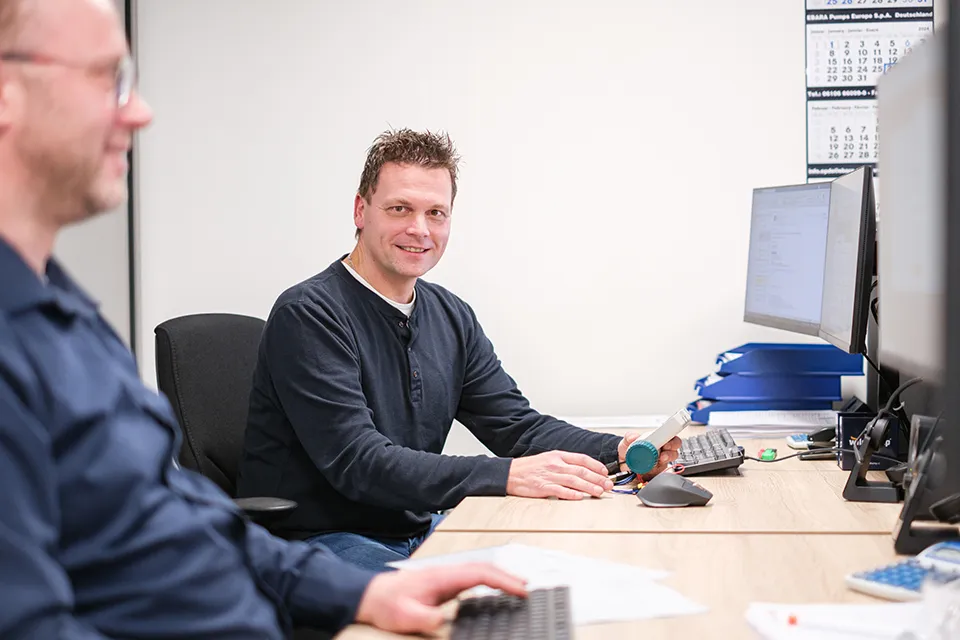
Under the Rawinso brand, Wildkamp supplies a complete range of solutions for collecting, storing and using water elsewhere. For indoor applications, its offering stops at the pump. An installer will then need to make the connections. Blaauwgeers: “We do not yet know who will take the lead here, the garden professional or the installer, but we can see that people are taking an increasing interest in the subject. The government can help by introducing regulations. In Belgium, for example, a cubic metre of water costs € 7, compared with just € 1,20 here. That gives people in Belgium much more incentive to save water than we have. Belgium also has regulations requiring water-saving measures in new-build homes. The Dutch government is now working on a bill to charge households that use a lot of water extra tax.”

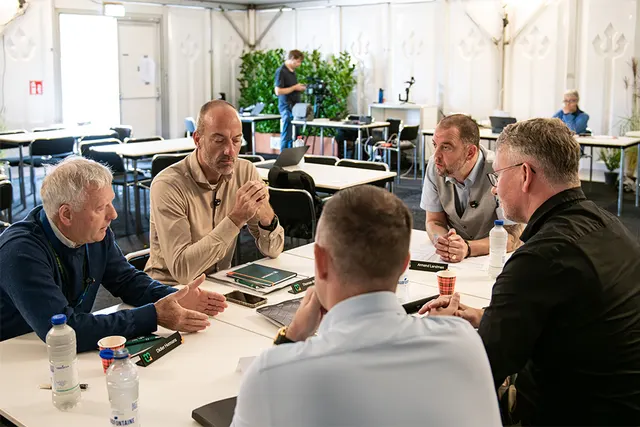
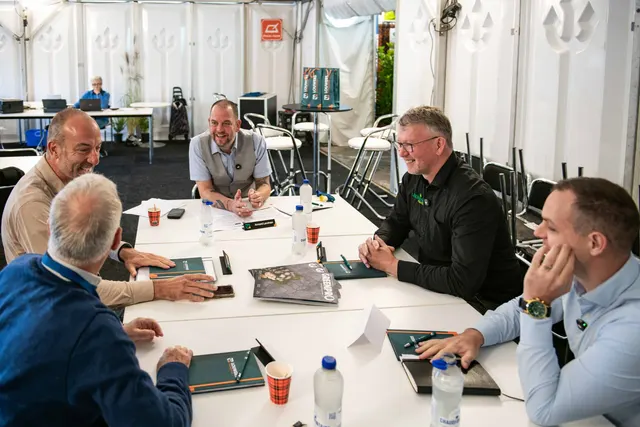
There are therefore plenty of opportunities for green professionals to respond to this. But they do not have to do it alone. Van de Velde: “We can advise garden professionals from start to finish. If they bring us a drawing, we can come up with the concept. Collecting rainwater also helps prevent water problems in the garden. It can then be channelled to another location, such as a wadi, an infiltration crate or a tank where it can be stored for reuse. It does not all have to be done at once, it can also be tackled in smaller steps.” The two say there is plenty of interest. Blaauwgeers: “We have already organised several knowledge events on this. We can see that the subject is of interest to garden professionals. They are interested and keen to get started.”
A business enquiry for Wildkamp? Get in touch
Companies in this story

Keep following this
Get an email when a new story is published. No account needed.
- ThemeGardens from design to maintenance
- SubjectSustainability
- CompanyWildkamp